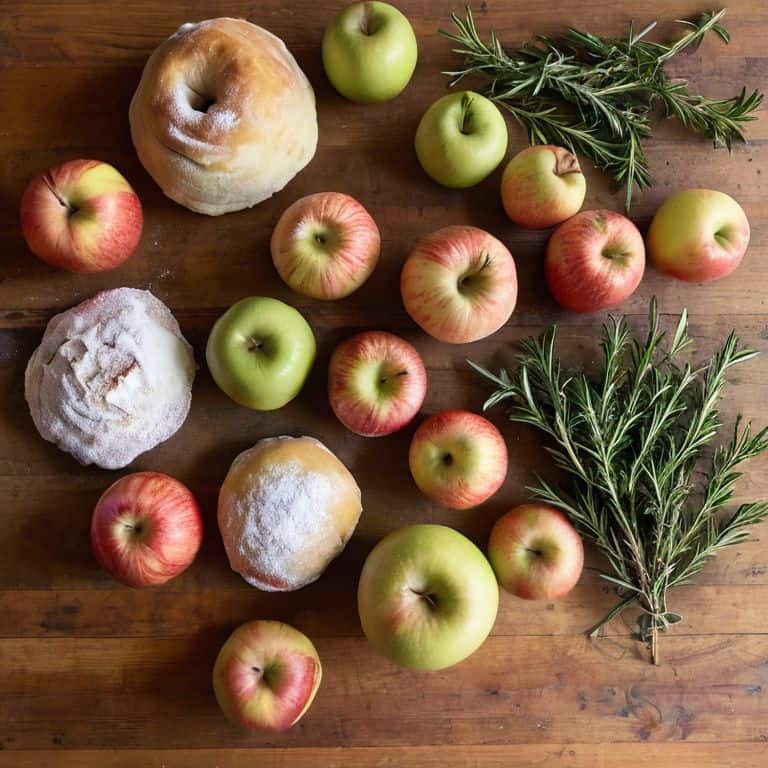
As I stepped into the cozy bakery on a crisp autumn morning, the aroma of freshly baked pies enveloped me, and I couldn’t help but think about the magic of apples in baking. I’ve always been fascinated by the way a simple ingredient like apples can elevate a dessert from ordinary to extraordinary. And that’s why I’m excited to share with you a guide to different types of apples for baking, a journey that will take you through the world of sweet and tart, crisp and tender. From the tangy Granny Smith to the sweet Honeycrisp, each variety has its own unique character, waiting to be unleashed in your kitchen.
As we dive into this world of apples, I promise to share with you my honest, no-hype advice on how to choose the perfect variety for your baking needs. You’ll learn how to pair the right apples with your favorite recipes, and discover the secrets to creating mouthwatering desserts that will impress your friends and family. Whether you’re a seasoned baker or just starting out, this guide will walk you through the process of selecting, preparing, and baking with apples like a pro. So, let’s get started on this delicious journey, and uncover the secrets to creating unforgettable baked goods with a guide to different types of apples for baking.
Table of Contents
Guide Overview: What You'll Need
Total Time: 1 hour 15 minutes
Estimated Cost: $15 – $30
Difficulty Level: Easy
Tools Required
- Apple Corer (for removing seeds and core)
- Peeler (for removing skin)
Supplies & Materials
- Granny Smith Apples tart flavor, firm texture
- Honeycrisp Apples sweet flavor, juicy texture
- Braeburn Apples sweet-tart flavor, firm texture
Step-by-Step Instructions
- 1. First, let’s start by understanding the foundation of baking with apples, which begins with selecting the right variety for your recipe. I’ve found that visiting local farmers’ markets on weekends can be a great way to discover unique and heirloom apple varieties that can add a special touch to your baked goods. When I’m at the market, I love to ask the farmers about the different types of apples they have on offer and how they recommend using them in baking.
- 2. Next, it’s essential to consider the sugar content and acidity level of the apples you choose, as these factors can significantly impact the final flavor and texture of your baked goods. For example, sweeter apples like Honeycrisp or Fuji are perfect for desserts like pies and crisps, while tangier apples like Granny Smith are better suited for savory dishes or balancing out the sweetness in cakes and muffins. I’ve learned that experimenting with different combinations of apples can lead to some truly amazing flavor profiles.
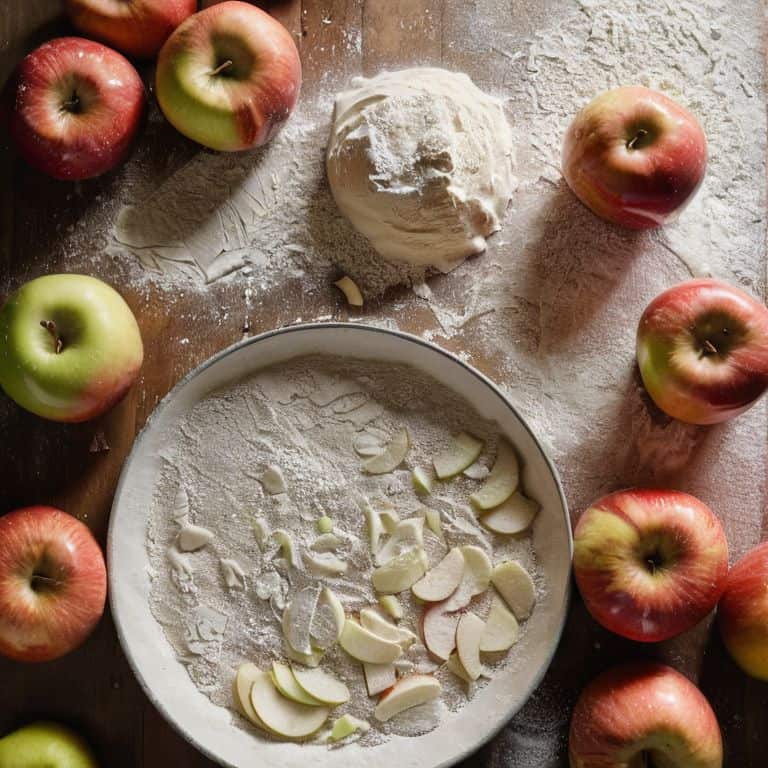
- 3. Now, let’s move on to the preparation of our apples for baking. This involves peeling, coring, and chopping the apples into the desired shape and size for our recipe. I’ve found that using a combination of sweet and tart apples can create a beautiful balance of flavors, and I love to use my vintage apple peeler to get the job done. There’s something special about using a tool that’s been passed down through generations to prepare ingredients for a recipe that’s been passed down through generations.
- 4. Once our apples are prepared, it’s time to think about the liquid content of our recipe and how the apples will affect it. Apples contain a significant amount of moisture, which can impact the overall texture and consistency of our baked goods. To account for this, we may need to adjust the amount of liquid in our recipe or add more flour to balance things out. I’ve learned that it’s all about finding the right balance and being mindful of how the different ingredients interact with each other.
- 5. With our apples and liquid content sorted, we can now start thinking about the spices and flavorings we want to use in our recipe. Cinnamon, nutmeg, and allspice are all classic pairings with apples, but I’ve also had great success with more unexpected spices like cardamom and ginger. The key is to experiment and find the combinations that work best for you and your taste preferences. I love to browse through my collection of vintage cookbooks to find inspiration for new and exciting flavor combinations.
- 6. As we move on to the actual baking process, it’s essential to keep an eye on the temperature and timing to ensure that our apples are cooked to perfection. Different types of apples will have varying cooking times, so it’s crucial to adjust our recipe accordingly. I’ve found that using a thermometer and keeping a close eye on the apples as they bake can make all the difference in achieving that perfect tender-crisp texture. There’s something truly satisfying about taking a perfectly baked apple dessert out of the oven and knowing that all your hard work has paid off.
- 7. Finally, once our baked goods are out of the oven and have cooled, it’s time to think about presentation and serving. I love to get creative with my presentations, using fresh herbs, edible flowers, or even vintage baking dishes to add a touch of elegance to my desserts. The key is to have fun and experiment with different looks and styles until you find what works best for you and your recipe. Whether you’re serving a simple apple crisp or a elaborate multi-tiered cake, the presentation can make all the difference in the overall experience.
A Guide to Apples for Baking
As I delved deeper into the world of baking with apples, I discovered that baking with braeburn apples can add a unique sweetness and texture to desserts. The key is to understand the characteristics of each apple variety and how they interact with other ingredients. For instance, apple variety selection for desserts is crucial, as some apples are better suited for sweet treats than others. I’ve found that mixing and matching different apple types can create a fascinating depth of flavor in baked goods.
When it comes to choosing the right apples, I always look for tips for choosing sweet apples that will complement my recipe. Using golden delicious apples in recipes can be a great starting point, as they offer a classic sweetness and texture. However, I’ve also experimented with combining different apple varieties to create a more complex flavor profile. By mixing apple types in baked goods, I’ve discovered new and exciting flavors that elevate my baking to the next level.
To get the most out of my apples, I’ve also learned about apple ripening techniques for better flavor. Allowing apples to ripen naturally can bring out their natural sweetness and depth of flavor, making them perfect for baking. By understanding the benefits of ripe apples and selecting the right variety for my recipe, I can create truly exceptional desserts that showcase the beauty of apples in baking.
Baking With Braeburn Sweet Success
Baking with Braeburn apples is a revelation – their sweet-tart flavor adds a depth to pastries that’s hard to match. I recall a visit to a quaint bakery in the countryside, where the owner, a passionate pastry chef, swore by Braeburns for her famous apple tarts. She’d carefully slice the apples, releasing their fragrance into the air, before layering them into a flaky crust. The result was nothing short of magical – a perfect balance of sweetness and acidity that left me wanting more.
As I experimented with Braeburns in my own kitchen, I discovered their versatility in both sweet and savory baked goods. Whether it’s a hearty apple crisp or a delicate apple cake, Braeburns bring a unique character to the table. Their firm texture holds up beautifully to cooking, retaining a satisfying crunch that complements a variety of ingredients. With Braeburns, the possibilities are endless, and I’m excited to continue exploring their potential in my baking adventures.
Mixing Golden Delicious for Depth
As I delve into the world of apples, I find myself drawn to the humble Golden Delicious. Often overlooked, this variety brings a depth to baked goods that’s hard to replicate. Its tender flesh and subtle sweetness make it an ideal candidate for pies, crisps, and cakes. I recall a visit to a quaint bakery in the countryside, where the owner swore by Golden Delicious for her signature apple spice cake. The way the apples melted into the batter, creating a moist and aromatic crumb, was nothing short of magic.
When mixing Golden Delicious into your batter, remember to balance its sweetness with a hint of spice or acidity. A pinch of cinnamon or a squeeze of fresh lemon juice can elevate the flavor profile, creating a truly unforgettable treat. As I experiment with this variety in my own kitchen, I’m constantly surprised by its versatility and the stories it helps me tell through my baking.
Unpeeling the Essentials: 5 Tips for Baking with Apples
- Choose apples that balance sweetness and acidity, like Honeycrisp or Granny Smith, for a robust flavor profile in your baked goods
- Experiment with blending different apple varieties to create a unique taste experience, such as combining tart Braeburn with sweet Golden Delicious
- Don’t overlook the importance of texture: firmer apples like Fuji hold their shape well in pies and tarts, while softer apples like McIntosh cook down beautifully in sauces and crisps
- Consider the water content of your apples, as higher water content varieties like Red Delicious can affect the overall moisture of your final product
- Store your apples properly to maintain their freshness and flavor; a cool, dry place is ideal, and using them within a few weeks of purchase will ensure the best results in your baking
Key Takeaways from Our Apple Adventure
Embracing the unique characteristics of each apple variety can elevate your baked goods from ordinary to extraordinary, as seen in the sweet success of Braeburn apples
Combining different apple types, like the Golden Delicious, can add unparalleled depth and complexity to your recipes, making each bite a fascinating experience
Whether you’re a seasoned baker or just starting out, experimenting with various apples and their pairings will not only refine your craft but also ignite a passion for the story and community behind every delicious treat
The Apple of My Eye
For me, the art of baking with apples is about embracing the nuances of each variety, and I’ve found that the right combination can elevate a simple recipe into a masterpiece that tells a story of its own.
David Dunne
Embracing the Art of Apple Selection
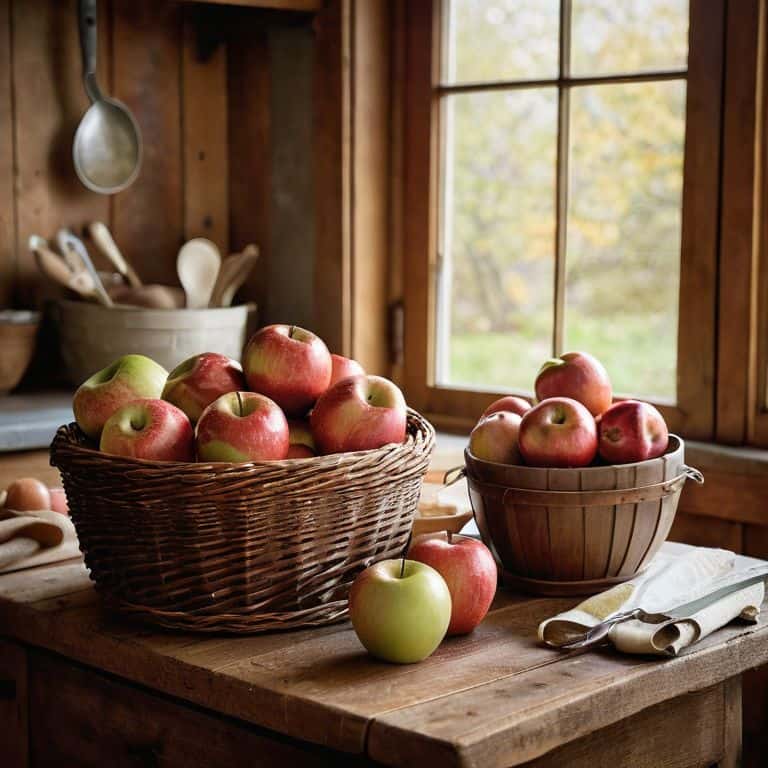
As I wrap up this guide to different types of apples for baking, I want to emphasize the importance of experimenting with various apple varieties to find the perfect blend for your creations. From the sweetness of Braeburn apples to the depth that Golden Delicious brings, each type of apple has its unique characteristics that can elevate your baked goods. By understanding the strengths of each variety, you can push the boundaries of flavor and texture in your baking, creating truly unique and delicious treats.
As you embark on your own apple-filled baking journey, remember that the art of selection is just the beginning. The true magic happens when you combine your carefully chosen apples with a dash of creativity and a pinch of passion. So, don’t be afraid to get creative and try new things – you never know what amazing flavors and stories you might uncover. And that’s what it’s all about: sharing the love and joy of baking with others, one delicious apple-filled treat at a time.
Frequently Asked Questions
What are some tips for combining multiple apple varieties in a single baked good?
I love experimenting with apple combinations – it’s an art form. For a unique twist, try pairing sweet Golden Delicious with tangy Granny Smith, or blend Braeburn’s warmth with the crispness of Honeycrisp. The key is balancing flavors and textures to create a harmonious bite that’s greater than the sum of its parts.
How do different apple varieties affect the texture of a cake or pastry?
The texture tale of apples in baking – it’s a fascinating story. Different varieties bring unique characteristics to the table, or rather, to the crust. Braeburn apples, for instance, add a lovely density, while Golden Delicious introduce a delicate tenderness. It’s all about balance and harmony, my friends, as the right apple can elevate your cake or pastry to new heights.
Are there any apple varieties that are better suited for savory baked dishes, such as quiches or breads?
For savory baked dishes, I swear by Granny Smith apples – their tartness adds a beautiful depth to quiches and breads. I’ve also had great luck with Honeycrisp in savory scones, the way their juiciness balances the richness is just magic.