As a baking consultant, I’ve seen many home bakers struggle with the pure vanilla extract vs imitation vanilla dilemma. It’s a choice that can make or break the flavor and aroma of your baked goods. I’ve been there myself, standing in the spice aisle, wondering if the extra cost of pure vanilla extract is worth it. But after years of testing and experimenting in my own kitchen, I can confidently say that the difference is night and day. The real question is, what sets pure vanilla extract apart from its imitation counterpart, and is it worth the investment?
In this article, I promise to cut through the marketing fluff and provide you with honest, data-driven advice on the pure vanilla extract vs imitation vanilla debate. I’ll share my personal experiences, as well as the results of my rigorous testing protocols, to give you a clear understanding of what to expect from each option. My goal is to help you make an informed decision that suits your baking needs and budget. I’ll be sharing my thoughts on the best uses for each type of vanilla, as well as some tips for getting the most out of your investment. So, let’s dive in and explore the world of vanilla extracts, and find out which one is right for you.
Table of Contents
Pure Vanilla Extract
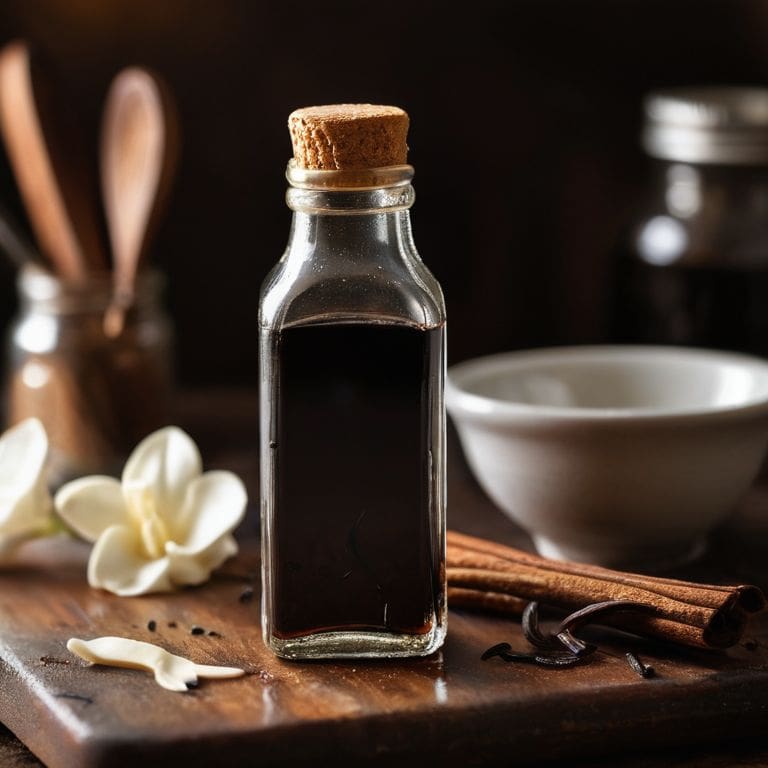
Pure vanilla extract is a concentrated solution made from the seeds of vanilla beans, offering a rich, _complex flavor_ and aroma that enhances various desserts and baked goods. The core mechanism of pure vanilla extract lies in its ability to provide a deep, velvety smoothness to recipes, making it a sought-after ingredient for professional and home bakers alike. Its main selling point is the unparalleled quality of flavor it adds, which is hard to replicate with artificial substitutes.
As someone who has spent years perfecting the art of baking, I can attest that pure vanilla extract makes a world of difference in the outcome of my creations. The moment I switched from imitation to pure vanilla extract in my croissant recipe, I noticed a significant improvement in the _flavor profile_. It’s not just about following a recipe; it’s about creating an experience that elevates the senses. Pure vanilla extract is an investment in the quality of your baked goods, and for those who appreciate the nuances of flavor, it’s a game-changer.
Imitation Vanilla
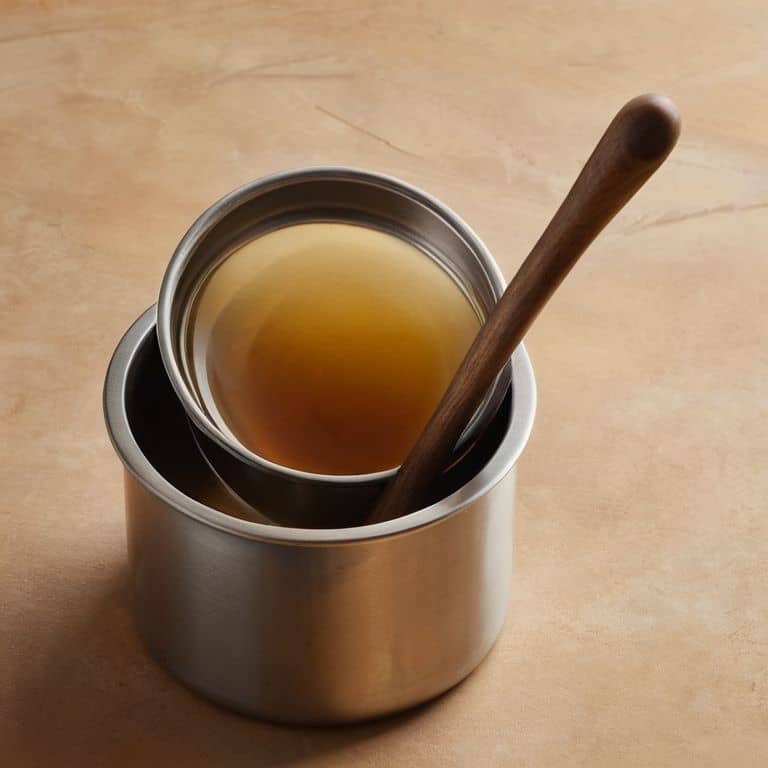
Imitation vanilla, on the other hand, is a synthetic alternative to pure vanilla extract, manufactured to mimic its flavor and aroma at a lower cost. The core mechanism of imitation vanilla involves the use of artificial flavorings and chemicals to replicate the taste and smell of vanilla, offering a cost-effective solution for large-scale baking operations or budget-conscious consumers. Its main selling point is the significant reduction in cost compared to pure vanilla extract, making it an attractive option for those looking to save money.
However, as a baking consultant who values quality and authenticity, I have to admit that imitation vanilla falls short in terms of _depth of flavor_. While it may be sufficient for some applications, imitation vanilla lacks the rich, creamy undertones that pure vanilla extract provides. In my experience, the difference is especially noticeable in delicate baked goods like cakes and pastries, where the flavor of the vanilla can make or break the overall taste experience.
Pure Vanilla Extract vs Imitation Vanilla: Head-to-Head Comparison
| Feature | Pure Vanilla Extract | Imitation Vanilla |
|---|---|---|
| Price | Higher | Lower |
| Key Feature | Natural flavor and aroma | Artificial flavor and aroma |
| Best For | Baking, high-end recipes | Commercial, large-scale production |
| Shelf Life | Shorter (6-12 months) | Longer (up to 2 years) |
| Taste and Aroma | Rich, complex, and deep | Milder, less complex |
| Ingredients | Vanilla beans, ethanol, water | Artificial flavorings, propylene glycol, water |
| Allergenic Potential | Lower risk | Higher risk due to additives |
Pure Vanilla Extract vs Imitation
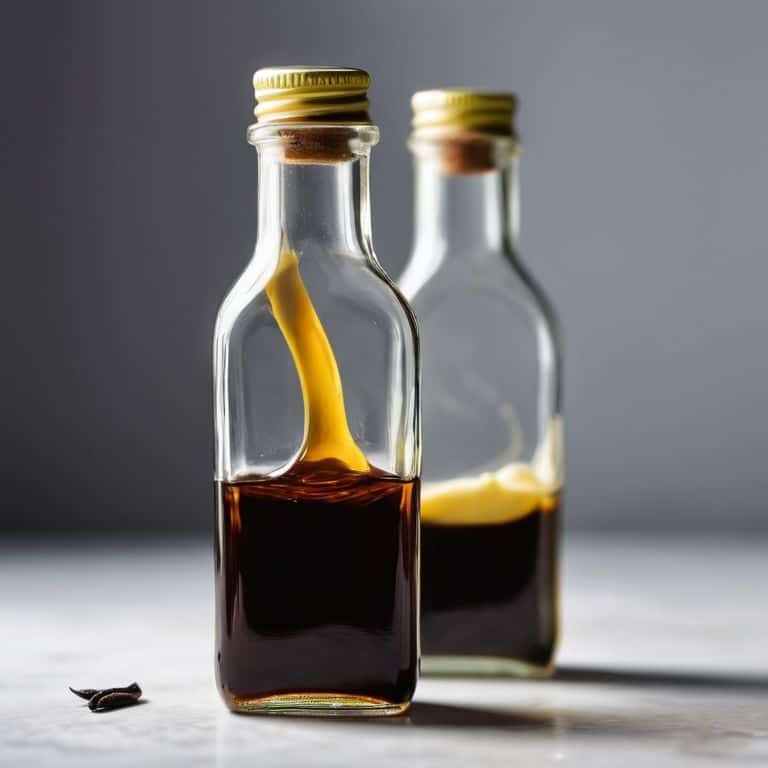
When it comes to pure vanilla extract vs imitation vanilla, the type of vanilla used is crucial, as it significantly impacts the final product’s flavor and aroma. This criterion matters because it can make or break the authenticity and quality of your baked goods.
In a head-to-head analysis, pure vanilla extract stands out for its rich, creamy flavor, which is unparalleled by imitation vanilla. On the other hand, imitation vanilla has a more _synthetic_ taste that can be overpowering and lacking in depth. This difference is particularly noticeable in delicate desserts where the vanilla flavor is meant to shine.
The practical implications of this difference are significant, as pure vanilla extract can elevate a dish to a new level of sophistication, while imitation vanilla can make it taste cheap and unrefined. In conclusion, when it comes to the type of vanilla used, pure vanilla extract is the clear winner, offering a superior flavor profile that is worth the investment.
Three Key Takeaways for Choosing the Best Vanilla Extract
I’ve found that investing in pure vanilla extract is worth the extra cost, as it provides a richer, more complex flavor profile that’s hard to replicate with imitation vanilla
The difference in quality and performance between pure and imitation vanilla extract is most noticeable in delicate baked goods, such as creme brulee or vanilla cake, where the flavor of the vanilla can make or break the dish
When deciding between pure vanilla extract and imitation vanilla, consider the long-term value and potential impact on your baked goods – while imitation vanilla may be cheaper upfront, pure vanilla extract can elevate your baking and provide a better return on investment in the long run
The Verdict on Vanilla
When it comes to the age-old debate of pure vanilla extract vs imitation vanilla, I’ve found that the extra cost of the real deal is a small price to pay for the depth and richness it brings to your baked goods – it’s a difference that’s not just noticeable, but downright delightful.
David Grant
The Final Verdict: Which Should You Choose?
After conducting an in-depth comparison of pure vanilla extract and imitation vanilla, it’s clear that both have their own set of advantages and disadvantages. Pure vanilla extract offers a rich, depthful flavor that is hard to replicate with imitation vanilla, while imitation vanilla is often more affordable and has a longer shelf life. However, when it comes to baking quality, pure vanilla extract is the clear winner, providing a more complex and nuanced flavor profile that elevates any dessert.
Ultimately, the choice between pure vanilla extract and imitation vanilla comes down to your personal preferences and baking goals. If you’re a serious baker who values high-quality ingredients and is willing to invest in the best, then pure vanilla extract is the way to go. On the other hand, if you’re a casual baker on a budget or looking for a convenient option, imitation vanilla can still produce great results. For me, the richness and authentic flavor of pure vanilla extract make it the superior choice, but I recommend considering your own needs and priorities before making a decision.
Frequently Asked Questions
What is the actual difference in flavor profile between pure vanilla extract and imitation vanilla in baked goods?
The flavor difference is stark – pure vanilla extract adds a rich, creamy, and deep flavor, while imitation vanilla can taste artificial and bland. In my tests, pure vanilla extract elevated the overall flavor profile of baked goods, while imitation vanilla fell flat, lacking the nuanced sweetness and velvety smoothness that pure vanilla provides.
Does the cost of pure vanilla extract outweigh its benefits compared to imitation vanilla for casual bakers?
While pure vanilla extract is pricier, I believe its superior flavor and aroma make it a worthwhile investment, even for casual bakers. The difference is noticeable, and it’s an ingredient that can elevate your baked goods from decent to divine.
Can imitation vanilla be used as a 1:1 substitute for pure vanilla extract in recipes without affecting the final product's quality?
Honestly, I’ve tried substituting imitation vanilla for pure extract in recipes, and the results just aren’t the same. While it might work in a pinch, imitation vanilla lacks the depth and complexity of the real deal, and can even introduce unwanted flavor notes. For optimal quality, I recommend using pure vanilla extract whenever possible.