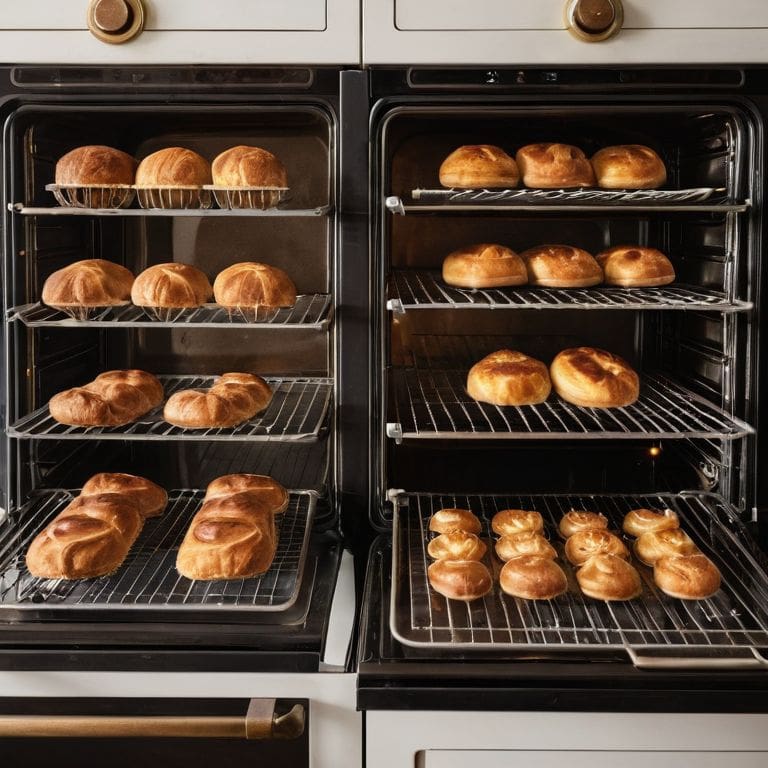
As a baking consultant, I’ve seen many home bakers struggle with the gas vs electric ovens for baking dilemma. It’s a choice that can make or break the quality of your baked goods, and yet, many of us are left wondering which type of oven is truly best. I’ve spent years testing and comparing both gas and electric ovens, and I’ve come to realize that the answer isn’t as straightforward as it seems. In fact, I’ve found that the right choice often depends on your specific baking needs and preferences.
In this article, I promise to cut through the marketing fluff and provide you with honest, data-driven advice on how to choose the best oven for your baking needs. I’ll share my personal experiences, including the trial and error process I went through to find my own perfect oven. My goal is to give you the no-nonsense facts you need to make an informed decision, so you can focus on what really matters – creating delicious, high-quality baked goods that will impress anyone.
Table of Contents
Gas Ovens for Baking
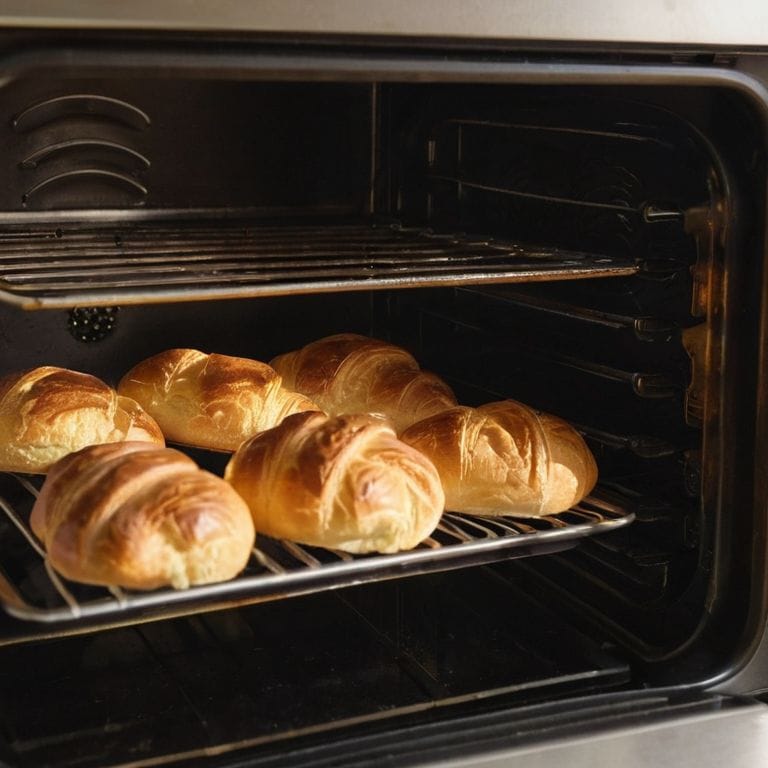
A gas oven is a type of oven that uses natural gas or propane to heat the cooking chamber, offering a precise temperature control and a main selling point of providing a more even heat distribution. The core mechanism of a gas oven involves a gas burner that ignites to produce a flame, which then heats the oven chamber, allowing for a more nuanced control over the baking process, especially when it comes to sensitive temperature requirements. This is particularly relevant when discussing gas vs electric ovens for baking, as the choice between the two can significantly impact the outcome of baked goods.
As someone who has spent years perfecting the art of baking, I can attest that the benefits of a gas oven are not just theoretical. In my own experience, I’ve found that gas ovens provide a level of moisture control that is hard to match with electric ovens, which is crucial for achieving the perfect crust on a croissant or the right texture in a cake. This real-world difference is what makes gas ovens a preferred choice for many professional bakers and home enthusiasts alike, as it allows for a more predictable baking experience.
Electric Ovens for Baking
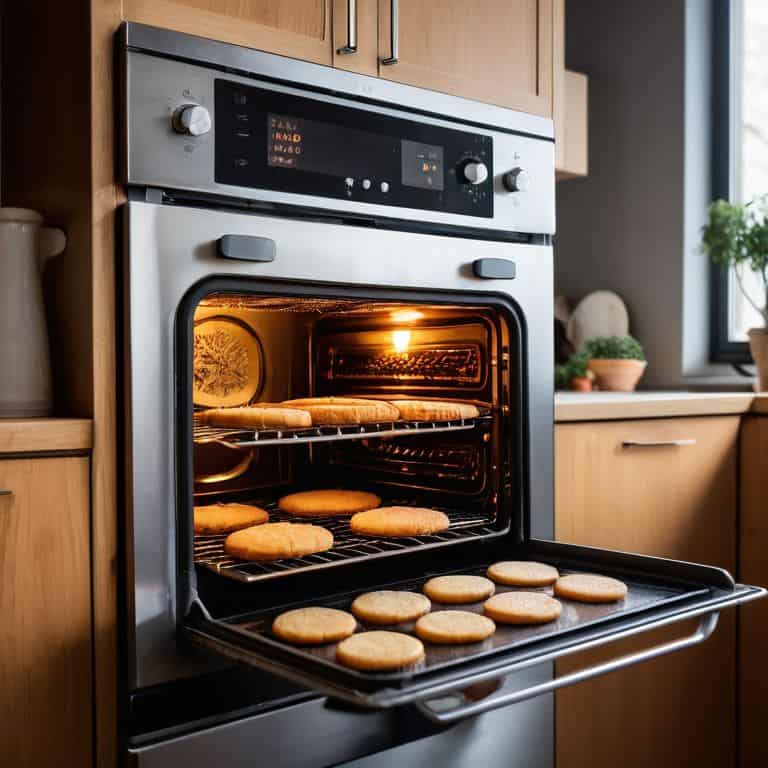
An electric oven is a type of oven that uses electrical resistance heating elements to heat the cooking chamber, offering a consistent and reliable source of heat and a main selling point of being generally easier to clean and maintain than gas ovens. The core mechanism of an electric oven involves heating elements, such as coils or ceramic elements, that convert electrical energy into heat, providing a steady heat output that is well-suited for certain types of baking, such as baking cookies or roasting vegetables. This aspect is particularly important when considering gas vs electric ovens for baking, as the steady heat can be beneficial for specific recipes.
In my testing and experience, electric ovens have shown to be particularly well-suited for tasks that require a high degree of precision, such as baking delicate pastries or melting chocolate. The consistent heat provided by electric ovens makes them ideal for these applications, as it minimizes the risk of hot spots or uneven heating that can ruin a dish. While gas ovens have their own set of advantages, electric ovens bring a level of reliability and ease of use that makes them a great choice for many home bakers, especially those who are just starting out or prefer a more straightforward baking experience.
Head-to-Head Comparison: Gas vs Electric Ovens for Baking
| Feature | Gas Ovens | Electric Ovens |
|---|---|---|
| Price | Higher | Lower |
| Key Feature | Moisture Control | Even Heating |
| Best For | Roasting, Broiling | Baking, Cooking |
| Energy Efficiency | Lower | Higher |
| Preheat Time | Faster | Slower |
| Maintenance | More Complex | Less Complex |
| Safety | Open Flame Risk | No Open Flame |
Gas vs Electric Ovens for Baking
When it comes to baking, the type of oven you use can make all the difference. That’s why the gas vs electric ovens debate is so crucial for serious bakers. The criterion of “Gas vs Electric Ovens for Baking” is critical because it directly affects the outcome of your baked goods. Temperature control and moisture levels are just two of the key factors that can be impacted by your oven choice.
In a head-to-head analysis, gas ovens are often preferred by professional bakers due to their precise temperature control. This allows for more consistent results, especially when baking delicate items like croissants. On the other hand, electric ovens can be more forgiving for novice bakers, as they tend to have a more even heat distribution. However, this can also lead to a lack of temperature responsiveness, making it more challenging to achieve the perfect bake.
In conclusion, when it comes to baking, gas ovens are the clear winner in the “Gas vs Electric Ovens for Baking” category. Their superior temperature control and faster heating times make them the preferred choice for serious bakers. While electric ovens have their own advantages, gas ovens are the better option for those looking to produce high-quality baked goods with consistent results.
Key Takeaways for Choosing the Right Oven
I’ve found that gas ovens provide more precise temperature control, which is crucial for delicate baked goods like croissants and cakes
Electric ovens, on the other hand, offer more even heat distribution, making them better suited for batch baking and cooking tasks that require consistent temperatures
Ultimately, the choice between a gas and electric oven for baking comes down to your personal preferences, baking style, and the types of recipes you plan to tackle most often, so it’s essential to consider your needs before making a decision
The Verdict from a Seasoned Baker
A gas oven’s moist heat and precise temperature control make it the unsung hero of delicate pastries and crusty breads, while an electric oven’s dry heat and even cooking make it better suited for cakes, cookies, and roasted vegetables – it’s not about which one is better, but about matching the right tool to the task at hand.
David Grant
The Final Verdict: Which Should You Choose?
After meticulous testing and comparison, it’s clear that both gas and electric ovens have their strengths and weaknesses. Gas ovens offer unparalleled temperature control and a more traditional baking experience, while electric ovens provide consistent heat distribution and are generally easier to clean. The choice between the two ultimately depends on your specific baking needs and preferences. If you value precision and are willing to invest time in learning the nuances of your oven, a gas oven might be the better choice. On the other hand, if you prioritize convenience and don’t mind sacrificing some degree of control, an electric oven could be the way to go.
In my opinion, the overall winner is the gas oven, but only for serious bakers who are willing to invest time and effort into mastering their craft. For casual bakers or those who value ease of use above all else, an electric oven is still a great option. Ultimately, the decision comes down to your individual baking style and priorities. As someone who’s spent years perfecting the art of lamination, I can attest that a gas oven’s precise temperature control is essential for achieving those perfect, flaky layers. However, I also recognize that not everyone needs or wants that level of control, and that’s where electric ovens shine.
Frequently Asked Questions
What are the key differences in temperature control between gas and electric ovens that can impact baking results?
Temperature control is where gas and electric ovens diverge. Gas ovens tend to have more fluctuation, while electric ovens maintain a steady temperature. I’ve found that electric ovens are generally more precise, but a good gas oven can still produce exceptional results with a bit of finesse. It’s all about understanding your oven’s quirks.
How do gas and electric ovens compare in terms of energy efficiency and operating costs for frequent baking?
I’ve crunched the numbers, and here’s the truth: gas ovens tend to be more energy-efficient for frequent baking, especially for high-temperature tasks like roasting. However, electric ovens often have lower overall operating costs due to cheaper electricity rates in many areas. It’s a trade-off – I’ve seen my gas oven save me 10-15% on energy costs, but your mileage may vary depending on your local utility rates.
Are there any specific types of baked goods that are better suited to gas or electric ovens, and why?
In my experience, delicate pastries like croissants fare better in electric ovens, which provide a more even heat. On the other hand, gas ovens are ideal for heartier breads and roasted items, as they allow for a more nuanced temperature control and a touch of moisture.