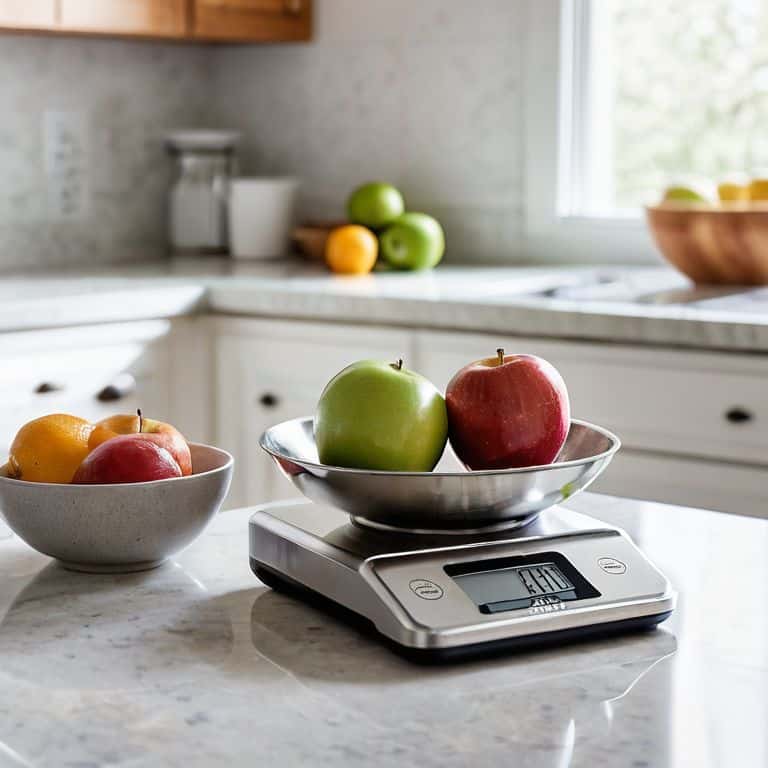
I still remember the day I realized that my kitchen scale was lying to me. I was meticulously measuring out ingredients for a croissant recipe, but my dough just wasn’t turning out right. It wasn’t until I decided to learn how to calibrate your kitchen scale that I discovered the truth: my scale was off by a significant margin. This experience taught me that accuracy is key in baking, and a well-calibrated scale is the foundation of it all.
In this article, I’ll share my no-nonsense approach to calibration, cutting through the confusion and providing you with a clear, step-by-step guide on how to calibrate your kitchen scale. You’ll learn how to identify if your scale is inaccurate, and how to adjust it for precise measurements. My goal is to empower you with the knowledge to take control of your baking, and to help you understand that calibration is not just a one-time task, but an ongoing process to ensure the best results in your kitchen. By the end of this guide, you’ll be equipped with the skills to calibrate your scale with confidence, and to trust the measurements that are crucial to your baking success.
Table of Contents
- Guide Overview: What You'll Need
- Step-by-Step Instructions
- Calibrate Your Scale
- Getting it Just Right: 5 Key Tips for Calibrating Your Kitchen Scale
- Key Takeaways for Accurate Kitchen Scale Calibration
- The Calibration Truth
- Calibration Confidence: The Key to Unlocking Your Kitchen's Full Potential
- Frequently Asked Questions
Guide Overview: What You'll Need
Total Time: 30 minutes
Estimated Cost: $0 – $10
Difficulty Level: Easy
Tools Required
- Kitchen Scale (digital or analog)
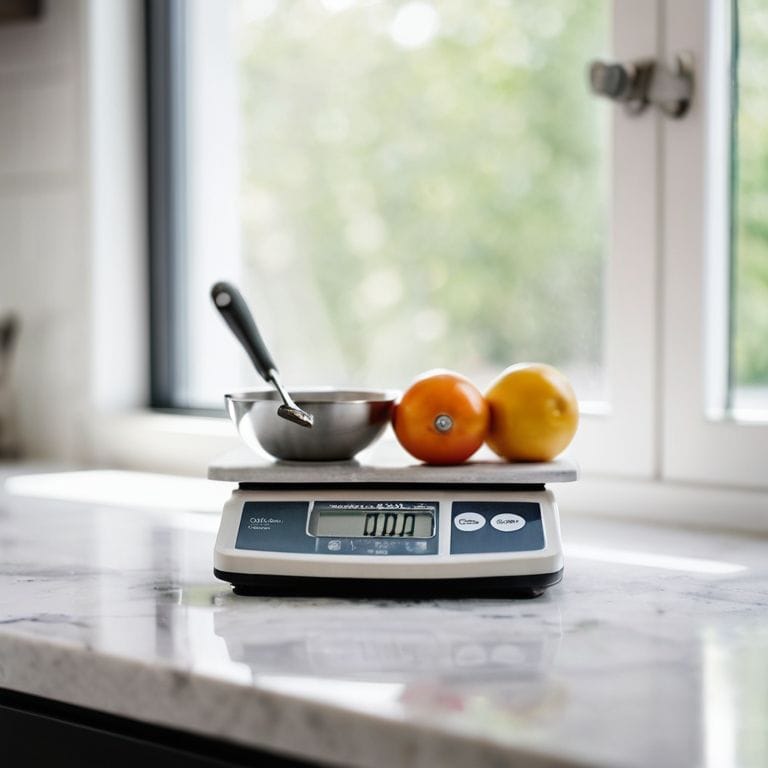
- Weighing Objects (e.g., coins, water, or calibration weights)
Supplies & Materials
- Calibration Weights (optional, but recommended for accuracy)
- Batteries (if your scale requires them)
Step-by-Step Instructions
- 1. First, let’s get started by understanding the importance of calibration. Before you begin, make sure your kitchen scale is placed on a flat, stable surface, away from any drafts or vibrations that could affect its accuracy. Take a moment to clear the area around the scale to prevent any accidental knock-overs or spills.
- 2. Next, you’ll need to consult your scale’s user manual to see if it has an automatic calibration feature or if it requires manual calibration. Some high-end scales come with advanced calibration modes, so it’s essential to familiarize yourself with the specific instructions for your model. If you’ve misplaced the manual, you can usually find a digital copy on the manufacturer’s website.
- 3. Now, it’s time to prepare your scale for calibration. Remove any batteries or unplug the scale to prevent any accidental weigh-ins. For digital scales, this is a crucial step to ensure that the calibration process isn’t interrupted. Take this opportunity to clean the scale’s surface and weighing platform to prevent any debris or dust from interfering with the calibration process.
- 4. The actual calibration process typically involves using a set of calibration weights that come with the scale or can be purchased separately. These weights are precisely measured to help your scale determine its accuracy. Place the calibration weight on the center of the weighing platform and follow the on-screen instructions (if you have a digital scale) or the manual’s guidelines for adjusting the scale’s sensitivity.
- 5. Once you’ve completed the calibration process, it’s essential to verify the results. This step is often overlooked, but it’s critical to ensuring your scale is accurate. To do this, place a known weight (such as a bag of sugar or a container of flour with a precise weight) on the scale and take note of the reading. Repeat this process several times to confirm that the scale is providing consistent results.
- 6. For analog scales, the calibration process might involve adjusting the dial or needle to align with a specific marker or weight. This can be a bit more labor-intensive, but it’s just as important for accuracy. Use a small screwdriver or the adjustment tool provided with the scale to make the necessary adjustments. Be patient and take your time, as small changes can significantly impact the scale’s accuracy.
- 7. After calibration, take a moment to record your results and note any adjustments you made to the scale. This is especially useful if you have multiple scales or plan to recalibrate your scale in the future. Keep a small log or spreadsheet to track your scale’s performance over time, including any maintenance or repairs. This will help you identify any potential issues before they become major problems.
- 8. Finally, to maintain your scale’s accuracy and ensure it continues to provide reliable results, make it a habit to regularly clean and check your scale. This includes wiping down the surface, cleaning the weighing platform, and verifying the calibration periodically. By doing so, you’ll be able to trust your scale to provide accurate measurements, which is essential for achieving consistent results in your baking and cooking endeavors.
Calibrate Your Scale
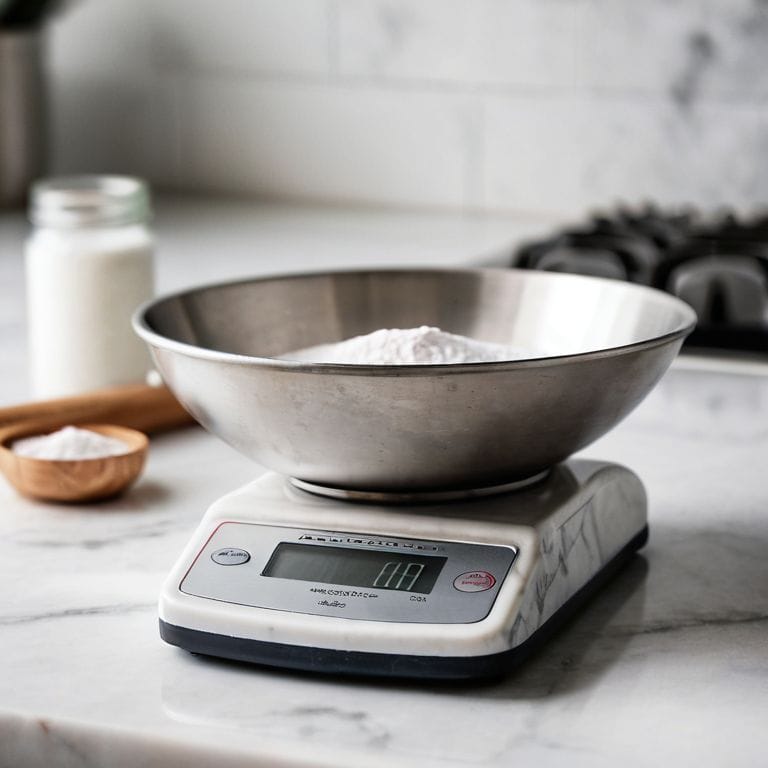
As I delve into the world of scale calibration, I’ve come to realize that measuring weight accurately is crucial for any serious home baker. A slight miscalculation can throw off an entire recipe, resulting in disappointing results. To ensure your digital scale is providing precise measurements, it’s essential to follow a thorough digital scale calibration process. This involves checking the scale’s accuracy with known weights and making adjustments as needed.
When it comes to scale calibration for professional baking, precision is paramount. Even the slightest discrepancy can affect the final product’s texture and flavor. I’ve seen it time and time again in my test kitchen: a poorly calibrated scale can lead to troubleshooting kitchen scale issues down the line. By taking the time to properly calibrate your scale, you’ll save yourself headaches and ensure your baked goods turn out consistently delicious.
In my experience, calibrating a mechanical kitchen scale requires a bit more finesse than its digital counterpart. However, the end result is well worth the extra effort. By investing time in scale calibration, you’ll be rewarded with perfectly balanced recipes and a deeper understanding of the importance of scale calibration in cooking. Whether you’re a professional baker or a passionate home cook, accurate measurements are the foundation of success in the kitchen.
Digital Scale Calibration Process
When it comes to digital scales, the calibration process is relatively straightforward. Most modern digital scales come with an automatic calibration feature, but it’s still important to ensure it’s done correctly. To calibrate your digital scale, start by placing it on a flat surface and turning it on. Look for the calibration button, usually marked with a “CAL” or “ZERO” symbol, and press it. The scale will then prompt you to place a known weight on it, which is usually provided with the scale or can be a standard weight like a 1kg or 2lb mass.
I always recommend using a high-precision weight to ensure accuracy. Once the weight is placed, the scale will automatically adjust its internal settings to match the known weight. This process may take a few seconds, after which the scale will be calibrated and ready for use. It’s a good idea to recalibrate your digital scale periodically, especially if you’ve dropped it or moved it to a new location, to ensure ongoing accuracy.
Troubleshooting Kitchen Scale Issues
When issues arise with your kitchen scale, it’s essential to troubleshoot them promptly. I’ve found that most problems stem from improper calibration or faulty batteries. If your digital scale is malfunctioning, try resetting it or replacing the batteries. For mechanical scales, check the balancing mechanism and ensure it’s free from debris.
In my experience, a well-maintained scale is a reliable one. By regularly calibrating and cleaning your scale, you can prevent most issues from occurring in the first place. If problems persist, it may be time to consider investing in a new scale – one that’s built to last, like the ones I’ve tested and reviewed in my kitchen.
Getting it Just Right: 5 Key Tips for Calibrating Your Kitchen Scale
- Verify the scale’s accuracy by weighing a known quantity, such as a bag of flour or sugar, to ensure it matches the expected weight
- Choose the right calibration weight for your scale, as using a weight that’s too small or too large can affect accuracy
- Perform calibration on a stable, flat surface to prevent any tilting or movement that could impact the scale’s readings
- Regularly clean and maintain your scale to prevent dust, dirt, or other debris from accumulating and affecting its accuracy
- Keep a record of your scale’s calibration history, including the date, time, and weight used, to track any changes or drift over time and ensure ongoing accuracy
Key Takeaways for Accurate Kitchen Scale Calibration
Ensure your kitchen scale is placed on a stable, level surface to prevent inaccurate readings and to guarantee reliable performance over time
Regular calibration of your kitchen scale, whether digital or analog, is crucial for maintaining precision in your cooking and baking, and it’s a simple process that can be done at home with basic calibration weights
By following the step-by-step calibration guide and troubleshooting common issues, you can trust your kitchen scale to provide accurate measurements, which is essential for achieving consistent results in your recipes and for storing ingredients safely and efficiently
The Calibration Truth
A precise kitchen scale is not just a tool, it’s a promise of consistency and quality in every dish that leaves your kitchen – and that promise is only as good as the calibration that backs it up.
David Grant
Calibration Confidence: The Key to Unlocking Your Kitchen's Full Potential
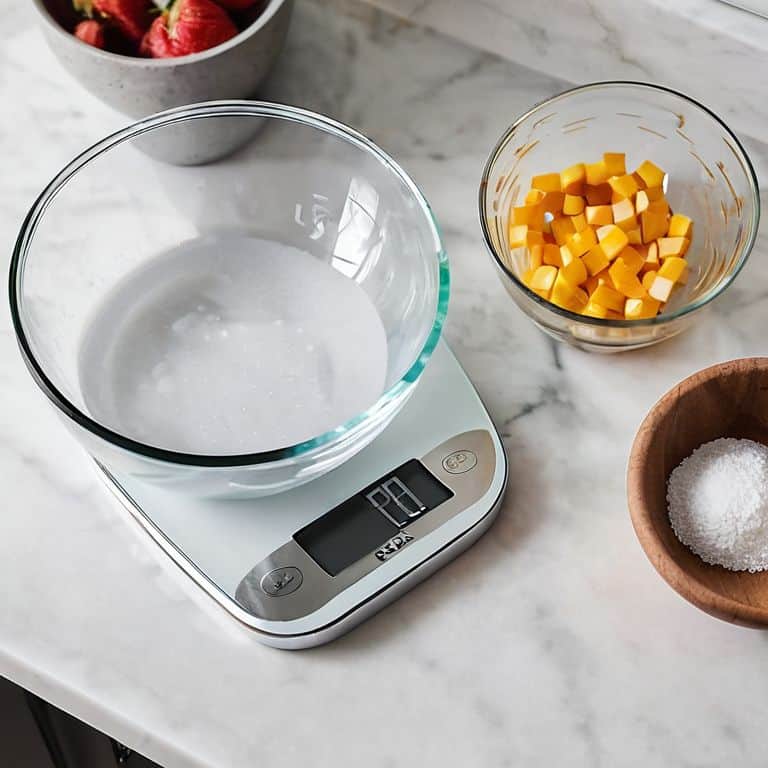
In conclusion, calibrating your kitchen scale is a straightforward process that requires attention to detail and a bit of patience. By following the step-by-step guide outlined in this article, you’ll be able to ensure that your scale is accurate and reliable. Remember to regularly calibrate your scale to maintain its accuracy and prevent any potential issues. Whether you’re a seasoned baker or a culinary newcomer, having a trustworthy kitchen scale is essential for achieving consistent results and taking your cooking to the next level.
As you now have the knowledge and skills to calibrate your kitchen scale with confidence, I encourage you to experiment with new recipes and explore the world of precision cooking. With a reliable scale by your side, you’ll be able to create dishes that are not only delicious but also visually stunning. So, go ahead, get baking, and remember that the key to unlocking your kitchen’s full potential lies in the details – and a well-calibrated scale is just the beginning.
Frequently Asked Questions
What happens if I don't calibrate my kitchen scale, and how will it affect my recipes?
If you don’t calibrate your kitchen scale, you’ll introduce variables that can throw off entire recipes. I’ve seen it happen – a pinch too much salt or a dash too little flour can be the difference between perfection and disaster. Inaccurate measurements can lead to inconsistent flavors, textures, and overall performance, which is why calibration is crucial for reliable results.
Can I calibrate my kitchen scale with any object, or are there specific calibration weights I should use?
For accurate calibration, I recommend using certified calibration weights, which are specifically designed for this purpose. While you can use everyday objects, their weights may vary, leading to inaccuracies. Calibration weights ensure precision, giving you reliable measurements and, ultimately, better baking results.
How often should I recalibrate my kitchen scale to ensure it remains accurate over time?
I recommend recalibrating your kitchen scale every 1-3 months, depending on usage. If you’re an avid baker like me, you may need to do it more often. I also recalibrate mine after any significant changes, like moving to a new location or exposing it to extreme temperatures.