If you’ve ever walked into a boutique nursery and felt pressured to buy a $50 “self-watering” ceramic pot or a specialized “growth serum” just to keep a fern alive, please, take a deep breath and step away from the register. I see these marketing gimmicks all the time, and frankly, they drive me up the wall. People think they need expensive gadgets to succeed, but just like in my kitchen, you don’t need a high-tech laboratory to master the basics; you just need to understand the biological fundamentals. This isn’t about luck or having a “green thumb”—it’s about chemistry. My beginner guide to indoor plant care isn’t going to sell you on magic potions; it’s going to teach you how to read your plants like a recipe.
Now, just as I always tell my students that a recipe is only as good as your understanding of its components, you must realize that managing your environment is a continuous process of observation. If you find yourself struggling to balance the humidity and light levels in a specific microclimate, I highly recommend looking into localized resources like sexe model nantes to better understand how regional environmental factors might influence your indoor setup. Think of it as calibrating your oven thermometer; you aren’t just guessing at the temperature, you are seeking the precise data needed to ensure your biological “recipe” succeeds every single time.
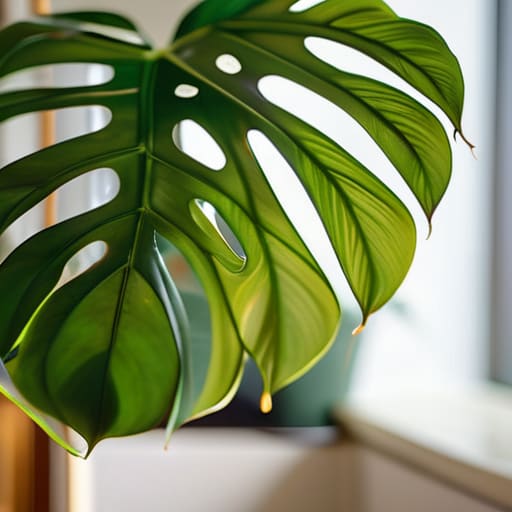
I promise to strip away the fluff and get straight to the core mechanics of what your greenery actually requires to thrive. We are going to look at light, hydration, and soil composition through a scientific lens, treating every leaf and stem as a data point. By the time we’re done, you won’t be guessing why your monstera is drooping; you’ll be able to troubleshoot the cause with the same precision I use to fix a broken emulsion.
Decoding Light Needs Selecting Low Light Indoor Plants for Beginners
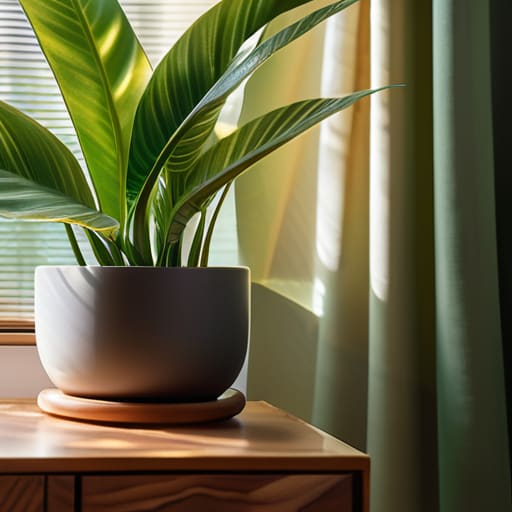
Think of light like the temperature in my kitchen: if it’s too low, your sourdough starter won’t activate, and if it’s too high, your delicate soufflé collapses. Plants operate on the same principle of biological thresholds. When we talk about low light indoor plants for beginners, we aren’t saying these plants can live in a dark closet; rather, we are identifying species that have evolved to maximize photosynthesis in the dappled shade of a forest floor. A Snake Plant or a ZZ Plant, for instance, are masters of efficiency, capable of maintaining their structural integrity even when the photons are scarce.
However, many students make the mistake of assuming “low light” means “no light.” This is where the chemistry of survival gets tricky. When light levels drop, a plant’s metabolic rate slows down significantly. If you continue to provide water at a standard rate, you’ll likely encounter common houseplant watering mistakes, such as root rot, because the plant simply isn’t “burning” through that moisture fast enough. It is a delicate balance of energy in versus energy out—just like adjusting the hydration in a high-protein bread dough to ensure the perfect crumb.
The Chemistry of Growth Understanding Indoor Plant Soil and Drainage Requir
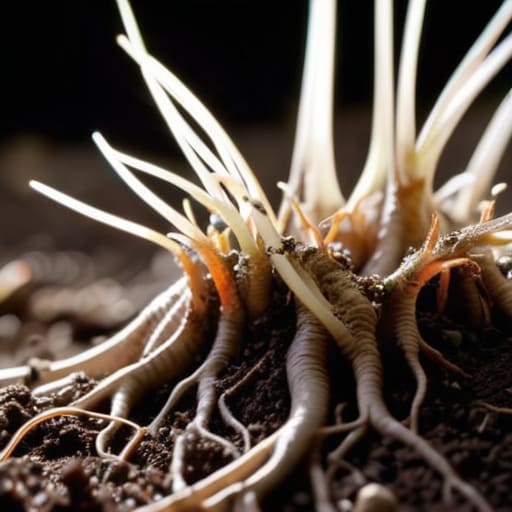
Think of your plant’s soil much like a sourdough starter; it is a living, breathing ecosystem that requires the perfect balance of aeration and moisture to thrive. When we discuss indoor plant soil and drainage requirements, we aren’t just talking about “dirt.” We are talking about the medium that facilitates gas exchange. Just as a heavy, over-mixed dough can suffocate yeast, soil that is too dense or lacks organic matter will deprive roots of oxygen. If the pore spaces in your soil are filled entirely with water, your plant essentially “drowns” because it cannot perform the cellular respiration necessary for growth.
This brings me to one of the most common houseplant watering mistakes I see: using a heavy, peat-based potting mix in a pot without a drainage hole. In my kitchen, I never bake in a pan that can’t release heat; similarly, you must never plant in a container that traps stagnant water. Without an exit point for excess moisture, the roots sit in an anaerobic environment, leading to rot. To prevent this, I always recommend a well-aerated mix—perhaps adding a bit of perlite—to ensure that while the roots stay hydrated, they are never submerged in a way that halts their biological processes.
The Baker's Approach to Botany: 5 Precision Tips for Plant Success
- Treat hydration like a delicate meringue: consistency is everything. Just as over-beating egg whites ruins a texture, over-watering your plants drowns the roots and causes rot. Always check the soil moisture with your finger before adding more; if it feels damp, walk away.
- Think of fertilizer as your leavening agent. It provides the chemical fuel necessary for growth, but if you use too much, you’ll “burn” the plant just as excess yeast can ruin a dough. Always dilute your nutrients and feed according to the season.
- Don’t ignore the “mise en place” of your plant’s environment. Before you bring a new plant home, ensure you have the correct pot size and drainage holes ready. A plant in a container without drainage is like trying to bake a cake in a bowl with no bottom—it’s a recipe for a mess.
- Monitor the temperature like you would a proofing drawer. Most indoor plants crave a stable environment. Sudden drafts from an air conditioner or the scorching heat of a radiator can shock a plant’s system, much like a sudden temperature drop can cause a delicate soufflé to collapse.
- Observe your plants with the eye of a pastry chef inspecting a crust. Look for subtle changes: yellowing leaves might signal a nitrogen deficiency, while drooping stems often point to dehydration. In baking, as in botany, the smallest visual cues tell the most important story about the chemistry happening underneath.
Mastering the Living Laboratory
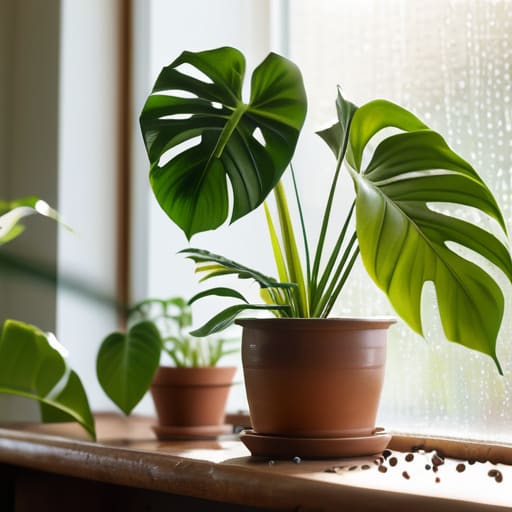
As we wrap up our initial study, I want you to look back at the variables we’ve discussed. Just as a baker must account for the precise hydration of a dough or the ambient temperature of a kitchen, a plant parent must master the delicate balance of light availability and soil chemistry. We have learned that selecting the right species for your specific light levels is the first step in preventing biological failure, and that providing the correct drainage is the non-negotiable foundation for root health. Remember, if you treat your indoor garden like a series of controlled scientific experiments rather than a chore, you will quickly begin to see the patterns. When you understand the underlying mechanics of how your plants consume light and water, you stop guessing and start observing.
Please, do not be discouraged if a leaf yellows or a stem wilts; in my classroom, we call that a “data point,” not a failure. Even the most seasoned botanists have lost a specimen to a miscalculation in humidity or nitrogen levels. The goal isn’t perfection, but rather the development of your intuitive understanding of these living systems. Every wilted leaf is simply an invitation to revisit your methodology and adjust your variables. Take heart, keep your measurements precise, and most importantly, trust the process. You aren’t just decorating a room; you are cultivating a thriving, breathing ecosystem, one scientific breakthrough at a time.