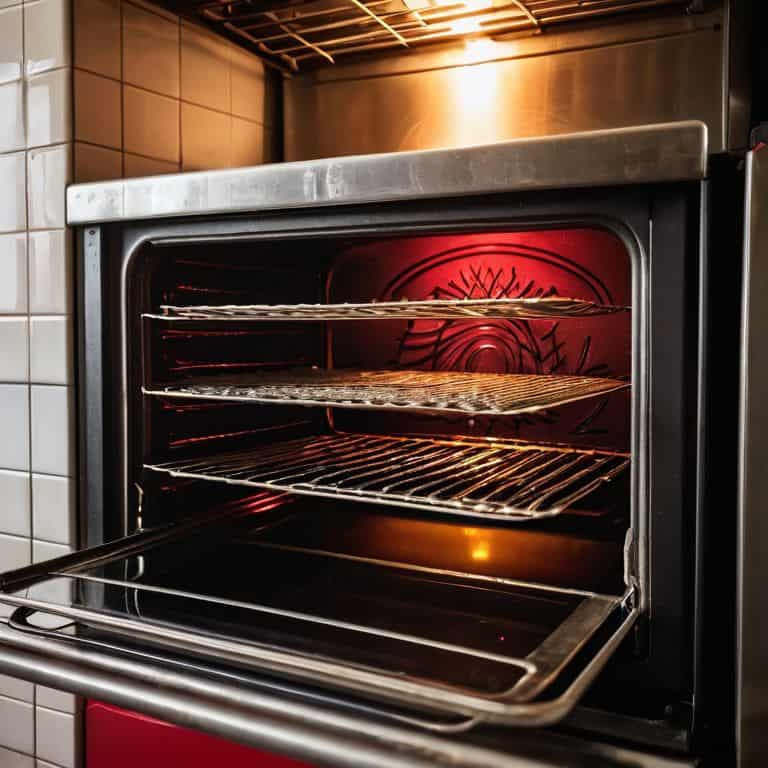
I still remember the day I realized that my oven was lying to me – the temperature dial was off by a whopping 25 degrees. It was a game-changer for my baking, and it’s a mistake I see many home cooks make. That’s why I’m excited to share my expertise on a guide to using an oven thermometer, a simple tool that can make all the difference in your kitchen. As someone who’s spent years perfecting the art of laminating croissants, I can attest to the importance of precision temperature control.
In this article, I’ll cut through the noise and give you practical advice on how to use an oven thermometer to achieve perfect results every time. You’ll learn how to choose the right thermometer for your needs, how to calibrate it for accuracy, and how to use it to troubleshoot common baking problems. My goal is to empower you with the knowledge to take control of your oven and produce consistent, high-quality results. By the end of this guide, you’ll be well on your way to becoming a confident baker, capable of producing delicious treats that will impress even the most discerning palates.
Table of Contents
Guide Overview: What You'll Need
Total Time: 15 minutes
Estimated Cost: $5 – $10
Difficulty Level: Easy
Tools Required
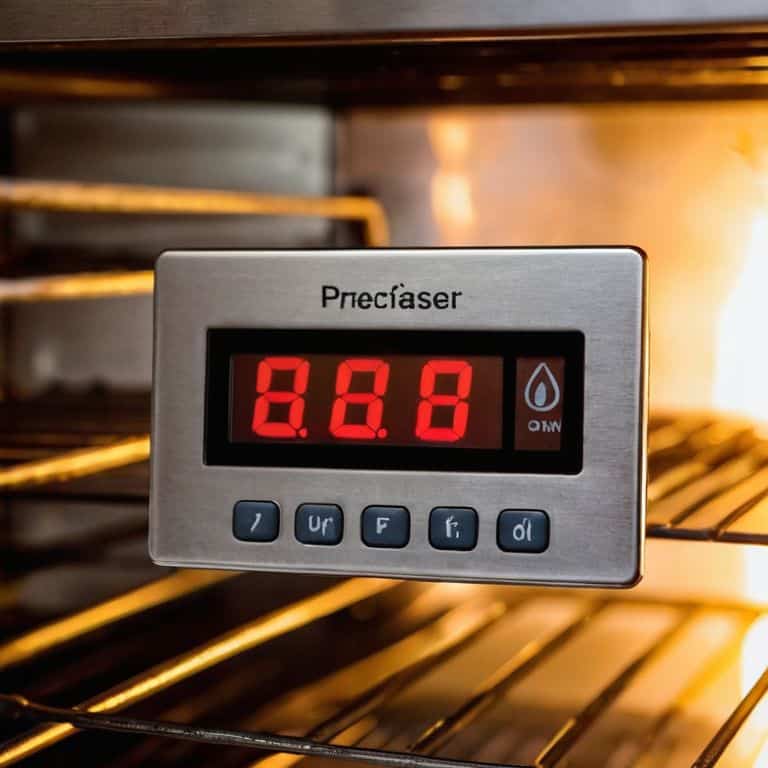
- Oven Thermometer (available at most kitchen supply stores)
- Oven (preheated to a test temperature)
Step-by-Step Instructions
- 1. First, let’s start with the basics: calibrating your oven thermometer is crucial to ensure accuracy. To do this, fill a pot with water, place the thermometer in it, and bring the water to a boil. Once boiling, the thermometer should read 212°F (100°C) at sea level. If it doesn’t, you’ll need to adjust it according to the manufacturer’s instructions.
- 2. Next, positioning the thermometer in your oven is key. Place it in the center of the middle rack, away from walls and any heating elements. This will give you the most accurate reading of your oven’s temperature. Make sure it’s not touching any surfaces, as this can affect the reading.
- 3. Now, preheat your oven to the desired temperature, and let it heat up for at least 10-15 minutes. This allows the oven to reach a stable temperature, ensuring your thermometer gets an accurate reading. While waiting, double-check that your thermometer is still properly positioned.
- 4. Once your oven is preheated, take a temperature reading using your thermometer. Wait for about 1-2 minutes for the temperature to stabilize, then take note of the reading. If it matches your oven’s display, that’s great. If not, you may need to adjust your oven’s temperature or the thermometer itself.
- 5. To get the most out of your oven thermometer, regularly check and adjust your oven’s temperature. Over time, ovens can drift out of calibration, affecting the quality of your baked goods. By regularly checking the temperature with your thermometer, you can ensure your oven stays accurate and your baking results remain consistent.
- 6. For those who bake frequently, investing in a high-quality thermometer is worth considering. These thermometers often come with additional features such as faster response times, higher accuracy, and durability. While they may be more expensive, they provide reliable service over a longer period, making them a valuable investment for serious bakers.
- 7. Finally, maintaining your thermometer is essential for its longevity and accuracy. Clean it regularly according to the manufacturer’s instructions, and store it in a safe place to avoid damage. By taking care of your thermometer, you can ensure it continues to provide accurate readings for all your baking needs.
A Guide to Using an Oven Thermometer
As I delve deeper into the world of oven thermometers, I’ve come to realize the importance of accurate oven temperature. It’s astonishing how a slight deviation in temperature can affect the outcome of your baked goods. To ensure you’re getting the best results, it’s essential to invest in a high-quality oven thermometer. When choosing the right one, consider the type of cooking you’ll be doing most often and the level of precision you need.
In my experience, reducing hot spots in the oven is crucial for even cooking. To achieve this, it’s vital to place your oven thermometer in the correct position. I recommend consulting an oven thermometer placement guide to ensure you’re getting accurate readings. By doing so, you’ll be able to identify any hot spots and adjust your cooking technique accordingly.
By following these tips and using your oven thermometer correctly, you’ll be well on your way to achieving perfectly cooked meals every time. Remember, common oven thermometer mistakes can be avoided by simply taking the time to calibrate your oven temperature and choosing the right thermometer for your needs. With a little practice and patience, you’ll be a pro at using your oven thermometer in no time.
Choosing the Right Oven Thermometer Matters
When it comes to selecting an oven thermometer, the options can be overwhelming. As someone who’s spent years perfecting their craft, I can attest that not all thermometers are created equal. A good oven thermometer should be accurate, durable, and easy to read. I’ve seen my fair share of subpar thermometers that can throw off entire recipes. That’s why I always recommend investing in a high-quality thermometer that can withstand the heat and provide consistent results.
In my experience, a reliable oven thermometer is an investment that pays for itself in the long run. It’s a crucial tool that can make all the difference in achieving perfectly cooked meals. By choosing the right thermometer, you’ll be able to trust the temperature readings and focus on refining your baking skills.
Oven Temperature Calibration Explained
Oven temperature calibration is a crucial step in ensuring your oven thermometer is accurate. To calibrate, preheat your oven to a specific temperature, then insert the thermometer and wait for it to stabilize. Compare the reading to the actual oven temperature, and adjust as needed. This process may need to be repeated at different temperatures to guarantee accuracy.
I’ve found that calibration is essential for consistent baking results, especially when working with sensitive recipes like my beloved croissants. By taking the time to calibrate your oven thermometer, you’ll be able to trust the readings and achieve perfectly baked goods every time.
5 Essential Tips for Mastering Your Oven Thermometer
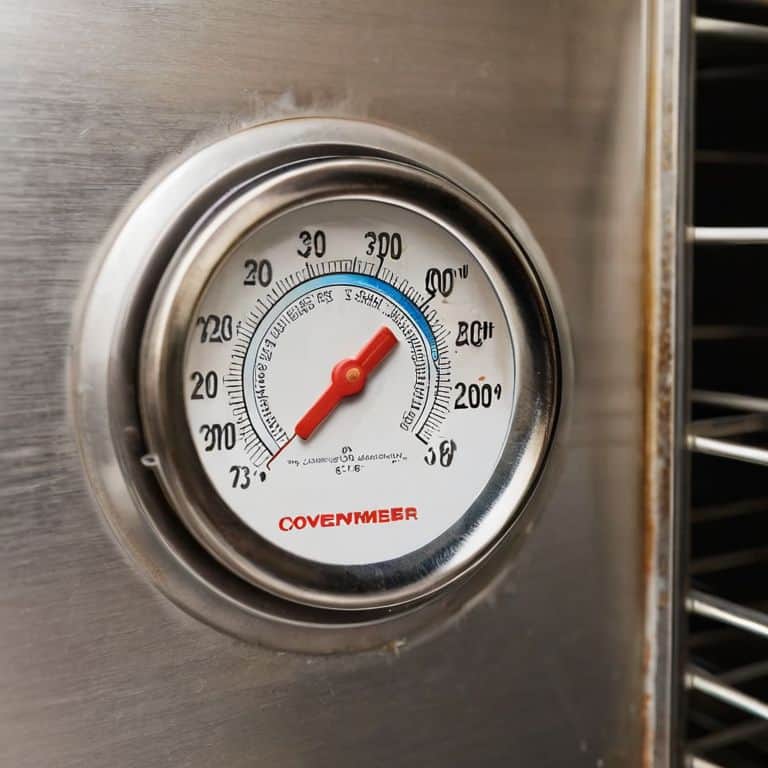
- Calibrate Your Oven Temperature Regularly to Ensure Accuracy
- Invest in a High-Quality Oven Thermometer That Can Withstand High Temperatures
- Place Your Oven Thermometer in the Center of the Middle Rack for Optimal Readings
- Use the Oven Thermometer in Conjunction with Your Oven’s Built-in Thermometer for Double Verification
- Clean and Maintain Your Oven Thermometer Regularly to Prevent Drift and Ensure Consistent Results
Key Takeaways for Mastering Oven Thermometer Use
Investing in a high-quality oven thermometer is crucial for achieving consistent and accurate cooking results, and it’s essential to choose one that suits your specific baking needs
Calibrating your oven temperature is a straightforward process that ensures your oven thermometer is providing accurate readings, which is vital for perfecting recipes like my signature croissants
By following the step-by-step guide and choosing the right oven thermometer, home bakers can elevate their cooking skills, reduce guesswork, and produce professional-quality dishes with confidence, just like I do in my own kitchen
The Key to Consistency
A good oven thermometer is not just a tool, it’s a guardian of consistency, a sentinel that stands watch over your oven’s temperature, ensuring that every dish that emerges is a testament to your skill, not a gamble with fate.
David Grant
Conclusion: The Key to Perfectly Cooked Meals
In conclusion, using an oven thermometer is a game-changer for any serious home cook. By following the step-by-step instructions outlined in this guide, you’ll be well on your way to perfectly cooked meals every time. From oven temperature calibration to choosing the right thermometer, it’s all about attention to detail. By taking the time to understand and implement these simple yet effective techniques, you’ll be able to achieve consistent results that will impress even the most discerning palates. Whether you’re a seasoned pro or just starting out, an oven thermometer is an essential tool that will help you take your cooking to the next level.
As you continue on your culinary journey, remember that precise temperature control is the key to unlocking a world of flavors and textures. By embracing the simple yet powerful technique of using an oven thermometer, you’ll be able to elevate your cooking and create dishes that are truly exceptional. So don’t be afraid to experiment, try new things, and push the boundaries of what’s possible in the kitchen. With an oven thermometer by your side, you’ll be unstoppable, and the possibilities will be endless. Happy cooking!
Frequently Asked Questions
What are the most common types of oven thermometers and which one is best for my oven?
When it comes to oven thermometers, you’ve got a few options: dial, digital, and wireless. I’ve tested them all, and for most home ovens, a digital thermometer is the way to go – accurate, easy to read, and affordable.
How often should I calibrate my oven thermometer to ensure accurate temperature readings?
I calibrate my oven thermometer every 3-6 months, depending on usage. For heavy use, like in my test kitchen days, I’d check it monthly. Now, for home baking, quarterly checks suffice. It’s a simple process: just submerge the probe in boiling water and adjust the reading to 212°F. Trust me, it’s worth the effort for precise temperature control.
Can I use an oven thermometer to measure temperature in other cooking appliances, such as slow cookers or air fryers?
While an oven thermometer can provide accurate temperature readings, I wouldn’t recommend using it in slow cookers or air fryers. These appliances have unique heating elements and environments that may not be compatible with a standard oven thermometer. For best results, use a thermometer specifically designed for each appliance to ensure accurate temperature control.