I still remember the days when I was a novice baker, struggling to understand the nuances of flour. I’d often find myself wondering, what’s the big deal about bread flour vs all-purpose flour? Can’t I just use one type for all my baking needs? The answer, I soon discovered, is a resounding no. A guide to bread flour vs all-purpose flour is essential for any serious baker, as it can make all the difference in the texture, flavor, and overall quality of your baked goods. I recall one particularly disastrous loaf of bread that I made using the wrong type of flour – it was dense, heavy, and utterly disappointing.
As a seasoned baking consultant, I’m here to share my expertise with you, and provide a no-nonsense guide to help you navigate the world of flour. In this article, I’ll cut through the marketing fluff and give you the lowdown on bread flour vs all-purpose flour, including their differences, uses, and benefits. You’ll learn how to choose the right type of flour for your specific baking needs, and how to use it to create delicious, high-quality bread, cakes, and pastries. By the end of this guide to bread flour vs all-purpose flour, you’ll be equipped with the knowledge and confidence to take your baking to the next level, and create mouth-watering treats that will impress even the most discerning palates.
Table of Contents
Guide Overview: What You'll Need
Total Time: 30 minutes to 1 hour
Estimated Cost: $5 – $10
Difficulty Level: Easy
Tools Required
- Measuring Cups for accurate flour measurement
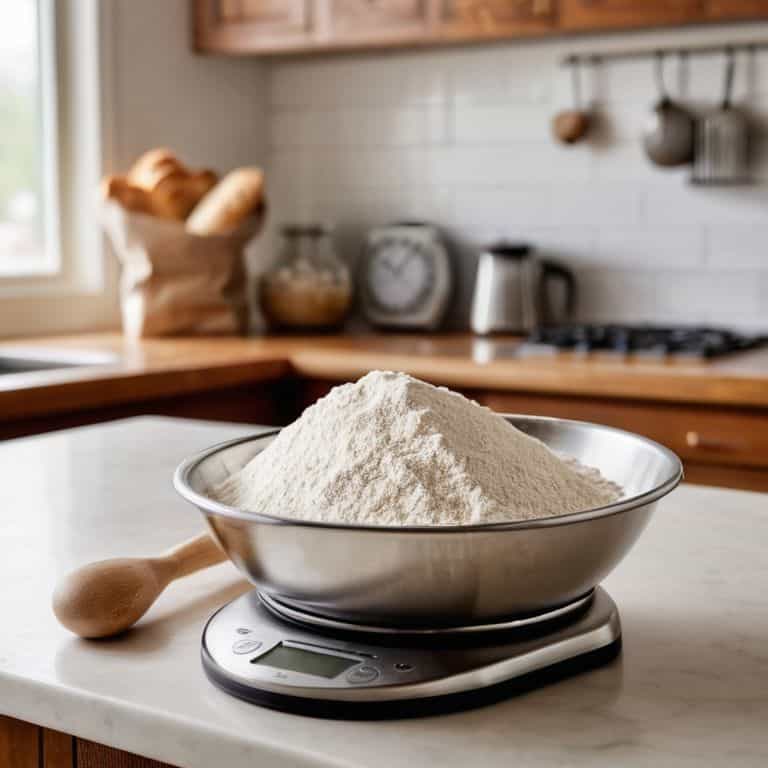
- Digital Scale for precise weight measurement
Supplies & Materials
- Bread Flour for comparison purposes
- All-Purpose Flour for comparison purposes
- Recipe Book with various flour-based recipes
Step-by-Step Instructions
- 1. First, let’s start by understanding the fundamental differences between bread flour and all-purpose flour, as this will be the foundation of our decision-making process. Bread flour has a higher protein content, typically between 12-14%, which is essential for creating a strong gluten network that gives bread its chewy texture and structure. On the other hand, all-purpose flour has a lower protein content, usually around 10-12%, making it more versatile for a variety of baked goods.
- 2. Next, we need to consider the type of bread we want to make, as this will greatly influence our choice of flour. If we’re aiming to make a classic, crusty loaf, we’ll want to opt for bread flour to achieve that perfect balance of crunch and chew. However, if we’re looking to make something like focaccia or flatbread, all-purpose flour might be a better choice due to its lower protein content and more delicate texture.
- 3. Now, let’s talk about the importance of protein content in our flour, as it plays a crucial role in determining the final texture of our bread. A higher protein content means a stronger gluten network, which is ideal for breads that require a lot of rise and structure, such as sourdough or ciabatta. On the other hand, a lower protein content is better suited for more delicate breads like croissants or muffins.
- 4. Moving on to the practical aspect, we need to understand how to handle and store our flour to maintain its quality and freshness. It’s essential to store flour in an airtight container in a cool, dry place to prevent it from absorbing moisture and becoming stale. We should also make sure to sift our flour before using it to remove any lumps and ensure even distribution of ingredients.
- 5. Once we’ve chosen our flour, it’s time to think about the hydration level of our dough, as this will affect the final texture and consistency of our bread. A higher hydration level means a more open crumb and a softer texture, while a lower hydration level results in a denser, chewier bread. We need to find the perfect balance of hydration and flour type to achieve our desired outcome.
- 6. Now, let’s get our hands dirty and start mixing and kneading our dough. This is where the magic happens, and our flour choice really comes into play. We need to pay attention to how the dough feels and looks, adjusting our technique and ingredients as needed to achieve the perfect consistency and texture. This is where experience and practice come into play, so don’t be discouraged if it takes a few tries to get it just right.
- 7. Finally, it’s time to bake our bread and see the fruits of our labor. This is the moment of truth, where all our choices and efforts come together to create a delicious, crusty loaf. We need to pay attention to the baking time and temperature, as well as the oven’s temperature accuracy, to ensure our bread is cooked to perfection. With practice and patience, we’ll be able to create a variety of delicious breads using both bread flour and all-purpose flour, each with its unique characteristics and textures.
A Guide to Bread Flour
When working with bread flour, it’s essential to understand its unique characteristics. With a higher protein percentage compared to all-purpose flour, bread flour is ideal for creating chewy, crusty breads. However, this also means it can be more challenging to work with, especially for beginners. To overcome this, I recommend starting with a simple recipe and gradually experimenting with more complex formulations.
In certain situations, you may need to consider bread flour substitution options. While all-purpose flour can be used as a substitute in a pinch, it’s crucial to note that the resulting bread may have a slightly different texture and flavor profile. If you’re looking for a more suitable substitute, cake flour vs bread flour is an important distinction to make. Cake flour has a lower protein percentage, making it less suitable for bread making, but it can be used in combination with other flours to achieve the desired protein level.
For those interested in exploring alternative flour types, pastry flour uses are worth investigating. Pastry flour has a lower protein percentage than bread flour, making it suitable for delicate pastries and cakes. Additionally, gluten free flour alternatives are becoming increasingly popular, offering a viable option for those with dietary restrictions. By understanding the different flour types for baking, you can expand your repertoire and create a wide range of delicious treats.
All Purpose Flour Protein Percentage Matters
When it comes to all-purpose flour, the protein percentage plays a crucial role in determining its suitability for various baking tasks. Generally, all-purpose flour has a protein content ranging from 10% to 12%, which is lower than bread flour. This lower protein content means that all-purpose flour will produce less gluten, resulting in a more tender crumb. However, this also means that it may not provide enough structure for breads that require a strong rise.
In my experience, a higher protein percentage in all-purpose flour can be beneficial for certain types of baking, such as bread making or pizza dough. However, for more delicate pastries or cakes, a lower protein percentage may be preferable. As someone who’s tested numerous flours, I can attest that understanding the protein percentage of your all-purpose flour is key to achieving the desired texture and consistency in your baked goods.
Uncovering Bread Flour Substitution Secrets
When working with bread flour, I’ve found that substitution can be a bit tricky. While it’s possible to substitute all-purpose flour in a pinch, the results may vary. To get the best outcome, I recommend using a combination of all-purpose flour and vital wheat gluten. This will help to mimic the higher protein content of bread flour. In my test kitchen, I’ve experimented with various ratios, and I’ve found that adding 1-2% vital wheat gluten to all-purpose flour can produce satisfactory results.
Through rigorous testing, I’ve compiled a spreadsheet outlining the best substitution ratios for different types of recipes. By referring to this data, home bakers can make informed decisions when substituting bread flour, ensuring their baked goods turn out light and flavorful.
5 Essential Tips to Master the Bread Flour vs All-Purpose Flour Debate
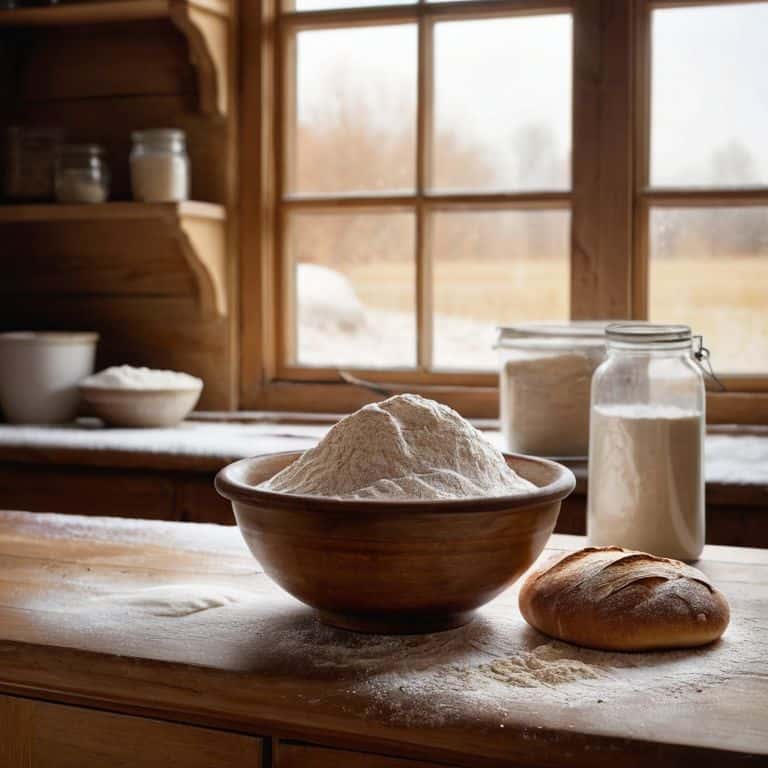
- Understand the protein percentage: Recognize that bread flour typically has a higher protein content (12-14%) than all-purpose flour (10-12%), which affects gluten formation and dough structure.
- Know your recipe’s requirements: Determine if your recipe needs the chew and rise that bread flour provides or the lighter texture that all-purpose flour can offer.
- Experiment with substitution ratios: When substituting all-purpose flour for bread flour, consider adding vital wheat gluten to compensate for the protein difference, but be cautious of overdoing it.
- Consider the type of bread: For delicate breads like ciabatta or focaccia, all-purpose flour might be preferred, while heartier breads like baguettes or sourdough may benefit from bread flour’s higher protein content.
- Keep a flour journal: Track your experiments with different flours and note the outcomes to develop a personal understanding of how bread flour and all-purpose flour perform in your recipes and environment.
Key Takeaways for Choosing the Right Flour
Understanding the difference between bread flour and all-purpose flour is crucial for achieving the desired texture and structure in your baked goods
Protein percentage plays a significant role in determining the suitability of flour for various recipes, with bread flour typically having a higher protein content than all-purpose flour
By mastering the art of flour selection and substitution, home bakers can elevate their skills and create a wide range of delicious treats, from crusty breads to delicate pastries
The Flour Truth
When it comes to choosing between bread flour and all-purpose flour, the decision isn’t just about the type of flour, it’s about the type of baker you want to be – one who settles for decent or one who strives for exceptional.
David Grant
Conclusion: Choosing the Right Flour for Your Baking Needs
In conclusion, our guide to bread flour vs all-purpose flour has covered the essential differences between these two fundamental ingredients. We’ve delved into the world of bread flour, exploring its higher protein content and the impact this has on the structure and rise of bread. We’ve also discussed the importance of understanding the protein percentage in all-purpose flour, and how this can affect the final product. By grasping these concepts, you’ll be better equipped to make informed decisions about which type of flour to use in your baking, whether you’re aiming to create a delicate pastry or a hearty loaf of bread. Remember, the key to success lies in understanding the unique characteristics of each flour type and applying this knowledge to your recipes.
As you continue on your baking journey, don’t be afraid to experiment and push the boundaries of what’s possible with bread flour and all-purpose flour. Whether you’re a seasoned pro or just starting out, the art of baking is all about refinement and exploration. By mastering the fundamentals of flour selection, you’ll be well on your way to creating truly exceptional baked goods that will impress and delight. So go ahead, get creative, and see where your newfound understanding of bread flour and all-purpose flour takes you – the possibilities are endless, and the reward is well worth the effort.
Frequently Asked Questions
Can I use all-purpose flour as a substitute for bread flour in recipes, and if so, what are the potential consequences for the final product?
While you can substitute all-purpose flour for bread flour, keep in mind that the lower protein content will affect texture and structure. Your loaves may be denser and less chewy, with a potentially weaker crumb. It’s not ideal, but it’s doable in a pinch – just be aware of the trade-offs.
How does the protein percentage in all-purpose flour affect its performance in bread baking, and are there any specific types of all-purpose flour that are better suited for bread making?
When it comes to all-purpose flour, protein percentage is crucial for bread baking. Look for flours with a higher protein content, around 12-13%, as they’ll produce a better gluten structure. I swear by King Arthur’s all-purpose flour for its consistent performance in bread making, thanks to its 12.7% protein content.
What are some common mistakes to avoid when switching between bread flour and all-purpose flour in recipes, and how can I ensure a smooth transition between the two types of flour?
When switching between bread flour and all-purpose flour, a common mistake is not adjusting the liquid content. Bread flour absorbs more liquid, so reduce the amount when substituting. Conversely, all-purpose flour requires more liquid. Monitor your dough’s consistency and adjust accordingly to ensure a smooth transition.