I still remember the first time I had to choose the right baking pan for a recipe – it was a daunting task, to say the least. As a young baker, I thought it was all about picking a pan that looked nice, but boy, was I wrong! The truth is, selecting the right baking pan is not just about aesthetics; it’s about understanding the science behind how your baked goods will turn out. When it comes to how to choose the right baking pan, many of us fall into the trap of thinking that any old pan will do, but trust me, that’s a recipe for disaster.
In this article, I’ll share my expertise on how to choose the right baking pan, and I promise you, it’s not just about following a set of rigid rules. You’ll learn the ins and outs of pan selection, from the importance of material and size to the role of non-stick coatings and handles. By the end of this guide, you’ll be equipped with the knowledge to make informed decisions and take your baking to the next level. Whether you’re a beginner or a seasoned pro, I’ll provide you with practical advice and real-world examples to help you navigate the world of baking pans with confidence.
Table of Contents
Guide Overview: What You'll Need
Total Time: 30 minutes to 1 hour
Estimated Cost: $10 – $50
Difficulty Level: Easy
Tools Required
- Measuring Tape (for measuring ingredients and pan sizes)
- Calculator (for calculating pan dimensions)
Supplies & Materials
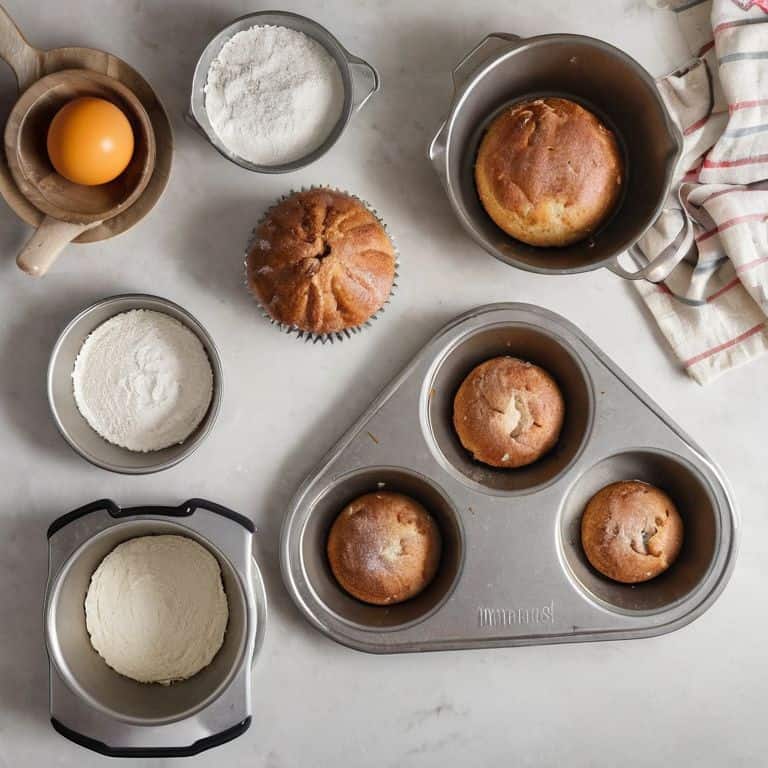
- Baking Pans various sizes and materials (e.g., round, square, rectangular)
- Recipe Book (for reference and guidance)
Step-by-Step Instructions
- 1. First, let’s get started by understanding that choosing the right baking pan is not just about grabbing any old pan from your cabinet. It’s about selecting a pan that will help you achieve the perfect bake, every time. Consider the type of recipe you’re using and the desired outcome – are you making a delicate cake or a hearty bread?
- 2. Next, think about the material of your baking pan. Different materials conduct heat differently, and this can affect the final result of your bake. For example, a dark-colored pan will absorb more heat than a light-colored one, which can be beneficial for certain types of baked goods. Consider whether you need a pan made from aluminum, stainless steel, or non-stick coated steel.
- 3. Now, let’s talk about size. The size of your baking pan is crucial, as it can affect the texture and structure of your final product. A pan that’s too small can cause your batter to overflow, while a pan that’s too large can result in a bake that’s too thin or unevenly cooked. To get it just right, make sure to measure your ingredients carefully and choose a pan that’s the right size for the job.
- 4. The shape of your baking pan is also important, especially when it comes to certain types of baked goods like cakes or breads. A round pan is perfect for making cakes or tortes, while a rectangular pan is better suited for making brownies or bars. Consider the shape of the final product you want to achieve and choose a pan that will help you get there.
- 5. In addition to size and shape, you’ll also want to consider the depth of your baking pan. A pan that’s too shallow can cause your batter to spread too much, while a pan that’s too deep can result in a bake that’s too dense or soggy. To get the right depth, make sure to check your recipe and choose a pan that’s specifically designed for the type of bake you’re making.
- 6. Another important factor to consider is the non-stick coating of your baking pan. A non-stick coating can make it easier to remove your baked goods from the pan, but it can also affect the texture and structure of the final product. If you’re making a delicate cake or pastry, a non-stick coated pan can be a good choice, but if you’re making a heartier bread or cake, a pan without a non-stick coating may be better.
- 7. Finally, let’s talk about maintenance and care of your baking pans. To ensure that your pans last for a long time and continue to perform well, make sure to clean them regularly and avoid using abrasive cleaners or scourers. With proper care and maintenance, your baking pans will continue to help you achieve perfect bakes for years to come.
Choosing the Right Pan
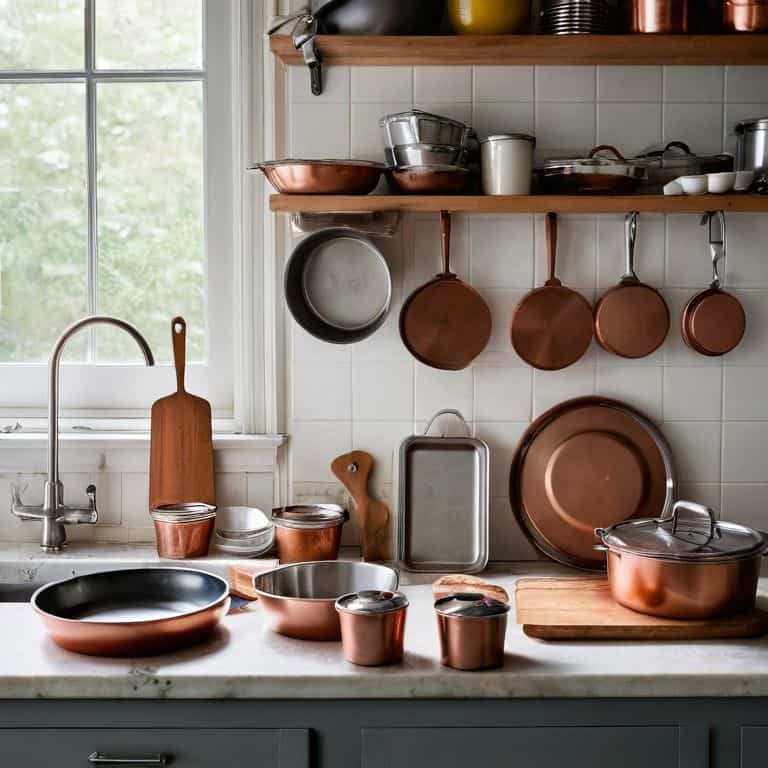
When it comes to selecting the perfect pan, material matters. A non-stick baking pan, for instance, offers several advantages, including effortless food release and easy cleaning. However, it’s essential to consider the type of baking you’ll be doing most often. If you’re a frequent cake baker, a cake pan size chart can be a valuable resource to ensure you’re using the right size pan for the job.
In addition to considering the material, it’s also important to think about the baking pan care and maintenance required to keep your pans in good condition. Some materials, like metal, require more maintenance than others, such as glass or silicone. Silicone baking mats benefits, on the other hand, include flexibility and ease of use, making them a great option for delicate baked goods.
Ultimately, the key to choosing the right pan is to consider your specific baking needs and preferences. By weighing the pros and cons of different materials, such as metal vs glass baking dishes, you can make an informed decision that will help you achieve baking success.
Metal vs Glass Material Matters
When it comes to baking pans, the material can significantly impact the outcome. Metal pans, such as aluminum or stainless steel, are excellent conductors of heat, allowing for even baking and a nice crust formation. On the other hand, glass pans, like Pyrex, can cause baked goods to cook more slowly and potentially become overcooked on the edges. I always tell my students to consider the type of recipe they’re working with – metal pans are ideal for breads and roasted vegetables, while glass pans are better suited for delicate desserts like flans or custards.
In my experience, metal pans are generally more versatile and forgiving, but glass pans can add a touch of elegance to your baked goods. By understanding the strengths and weaknesses of each material, you can make informed decisions and choose the perfect pan for your next baking experiment.
Non Stick Advantages Explained
When it comes to non-stick pans, the advantages are plentiful. Not only do they prevent delicate baked goods from sticking and breaking, but they also make the post-bake cleanup a breeze. I’ve seen many a novice baker struggle with stubbornly stuck cakes, only to have them break apart when trying to remove them from the pan. With a non-stick pan, this risk is greatly minimized, allowing you to focus on perfecting your recipe rather than worrying about the aftermath.
The science behind non-stick pans lies in their coating, which creates a barrier between the pan and the baked goods. This coating reduces the formation of strong bonds between the food and the pan, making it easier to remove your creations once they’re done. As someone who’s spent years developing gluten-free recipes, I can attest to the importance of a good non-stick pan in preventing frustrating sticking incidents.
Pan-demonium: 5 Essential Tips to Guide Your Baking Pan Selection
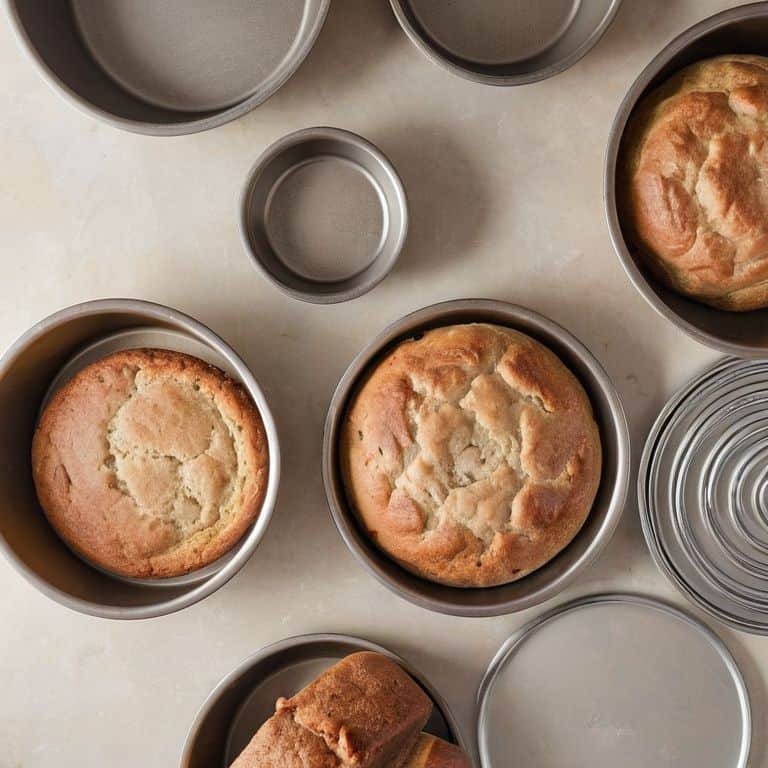
- Consider the recipe: Before selecting a baking pan, ensure you understand the recipe’s specific requirements, including the type of pan, size, and material
- Measure up: Take the time to measure your oven and storage space to ensure the pan you choose fits comfortably, allowing for easy handling and storage
- Non-stick or not: Weigh the advantages and disadvantages of non-stick coatings, considering factors such as ease of release, durability, and maintenance
- Material matters: Think about the type of material that suits your baking needs, whether it’s metal, glass, or ceramic, and how it will affect the final product
- Test and troubleshoot: Don’t be afraid to experiment with different pans and recipes, and be prepared to troubleshoot any issues that arise, using your knowledge of baking science to adjust and improve
Key Takeaways for Choosing the Perfect Baking Pan
Always consider the type of recipe you’re working with to determine the ideal pan size and material, as this will significantly impact the final result
Non-stick pans offer numerous advantages, including easy food release and simplified cleaning, but may not be the best choice for all types of baked goods, such as those requiring a crispy crust
Understanding the differences between metal and glass pans, including heat conductivity and potential for reaction with acidic ingredients, is crucial for selecting the right pan for your baking needs and ensuring the best possible outcome
The Pan Principle
Selecting the right baking pan is not just about size, it’s about synergy – understanding how the material, shape, and finish of your pan will harmonize with your recipe to produce a culinary masterpiece.
Beatrice Quinn
Conclusion: Baking to Perfection
As we’ve explored the world of baking pans, it’s clear that choosing the right pan is just the beginning. From understanding the non-stick advantages to debating metal vs glass, each decision brings us closer to baking perfection. By considering the type of bake, the material of the pan, and the size and shape needed, we empower ourselves with the knowledge to select the perfect pan for any recipe. This foundational understanding is what sets a good baker apart from a great one, and it’s a skill that can be developed with practice and patience.
So, the next time you’re about to start a new baking project, remember that the science of baking is on your side. With a deep understanding of how to choose the right baking pan and a dash of culinary creativity, you’ll be well on your way to creating baked goods that are not only delicious but also visually stunning. Don’t be afraid to experiment and innovate – after all, that’s where the magic happens, and the possibilities are endless.
Frequently Asked Questions
What are the key factors to consider when selecting a baking pan for a specific recipe?
When selecting a baking pan, consider the recipe’s specific needs: size, material, and non-stick requirements. Think about the type of batter or dough, as well as the desired crust texture and browning. These factors will help you choose the perfect pan for your next baking experiment.
How do I determine the ideal size of a baking pan for a particular type of cake or dessert?
To determine the ideal pan size, consider the recipe’s volume and desired shape. A general rule of thumb is to use a pan that’s 2-3 inches deeper than the batter’s height. For example, a standard cake recipe usually requires an 8-10 inch round pan. Always check the recipe for specific guidance, as pan size can affect baking time and texture.
Are there any specific safety precautions I should take when using a non-stick baking pan to prevent damage or health risks?
When using non-stick pans, avoid extreme temperatures and metal utensils, as they can damage the coating. Also, never heat an empty non-stick pan, and avoid using abrasive cleaners or scourers, which can release harmful fumes. By following these simple guidelines, you’ll ensure safe and healthy baking with your non-stick pans.