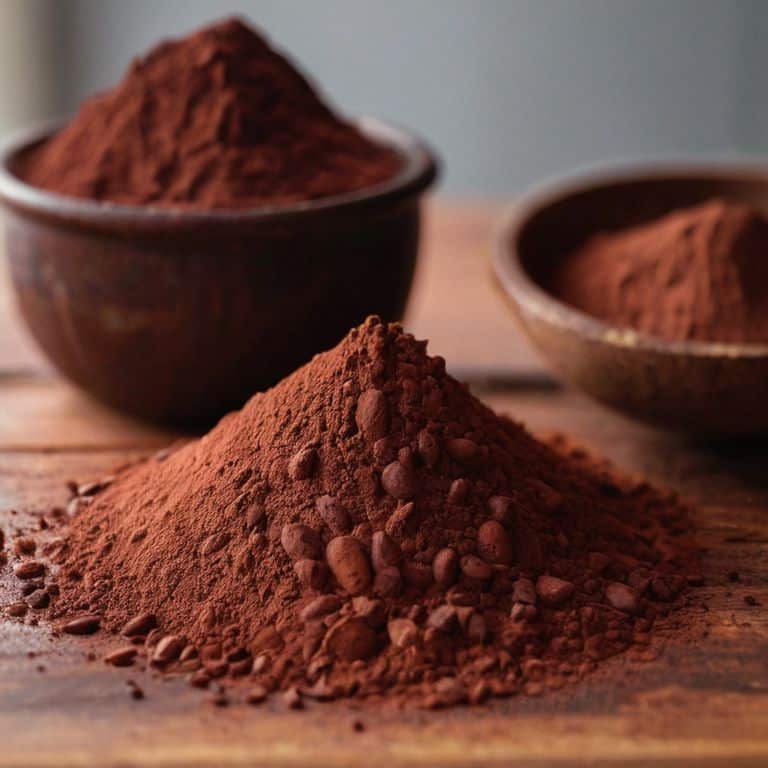
I still remember the first time I encountered the difference between Dutch processed and natural cocoa in my baking class. A student had asked why their cake turned out so differently when they used Dutch processed cocoa instead of natural cocoa. As I began to explain the science behind it, I realized that many of my students were under the impression that the type of cocoa used was just a matter of personal preference. But the truth is, it’s not just about taste, it’s about the chemical reaction that happens when you choose one over the other.
As a Certified Master Baker with 20 years of experience, I’m here to give you the no-nonsense truth about the difference between Dutch processed and natural cocoa. In this article, I’ll break down the science behind these two types of cocoa, and provide you with practical advice on how to choose the right one for your baking needs. Whether you’re a seasoned baker or just starting out, my goal is to empower you with the knowledge you need to make informed decisions in the kitchen, and to help you achieve consistent, delicious results. So, let’s dive in and explore the world of cocoa, shall we?
Table of Contents
Cracking Cocoa Codes
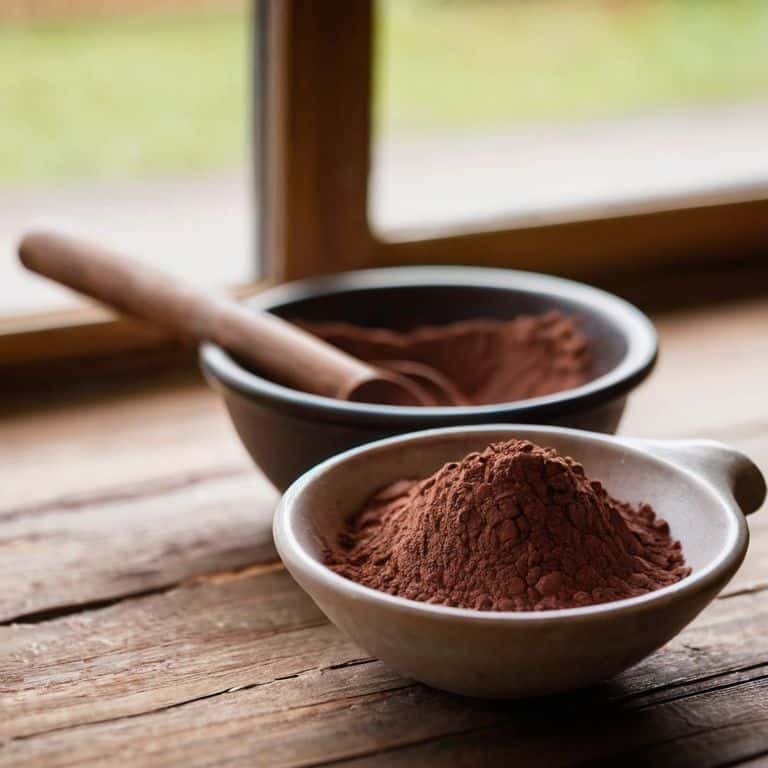
As we delve into the world of cocoa, it’s essential to understand the chemical reactions that occur when using Dutch processed versus natural cocoa. One key aspect to consider is the acidity level of the cocoa, which can affect the overall flavor profile of your baked goods. Dutch processed cocoa, for instance, has a milder flavor due to its lower acidity level, making it ideal for recipes where a subtle cocoa flavor is desired.
When baking with Dutch processed cocoa, it’s crucial to note that it doesn’t react with baking soda in the same way natural cocoa does. This means that recipes using Dutch processed cocoa often require adjustments in leavening agents to achieve the right texture. On the other hand, natural cocoa benefits from its higher acidity level, which allows it to react with baking soda and produce a lighter, fluffier texture.
In recipes where a deeper, richer flavor is desired, Dutch processed cocoa is often the better choice. However, for those looking for cocoa powder substitutes, natural cocoa can be a great alternative. Understanding the unique characteristics of each type of cocoa is key to unlocking their full potential in baking. By recognizing the distinct cocoa flavor profiles, you can make informed decisions about which type to use in your recipes, ensuring the best possible outcome.
Natural Cocoa Benefits Revealed
When working with natural cocoa, I’ve found that it offers a unique set of benefits that can elevate the flavor and texture of our baked goods. The flavor profile of natural cocoa is often described as more acidic and fruity, which can add a lovely depth to our recipes. This is due to the fact that natural cocoa hasn’t undergone the alkalization process, allowing it to retain more of its natural compounds.
In contrast to Dutch processed cocoa, natural cocoa tends to produce a more intense color in our final products. This is because the natural acidity of the cocoa helps to react with the other ingredients, resulting in a richer, more vibrant hue. By understanding and harnessing the properties of natural cocoa, we can create a wide range of delicious treats that showcase its unique characteristics.
Unlocking Dutch Processed Secrets
When working with Dutch processed cocoa, it’s essential to understand the alkalization process that sets it apart from natural cocoa. This treatment changes the pH level of the cocoa, giving it a milder flavor and deeper color. As a result, Dutch processed cocoa is often used in recipes where a intense chocolate flavor is desired.
To maximize flavor potential, Dutch processed cocoa should be paired with ingredients that complement its unique characteristics. For example, using Dutch processed cocoa in combination with brown sugar can create a rich, complex flavor profile that’s perfect for baked goods like cakes and cookies.
The Difference Explained
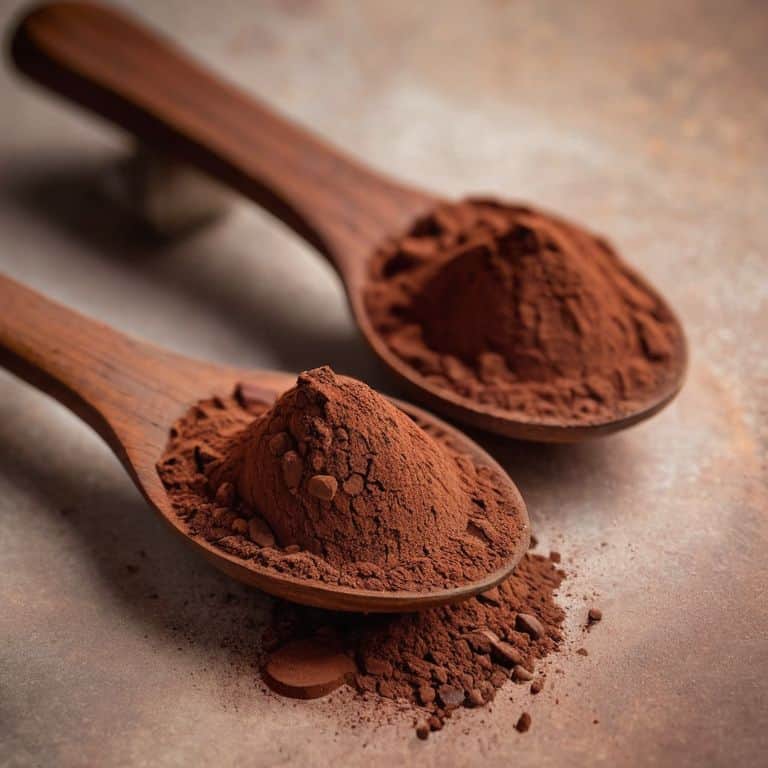
When it comes to cocoa flavor profiles, Dutch processed and natural cocoa powders exhibit distinct characteristics. Dutch processed cocoa, for example, has a milder, sweeter taste due to the neutralization of its natural acidity. This makes it ideal for recipes where a subtle cocoa flavor is desired. On the other hand, natural cocoa powder retains its acidic properties, resulting in a more intense, fruity flavor.
In terms of baking with Dutch processed cocoa, it’s essential to consider the recipe’s overall pH level. Dutch processed cocoa can affect the chemical reaction between ingredients, leading to a different texture and flavor profile compared to using natural cocoa. When substituting one type of cocoa for the other, it’s crucial to adjust the recipe accordingly to achieve the desired outcome. Cocoa powder substitutes can also be used, but their flavor and acidity levels may vary, impacting the final result.
The cocoa acidity levels play a significant role in determining the type of cocoa powder to use in a recipe. Natural cocoa benefits from its acidic properties, which help to react with baking soda and create a lighter, fluffier texture. In contrast, Dutch processed cocoa requires additional leavening agents to achieve a similar texture. By understanding the science behind these two types of cocoa powders, bakers can make informed decisions and choose the best option for their recipes, ultimately leading to more consistent and delicious results.
Cocoa Acidity Levels Compared
When comparing Dutch processed and natural cocoa, it’s essential to consider the acidity levels present in each. Dutch processed cocoa, having undergone alkalization, has a significantly lower acidity level than its natural counterpart. This reduction in acidity affects the overall flavor profile and reactivity of the cocoa in baked goods.
The pH level of cocoa powder is a critical factor in determining its suitability for various recipes. Natural cocoa, with its higher acidity, is often preferred in recipes where a lighter, more delicate flavor is desired, such as in certain types of cakes and cookies.
Dutch vs Natural in Recipes
When substituting Dutch processed cocoa for natural cocoa in recipes, it’s essential to consider the potential impact on the final product’s flavor and texture. This type of cocoa has a milder taste and a more neutral pH level, which can affect the overall character of the baked goods.
In contrast, using natural cocoa can add a more intense, fruity flavor to recipes, but it may also require adjustments to the amount of leavening agents used due to its higher acidity level.
Mastering the Art of Cocoa: 5 Essential Tips to Harness the Difference
- Always consider the type of recipe you’re using when deciding between Dutch processed and natural cocoa, as the acidity levels can affect the final product’s texture and flavor
- Understand that Dutch processed cocoa is ideal for recipes where a milder flavor is desired, such as in cakes and cookies, due to its reduced acidity
- Natural cocoa, on the other hand, is perfect for recipes that require a deeper, richer flavor, like brownies and muffins, thanks to its higher acidity level
- Be mindful of the leavening agents used in your recipe, as Dutch processed cocoa may require additional or adjusted leavening to balance its reduced acidity
- When substituting one type of cocoa for the other in a recipe, keep in mind that a 1:1 ratio may not always work, and adjustments to other ingredients, like sugar or leavening agents, may be necessary to achieve the desired outcome
Key Takeaways: Mastering Dutch Processed and Natural Cocoa
Dutch processed cocoa and natural cocoa have distinct differences in terms of their production processes, acidity levels, and usage in recipes, which can significantly impact the final flavor and texture of your baked goods
Understanding the chemical reactions that occur when using Dutch processed versus natural cocoa is crucial for achieving the desired outcome in your baking, and it’s essential to choose the right type of cocoa for your specific recipe
By recognizing the unique characteristics of each type of cocoa, you can unlock new flavors and textures in your baking, and with practice and experimentation, you’ll be able to confidently select the perfect cocoa for any recipe, taking your baking to the next level
The Essence of Cocoa
The choice between Dutch processed and natural cocoa is not just a matter of taste, but a deliberate decision that can alter the chemical harmony of your baked goods, making it a pivotal moment in the dance between ingredients and technique.
Beatrice Quinn
Conclusion: The Art and Science of Cocoa
As we’ve explored the differences between Dutch processed and natural cocoa, it’s clear that understanding the chemical reactions and acidity levels of each type is crucial for achieving the desired flavor and texture in your baked goods. From the neutral pH of Dutch processed cocoa to the higher acidity of natural cocoa, each has its own unique characteristics that can make or break a recipe. By grasping these fundamental concepts, you’ll be better equipped to choose the right cocoa for your creations and troubleshoot any issues that may arise.
As you continue on your baking journey, remember that the true magic happens when you combine science and experimentation with a dash of creativity. Don’t be afraid to try new recipes, test different cocoa types, and push the boundaries of what’s possible. With practice, patience, and a deep understanding of the cocoa basics, you’ll unlock a world of endless possibilities and create baked goods that are truly sublime. So go ahead, get baking, and let the cocoa conundrum become your catalyst for culinary innovation!
Frequently Asked Questions
How does the acidity level in Dutch processed cocoa affect the overall flavor and texture of baked goods compared to natural cocoa?
The acidity level in Dutch processed cocoa is significantly lower, which affects the overall flavor and texture of baked goods. With less acidity, Dutch processed cocoa tends to produce a milder, more mellow flavor and a denser texture, whereas natural cocoa’s higher acidity can result in a brighter, fruitier flavor and a lighter texture.
Can I substitute Dutch processed cocoa with natural cocoa in a recipe without affecting the final product's quality?
Not entirely, my friend. While you can substitute Dutch processed cocoa with natural cocoa, keep in mind that natural cocoa is more acidic. You may need to adjust the recipe’s leavening agents or add a pinch of baking soda to balance the pH levels and ensure the best results.
What role does the processing method of Dutch processed cocoa play in enhancing or diminishing its nutritional benefits compared to natural cocoa?
The processing method of Dutch processed cocoa reduces its nutritional benefits due to the alkalization process, which lowers the antioxidant content and flavonoid levels compared to natural cocoa, making natural cocoa a richer source of these beneficial compounds.