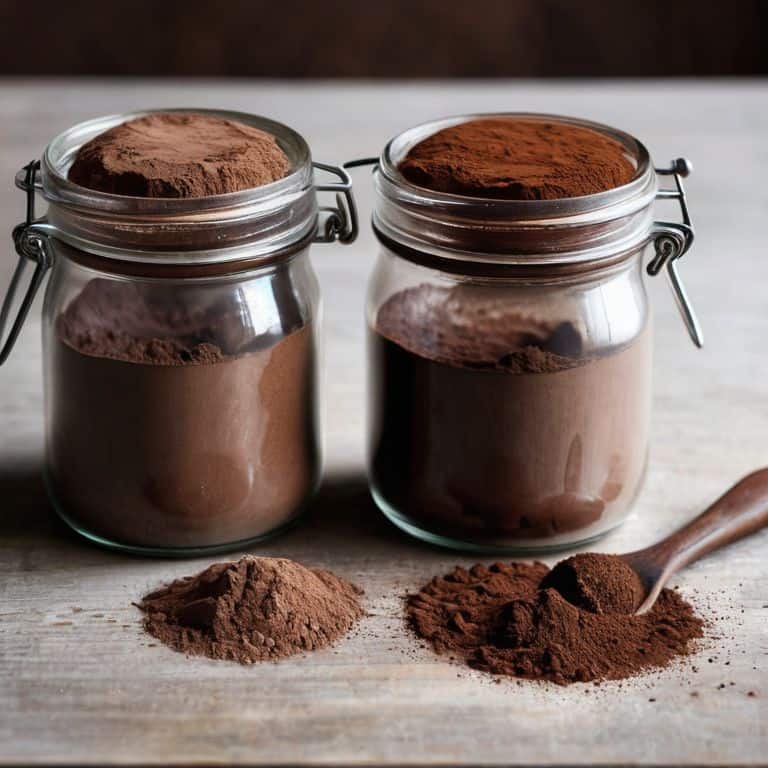
As a baking consultant, I’ve seen my fair share of home bakers struggling with the dutch-process vs natural cocoa powder dilemma. It’s a choice that can make or break the flavor and texture of your baked goods, and yet, many of us are left wondering which one to use and when. I’ve been there too, and I’ve lost count of how many times I’ve had to re-make a batch of cookies or cakes because I used the wrong type of cocoa powder. But over the years, I’ve developed a keen sense of what works and what doesn’t, and I’m excited to share my no-nonsense approach with you.
In this article, I’ll cut through the marketing fluff and give you a straightforward comparison of dutch-process and natural cocoa powder. I’ll share my personal experiences, as well as the results of my rigorous testing, to help you make an informed decision about which type of cocoa powder to use in your baking. My goal is to provide you with honest, data-driven advice that will help you achieve consistent results and take your baking to the next level. Whether you’re a seasoned baker or just starting out, I promise to give you the inside scoop on what really matters when it comes to choosing the right cocoa powder for your needs.
Table of Contents
Dutch-Process Cocoa Powder
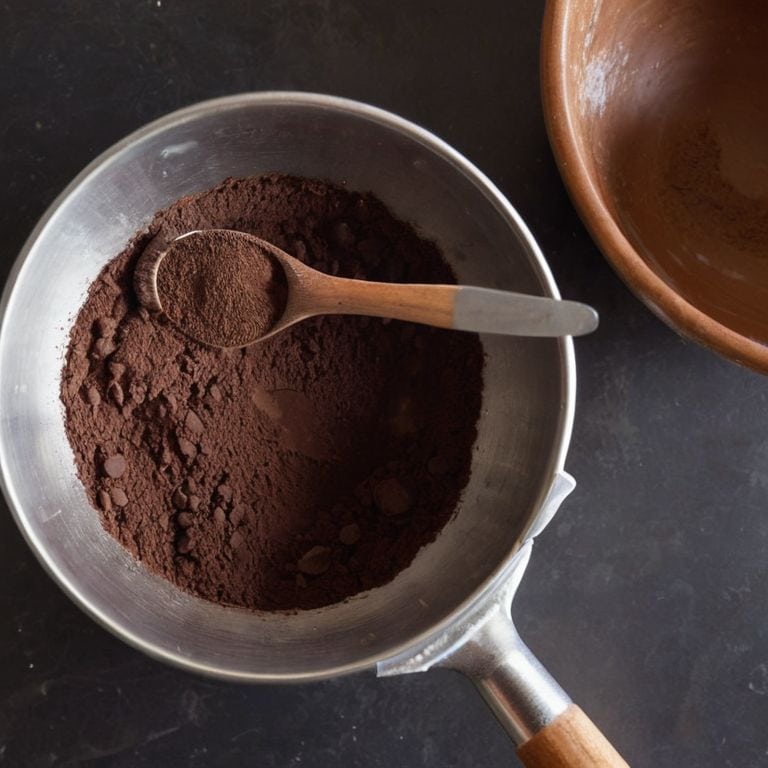
Dutch-process cocoa powder is a type of cocoa powder that has been treated with an alkalizing agent to neutralize its natural acidity, resulting in a milder flavor and darker color. This process, which involves washing the cocoa beans in a mild alkaline solution, helps to reduce the bitterness and astringency of the natural cocoa, making it a great choice for baked goods where a deep, rich chocolate flavor is desired. The main selling point of Dutch-process cocoa powder is its ability to provide a consistent and reliable flavor profile, which is essential for professional bakers and home cooks alike who want to achieve consistent results in their recipes.
As someone who’s spent years perfecting the art of baking, I can attest to the importance of using high-quality ingredients, including Dutch-process cocoa powder. I’ve found that this type of cocoa powder is particularly well-suited for making intensely chocolatey desserts, such as brownies and cakes, where a deep, rich flavor is essential. In my experience, Dutch-process cocoa powder is a game-changer for anyone looking to take their baking to the next level, as it provides a level of depth and complexity that’s hard to achieve with natural cocoa powder.
Natural Cocoa Powder
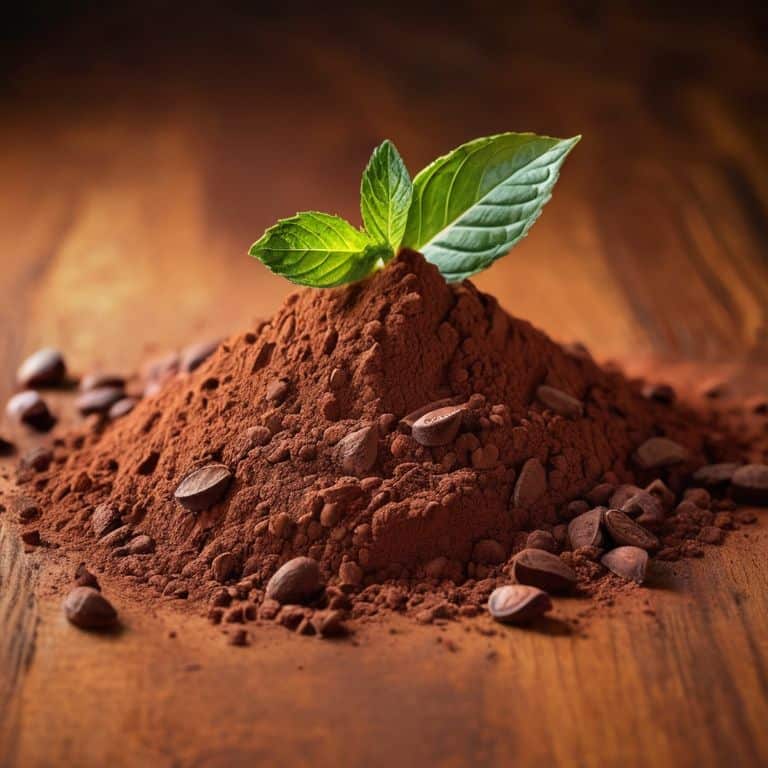
Natural cocoa powder, on the other hand, is a type of cocoa powder that has not been treated with an alkalizing agent, retaining its natural acidity and resulting in a brighter, more fruity flavor. This type of cocoa powder is often preferred by bakers who want to showcase the natural flavor of the cocoa beans, as it has a more pronounced acidity and a lighter color than Dutch-process cocoa powder. The main selling point of natural cocoa powder is its ability to provide a more nuanced and complex flavor profile, which is perfect for recipes where a lighter, more delicate chocolate flavor is desired.
As a baking consultant, I’ve had the opportunity to work with both Dutch-process and natural cocoa powder, and I can say that natural cocoa powder has its own unique advantages. I’ve found that natural cocoa powder is particularly well-suited for making lighter, more delicate desserts, such as cakes and cookies, where a subtle chocolate flavor is desired. In my experience, natural cocoa powder is a great choice for bakers who want to add a touch of elegance to their recipes, as it provides a level of sophistication and refinement that’s hard to achieve with other types of cocoa powder.
Dutch-Process vs Natural Cocoa Powder: Head-to-Head Comparison
| Feature | Dutch-Process Cocoa Powder | Natural Cocoa Powder |
|---|---|---|
| Price | Generally cheaper | More expensive |
| Key Feature | Alkalized, milder flavor | Non-alkalized, richer flavor |
| Best For | Baked goods, especially with other strong flavors | Baking, hot chocolate, and recipes where a deep chocolate flavor is desired |
| pH Level | Higher pH due to alkalization | Lower pH, more acidic |
| Flavor Profile | Milder, smoother | More intense, fruity, and complex |
| Color | Lighter brown | Darker, richer brown |
| Nutritional Content | Lower antioxidant content due to processing | Higher antioxidant content, closer to raw cacao |
Dutch Process vs Natural Cocoa Powder
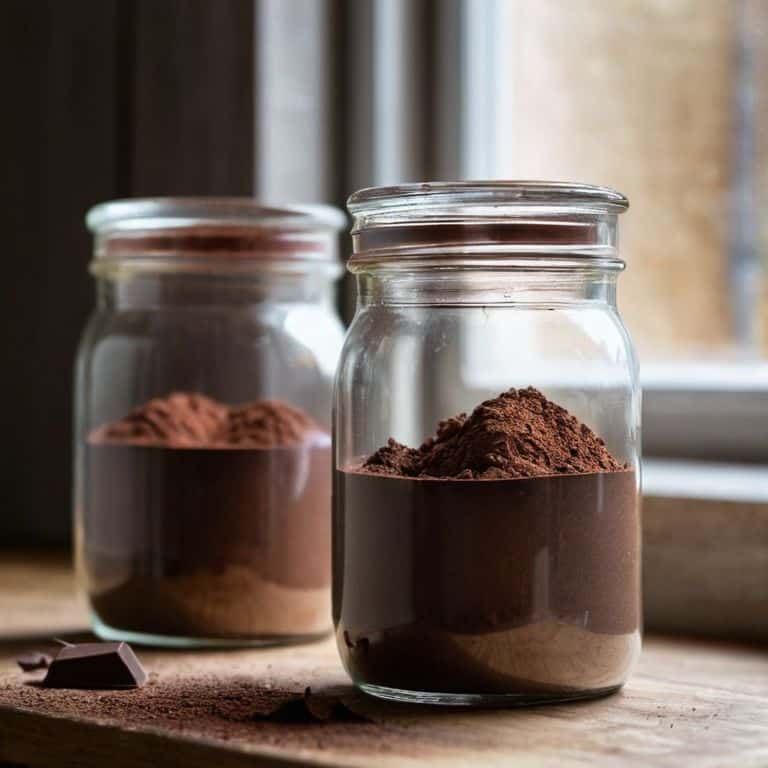
When it comes to baking, the type of cocoa powder used can make a significant difference in the final product. The debate between Dutch-process and natural cocoa powder is a crucial one, as it affects the flavor, texture, and overall quality of the baked goods. In this comparison, I’ll be focusing on the key differences between these two types of cocoa powder.
In terms of flavor profile, Dutch-process cocoa powder has a milder and more neutral taste, while natural cocoa powder has a more intense and fruity flavor. This is because Dutch-process cocoa powder has been treated with an alkalizing agent, which reduces its acidity and gives it a smoother taste. On the other hand, natural cocoa powder retains its natural acidity, resulting in a more robust flavor.
In practical terms, the choice between Dutch-process and natural cocoa powder depends on the specific recipe and desired outcome. If you’re looking for a smoother flavor, Dutch-process might be the better choice. However, if you want a more intense chocolate flavor, natural cocoa powder is the way to go. After careful consideration, I conclude that natural cocoa powder is the winner in this category, offering a more complex and dynamic flavor profile.
Key Takeaways: Choosing the Right Cocoa Powder
I’ve found that Dutch-process cocoa powder is ideal for recipes where a deeper, richer flavor is desired, such as in brownies or truffles, due to its milder flavor and darker color
Natural cocoa powder, on the other hand, is better suited for recipes that require a brighter, more acidic flavor, like cakes or cookies, as it provides a more robust and fruity taste
When deciding between Dutch-process and natural cocoa powder, consider the type of recipe you’re making and the flavor profile you want to achieve, as this will help you choose the best cocoa powder for your baking needs
The Cocoa Conundrum
For me, the choice between Dutch-process and natural cocoa powder isn’t just about the recipe – it’s about understanding the nuances of each and how they’ll elevate your bake to the next level, and that’s what makes all the difference in creating truly exceptional pastries and desserts.
David Grant
The Final Verdict: Which Should You Choose?
After careful consideration of the key differences between Dutch-process and natural cocoa powder, it’s clear that each has its own unique advantages. Dutch-process cocoa powder offers a milder flavor and a deeper color, making it ideal for certain recipes where a subtle cocoa flavor is desired. On the other hand, natural cocoa powder provides a more intense flavor and is often preferred by those who enjoy a stronger cocoa taste. By understanding the distinct characteristics of each, bakers can make informed decisions about which type to use in their recipes.
Ultimately, the choice between Dutch-process and natural cocoa powder depends on the baking goals and personal preferences of the individual. For those seeking a smoother flavor and a more consistent color, Dutch-process may be the better choice. However, for bakers who prefer a richer, more intense flavor, natural cocoa powder is the way to go. As a baking consultant, I recommend Dutch-process for beginners or those making delicate desserts, while experienced bakers who want to add depth to their creations may prefer natural cocoa powder.
Frequently Asked Questions
What are the main differences in flavor profile between Dutch-process and natural cocoa powder?
When it comes to flavor profile, I’ve found that Dutch-process cocoa powder has a milder, sweeter taste, while natural cocoa powder packs a more intense, fruity punch. In my testing, Dutch-process works beautifully in delicate cakes, whereas natural cocoa powder shines in bold, dark chocolate recipes. The difference is night and day, folks!
Can I substitute Dutch-process cocoa powder with natural cocoa powder in a recipe without affecting the outcome?
While you can substitute Dutch-process with natural cocoa powder, it’s not a 1:1 swap. Natural cocoa powder has a more acidic pH, which can affect leavening and flavor. To substitute, you may need to adjust the recipe’s leavening agents or add a pinch of salt to balance the flavor. I’ve found that a good rule of thumb is to start with a small batch to test the substitution before scaling up.
How does the acidity level in natural cocoa powder affect the overall texture and rise of baked goods compared to Dutch-process cocoa powder?
The acidity in natural cocoa powder can affect texture and rise, as it reacts with baking soda to produce carbon dioxide. This can lead to a lighter, more tender crumb. In contrast, Dutch-process cocoa powder has a more neutral pH, resulting in a denser final product. I’ve seen this play out in my own baking experiments, and it’s a key factor to consider when choosing between the two.