As a master pastry chef, I’ve seen many home bakers struggle with the age-old question: what is the difference between ganache and buttercream? It’s a choice that can make or break the perfect dessert, and one that I’ve grappled with myself in my early days as a chocolatier in Belgium. I remember the frustration of trying to achieve the perfect frosting, only to end up with a lackluster finish. It wasn’t until I delved deeper into the world of pastry that I discovered the intricacies of temperature and technique that set ganache and buttercream apart.
In this article, I promise to cut through the noise and provide you with honest, experience-based advice on the differences between these two popular frostings. I’ll share my own stories of trial and error, and provide you with the no-nonsense tips and tricks you need to make an informed decision. Whether you’re a seasoned baker or just starting out, my goal is to empower you with the knowledge to create truly exceptional desserts. So, let’s dive in and explore the world of ganache and buttercream, and discover the secrets to making your baked goods truly unforgettable.
Table of Contents
Ganache
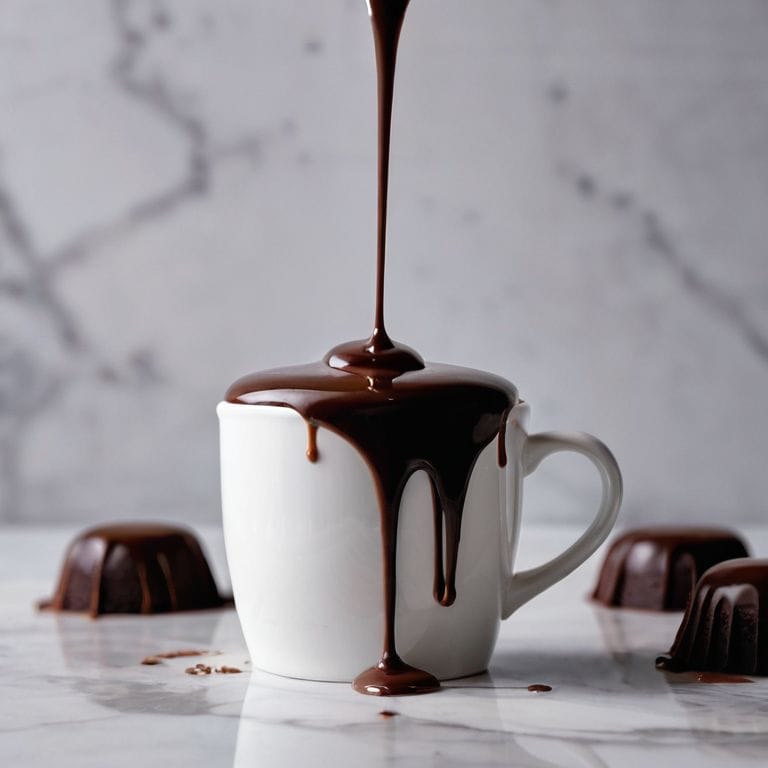
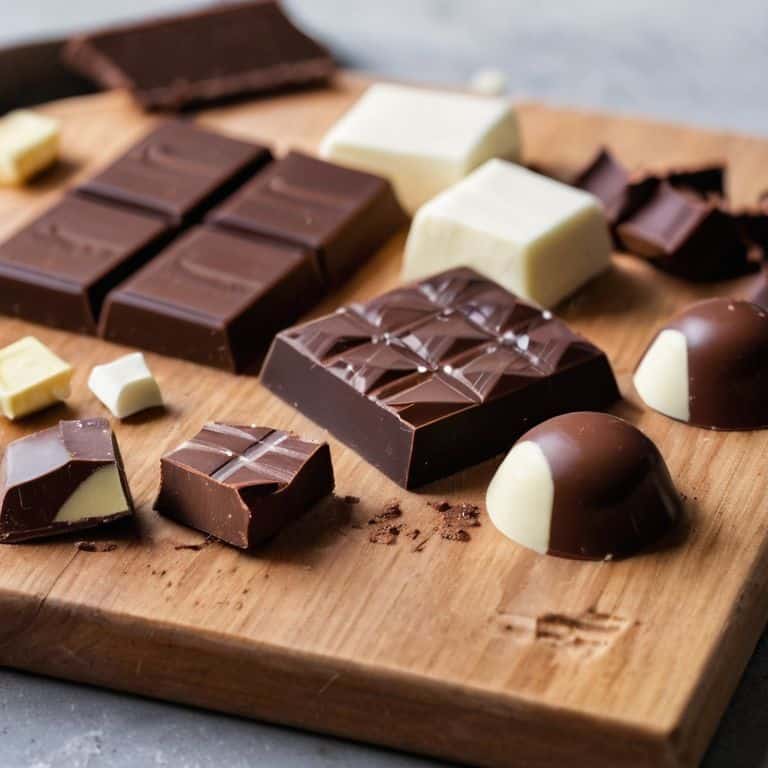
Ganache is a rich and velvety chocolate frosting made from a mixture of melted chocolate and heavy cream, with its core mechanism relying on the precise temperature control of the chocolate to achieve a smooth and stable emulsion. The main selling point of ganache is its exceptional flavor intensity, which is unparalleled in the world of frostings, making it a favorite among pastry chefs and chocolate lovers alike.
As a chocolatier, I can attest that working with ganache is an art form that requires patience, precision, and a deep understanding of the nuances of chocolate. When done correctly, ganache can elevate a simple cake into a decadent masterpiece, with its deep, dark flavors and silky texture transporting the palate to a world of pure bliss. I’ve spent years perfecting my ganache recipe, and I can confidently say that the end result is well worth the effort, as it adds a touch of sophistication to any dessert.
Buttercream
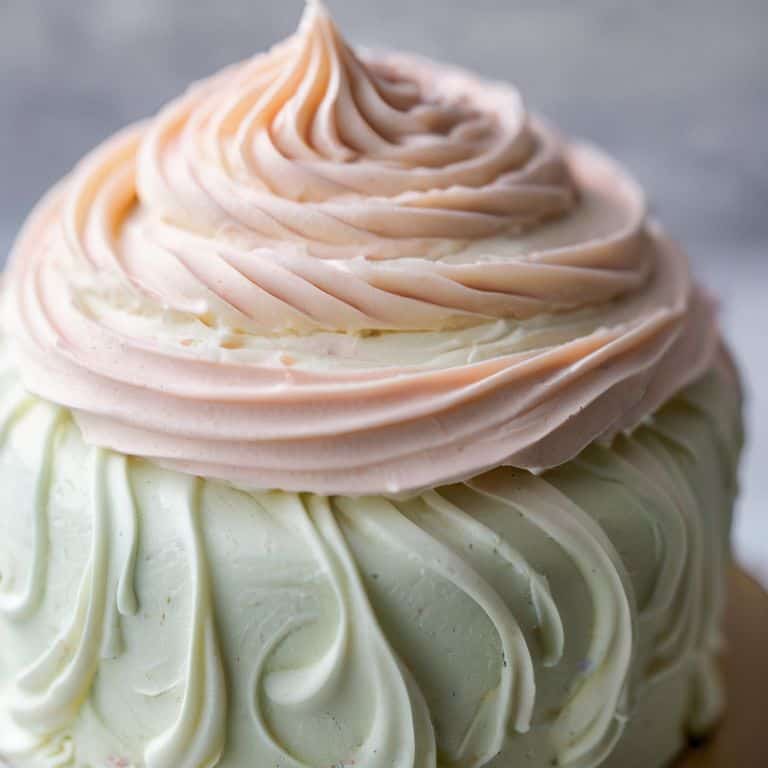
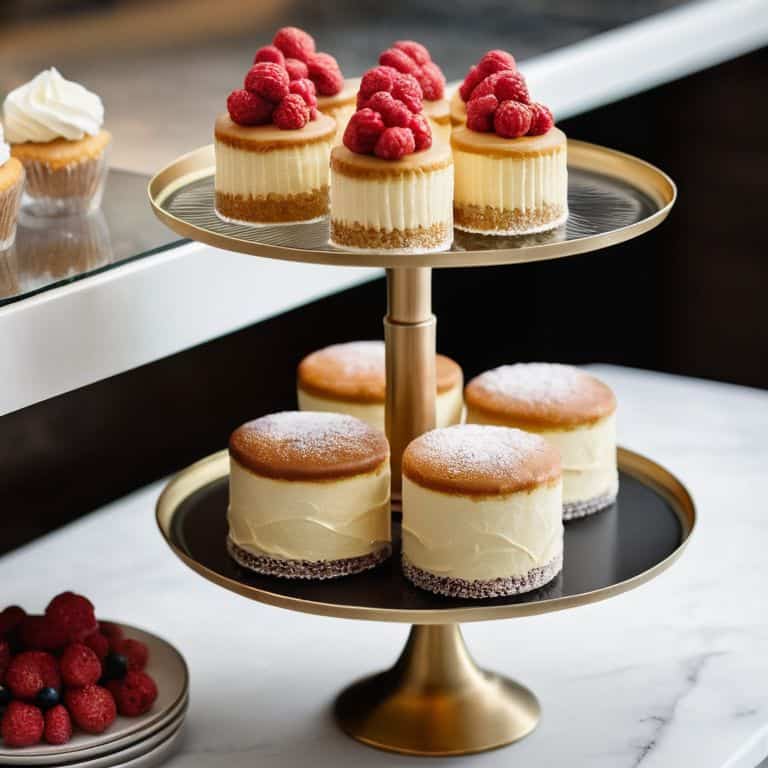
Buttercream is a sweet and airy frosting made from a mixture of butter, sugar, and sometimes milk or cream, with its core mechanism relying on the careful balance of ingredients and temperatures to achieve a light and fluffy texture. The main selling point of buttercream is its versatility, which makes it a popular choice among bakers and decorators, as it can be flavored and colored to suit any theme or occasion.
As a pastry consultant, I’ve worked with countless clients who swear by the ease of use of buttercream, and for good reason – it’s a forgiving frosting that can be easily manipulated and shaped to create intricate designs and patterns. However, I always emphasize the importance of temperature control when working with buttercream, as it can quickly become too soft or too hard, ruining the entire dessert. With the right techniques and a bit of practice, buttercream can be a powerful tool in any baker’s arsenal, allowing them to create stunning and delicious desserts that impress and delight.
Head-to-Head Comparison: Ganache vs Buttercream
| Feature | Ganache | Buttercream |
|---|---|---|
| Price | Moderate to High | Low to Moderate |
| Key Feature | Rich, velvety chocolate | Sweet, creamy texture |
| Best For | Cakes, truffles, and fine desserts | Cupcakes, cookies, and everyday desserts |
| Shelf Life | Short, best used fresh | Long, can be stored |
| Difficulty Level | High, requires tempering | Low, easy to make |
| Flavor Variety | Limited to chocolate | Endless flavor options |
| Texture | Smooth, glossy | Light, airy |
Ganache vs Buttercream
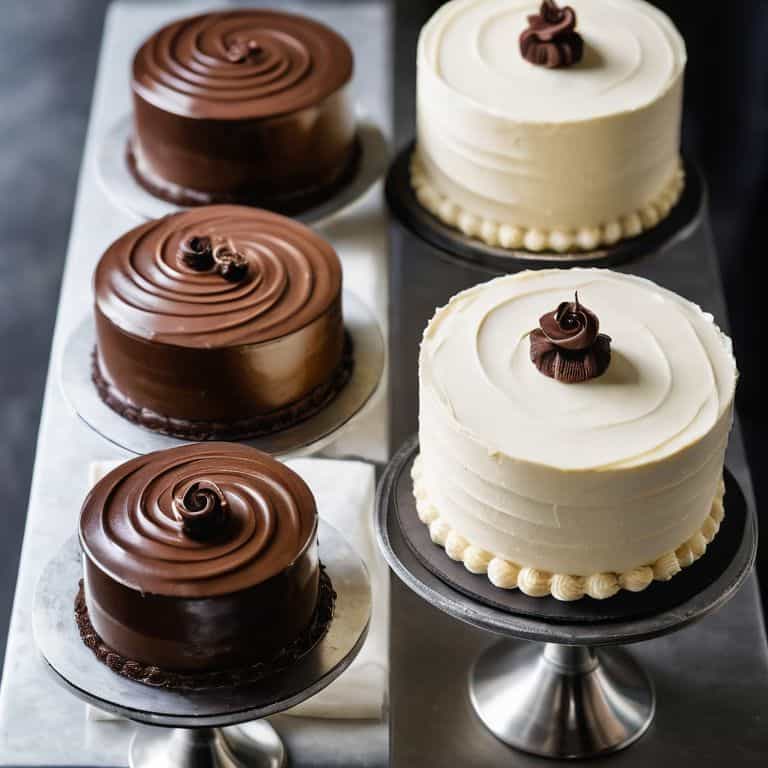
As a chocolatier, I can attest that the choice between ganache and buttercream is crucial in determining the overall character of a dessert. The texture and stability of these frostings can make or break the presentation and durability of a cake. In the world of pastry, understanding the differences between these two is essential for creating masterpieces that impress and endure.
When it comes to texture, ganache and buttercream have distinct personalities. Ganache, made from chocolate and cream, has a smooth and silky consistency, while buttercream, a mixture of butter and sugar, is often light and airy. In practice, this means that ganache is ideal for creating sharp edges and smooth surfaces, whereas buttercream is better suited for intricate piping and decorations.
In terms of stability, ganache generally holds up better in warm temperatures due to its high fat content, which prevents it from melting or becoming too soft. Buttercream, on the other hand, can be more temperamental, requiring precise temperature control to maintain its structure. Given these factors, I declare ganache the winner in this category, offering a more reliable and versatile option for pastry chefs and home bakers alike.
Mastering the Art of Frosting: 3 Key Takeaways
I’ve found that understanding the temperature and texture of ganache and buttercream is crucial in determining their usage in different desserts, with ganache thriving in warmer temperatures and buttercream excelling in cooler ones
Through my experience as a chocolatier, I can attest that the type of fat used in each frosting greatly impacts the final flavor and stability, with ganache relying on chocolate and cream, and buttercream relying on, well, butter
By mastering the techniques behind both ganache and buttercream, home bakers can elevate their craft and create show-stopping desserts that not only taste sublime but also showcase a deep understanding of the intricacies of pastry perfection
The Essence of Frosting
The difference between ganache and buttercream is not just a matter of taste, but a reflection of the pastry chef’s soul – one is a rich, velvety whisper of chocolate, while the other is a sweet, creamy shout of indulgence.
Juliette Le Roux
The Final Verdict: Which Should You Choose?
As we’ve delved into the world of ganache and buttercream, it’s clear that both have their own unique strengths and weaknesses. The temperature sensitivity of ganache makes it a more high-maintenance option, while the richness of buttercream can be overwhelming for some palates. However, with the right technique and ingredients, both can produce truly exquisite results. Whether you’re a seasoned pastry chef or a beginner baker, understanding the differences between these two frostings is crucial for achieving the perfect finish on your cakes.
So, which one should you choose? Ultimately, it comes down to your personal preferences and baking style. If you’re a perfectionist looking for a smooth, velvety finish, ganache might be the way to go. On the other hand, if you’re a beginner or prefer a more forgiving frosting, buttercream is an excellent option. As for me, I’m a fan of ganache for its decadent flavor and versatility, but I always recommend that my students start with buttercream to build their confidence and skills.
Frequently Asked Questions
What are the most common mistakes to avoid when making ganache and buttercream?
The pitfalls of pastry perfection! When making ganache, beware of overheating the chocolate, and for buttercream, don’t overmix or use room-temperature ingredients. Temperature control is key – I always say, it’s the foundation of creativity. Monitor those thermometer readings closely, and you’ll be well on your way to silky-smooth ganache and luscious buttercream.
How do I decide which type of frosting to use for a specific type of cake or dessert?
To choose between ganache and buttercream, consider the cake’s flavor profile and texture. For rich, moist cakes like chocolate or red velvet, ganache is a perfect match. For lighter, fluffier cakes like vanilla or lemon, buttercream provides a lovely contrast. Think about the desired finish, too – ganache for a sleek, velvety look or buttercream for a swirly, decorative touch.
Can I substitute ganache for buttercream or vice versa in a recipe, and what are the potential consequences?
While I adore experimentation, substituting ganache for buttercream or vice versa can be tricky. Ganache is more fluid and rich, whereas buttercream is lighter and sweeter. Swapping them can alter the texture and flavor profile of your dessert. If you do decide to substitute, start with small batches to adjust the proportions and temperature, as this will drastically impact the outcome.