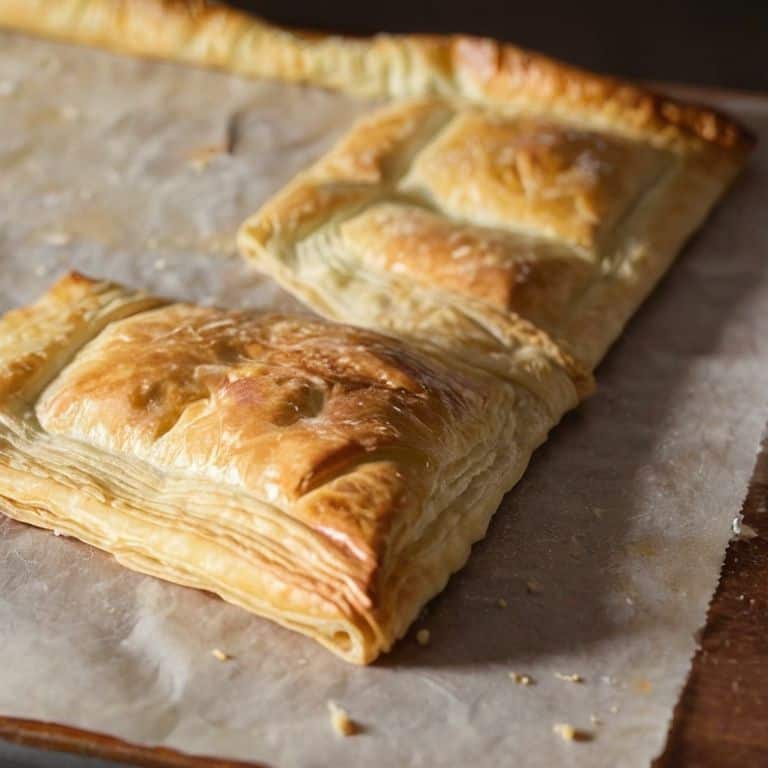
I still remember the first time I attempted to make puff pastry from scratch – it was a disaster. The common puff pastry mistakes I made that day were countless, and I ended up with a soggy, sad mess instead of the beautiful, flaky masterpiece I had envisioned. It’s a rite of passage, really, and one that I’ve seen many aspiring pastry chefs go through. The problem is, most people don’t know how to identify and fix these mistakes, and that’s where I come in.
In this article, I’ll be sharing my honest, no-hype advice on how to avoid and correct the most frustrating errors that can ruin your puff pastry. From temperature control to laminating techniques, I’ll cover it all, and provide you with the practical tips you need to take your pastry game to the next level. My goal is to help you understand the why behind each technique, so you can confidently create beautiful, flaky puff pastry that will impress even the most discerning palates. So, let’s get started and tackle those common puff pastry mistakes once and for all.
Table of Contents
Guide Overview: What You'll Need

Total Time: 1 hour 15 minutes
Estimated Cost: $10 – $20
Difficulty Level: Intermediate
Tools Required
- Pastry Brush (for egg wash)
- Rolling Pin (for even dough rolling)
- Measuring Tape (for sizing pastry sheets to 12 inches by 12 inches)
- Sharp Knife (for cutting pastry into desired shapes)
Supplies & Materials
- Puff Pastry Dough (homemade or store-bought)
- Egg (for egg wash)
- Water (for dough hydration)
- Flour (for dusting work surface to prevent sticking)
Step-by-Step Instructions
- 1. First, let’s talk about the importance of temperature control when working with puff pastry. I always say that temperature is the most important ‘ingredient’ in pastry, and it’s especially crucial when it comes to puff pastry. Make sure your ingredients, including the butter and pastry dough, are at room temperature before you start working with them. This will help ensure that the dough comes together smoothly and evenly.
- 2. Next, it’s time to roll out the puff pastry dough. Now, I know what you’re thinking – this is the part where things can go wrong. But trust me, with a few simple tips, you can avoid those pesky mistakes. First, make sure your surface is lightly floured to prevent the dough from sticking. Then, use a gentle touch to roll out the dough to your desired thickness. Don’t overwork the dough, as this can cause it to become tough and dense.
- 3. One of the most common mistakes people make when working with puff pastry is overmixing. This can cause the dough to become tough and chewy, rather than light and flaky. To avoid this, mix your ingredients just until they come together in a shaggy mass. Then, use a gentle folding motion to combine the dough, being careful not to overwork it.
- 4. Now it’s time to add the butter to your puff pastry dough. This is where things can get a little tricky, as the butter needs to be at just the right temperature to create those beautiful, flaky layers. I like to use a combination of cold butter and room temperature dough to create the perfect balance. Simply place the butter on top of the dough and use a gentle rolling motion to distribute it evenly.
- 5. Once you’ve added the butter, it’s time to fold the dough. This is where the magic happens, and those beautiful layers start to form. To fold the dough, simply fold it in half lengthwise, like a letter. Then, rotate the dough 90 degrees and fold it in half again. This will help create those beautiful, flaky layers that puff pastry is known for.
- 6. Now, it’s time to let the dough rest. This is an important step, as it allows the gluten to relax and the dough to become more pliable. Simply place the dough in the refrigerator for at least 30 minutes to allow it to chill. Then, when you’re ready to bake, remove the dough from the refrigerator and let it come to room temperature before rolling it out.
- 7. Finally, it’s time to bake your puff pastry. This is where the temperature control comes in again. Make sure your oven is at the right temperature, and that you’re baking the pastry for the right amount of time. I like to use a hot oven to get a beautiful, golden-brown crust. Simply place the pastry in the oven and bake for 20-25 minutes, or until it’s golden brown and puffed to perfection.
Conquering Common Puff Pastry Mistakes
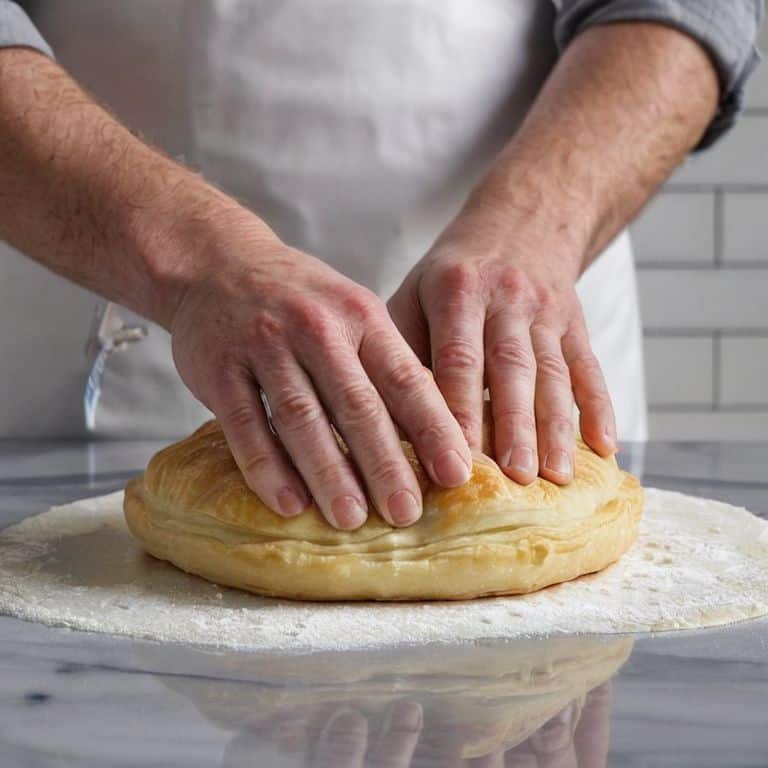
To truly master puff pastry, one must understand the nuances of temperature control. I’ve found that even a slight deviation from the optimal temperature can lead to _overworking the dough_, resulting in a tough, dense final product. When working with puff pastry, it’s essential to keep your ingredients and workspace at a consistent, cool temperature. This will help prevent the butter from melting and the dough from becoming too soft and sticky.
When it comes to thawing _frozen puff pastry_, it’s crucial to do so slowly and gently. I recommend thawing it in the refrigerator overnight, rather than leaving it at room temperature. This will help prevent the formation of ice crystals, which can cause the pastry to become soggy and prone to shrinkage. By taking the time to thaw your puff pastry properly, you’ll be rewarded with a more even, flaky texture.
In my experience, _preventing puff pastry layers_ from separating is all about maintaining a delicate balance between the dough and the fat. To achieve this, I always make sure to keep my puff pastry well-rested and chilled, allowing the gluten to relax and the butter to firm up. By doing so, you’ll be able to achieve a beautiful, layered texture that’s sure to impress even the most discerning palates.
Overworking the Silent Puff Killer
Overworking is a common culprit behind puff pastry failures. I’ve seen it time and time again: a well-intentioned baker, eager to get everything just right, ends up over-rolling, over-folding, or over-mixing their dough. The result? A dense, tough pastry that’s more suited to doorstops than desserts. To avoid this, I always remind my students to keep their movements light and gentle, almost delicate. Think of it as a waltz with the dough – you’re guiding it, not forcing it.
By being mindful of your touch and minimizing unnecessary handling, you’ll preserve the delicate layers of butter and dough that give puff pastry its signature flakiness. Remember, precision is key, not brute force. With a little practice and patience, you’ll develop the touch of a master pastry chef, and your puff pastry will rise to new heights – literally.
Temperature Tango Control for Flaky Success
To master puff pastry, you must master temperature. I temper chocolate by feel, but with puff pastry, it’s all about precision. The ideal temperature for puff pastry is between 18°C and 20°C. If it’s too warm, the butter will melt, causing the pastry to become tough and dense. On the other hand, if it’s too cold, the pastry won’t roll out evenly. I always keep my ingredients and workspace at room temperature to ensure consistency.
By controlling the temperature, you’ll be able to achieve the perfect balance of flaky and tender. It’s a delicate dance, but one that’s essential for success. Remember, temperature is the foundation upon which all other techniques are built. Get it right, and you’ll be rewarded with a puff pastry that’s nothing short of magical.
Puff Pastry Perfection: 5 Tips to Rise Above the Mistakes
- Keep it cool: Ensure your ingredients and workspace are at the right temperature to prevent the butter from melting and the dough from becoming too soft
- Don’t overmix: Stop mixing as soon as the ingredients come together in a shaggy mass – overworking the dough will lead to a tough, dense pastry
- Roll with precision: Use a light touch and a consistent rolling pattern to avoid developing the gluten in the dough, which can cause it to shrink or become misshapen
- Give it a rest: Allow the pastry to relax and chill in the refrigerator for at least 30 minutes before rolling it out, to help the gluten relax and reduce the risk of shrinkage
- Layer it up: Use a combination of gentle folding and precise layering to create the perfect puff pastry layers, with just the right amount of butter and dough to achieve a flaky, tender crust
Mastering Puff Pastry: 3 Essential Takeaways
Never overwork your dough, as this can lead to a tough, dense pastry that lacks the desired flaky texture – instead, focus on gentle, precise folds to encourage layering and rise
Maintain precise temperature control throughout the pastry-making process, from the chilled butter to the proofing environment, to ensure optimal dough relaxation and even baking
Practice patience and persistence, as mastering puff pastry is a skill that requires dedication and repetition – with each attempt, refine your technique, and you’ll eventually achieve the perfect, golden-brown flake
The Puff Pastry Paradox
The greatest irony of puff pastry is that its beauty lies in its delicacy, yet its downfall often stems from our own heavy-handedness – a reminder that sometimes, the lightest touch can be the most powerful tool in our arsenal.
Juliette Le Roux
Mastering the Art of Puff Pastry
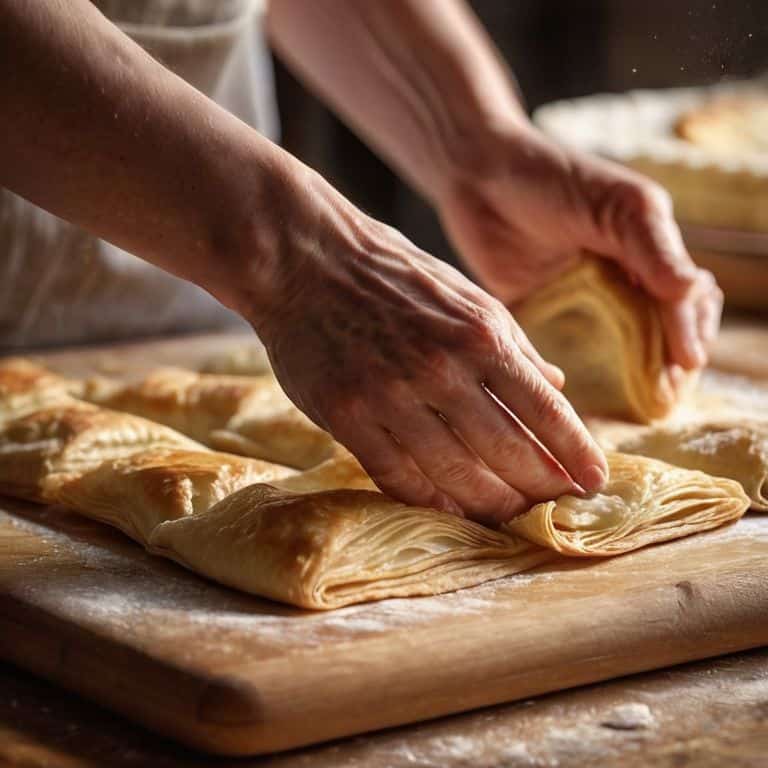
As we’ve explored the common pitfalls of working with puff pastry, from overworking the dough to neglecting the crucial role of temperature, it’s clear that precision is key to achieving those perfect, flaky layers. By understanding and avoiding these mistakes, you’ll be well on your way to creating puff pastry masterpieces that impress and delight. Whether you’re a seasoned baker or just starting out, the journey to puff pastry perfection is one that requires patience, practice, and a keen eye for detail.
So, the next time you find yourself standing in front of a counter covered in flour and butter, remember that the pursuit of pastry perfection is a labor of love. Don’t be discouraged by setbacks or failures – instead, use them as opportunities to learn and grow. With time and dedication, you’ll develop the skills and intuition needed to craft exquisite pastries that are truly greater than the sum of their parts. Happy baking!
Frequently Asked Questions
What are the most common mistakes to avoid when thawing frozen puff pastry?
Thawing frozen puff pastry – a delicate dance. To avoid disaster, never thaw at room temperature or in warm water. Instead, refrigerate overnight or thaw at a controlled 38°F to 40°F. This gentle approach prevents dough from becoming too soft or developing off-flavors, ensuring a flaky, tender crust. Trust me, precision temperature control is key.
How can I prevent my puff pastry from shrinking or losing its shape during baking?
To prevent shrinkage, ensure your puff pastry is chilled, and baking sheets are preheated. Avoid overstretching, and use a light touch when placing it on the sheet. A precise temperature, around 200°C, is also crucial. I always say, temperature is the unsung hero of pastry – it makes all the difference in maintaining that perfect flaky shape.
Are there any specific ingredients or additives that can help reduce the likelihood of puff pastry mistakes, such as overworking or uneven rolling?
To minimize puff pastry mishaps, I swear by high-quality ingredients like European-style butter with a high butterfat content and unbleached, all-purpose flour. A pinch of salt and a touch of vinegar can also help, but the real secret lies in the temperature and handling – that’s where the magic happens, or disasters unfold.