As I stood in my Parisian pastry kitchen, surrounded by the sweet scent of vanilla and the gentle hum of mixers, I couldn’t help but think about the countless times I’ve been asked for a recipe for crème brûlée. It’s a dish that’s often shrouded in mystery, with many believing it to be a complicated and temperamental beast. But the truth is, with a few simple techniques and a deep understanding of the ingredients, anyone can create a truly sublime crème brûlée.
In this article, I promise to guide you through the process of crafting a velvety smooth crème brûlée, from the initial preparation of the cream and sugar to the final caramelization of the sugar on top. I’ll share with you my own experiences, gained from years of working in Michelin-starred restaurants and running my own bespoke cake studio, to help you avoid common pitfalls and achieve a truly professional-grade result. By the end of this journey, you’ll be equipped with the knowledge and confidence to create your own stunning crème brûlée, and to elevate your dessert game to new heights.
Table of Contents
Recipe Details
Ingredients
- 2 1/2 cups heavy cream (chilled)
- 1 cup granulated sugar
- 3 large egg yolks
- 1/2 teaspoon vanilla extract
Tools & Supplies
- Medium saucepan
- Hand mixer
- 6 ramekins or small baking dishes
- Kitchen torch
Recipe Instructions
Step 1
First, let’s start by preheating our oven to 300°F (150°C), ensuring it’s at a gentle heat that will coax our crème brûlée to silky smoothness. As we prepare the ingredients, I want you to think about the texture we’re aiming for – a delicate creaminess that simply melts in the mouth.
Step 2
Next, in a medium saucepan, whisk together 2 1/2 cups of heavy cream, 1 cup of granulated sugar, and 1/2 teaspoon of kosher salt. It’s essential to use high-quality ingredients, especially the cream, as it forms the backbone of our crème brûlée. I always look for cream that’s rich and fresh, with a high butterfat content for the best flavor.
Step 3
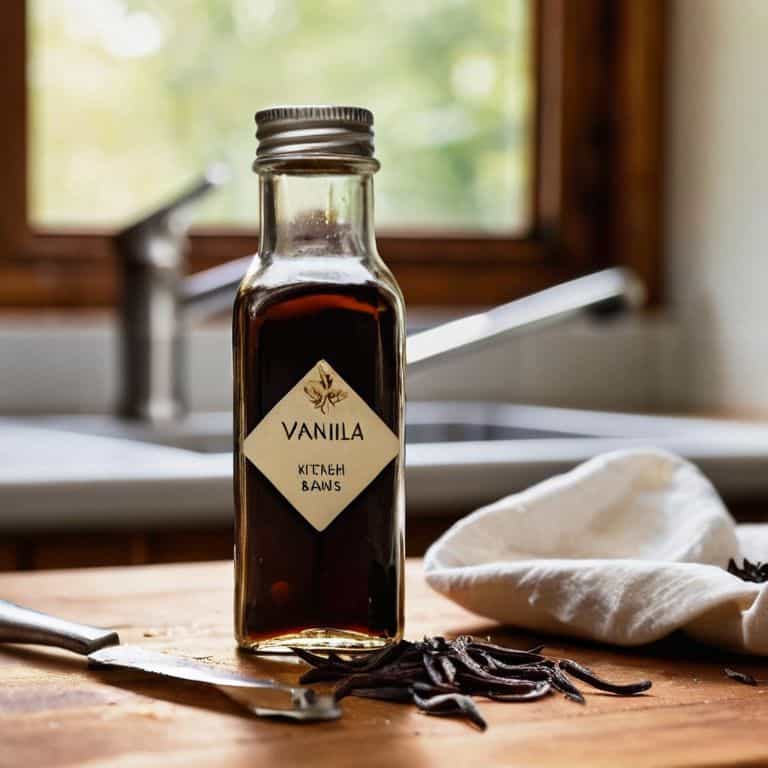
Now, let’s add in 1/2 teaspoon of pure vanilla extract. I’m quite particular about my vanilla, and I only use the best, as it makes a world of difference in the depth of flavor. Whisk the mixture until the sugar has dissolved, then remove it from the heat. This is a crucial step, as we want to avoid scrambling the eggs in the next step.
Step 4
In a separate bowl, whisk together 3 large egg yolks. Yes, just the yolks – we’re aiming for a rich, custard-like texture. Gradually add a little of the warm cream mixture to the egg yolks, whisking continuously to prevent the eggs from scrambling. This technique is called tempering, and it’s vital for a smooth crème brûlée.
Step 5
Once our eggs are tempered, we can slowly pour the egg yolk mixture into the saucepan with the cream, whisking until everything is fully incorporated. Now, it’s time to strain the mixture into 4-6 ramekins or small baking dishes. This step is all about attention to detail, ensuring our crème brûlée is silky and free of any air bubbles or debris.
Step 6
Place the ramekins in a large baking dish and add hot water to come halfway up the sides of the ramekins. This water bath is crucial for even, gentle cooking, helping our crème brûlée to cook slowly and preventing it from curdling. Bake for 25-30 minutes, or until the edges are set, and the centers are still slightly jiggly.
Step 7
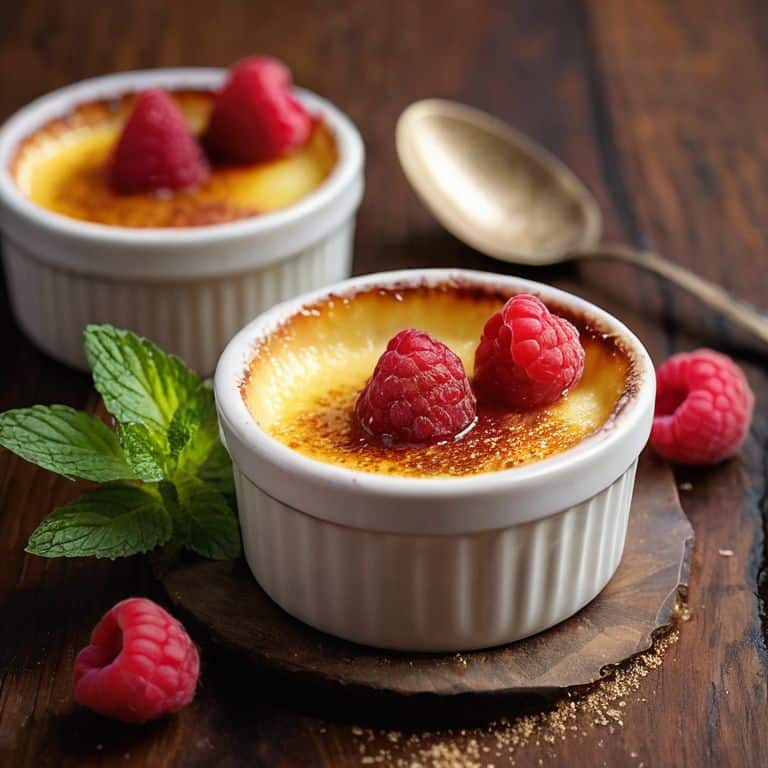
Remove the ramekins from the water bath and let them cool to room temperature. Cover and refrigerate for at least 2 hours or overnight. Just before serving, sprinkle a thin layer of granulated sugar over the top of each ramekin. Caramelize the sugar with a kitchen torch, or place the ramekins under the broiler for 1-2 minutes, watching carefully to avoid burning the sugar. This final touch is all about adding a satisfying textural element and a touch of drama to our dish.
Decoding a Recipe for Crme Brle
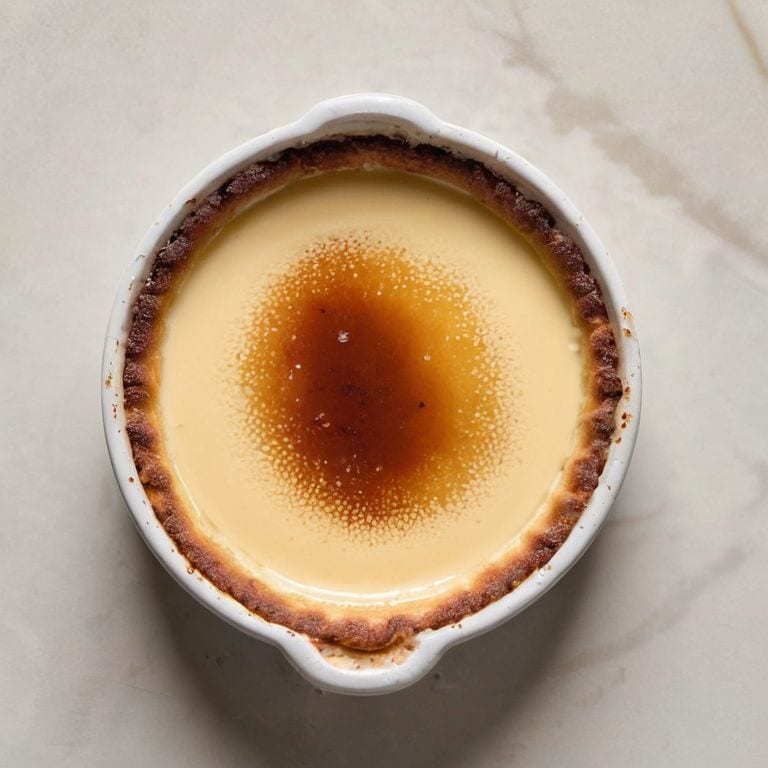
As I delve into the world of baked custard desserts, I’m reminded of the importance of using high-quality ingredients, such as rich cream and vanilla bean paste, to create a truly sublime experience. The key to a perfect crème brûlée lies in the balance of flavors and textures, with the caramelized sugar adding a satisfying crunch to the smooth custard.
When it comes to caramelized sugar techniques, it’s all about timing and temperature. I find that using a kitchen torch allows for a more precise control over the caramelization process, resulting in a beautifully golden-brown crust. For a unique twist, try infusing your cream with different flavorings, such as coffee or orange zest, to create a one-of-a-kind rich dessert recipe.
To elevate your crème brûlée to the next level, consider using french dessert cooking methods, such as baking the custard in a water bath, to ensure a smooth and creamy texture. This technique, combined with the use of cream based pudding recipes, will result in a dessert that’s sure to impress your guests at any special occasion.
Elevating Baked Custard Desserts With Vanilla Bean Paste
As I delve into the world of crème brûlée, I’m reminded of the transformative power of high-quality ingredients. Vanilla bean paste, in particular, is a game-changer. By incorporating this fragrant and aromatic paste into our baked custard, we can elevate the entire dessert to new heights. The subtle, creamy flavor of vanilla bean paste perfectly complements the richness of the cream and sugar, creating a truly sublime taste experience.
When working with vanilla bean paste, I always opt for the highest-quality variety, with visible vanilla seeds and a deep, velvety texture. This ensures that every bite of our crème brûlée is infused with the unmistakable essence of vanilla, adding a level of sophistication and depth to this beloved dessert.
Unlocking Caramelized Sugar Techniques
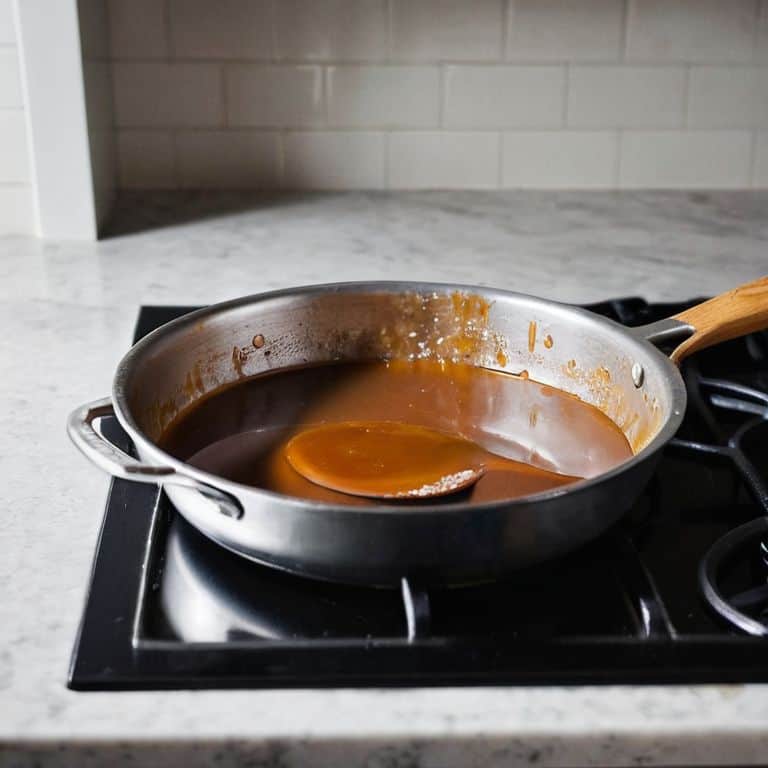
To achieve that perfect caramelized crust, it’s all about technique and timing. I like to think of it as a delicate dance between heat and sugar. You see, the key is to sprinkle a thin, even layer of granulated sugar over the chilled crème brûlée, then carefully caramelize it with a kitchen torch or under the broiler. The goal is to create a rich, amber-colored crust that adds a satisfying textural element to each bite.
By experimenting with different caramelization methods, you’ll discover what works best for you. For a more controlled approach, I recommend using a kitchen torch, as it allows for precise, localized heat application. This technique requires a gentle touch, but the result is well worth the practice: a sublime, caramelized sugar crust that elevates your crème brûlée to new heights.
Mastering the Art of Crème Brûlée: 5 Essential Tips
- Use high-quality vanilla bean paste to infuse your crème brûlée with a deep, velvety flavor and aroma
- Temper your eggs gently to prevent scrambling and ensure a silky smooth custard base
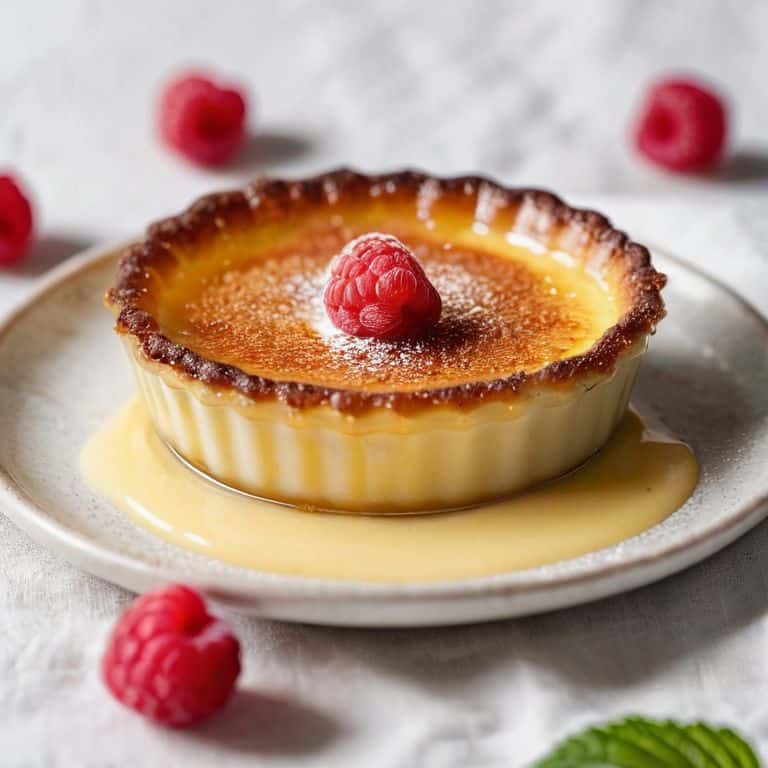
- Don’t overcaramelize the sugar – a delicate, golden-brown crust is the key to a perfect crème brûlée
- Choose the right cream – a combination of heavy cream and whole milk will give you the richness and tenderness you’re looking for
- Let your crème brûlée rest in the refrigerator for at least 2 hours before serving to allow the flavors to mature and the texture to set
Key Takeaways for the Perfect Crème Brûlée
By mastering the technique of tempering eggs and sugar, you can create a silky smooth custard base that is the foundation of exceptional crème brûlée
Using high-quality vanilla bean paste can elevate the flavor profile of your crème brûlée, adding a depth and warmth that complements the caramelized sugar perfectly
Practicing the art of caramelizing sugar to achieve a golden, glass-like finish is crucial for a visually stunning crème brûlée, and with patience and the right technique, you can achieve this delicate balance of texture and flavor
The Essence of Crème Brûlée
A great recipe for crème brûlée is not just about following steps, it’s about understanding the harmony of textures and flavors, the delicate dance of cream and sugar that elevates this dessert to an art form.
Alison Lawson
Elevating the Art of Crème Brûlée
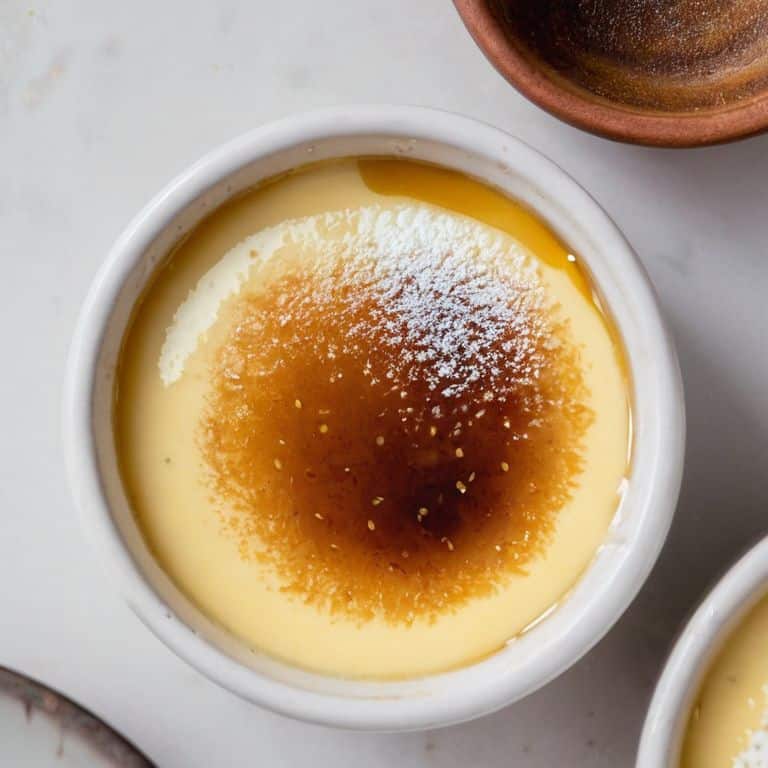
As we conclude our journey through the realm of crème brûlée, it’s essential to recap the fundamentals that make this dessert truly exceptional. From the importance of using high-quality ingredients, such as farm-fresh eggs and real vanilla bean paste, to the technique of caramelizing sugar to achieve that perfect golden crust, every step plays a crucial role in the final masterpiece. Our exploration of vanilla bean paste and its ability to elevate the flavor profile of our baked custard has, I hope, inspired you to experiment with this often-underestimated ingredient. By mastering these elements, you’ll not only create a sublime crème brûlée but also develop a deeper understanding of the art of dessert-making.
Remember, the true magic happens when technique meets creativity, and that’s precisely where your unique touch comes into play. As you continue on your baking journey, don’t be afraid to innovate and push the boundaries of what’s possible with crème brûlée. Whether you’re sketching out new designs or experimenting with novel flavor combinations, the world of pastry is your canvas, waiting for the brushstrokes of your imagination. So, let’s raise a spoon to the art of crème brûlée, to the joy of creation, and to the unending pursuit of culinary perfection.
Frequently Asked Questions
What is the ideal temperature for caramelizing sugar to achieve the perfect crunchy topping on crème brûlée?
To achieve that perfect crunchy topping, I always aim for a temperature between 338°F and 345°F when caramelizing sugar. This narrow window ensures a beautiful, golden-brown crust that adds a delightful textural element to our crème brûlée.
Can I substitute vanilla bean paste with vanilla extract in a crème brûlée recipe and still get a rich flavor?
While vanilla extract can be used, it lacks the depth of vanilla bean paste. For an authentic flavor, I recommend using a high-quality paste, but if you only have extract, start with a small amount – about 1/4 teaspoon – and taste as you go, adjusting to your liking. The result won’t be identical, but it will still be delicious.
How do I prevent the custard base from curdling or separating during the baking process in a crème brûlée recipe?
To prevent curdling, it’s essential to temper the eggs gently and cook the custard base over low heat, stirring constantly. I also recommend using room temperature ingredients and avoiding overmixing, as this can cause the eggs to scramble and the mixture to separate.