I still remember the first time I had to how to substitute ingredients in a recipe – it was a disaster. I was a young baker, and I thought I could just swap out one ingredient for another without any consequences. But, as I soon learned, baking is a science, and you can’t just wing it. The truth is, substituting ingredients is not as simple as it sounds, and it requires a deep understanding of the chemistry behind baking. I’ve seen many home bakers struggle with this, and it’s a common myth that you can just substitute ingredients without affecting the final result.
In this article, I’ll share my expertise on the art of substitution, and provide you with practical tips on how to substitute ingredients without compromising the quality of your baked goods. You’ll learn how to read recipes, understand the roles of different ingredients, and make informed decisions about substitutions. I’ll also share some common mistakes to avoid and provide examples of successful substitutions. By the end of this article, you’ll be equipped with the knowledge and confidence to tackle any recipe and make substitutions like a pro. Whether you’re a beginner or an experienced baker, this guide will help you master the skill of how to substitute ingredients and take your baking to the next level.
Table of Contents
- Guide Overview: What You'll Need
- Step-by-Step Instructions
- Cracking the Code on How to Substitute Ingredients
- Decoding Common Baking Substitutions With Ease
- Unlocking Dairy Free Milk Alternatives and Gluten Free Flour Options
- Mastering the Art of Substitution: 5 Essential Tips
- Key Takeaways for Mastering Ingredient Substitution
- The Art of Substitution
- Conclusion: Mastering the Art of Substitution
- Frequently Asked Questions
Guide Overview: What You'll Need

Total Time: 30 minutes to 1 hour
Estimated Cost: $0 – $10
Difficulty Level: Easy
Tools Required
- Measuring Cups (for dry and liquid ingredients)
- Measuring Spoons (for precise measurements)
- Kitchen Scale (optional, but recommended)
- Substitution Chart (for reference)
Supplies & Materials
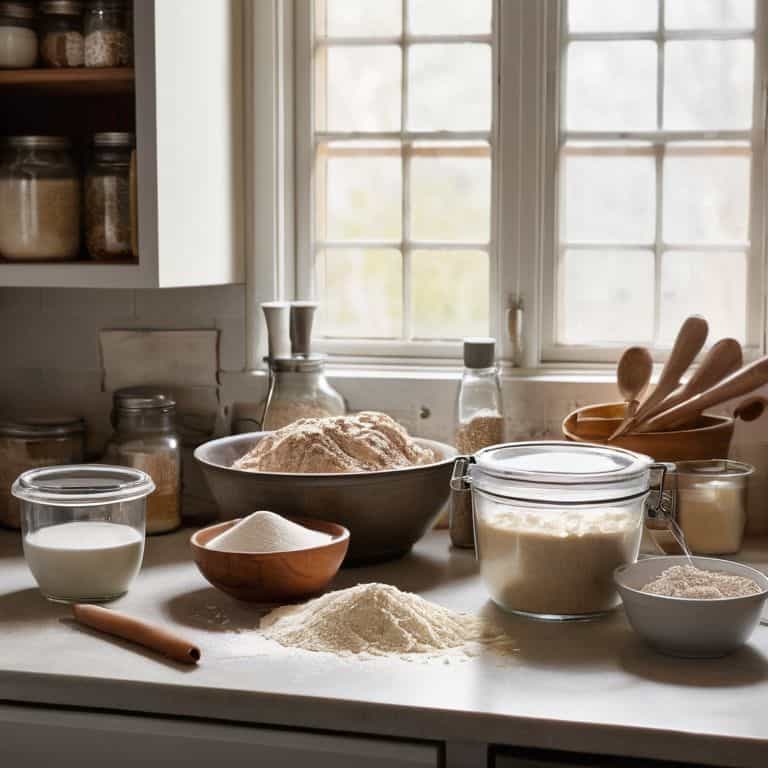
- Common Pantry Staples (e.g., flour, sugar, spices)
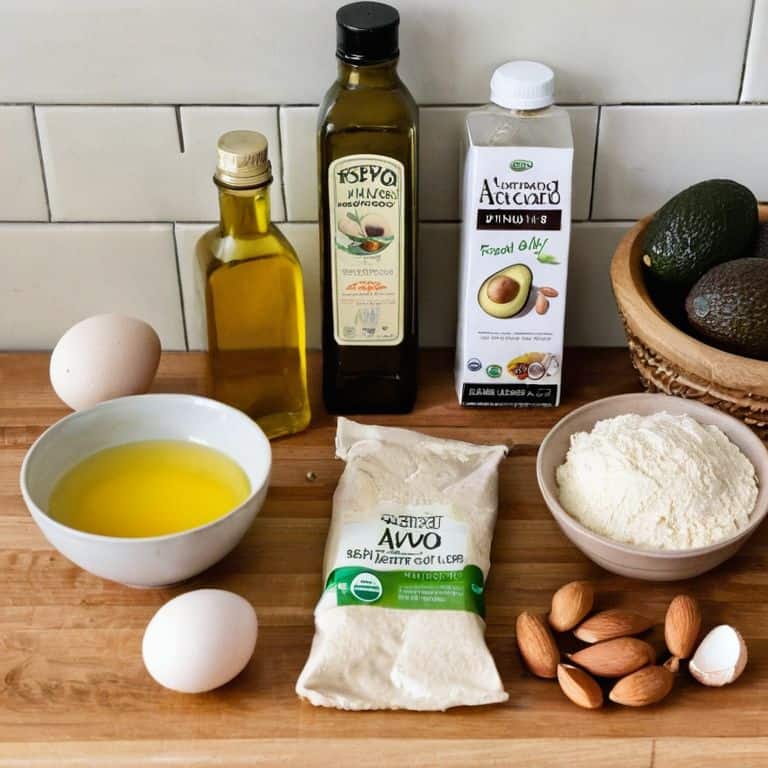
- Alternative Ingredients (e.g., gluten-free flours, vegan substitutes)
- Recipe Book or Online Recipes (for guidance)
Step-by-Step Instructions
- 1. First, understand the role of the ingredient you want to substitute in your recipe. Is it a leavening agent, a moisture provider, or a flavor enhancer? Knowing its function will help you choose a suitable replacement. For example, if you’re substituting sugar, consider what type of sugar it is and what effect it has on the final product – is it caramelizing or providing structure?
- 2. Next, identify the characteristics of the ingredient you’re substituting. Consider its texture, flavor, and chemical properties. This will help you find an ingredient with similar properties. When substituting flour, for instance, you need to consider the protein content and how it will affect the gluten development in your dough.
- 3. Now, choose your substitute based on the characteristics you’ve identified. If you’re substituting a liquid ingredient, consider the ratio of liquid to solid ingredients in your recipe and adjust accordingly. Remember, precision is key when it comes to ingredient substitution, so make sure to measure carefully.
- 4. Consider the flavor profile of your substitute ingredient and how it will affect the overall taste of your final product. Some ingredients, like vanilla or almond extract, have strong flavors that can overpower other ingredients if not used sparingly. On the other hand, ingredients like salt or sugar can balance out other flavors.
- 5. When substituting ingredients, it’s essential to test and adjust as you go. Don’t be afraid to make a small batch of your recipe with the substituted ingredient to ensure it turns out as expected. This is especially important when working with unfamiliar ingredients or substituting a large quantity of an ingredient.
- 6. Keep in mind the chemical reactions that occur during baking and how your substitute ingredient might affect these reactions. For example, using baking soda instead of baking powder can affect the pH level of your dough and alter the final texture of your product. Understanding these reactions will help you make informed decisions when substituting ingredients.
- 7. Finally, document your substitutions and the results you achieve. This will help you develop a sense of what works and what doesn’t, and you can use this knowledge to inform your future baking experiments. By keeping track of your substitutions, you’ll become more confident in your ability to make changes to recipes and create new ones from scratch.
Cracking the Code on How to Substitute Ingredients
When it comes to making common baking substitutions, it’s essential to understand the role of each ingredient in your recipe. For instance, if you’re looking to replace dairy products, dairy free milk alternatives like almond or soy milk can be great options. However, you’ll need to consider the flavor and texture they’ll bring to your final product.
To ensure a seamless substitution, it’s crucial to weigh your ingredients carefully. This is especially true when working with gluten free flour options, as they can behave differently than traditional flours. By taking the time to understand the unique properties of each ingredient, you’ll be better equipped to make successful substitutions.
As you experiment with different substitutions, remember that vegan egg replacements and low fat butter substitutes can greatly impact the texture and structure of your baked goods. By mastering these substitutions, you’ll be able to create delicious and healthy treats that cater to various dietary needs. With practice and patience, you’ll become a pro at making substitutions that work beautifully in your favorite recipes.
Decoding Common Baking Substitutions With Ease
Decoding common baking substitutions is all about understanding the roles different ingredients play. For instance, when substituting flour, consider the protein content and how it affects gluten development. This knowledge helps you make informed decisions, ensuring your baked goods turn out as expected. By recognizing the functions of various ingredients, you can confidently swap them out, leading to a more enjoyable and creative baking experience.
I like to think of it as a puzzle, where each piece has a specific function. Once you understand how these pieces fit together, you can start making substitutions with ease. For example, replacing sugar with honey requires considering the liquid content and flavor profile. By doing so, you’ll be able to make adjustments and achieve the desired outcome, taking your baking to the next level.
Unlocking Dairy Free Milk Alternatives and Gluten Free Flour Options
When it comes to dairy-free milk alternatives, the key is to understand the role of milk in your recipe. Is it for moisture, flavor, or texture? Once you’ve identified its purpose, you can swap it out with a non-dairy milk that serves the same function. For instance, almond milk and soy milk work well in cakes and cookies, while coconut milk adds a rich texture to frostings and fillings. As for gluten-free flour options, it’s essential to consider the protein content and texture you’re aiming for. Blending rice flour, almond flour, and coconut flour can create a delicate balance of structure and tenderness in your baked goods.
By experimenting with different combinations, you’ll unlock a world of possibilities for dairy-free and gluten-free baking. Remember, it’s all about understanding the chemistry behind each ingredient and making informed substitutions. With a little practice and patience, you’ll be able to create delicious treats that cater to various dietary needs and preferences.
Mastering the Art of Substitution: 5 Essential Tips
- Start with small substitutions: When experimenting with new ingredients, begin by replacing a small portion of the original ingredient to gauge the effect on the final product
- Understand the role of each ingredient: Recognize the function of each component in your recipe, whether it’s for moisture, structure, or flavor, to make informed substitution decisions
- Balance flavors and textures: When substituting ingredients, consider how the new component will affect the overall flavor and texture profile of your baked goods, making adjustments as needed
- Keep a substitution journal: Record your experiments, noting what worked and what didn’t, to develop a personal database of successful substitutions and avoid repeating mistakes
- Don’t be afraid to fail: Remember that substitution is an art that requires experimentation and patience, and even experienced bakers encounter setbacks – use each failure as an opportunity to learn and refine your skills
Key Takeaways for Mastering Ingredient Substitution
Understanding the roles of different ingredients, such as leavening agents, fats, and liquids, is crucial for successful substitution without compromising the final product’s texture and flavor
Developing a keen sense of how ingredients interact, including the concept of ratios and proportions, allows for more accurate and reliable substitutions in baking recipes
By combining knowledge of ingredient functions with an understanding of chemical reactions in baking, home bakers can confidently experiment with new substitutions, including dairy-free and gluten-free alternatives, to create innovative and delicious baked goods
The Art of Substitution

The key to successful ingredient substitution is not just about swapping one item for another, but understanding the chemistry and functionality of each component, so you can make informed decisions that will elevate, not compromise, your baked goods.
Beatrice Quinn
Conclusion: Mastering the Art of Substitution
As we conclude our journey through the world of ingredient substitution, let’s summarize the key points we’ve covered. We’ve explored the science behind substitution, from understanding the roles of different ingredients to cracking the code on common baking substitutions. We’ve also delved into the world of dairy-free milk alternatives and gluten-free flour options, unlocking new possibilities for bakers with dietary restrictions. By mastering these substitution techniques, you’ll be empowered to create delicious, inclusive treats that cater to a wide range of tastes and dietary needs.
As you continue to experiment with ingredient substitution, remember that practice is key. Don’t be discouraged by initial failures – they’re an essential part of the learning process. With time and patience, you’ll develop a keen sense of how different ingredients interact and learn to trust your instincts. So go ahead, get creative, and push the boundaries of what’s possible in the world of baking. With the foundation we’ve built together, I have no doubt that you’ll become a substitution mastery, capable of creating breathtaking baked goods that impress and delight.
Frequently Asked Questions
What are the most common mistakes to avoid when substituting ingredients in a recipe?
When substituting ingredients, I see many bakers make the mistake of not considering the ratio of liquid to dry ingredients, or overlooking the impact on leavening agents. Others forget to adjust cooking times or temperatures. To avoid these pitfalls, take a step back, reassess your recipe, and make intentional substitutions – it’s all about balance and chemistry.
How do I know which type of sugar to substitute with when a recipe calls for a specific kind?
When substituting sugars, remember that each type has a unique flavor and texture profile. If a recipe calls for white granulated sugar, you can substitute it with caster sugar or superfine sugar in a 1:1 ratio. However, if you’re using brown sugar, turbinado, or muscovado, start with a smaller ratio, as they have stronger flavors and can affect the final product’s texture and taste.
Can I substitute different types of flour, such as bread flour or cake flour, with all-purpose flour in any recipe?
While it’s tempting to substitute different types of flour with all-purpose flour, it’s not always a 1:1 swap. Bread flour has a higher protein content, which can affect texture, while cake flour has a lower protein content. To substitute, you’ll need to consider the recipe’s intended texture and adjust the liquid content accordingly.