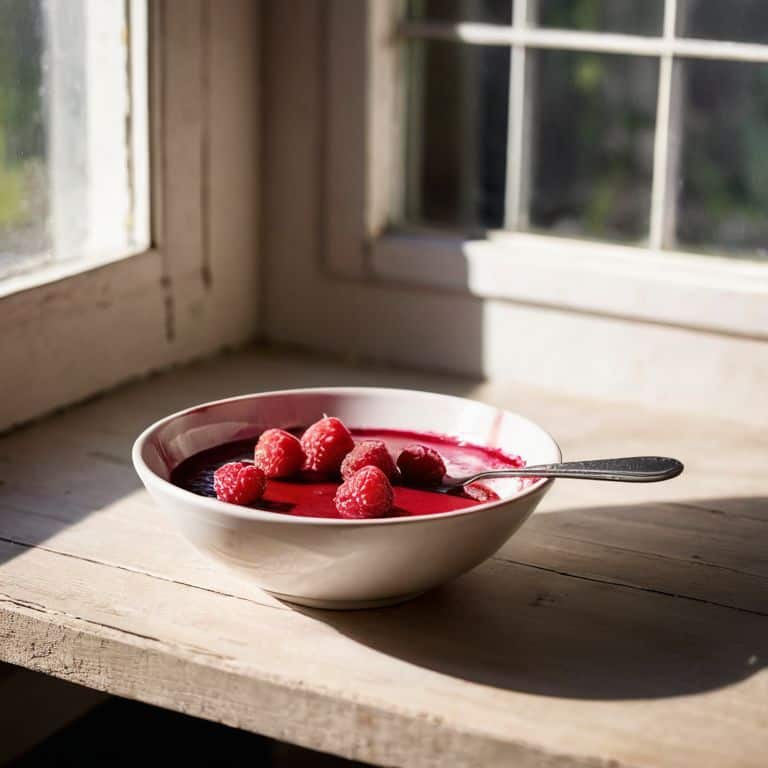
I still remember the first time I attempted to make fruit coulis in my grandmother’s kitchen. She would always say, “Juliette, the key to a perfect coulis is not just about blending the fruit, but about understanding the temperature and texture that brings out the best flavors.” This statement always fascinated me, and as I grew older, I realized that many people struggle with how to make fruit coulis because they overlook these fundamental principles. The truth is, creating a sublime fruit coulis is not rocket science, but it does require a bit of patience and attention to detail.
As someone who has spent years perfecting the art of pastry, I’m excited to share my no-nonsense approach to crafting the perfect fruit coulis. In this article, I’ll walk you through the simple, yet often misunderstood, steps to create a coulis that’s both intensely flavored and velvety smooth. You’ll learn how to select the right fruits, balance the flavors, and achieve the perfect consistency. By the end of this guide, you’ll be equipped with the practical knowledge to elevate your desserts and impress your friends and family with your newfound skills. So, let’s dive in and uncover the secrets to making a truly exceptional fruit coulis.
Table of Contents
Guide Overview: What You'll Need
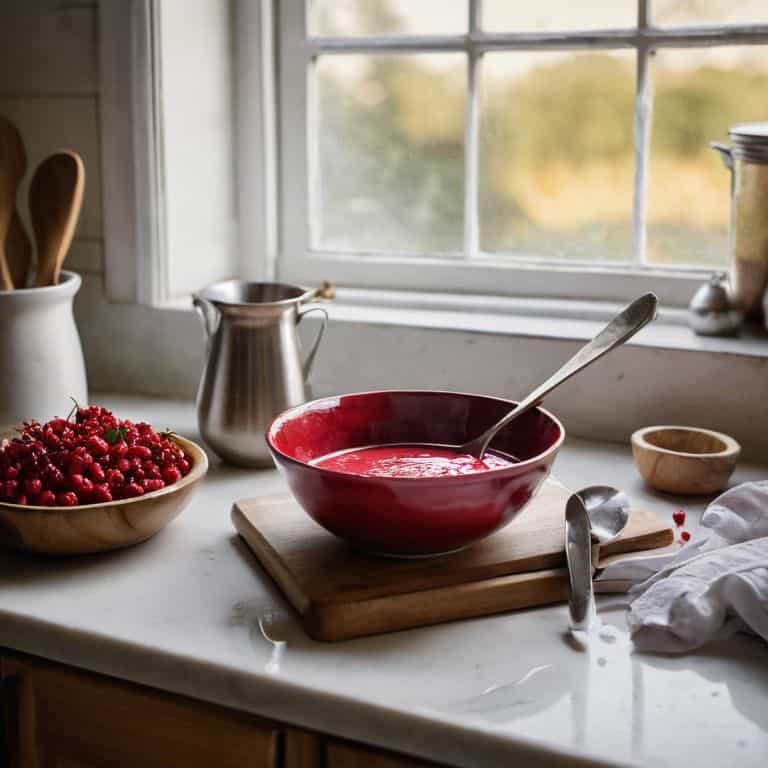
Total Time: 30 minutes to 1 hour
Estimated Cost: $10 – $20
Difficulty Level: Easy
Tools Required
- Blender (or food processor)
- Fine-mesh strainer
- Saucepan (for heating the mixture, optional)
- Spoons and spatulas (for mixing and scraping)
Supplies & Materials
- Fresh or frozen fruit (such as raspberries, strawberries, or blueberries)
- Granulated sugar (optional, depending on fruit sweetness)
- Water (optional, for thinning the coulis)
- Lemon juice (optional, for flavor and preservation)
Step-by-Step Instructions
- 1. First, let’s start by selecting the freshest berries for our fruit coulis – I always say that the quality of your ingredients is what sets your dessert apart from the rest. For my grand-mère’s secret recipe, we’ll be using a mix of raspberries, strawberries, and blueberries, but feel free to experiment with any combination you like.
- 2. Next, we need to rinse and pat dry our berries to remove any excess moisture – this is crucial in preventing our coulis from becoming too watery. I like to use a clean kitchen towel to gently pat them dry, making sure to remove any stems or leaves in the process.
- 3. Now it’s time to add our berries to a blender or food processor – I swear by my trusty old blender that’s been with me since my days in the kitchen of that 3-Michelin-star restaurant. Make sure to add them in batches if necessary, to avoid overloading the blender and ending up with a mess on your hands.
- 4. With our berries all blended up, it’s time to strain the mixture through a fine-mesh sieve to remove any seeds or pulp – this is where the magic happens, and our coulis starts to take shape. I like to use a gentle pressing motion to extract as much juice as possible, making sure not to push too hard and end up with a cloudy coulis.
- 5. In a small saucepan, combine our freshly strained coulis with a bit of granulated sugar – the key is to find the perfect balance between sweet and tart, so don’t be afraid to taste and adjust as you go. I like to use a light hand when it comes to sugar, as we want to preserve the natural flavors of our berries.
- 6. Now, let’s bring our mixture to a gentle simmer over medium heat, whisking constantly to prevent scorching – this is where patience comes into play, as we wait for our coulis to thicken and reduce slightly. I like to think of this step as the most crucial, as it’s what sets our coulis apart from a simple fruit puree.
- 7. Once our coulis has reached the desired consistency, it’s time to remove it from the heat and let it cool to room temperature – this is the hardest part, as the temptation to use it immediately is overwhelming. But trust me, the wait is worth it – our coulis will be even more intensely flavored and perfect for topping everything from yogurts to cakes and pastries.
Uncovering Fruit Coulis Secrets
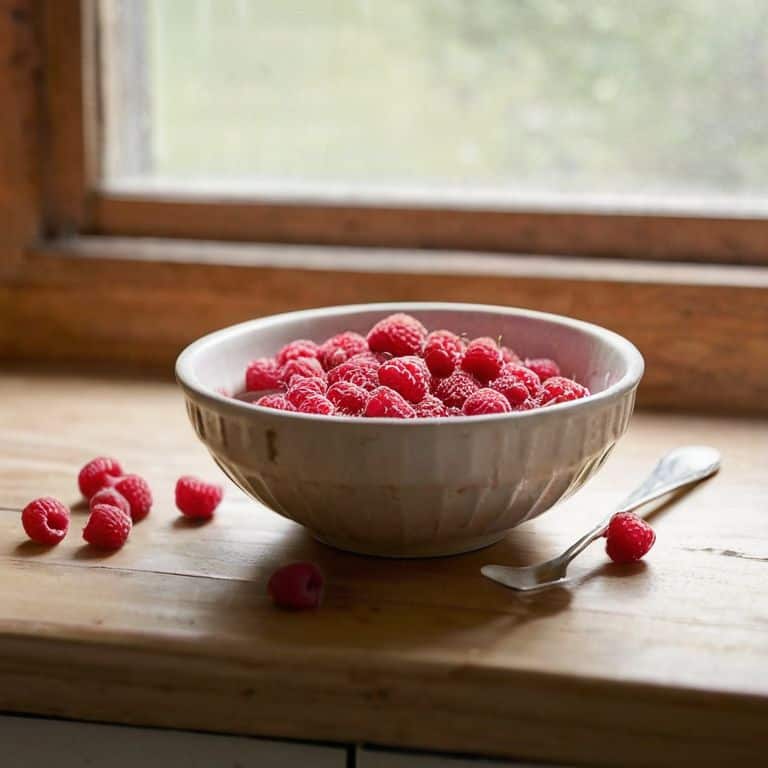
As I delve deeper into the world of fruit coulis, I’ve discovered that easy raspberry coulis recipe is a staple in many professional kitchens. The key to a great coulis lies in the balance of flavors and textures. When working with delicate fruits like raspberries, it’s essential to strain the seeds to achieve a smooth, velvety texture. This simple step can elevate your coulis from a homemade fruit puree to a sophisticated dessert component.
One of the most common questions I receive is about the difference between coulis vs jam vs preserves. While they may seem similar, each has its unique characteristics and uses. Coulis, in particular, is ideal for using fruit coulis in desserts like cakes, tarts, and ice creams. Its loose, sauce-like consistency makes it perfect for adding a burst of flavor and moisture to various sweet treats.
For those looking to get creative, summer fruit coulis ideas are endless. From peaches to apricots, the warm weather brings an abundance of juicy fruits perfect for coulis. To enjoy your coulis year-round, consider freezing fruit coulis for later use. This simple technique allows you to preserve the flavors and textures of your favorite fruits, making it easy to whip up a delicious dessert anytime.
Easy Raspberry Coulis for Desserts
When it comes to raspberry coulis, I always say, “less is more.” A simple combination of fresh raspberries, a touch of sugar, and a squeeze of lemon juice is all you need. I like to think of it as a symphony of flavors, where each note enhances the others. To make it, puree 1 cup of raspberries with 2 tablespoons of sugar and 1 tablespoon of lemon juice in a blender. Strain the seeds out for a smoother texture – trust me, it makes all the difference.
This coulis is a versatile base for various desserts, from topping ice cream to filling macarons. I love using it to add a pop of color and flavor to my chocolate sculptures. With this easy recipe, you’ll be able to elevate your desserts to the next level. Remember, the key to a great coulis is using high-quality ingredients and not overcomplicating things.
Straining Seeds From Berry Sauce
To achieve a smooth, seedless berry sauce, straining is an essential step. I always use a fine-mesh sieve or cheesecloth to remove those pesky seeds. Gently press the mixture to extract every last drop of that luscious coulis. Don’t squeeze too hard, or you’ll end up with seed fragments in your sauce – a rookie mistake I’ve made myself.
For a truly professional finish, I recommend straining the sauce twice. This may seem excessive, but trust me, it’s worth the extra effort. The result is a silky, seedless coulis that’s perfect for topping cakes, filling macarons, or simply serving as a dipping sauce. With this simple yet crucial step, you’ll elevate your fruit coulis from amateur to artisanal.
Elevating Your Fruit Coulis Game: 5 Expert Tips
- Use seasonal and fresh fruits to ensure the best flavor and texture in your coulis
- Temperature control is crucial: cook your fruits at the right heat to avoid caramelization and preserve the natural flavors
- Don’t overprocess your fruits – a quick blend and strain will help retain the delicate essence of the fruit
- Acidity matters: a squeeze of fresh citrus can balance the sweetness and enhance the overall taste of your coulis
- Experiment with spices and flavorings, but remember, less is often more – let the natural taste of the fruit shine through in your coulis
Mastering Fruit Coulis: 3 Essential Takeaways
Temperature control is key when working with fruit, as it affects the texture and consistency of the final coulis – a lesson I learned from my days in the Belgian chocolate shops
Straining seeds from berry sauce is an art that requires patience and the right tools, but the end result is well worth the extra effort, especially when paired with a delicate vanilla bean or a rich, dark chocolate
Experimenting with different types of fruit and flavor combinations can elevate your desserts to new heights, and I encourage you to explore the world of rare vanilla beans and unique cacao varieties to find your perfect match
The Essence of Fruit Coulis
To truly master the art of making fruit coulis, one must understand that it’s not just about blending ingredients, but about coaxing out the subtle nuances of each fruit, much like a sculptor reveals the beauty within a block of chocolate.
Juliette Le Roux
Elevating Your Desserts with Fruit Coulis
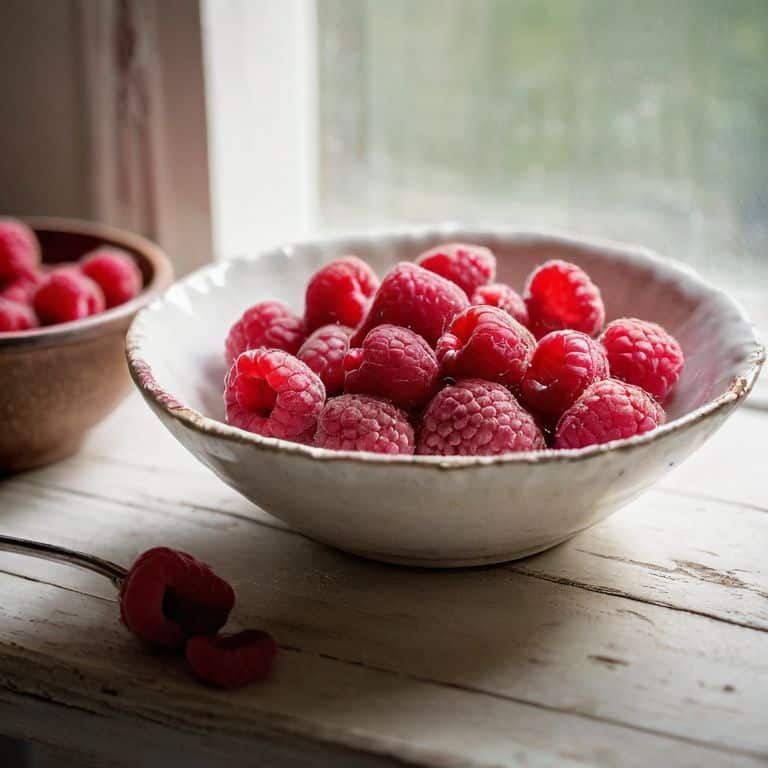
As we conclude our journey into the world of fruit coulis, let’s summarize the key points that will elevate your desserts to the next level. We’ve covered the basic steps to create a delicious fruit coulis, from selecting the freshest ingredients to blending and straining the mixture. We’ve also dove into the secrets of making a perfect raspberry coulis, and the importance of straining seeds from your berry sauce to achieve a smooth, velvety texture. By mastering these techniques, you’ll be able to create a wide range of desserts that are sure to impress your friends and family.
Now that you have the skills and knowledge to create your own fruit coulis, I encourage you to experiment and innovate with different flavors and ingredients. Remember, the art of pastry-making is all about precision and creativity, and with practice, you’ll be able to craft desserts that are not only delicious but also visually stunning. So don’t be afraid to try new things, and always keep in mind that the pursuit of perfection is what makes pastry-making so rewarding.
Frequently Asked Questions
What is the best way to prevent fruit coulis from becoming too watery?
To prevent fruit coulis from becoming too watery, I swear by cooking it just until the fruit breaks down, then straining it through a fine-mesh sieve. Don’t overcook, darling – you want to preserve that vibrant flavor and texture. A gentle simmer and a watchful eye are your best friends here.
Can I use frozen fruit to make coulis, and if so, how does it affect the flavor and texture?
Ah, frozen fruit – a convenient shortcut, but does it compromise quality? In my experience, frozen fruit can work beautifully for coulis, especially for berries like raspberries or blueberries. The freezing process helps break down cell walls, releasing more flavor and color. However, texture might suffer slightly, so be prepared to adjust your straining process accordingly.
How long can I store homemade fruit coulis in the refrigerator or freezer before it spoils?
Ah, the shelf life of homemade fruit coulis! In the fridge, it’ll keep for about 5 to 7 days, while in the freezer, it can last up to 6 months. Just remember to store it in airtight containers to preserve that vibrant flavor and color. Trust me, I’ve had my fair share of coulis experiments, and temperature control is key to extending its freshness.