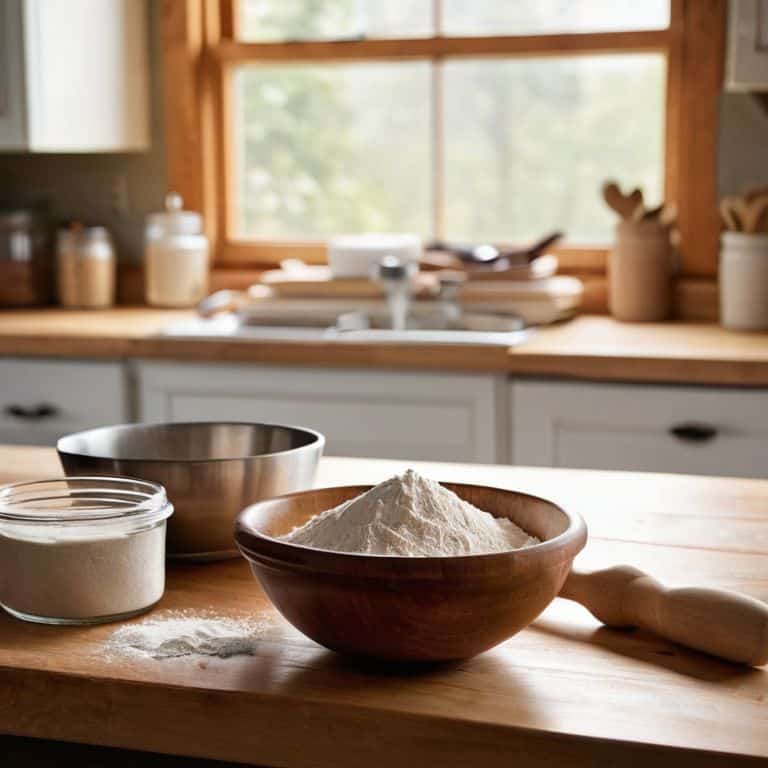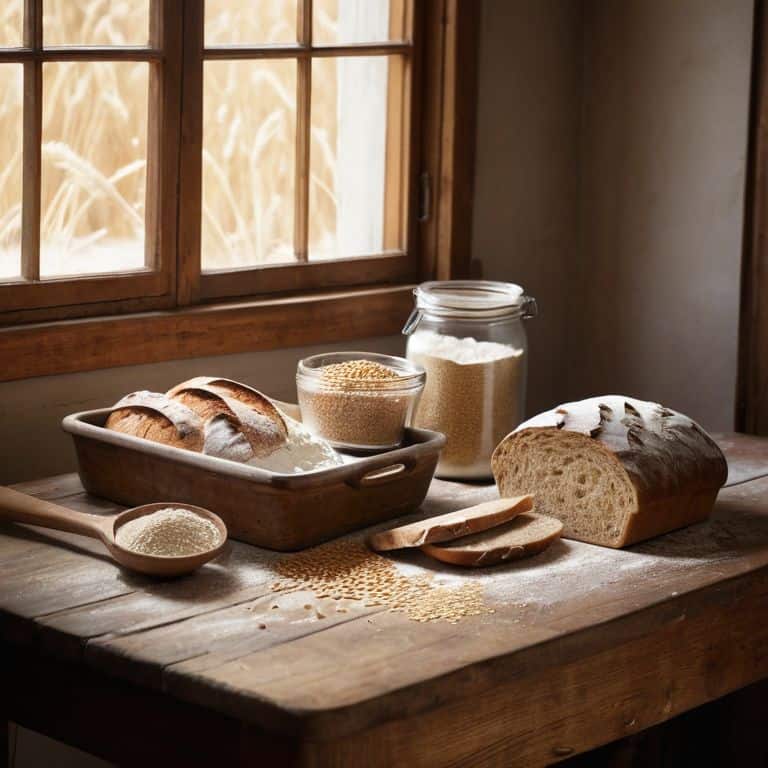
I still remember the first time I experimented with whole wheat flour in my kitchen – it was a game-changer. As a baking consultant, I’ve seen many home bakers struggle to incorporate whole wheat flour into their recipes, and that’s why I’m excited to share my expertise in this guide to whole wheat flour in baking. For years, I’ve been perfecting my craft, testing various types of flour, and developing a deep understanding of what makes whole wheat flour so unique. My experience in the test kitchen has taught me that it’s not just about substituting all-purpose flour with whole wheat, but about understanding the nuances of this ingredient.
In this article, I’ll share my no-nonsense approach to using whole wheat flour, including tips on how to choose the right type, how to adjust your recipes, and how to troubleshoot common issues. You’ll learn how to create delicious, tender baked goods that showcase the rich flavor of whole wheat flour. Whether you’re a beginner or an experienced baker, this guide will provide you with the practical advice you need to succeed. I’ll cut through the hype and provide you with honest, data-driven recommendations, so you can trust that you’re getting the best results possible. By the end of this guide, you’ll be equipped with the knowledge and confidence to bake with whole wheat flour like a pro.
Table of Contents
- Guide Overview: What You'll Need
- Step-by-Step Instructions
- A Guide to Whole Wheat Flour
- Mastering Whole Wheat: 5 Essential Tips for the Discerning Baker
- Key Takeaways for the Discerning Baker
- The Heart of Whole Wheat Baking
- Conclusion: Unlocking the Full Potential of Whole Wheat Flour
- Frequently Asked Questions
Guide Overview: What You'll Need
Total Time: 1 hour 30 minutes
Estimated Cost: $10 – $20
Difficulty Level: Easy
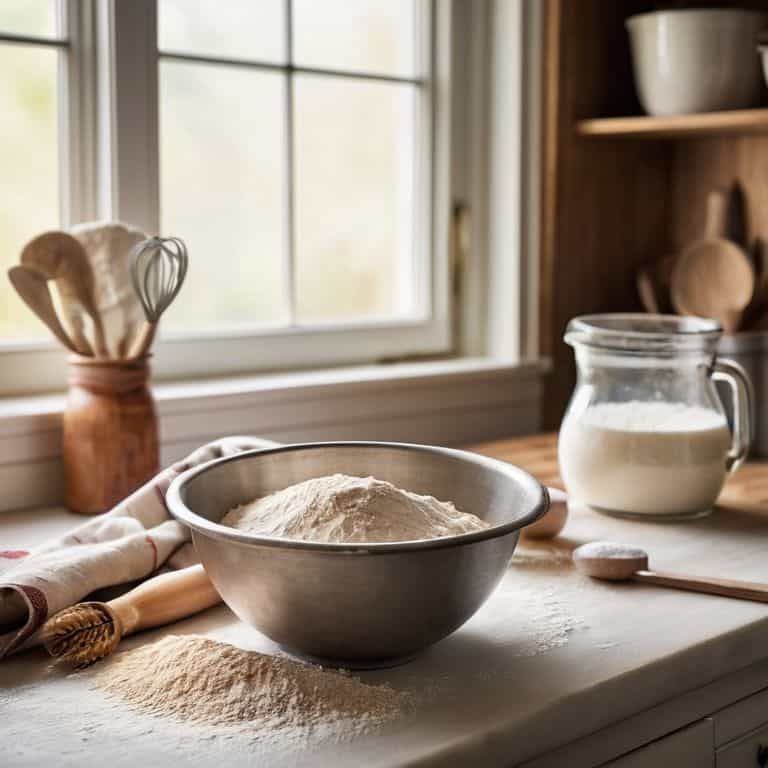
Tools Required
- Digital Scale (for accurate measurements)
- Mixing Bowls (stainless steel or glass)
- Measuring Cups (dry and liquid)
- Whisk (for mixing batter)
- Rubber Spatula (for scraping sides of bowls)
Supplies & Materials
- Whole Wheat Flour (100 percent whole wheat or a blend)
- Baking Powder (aluminum-free)
- Baking Soda (for leavening)
- Salt (kosher or sea salt)
- Sugar (white or brown)
- Unsalted Butter (or other fat source)
- Large Eggs (at room temperature)
- Milk (or other liquid ingredient)
Step-by-Step Instructions
- 1. First, understand the basics of whole wheat flour, including its nutritional benefits and how it differs from all-purpose flour. I like to think of whole wheat flour as a more wholesome alternative, with a coarser texture and nuttier flavor that can add depth to your baked goods.
- 2. Next, choose the right type of whole wheat flour for your recipe. There are several varieties available, including 100% whole wheat, white whole wheat, and whole wheat pastry flour. Each has its own unique characteristics, so it’s essential to select the best one for the job.
- 3. Now, let’s talk about measuring accurately. When working with whole wheat flour, it’s crucial to measure ingredients by weight rather than volume. This ensures that your ratios are spot on, which is vital for achieving the perfect texture and flavor. I always recommend investing in a digital scale to make this process easier.
- 4. Fourth, adjust your liquid content according to the type of whole wheat flour you’re using. Because whole wheat flour absorbs more liquid than all-purpose flour, you may need to increase the amount of liquid in your recipe. This can be a bit trial-and-error, so don’t be afraid to experiment and find the right balance.
- 5. Fifth, respect the resting time. Whole wheat flour can be more dense and heavy than all-purpose flour, which means it needs a bit more time to relax and absorb the liquid ingredients. I like to let my dough rest for at least 30 minutes to an hour before proceeding with the recipe.
- 6. Sixth, don’t overmix. Overmixing can lead to a tough, dense final product, which is especially true when working with whole wheat flour. Instead, mix wet and dry ingredients separately and gently fold them together until just combined. This will help preserve the delicate structure of the dough.
- 7. Seventh, keep an eye on temperature. Whole wheat flour can be more sensitive to temperature fluctuations than all-purpose flour, which can affect the final texture and flavor of your baked goods. I recommend using a thermometer to ensure your ingredients are at room temperature, and monitoring the oven temperature to prevent overcooking.
- 8. Finally, practice makes perfect. Working with whole wheat flour can take some getting used to, so don’t be discouraged if your first few attempts don’t turn out as expected. Keep experimenting, and you’ll soon develop a feel for how whole wheat flour behaves in different recipes. With time and patience, you’ll become a master of whole wheat baking.
A Guide to Whole Wheat Flour
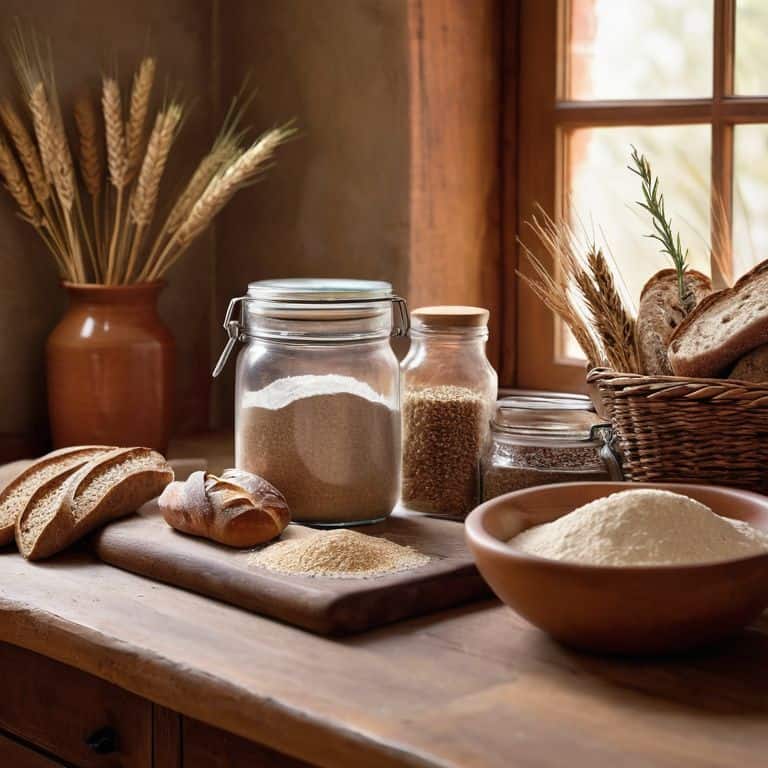
As I delve deeper into the world of whole wheat flour, I’ve come to realize the importance of baking with ancient grains. This technique not only adds depth to your baked goods but also provides a unique nutritional profile. When substituting whole wheat flour for all-purpose flour, it’s essential to understand the whole wheat flour substitution ratio to achieve the perfect texture.
To improve the texture of whole wheat baked goods, I recommend tips for improving whole wheat texture, such as adding an extra layer of fat or using a combination of leavening agents. This will help balance out the denser nature of whole wheat flour. Additionally, understanding the nutritional benefits of whole wheat will make you appreciate the extra effort that goes into baking with this type of flour.
When deciding between whole wheat flour vs all purpose flour, it’s crucial to consider the type of recipe you’re working with. Whole wheat flour is perfect for heartier baked goods like bread and muffins, while all-purpose flour is better suited for delicate pastries. Some of the best recipes using whole wheat flour include homemade bread, croissants, and cookies, which showcase the unique characteristics of this ancient grain.
Baking With Ancient Grains Benefits
Baking with ancient grains like whole wheat flour offers numerous benefits. For one, it provides a more complex flavor profile and denser texture, which I’ve grown to love in my own baking experiments. The higher fiber and nutrient content also make for a more satisfying and healthier treat. I’ve noticed a significant difference in the quality of my baked goods since switching to whole wheat flour, and I’m excited to share my findings with you.
In my test kitchen, I’ve compared the results of using whole wheat flour to traditional all-purpose flour, and the results are striking. The ancient grains hold up beautifully to lamination, and the added nutrition is a welcome bonus. Whether you’re a seasoned baker or just starting out, I highly recommend giving whole wheat flour a try – your taste buds and health will thank you.
Whole Wheat Flour vs All Purpose
When it comes to whole wheat flour, I often get asked how it stacks up against all-purpose flour. In my experience, whole wheat flour has a coarser texture and a nuttier flavor, which can be a game-changer in certain recipes. However, it can also be more dense and heavy, which may not be ideal for every baked good. All-purpose flour, on the other hand, is a more versatile option that can be used in a wide range of recipes.
In a side-by-side comparison, I’ve found that whole wheat flour produces a slightly denser crumb and a more pronounced flavor, while all-purpose flour yields a lighter, fluffier texture. Ultimately, the choice between whole wheat and all-purpose flour comes down to personal preference and the specific recipe you’re using.
Mastering Whole Wheat: 5 Essential Tips for the Discerning Baker
- Understand the protein content: Whole wheat flour typically has a higher protein content than all-purpose flour, which can affect the structure and texture of your baked goods
- Adjust your liquid content: Whole wheat flour tends to absorb more liquid than all-purpose flour, so be prepared to add a little more water or other liquid ingredients to your recipe
- Don’t overmix: Whole wheat flour can be more delicate than all-purpose flour, so mix your ingredients just until they come together in a shaggy mass, then let the dough rest
- Experiment with ratios: Try substituting whole wheat flour for some or all of the all-purpose flour in your favorite recipes, but be aware that a 1:1 substitution may not always yield the best results
- Store it properly: Whole wheat flour can go rancid if not stored in an airtight container in the fridge or freezer, so make sure to keep it fresh to preserve its nutritional benefits and baking performance
Key Takeaways for the Discerning Baker
Incorporating whole wheat flour into your baking repertoire can significantly enhance the nutritional profile and depth of flavor in your creations, making it an excellent choice for those seeking to elevate their craft
A critical comparison between whole wheat flour and all-purpose flour reveals distinct differences in protein content, fiber, and overall performance, emphasizing the need for adjusted recipes and techniques when substituting one for the other
By understanding the benefits and challenges associated with baking using ancient grains like whole wheat, home bakers can make informed decisions about their ingredient choices, leading to more satisfying and consistent results in the kitchen
The Heart of Whole Wheat Baking
Whole wheat flour isn’t just a healthier alternative, it’s a gateway to a deeper, richer flavor profile that elevates any baked good from ordinary to extraordinary, and that’s what makes it so compelling to me as a baking scientist.
David Grant
Conclusion: Unlocking the Full Potential of Whole Wheat Flour
As we conclude this guide to whole wheat flour in baking, it’s essential to summarize the key takeaways. We’ve explored the benefits of baking with ancient grains, including the improved nutritional profile and unique flavor profiles they offer. We’ve also compared whole wheat flour to all-purpose flour, highlighting the differences in texture, taste, and versatility. By understanding these factors, home bakers can make informed decisions about when to use whole wheat flour and how to incorporate it into their recipes for optimal results.
As you embark on your own whole wheat baking journey, remember that practice makes perfect. Don’t be discouraged by initial failures or unexpected outcomes – instead, embrace the process of experimentation and learn from your mistakes. With patience, persistence, and a willingness to try new things, you’ll unlock the full potential of whole wheat flour and discover a world of delicious, wholesome baked goods that will impress and delight your friends and family.
Frequently Asked Questions
What are the best ratios for substituting whole wheat flour in recipes that originally call for all-purpose flour?
When substituting whole wheat flour for all-purpose, I recommend starting with a 25:75 ratio – 25% whole wheat to 75% all-purpose. For a bolder flavor, you can increase the ratio to 50:50, but be aware that this may affect texture. I’ve found that this balance provides a nice depth of flavor without compromising structure.
How does the protein content of whole wheat flour affect the structure and texture of baked goods?
The protein content in whole wheat flour significantly impacts the structure and texture of baked goods. With a higher protein content than all-purpose flour, whole wheat flour produces a denser, heavier crumb and a more robust gluten network, which can be both beneficial and challenging to work with, depending on the desired outcome.
Can I use whole wheat flour to make delicate pastries and cakes, or is it better suited for heartier breads and muffins?
While whole wheat flour can be used for delicate pastries and cakes, it’s often better suited for heartier breads and muffins due to its coarser texture and nuttier flavor. However, with careful technique and ratio adjustments, you can still achieve great results in finer baked goods, as I’ve done in my own test kitchen experiments with whole wheat croissants.