As I sit in my bespoke cake studio, surrounded by the sweet scent of butter and vanilla, I often ponder the age-old question: what is the difference between a macaron and a macaroon? It’s a topic that has sparked debate among bakers and pastry enthusiasts alike, with some claiming that one is far superior to the other. But, in my opinion, this debate is often overcomplicated by unnecessary rules and expensive ingredients. As someone who’s spent years perfecting the art of French patisserie at Le Cordon Bleu, I believe that the true secret to creating exquisite macarons and macaroons lies not in the price tag, but in the technique and attention to detail.
In this article, I promise to cut through the noise and provide you with honest, experience-based advice on what sets these two delicate treats apart. From the science of ingredients to the final decorative touch, I’ll share my expertise gained from working in Michelin-starred restaurants and running my own cake studio. Whether you’re a seasoned baker or just starting out, my goal is to empower you with the knowledge and confidence to create beautiful, delicious cakes that will impress even the most discerning palates. So, let’s dive into the world of macarons and macaroons, and uncover the secrets behind these two tasty treats, shall we?
Table of Contents
- Macaron Mystique Unveiled
- What Is the Difference Between a Macaron and a Macaroon
- American Style Macaroon Variations With Almond Flour Uses
- Coconut Macaroon Recipes vs Traditional French Desserts
- 5 Essential Insights to Decode the Macaron vs Macaroon Conundrum
- Key Takeaways: Macarons and Macaroons Demystified
- The Essence of Distinction
- The Macaron and Macaroon: A Tale of Two Delights
- Frequently Asked Questions
Macaron Mystique Unveiled
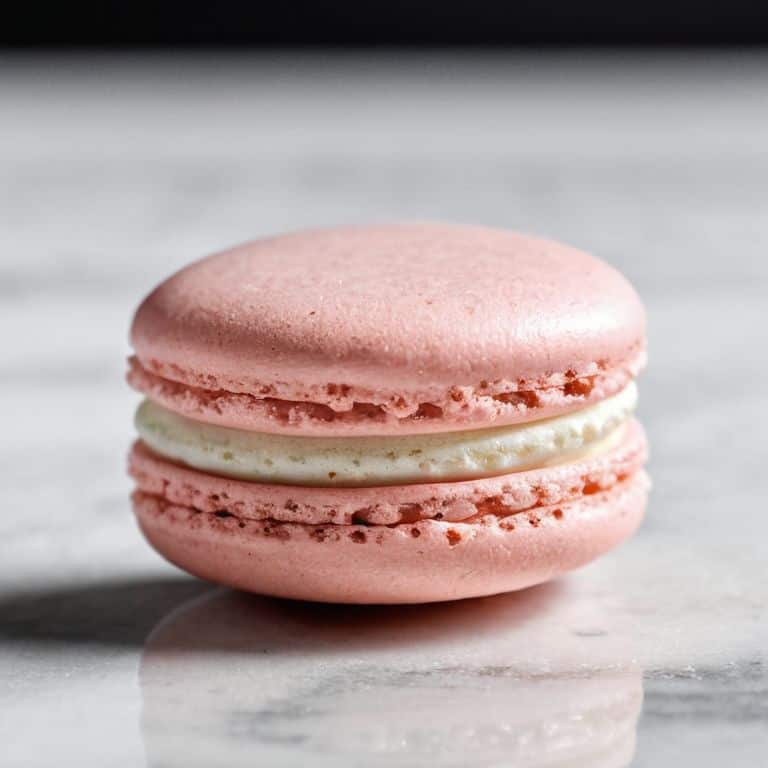
As I delve into the world of macarons, I’m reminded of the French macaron ingredients that make these delicate meringue-based cookies truly special. The combination of almond flour, egg whites, and granulated sugar creates a crisp exterior and a chewy interior that’s simply irresistible. When it comes to traditional French dessert recipes, the macaron is a masterclass in texture and flavor.
In contrast, coconut macaroon recipes often rely on the sweetness of shredded coconut and the richness of sweetened condensed milk. American style macaroon variations may incorporate additional ingredients like chocolate chips or nuts, but the core concept remains the same. While macaroons are certainly delicious in their own right, they lack the light-as-air texture that makes macarons so appealing.
For those looking to experiment with almond flour uses in baking, I recommend starting with a simple macaron recipe. The process of piping and baking these delicate cookies can be meditative, and the end result is well worth the effort. By understanding the nuances of meringue-based cookies, you’ll be better equipped to tackle more complex traditional French dessert recipes and create your own unique masterpieces.
Almond Flour Secrets in Meringue Based Cookies
As I delve into the world of meringue-based cookies, I’m reminded of the crucial role almond flour plays in creating the perfect macaron. The finest ground almond is essential for achieving a delicate, smooth texture that’s both tender and robust. When combined with the right amount of sugar and egg whites, almond flour helps to create a sturdy yet airy shell that’s the hallmark of a well-crafted macaron.
In my experience, using high-quality almond flour is what sets exceptional macarons apart from the rest. I’ve found that sifting the almond flour before mixing it with other ingredients helps to remove any lumps and ensures an even distribution of the delicate particles, resulting in a more consistent and refined texture.
French Macaron Ingredients Revealed
As I delve into the world of French macarons, I’m reminded of the importance of quality ingredients. The delicate balance of flavors and textures begins with the selection of premium components, including almond flour, egg whites, and granulated sugar.
To create these delicate meringue-based confections, it’s essential to understand the role of key ingredients, such as aged egg whites and high-quality food coloring, which contribute to the macaron’s signature crunch and vibrant appearance.
What Is the Difference Between a Macaron and a Macaroon
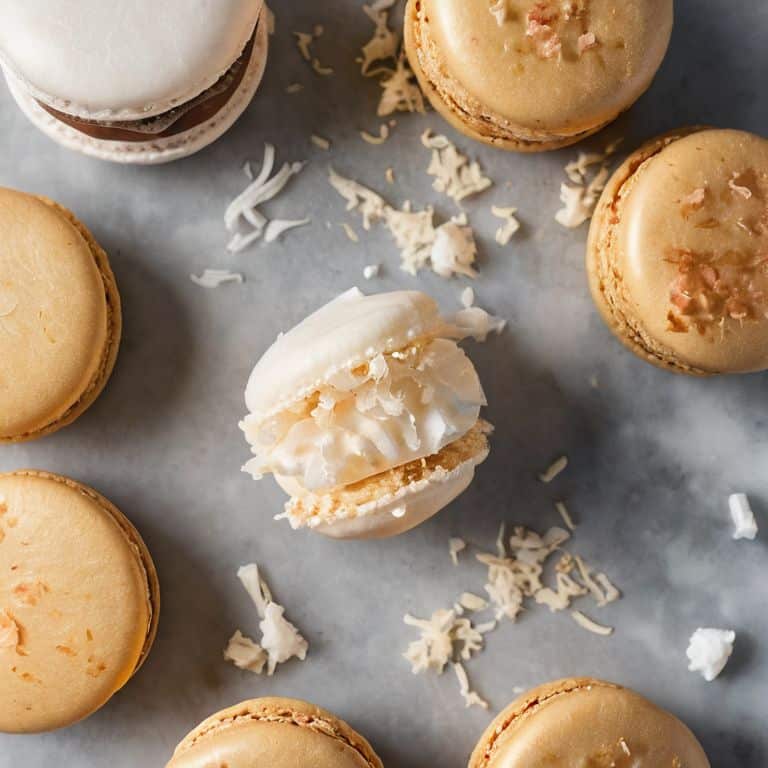
As we delve into the world of these two sweet treats, it’s essential to understand the distinctions in ingredients that set them apart. French macarons, for instance, rely heavily on _almond flour_ to create their signature delicate meringue-based cookies. In contrast, coconut macaroons are characterized by their liberal use of shredded coconut, often combined with sweetened condensed milk to create a chewy, tropical delight.
The technique involved in crafting these desserts also varies significantly. Macarons require a precise balance of _french macaron ingredients_, including aged egg whites and granulated sugar, to achieve their signature “foot” and smooth, rounded top. Coconut macaroons, on the other hand, are often simply scooped into balls and baked until lightly golden, with some _american style macaroon variations_ incorporating additional ingredients like chocolate chips or nuts.
When it comes to _traditional french dessert recipes_, the macaron stands out as a masterpiece of delicate flavors and textures, with its _meringue based cookies_ providing a perfect vehicle for a wide range of sweet and savory fillings. In contrast, coconut macaroons are often enjoyed on their own or used as a base for other desserts, such as cakes or trifles, with their rich, coconut flavor pairing beautifully with a variety of sweet treats.
American Style Macaroon Variations With Almond Flour Uses
As I delve into the world of American-style macaroons, I’m fascinated by the creative ways almond flour is used to add texture and flavor. Unlike their French counterparts, these chewy treats often incorporate a blend of coconut and almond flour, resulting in a delightful harmony of flavors. This unique combination has led to the creation of various macaroon variations, each with its own distinct character.
In my experiments with American-style macaroons, I’ve found that using high-quality almond flour makes all the difference in achieving the perfect balance of crunch and chew. By combining this finer almond flour with shredded coconut and a touch of sweetness, I’ve been able to craft macaroons that are both delicate and indulgent, perfect for satisfying any sweet tooth.
Coconut Macaroon Recipes vs Traditional French Desserts
As I delve into the world of coconut macaroons, I’m reminded of the contrast between these chewy treats and the delicate French macarons. The ingredients, texture, and overall experience are vastly different, making each a unique delight in its own right. Coconut macaroons often rely on the sweetness of shredded coconut and the richness of eggs to bind the ingredients together.
In comparison to traditional French desserts, coconut macaroon recipes offer a simpler approach to baking, with fewer ingredients and less emphasis on precise technique. This accessibility makes coconut macaroons a great introduction to baking for those who are just starting out, or for those who prefer a more relaxed approach to dessert-making.
5 Essential Insights to Decode the Macaron vs Macaroon Conundrum
- Understand the core ingredients: macarons rely on almond flour, whereas macaroons often use coconut as a primary component, drastically changing the texture and flavor profile
- Master the meringue: French macarons involve a delicate meringue-based batter, which differs significantly from the dense, coconut-rich mixture used in traditional macaroon recipes
- Recognize the role of sugar: macarons typically use granulated sugar, while macaroons might incorporate brown sugar or other sweeteners, affecting the final taste and appearance
- Pay attention to texture and presentation: macarons are known for their smooth, rounded shells and delicate ‘feet’, whereas macaroons are often more rustic, with a chunky coconut exterior
- Experiment with flavors: while macarons are famous for their varied and intricate flavor combinations, macaroons can also be infused with unique flavors, such as citrus or spices, to elevate their simplicity
Key Takeaways: Macarons and Macaroons Demystified
Macarons are delicate, meringue-based cookies that rely on precise ingredient ratios and techniques, particularly when it comes to almond flour and egg whites, to achieve their signature texture and appearance
Macaroons, on the other hand, are coconut-based cookies that can vary significantly in texture and flavor depending on the recipe, with American-style variations often incorporating almond flour for added depth and complexity
Understanding the fundamental differences between macarons and macaroons, from ingredients to preparation methods, is crucial for bakers looking to master these unique and delicious treats, whether you’re aiming for the elegance of French patisserie or the comfort of a homemade American classic
The Essence of Distinction
The difference between a macaron and a macaroon is not just a matter of ingredients, but a symphony of textures, flavors, and histories that converge to create two unique edible masterpieces, each deserving of our appreciation and admiration.
Alison Lawson
The Macaron and Macaroon: A Tale of Two Delights
As we’ve delved into the world of macarons and macaroons, it’s clear that while both are delicious, they are distinctly different in terms of ingredients, texture, and overall character. The French macaron, with its delicate meringue-based cookies and rich ganache fillings, is a masterpiece of intricate design and precise technique. On the other hand, the coconut macaroon, often associated with American-style baking, offers a sweet and chewy experience that can be just as satisfying. By understanding the unique qualities of each, we can appreciate the artistry that goes into creating these edible works of art.
As we conclude our journey through the realm of macarons and macaroons, remember that the true beauty of baking lies not just in the end result, but in the creative process itself. So, don’t be afraid to experiment, to innovate, and to push the boundaries of what’s possible with these two beloved treats. Whether you’re a seasoned pastry chef or a curious beginner, the world of macarons and macaroons invites you to join in the sweet celebration of flavors, textures, and presentation, where every bite is a testament to the magic of baking.
Frequently Asked Questions
Can I substitute almond flour with coconut flour in macaron recipes?
While I understand the desire to experiment, I must advise against substituting almond flour with coconut flour in macaron recipes. Coconut flour absorbs liquid differently and can alter the delicate balance of the meringue-based cookie, leading to undesirable textures and flavors. For optimal results, it’s best to stick with traditional almond flour.
How do I achieve the perfect meringue-based cookie texture in French macarons?
To achieve the perfect meringue-based cookie texture in French macarons, I swear by aging my egg whites for 24 hours and using a precise folding technique to combine them with almond flour. This delicate balance is key to creating a smooth, rounded shell that’s both crunchy and chewy.
What are some creative flavor combinations for coconut macaroons that blend traditional and modern twists?
For a modern twist on traditional coconut macaroons, I adore combining the richness of dark chocolate with the brightness of orange zest, or the warmth of caramel with the depth of fleur de sel. Another favorite is pairing toasted coconut with the sweetness of dried cranberries and the subtlety of lime juice – the possibilities are endless, and I’m excited to see what you create!