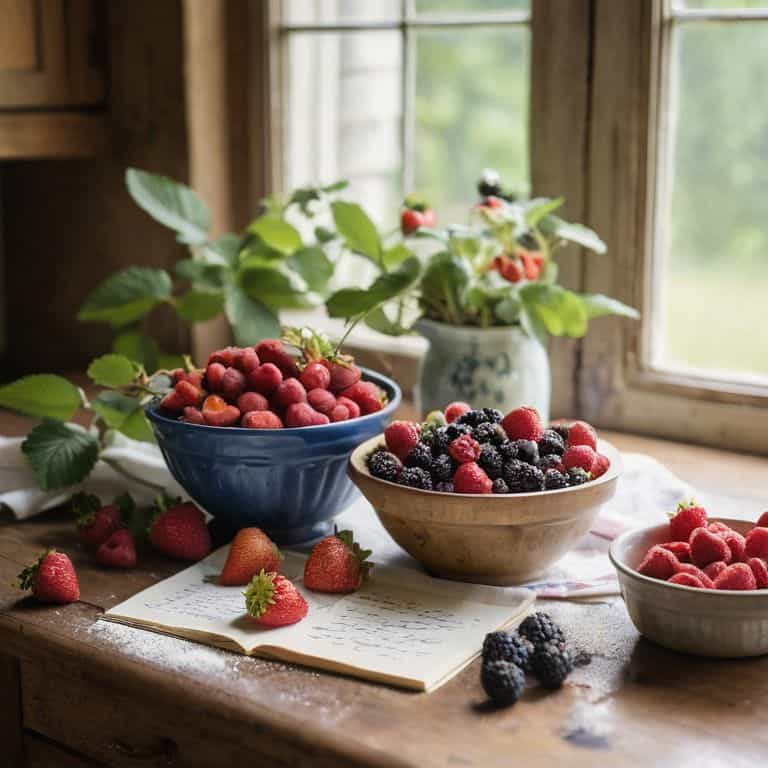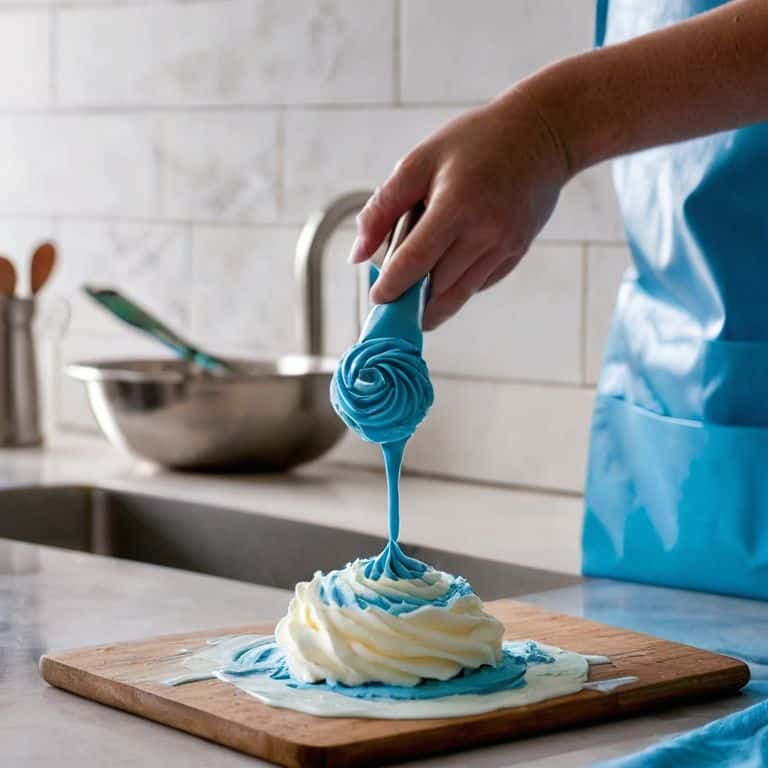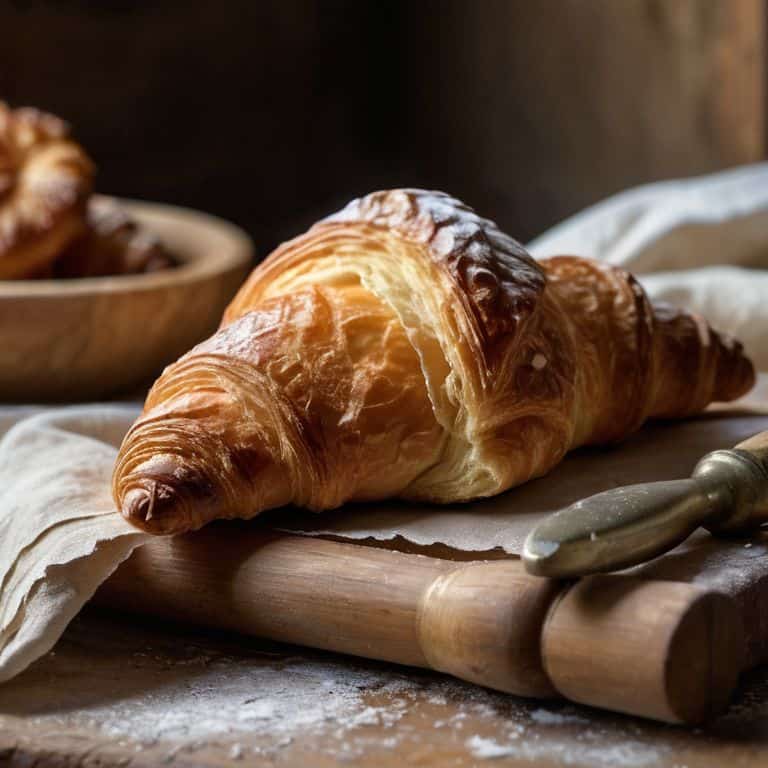
As I stand in my kitchen, surrounded by the warm scent of butter and the soft hum of mixers, I’m often reminded of the misconception that a guide to classic french pastries is only for the experienced baker. Many believe that mastering the art of French pastry requires years of training and a dash of magic, but I’m here to tell you that with the right techniques and a bit of patience, anyone can create these delicate, flaky, and oh-so-French treats. My own journey with French pastry began during my time at Le Cordon Bleu, where I fell in love with the precision and beauty of laminated dough and the simplicity of a well-crafted tarte tatin.
In this article, I’ll share my honest, no-hype advice on how to bring the art of a guide to classic french pastries into your own home. From the importance of using high-quality ingredients, like rich European butter, to the simple yet crucial techniques for * layering dough, I’ll guide you through the process of creating stunning, delicious French pastries that will impress even the most discerning palates. Whether you’re a beginner or an experienced baker, my goal is to empower you with the knowledge and confidence to create *beautiful, delicious cakes that rival those found in the finest Parisian patisseries.
Table of Contents
- Guide Overview: What You'll Need
- Step-by-Step Instructions
- A Guide to Classic French Pastries
- The Artisan's Essentials: 5 Tips to Master Classic French Pastries
- Timeless Tips for Mastering Classic French Pastries
- The Heart of French Pastry
- Mastering the Art of French Pastry: A Sweet Conclusion
- Frequently Asked Questions
Guide Overview: What You'll Need
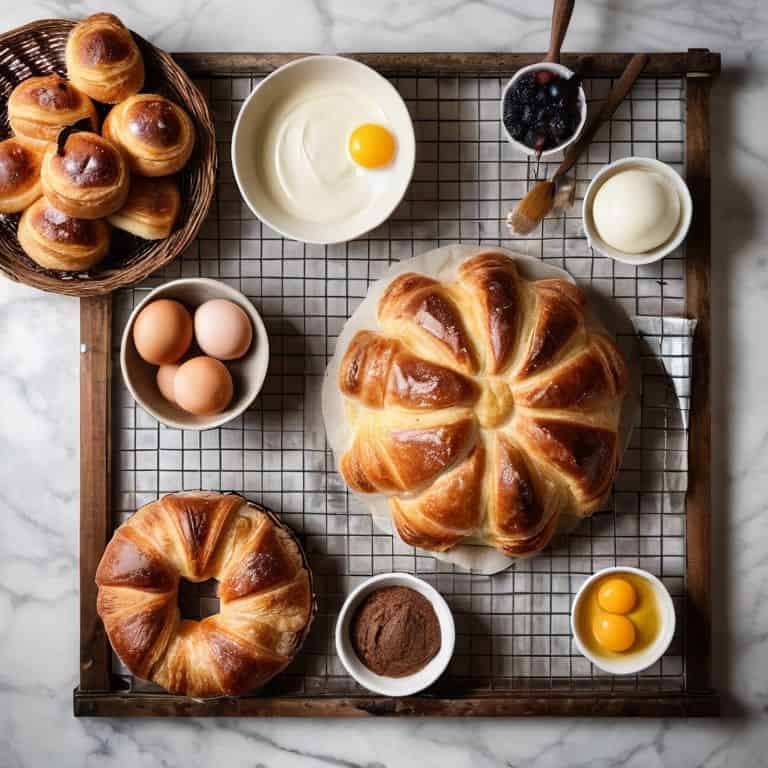
Total Time: 3 hours 45 minutes
Estimated Cost: $50 – $100
Difficulty Level: Intermediate
Tools Required
- Pastry Brush (for egg wash)
- Rolling Pin (for dough rolling)
- Piping Bag (for filling and decorating)
- Bench Scraper (for scraping and portioning dough)
- Oven Thermometer (for accurate temperature control)
- Measuring Cups and Spoons (for precise ingredient measurement)
Supplies & Materials
- All-Purpose Flour (for dough)
- Unsalted Butter (for pastry dough and filling)
- Granulated Sugar (for filling and topping)
- Large Eggs (for egg wash and filling)
- Whole Milk (for filling and topping)
- Pure Vanilla Extract (for flavoring)
- Confectioners Sugar (for dusting and decorating)
- Fresh Fruit (for topping and filling)
Step-by-Step Instructions
- 1. First, let’s start with the foundation of all classic French pastries: high-quality ingredients. I always say that the best pastries begin with the finest ingredients, including rich, European-style butter and pure, fragrant vanilla. Make sure to have these essentials on hand before we begin our pastry journey.
- 2. Next, we need to create a pâte brisée, or basic pastry dough, which will serve as the base for many of our classic French pastries. To do this, combine 2 1/4 cups of all-purpose flour, 1 teaspoon of salt, and 1 cup of cold, cubed butter in a large mixing bowl. Use a pastry blender or your fingertips to work the butter into the flour until the mixture resembles coarse crumbs.
- 3. Now, let’s add a touch of je ne sais quoi to our pastry dough by incorporating a small amount of ice-cold water. Start with 1/4 cup of water and gradually add more as needed, stirring the mixture with a fork until it forms a cohesive, slightly sticky ball. Be careful not to overwork the dough, as this can lead to a tough, dense pastry.
- 4. With our pastry dough prepared, it’s time to roll it out to the desired thickness. I like to use a marble pastry board to keep my dough cool and prevent it from sticking. Roll the dough out to a thickness of about 1/8 inch, using long, smooth strokes to achieve an even, consistent texture.
- 5. As we explore the world of classic French pastries, we’ll encounter a variety of fillings and toppings, from rich, velvety chocolate ganache to delicate, fruit-based compotes. For now, let’s focus on preparing a simple, yet elegant, frangipane filling made with ground almonds, sugar, and eggs. This filling will add a delicious, moist texture to our pastries.
- 6. To assemble our pastries, we’ll need to cut out shapes from our rolled-out dough using a pastry cutter or the rim of a glass. I like to use a variety of shapes, including circles, squares, and rectangles, to create visually appealing pastries. Simply place a small spoonful of your chosen filling in the center of each dough shape, brush the edges with a little water, and fold the pastry in half to seal.
- 7. Finally, let’s add a touch of artistic flair to our pastries by brushing them with a beaten egg and sprinkling with a pinch of granulated sugar. This will give our pastries a beautiful, golden glaze when they emerge from the oven. Simply place your pastries on a baking sheet lined with parchment paper and bake in a preheated oven at 375°F (190°C) for 20-25 minutes, or until golden brown.
A Guide to Classic French Pastries
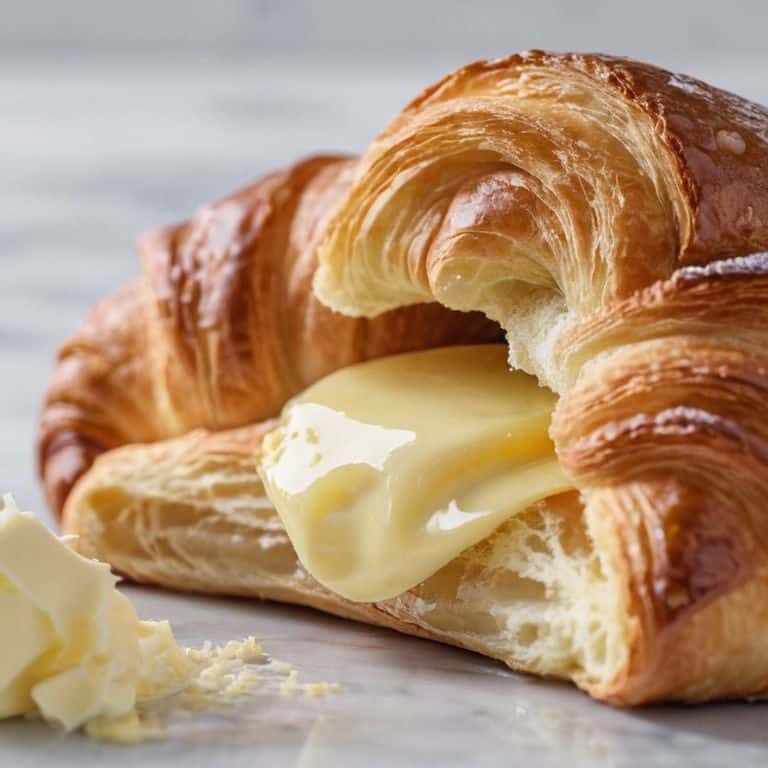
As I delve into the world of classic French dessert recipes, I’m reminded of the importance of using high-quality ingredients, particularly when it comes to butter and vanilla. French pastry dough techniques require a certain level of finesse, and the right ingredients can make all the difference. When making flaky croissants, for instance, it’s essential to use a combination of cold butter and a light touch to achieve the perfect layers.
To elevate your French pastries to the next level, consider experimenting with traditional French pastry fillings, such as frangipane or ganache. These classic fillings add a depth of flavor and sophistication to your baked goods. When it comes to elegant french dessert presentation, remember that simplicity is key. A beautifully piped border or a delicate sprinkle of powdered sugar can make all the difference in the presentation of your French bakery style cake.
In my own bespoke cake studio, I’ve found that tips for making flaky croissant are always in high demand. One of my favorite tips is to use a combination of all-purpose and bread flour to create a more tender, flaky crust. By mastering these classic French pastry techniques, you’ll be well on your way to creating stunning, delicious pastries that are sure to impress.
Butter Flour and a Pinch of Je Ne Sais Quoi
As I delve into the world of classic French pastries, I’m reminded of the importance of quality ingredients. For me, it all starts with the butter – the richer, the better. I recall my days training at Le Cordon Bleu, where we’d spend hours perfecting our croissant recipe, layering dough and butter to achieve that perfect flaky texture. The smell of warm butter and flour still transports me to those Parisian kitchens. With each pastry, I aim to capture a piece of that essence, combining the finest ingredients with a dash of creativity to create something truly special.
Elevating French Pastry Dough Techniques
As I delve into the world of French pastry, I’m reminded of the importance of mastering the dough. It’s the foundation upon which all great pastries are built. To elevate your French pastry dough techniques, it’s essential to understand the nuances of laminating, or layering, the dough. This process creates the flaky, tender texture that’s characteristic of classic French pastries like croissants and puff pastry. By carefully folding and rolling the dough, you’ll create a delicate balance of butter and dough that will leave your pastries feeling light and airy.
With practice, you’ll develop a sense of when the dough is ready to be laminated, and how to coax the perfect layers from your pastry. Remember, patience is key – don’t rush the process, and you’ll be rewarded with a dough that’s both sturdy and delicate.
The Artisan's Essentials: 5 Tips to Master Classic French Pastries
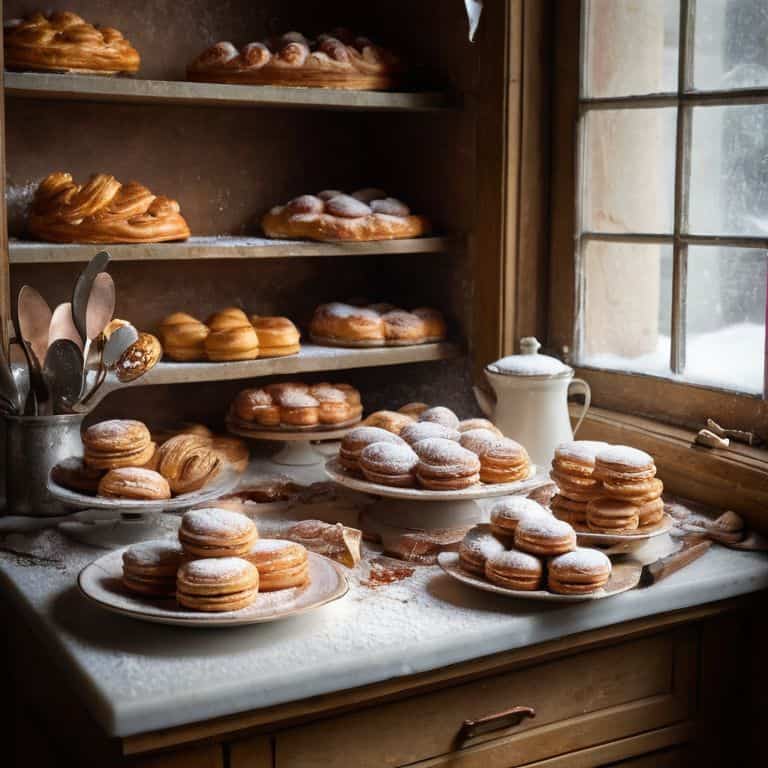
- Understand the importance of temperature control when working with butter, as it directly affects the flakiness and texture of your pastry
- Select high-quality, European-style butter with a high fat content for the best flavor and texture in your pastries
- Develop a feel for the dough by working with it regularly, allowing you to gauge its readiness and consistency instinctively
- Invest in a digital scale to ensure precise measurements, as this is crucial in French pastry making where small variations can significantly impact the final product
- Practice laminating dough to create the layered, flaky texture that is a hallmark of classic French pastries, such as croissants and puff pastry
Timeless Tips for Mastering Classic French Pastries
Understanding the importance of high-quality ingredients, such as rich, European-style butter and pure vanilla, is crucial for creating authentic French pastries that not only taste divine but also look exquisite
Mastering the art of laminating dough, a technique that involves folding and rolling the dough multiple times to create the flaky, buttery layers characteristic of croissants and puff pastry, is a fundamental skill for any aspiring pastry chef
Practicing patience and precision in your pastry-making process, from the initial mixing of ingredients to the final decorative touches, will elevate your baked goods from mere mortal creations to edible works of art that would make even the most discerning Parisian patissier proud
The Heart of French Pastry
To truly master the art of classic French pastries, one must first understand that it’s not just about following a recipe, but about embracing a philosophy of simplicity, elegance, and patience – where every layer, every fold, and every delicate touch tells a story of tradition, love, and dedication.
Alison Lawson
Mastering the Art of French Pastry: A Sweet Conclusion
As we conclude our journey through the world of classic French pastries, let’s take a moment to reflect on the techniques we’ve learned along the way. From the flaky layers of a perfectly crafted croissant to the delicate balance of flavors in a classic macaron, each pastry has its own unique characteristics and challenges. By mastering the art of French pastry dough and understanding the importance of quality ingredients, such as rich butter and pure vanilla, you’ll be well on your way to creating beautiful and delicious pastries that will impress even the most discerning palates.
As you continue to explore the world of French pastry, remember that the true art of baking lies not just in following a recipe, but in elevating each ingredient to its full potential. Don’t be afraid to experiment, to try new flavors and techniques, and to push the boundaries of what’s possible with each and every pastry. With practice, patience, and a passion for the art of French pastry, you’ll be creating sublime masterpieces that will delight and inspire all who taste them.
Frequently Asked Questions
What are the most essential ingredients and tools needed to get started with making classic French pastries at home?
To begin, you’ll need high-quality ingredients like rich, European-style butter and pure vanilla, as well as essential tools such as a pastry brush, a marble surface for rolling, and a sharp pastry blade.
How do I achieve the perfect layers and flakiness in croissant dough?
To achieve those coveted layers and flakiness in croissant dough, it’s all about laminating – folding and rolling the dough to create buttery, airy pockets. I swear by a precise 3-fold technique, gently coaxing the dough to surrender its tender, golden layers. Practice makes perfect, so don’t be discouraged if it takes a few tries to get it just right!
What are some common mistakes to avoid when working with French pastry dough to ensure a successful bake?
To ensure a successful bake, beware of overworking the dough, which can lead to toughness, and insufficient resting time, causing poor layering. Also, avoid using low-quality butter, as it can affect flavor and texture.