As I sit in my bespoke cake studio, surrounded by the whispers of sugar and spice, I’m reminded of the countless times I’ve been asked how to make madeleines that are truly unforgettable. The truth is, many of us have been led to believe that these delicate French cakes are finicky and difficult to master, but I’m here to tell you that’s simply not the case. With a few simple tweaks and a deep understanding of the ingredients, you can create madeleines that are nothing short of magical.
In this article, I promise to guide you through the art and science of making madeleines, sharing my own experiences and tips gathered from years of working in Michelin-starred restaurants and running my own cake studio. I’ll walk you through the process of selecting the finest ingredients, from the best quality butter to the freshest vanilla, and show you how to bring it all together to create madeleines that are both delicious and visually stunning. Whether you’re a seasoned baker or just starting out, my goal is to empower you with the knowledge and confidence to create these beautiful cakes and make them your own.
Table of Contents
Recipe Details
Ingredients
- 1 1/2 cups all-purpose flour (sifted)
- 1/2 cup granulated sugar
- 3 large eggs
- 2 1/2 teaspoons baking powder
- 1/2 teaspoon salt
- 1/2 cup unsalted butter, melted
- 1 teaspoon pure vanilla extract
Tools & Supplies
- Large mixing bowl
- Whisk
- Rubber spatula
- Madeleine pan (12-shell)
- Oven
Recipe Instructions
Step 1
First, let’s start by preheating our oven to 375°F (190°C), making sure to butter and flour our madeleine molds to prevent the cakes from sticking. I like to use a mixture of all-purpose flour and confectioners’ sugar for dusting, as it adds a delicate touch to the finished cakes.
Step 2
In a medium-sized bowl, whisk together 1 1/2 cups of all-purpose flour, 1/2 cup of confectioners’ sugar, and a pinch of salt. I’m quite particular about using high-quality ingredients, especially when it comes to the flour, as it affects the texture and overall taste of the madeleines.
Step 3
Next, in a large bowl, whisk together 3 large eggs, 1/2 cup of granulated sugar, and 1/2 teaspoon of pure vanilla extract. I adore using fresh vanilla beans for an added depth of flavor, but extract works beautifully as well. Make sure to whisk until the mixture is smooth and creamy, almost double in volume.
Step 4
Gradually add the dry ingredients to the egg mixture, whisking until just combined. Be careful not to overmix, as this can result in dense madeleines. Then, melt 1/2 cup of unsalted butter and let it cool slightly before pouring it into the mixture. I always use European-style butter for its higher fat content, which gives the madeleines a richer flavor.
Step 5
Now, it’s time to pour the batter into our prepared molds, filling them about 3/4 of the way full. I like to use a piping bag for a more precise pour, but a spoon works just as well. Gently tap the molds on the counter to remove any air bubbles and ensure the batter is evenly distributed.
Step 6
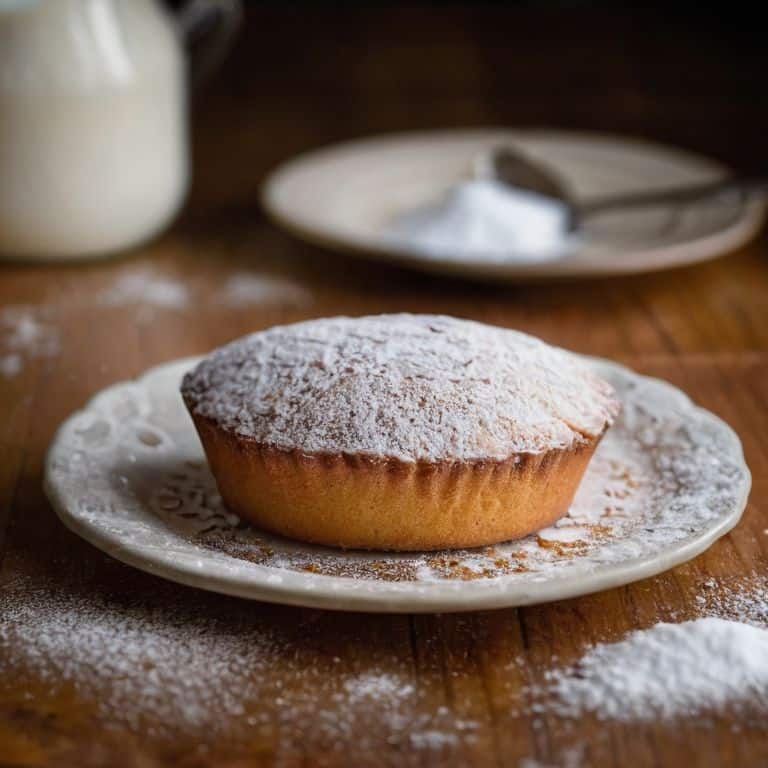
Place the molds on a baking sheet lined with parchment paper and bake for 12-15 minutes, or until the edges are lightly golden. Keep an eye on them, as the baking time may vary depending on your oven. Once done, remove the madeleines from the oven and let them cool in the molds for a few minutes before transferring them to a wire rack to cool completely. This is the moment when you get to see your delicate, shell-shaped delights take shape.
The Madeleine Mastery
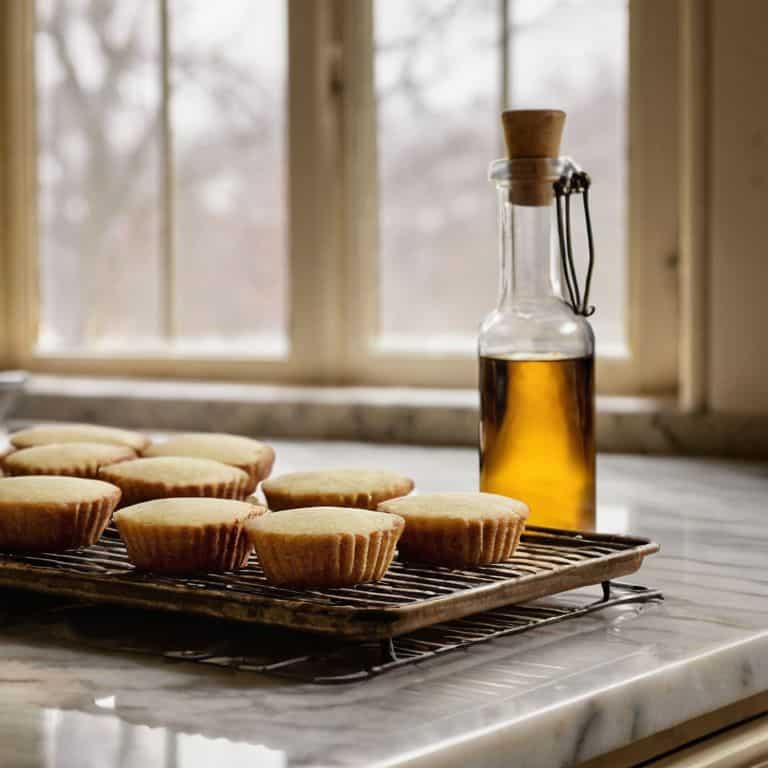
As I delve into the world of madeleines, I’m reminded of the importance of traditional madeleine ingredients. The quality of the butter, eggs, and flour can make all the difference in achieving that perfect, delicate texture. I like to use a combination of all-purpose and cake flour to get the right balance of structure and tenderness. When it comes to flavor, I’m a firm believer in the power of high-quality vanilla to elevate the entire experience.
One of the most common challenges people face when making madeleines is the lack of a madeleine pan substitute. Fear not, my friends! While a traditional madeleine pan is ideal, you can also use a shell-shaped cookie mold to achieve similar results. The key is to make sure the mold is well-greased and floured to prevent the madeleines from sticking. I’ve also experimented with brown butter cake recipes to add a rich, nutty flavor to my madeleines.
To take your madeleine game to the next level, I recommend experimenting with different french madeleine cake recipe variations. Try adding a hint of lemon or orange zest to the batter for a bright, citrusy flavor. You can also play with different types of milk, such as almond or soy milk, to create a non-dairy version. Remember, the key to mastering madeleines is to pay attention to detail and not be afraid to try new things. With practice and patience, you’ll be whipping up these delicate, shell-shaped delights like a pro!
Elevating With Brown Butter and Traditional Ingredients
To truly elevate our madeleines, we must turn to the richness of brown butter and the simplicity of traditional ingredients. I adore using high-quality, European-style butter for its deep, nutty flavor that develops as it browns. This added depth is the perfect complement to the bright, airy texture of our madeleines. By incorporating brown butter into our batter, we’re not only enhancing the flavor profile but also paying homage to the traditional French patisserie techniques that inspired these delicate cakes.
The combination of brown butter, pure vanilla, and a touch of sea salt creates a beautiful harmony of flavors that will leave your taste buds singing. As I always say, the quality of our ingredients is what sets our baked goods apart from the ordinary, and in the case of madeleines, this attention to detail is what transforms them into edible art.
Unlocking French Madeleine Cake Secrets
As I delve into the world of madeleines, I’m reminded of the importance of using high-quality ingredients, particularly butter and vanilla. The subtle nuances of these components can elevate the entire baking experience. I always sketch out my cake designs before bringing them to life, and with madeleines, it’s no different. The shell-shaped mold is more than just a vessel – it’s an integral part of the cake’s charm.
To truly unlock the secrets of French madeleine cake, one must understand the delicate balance of texture and flavor. It’s a dance between the tender crumb, the delicate browned edges, and the whisper of vanilla. By mastering this balance, home bakers can create madeleines that rival those found in Parisian patisseries. With a little practice and patience, the art of making madeleines can be yours to savor.
5 Essential Tips to Master the Art of Madeleine Making
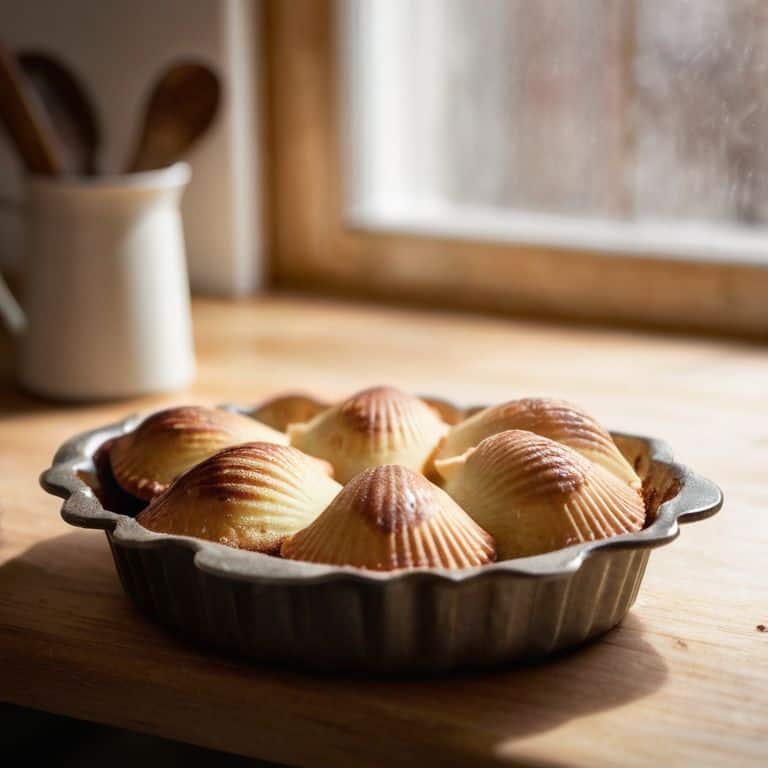
- Use room temperature ingredients, especially eggs and butter, to ensure a smooth and even batter
- don’t overmix the batter, as this can lead to dense and tough madeleines – stop mixing as soon as the ingredients come together
- Invest in a high-quality madeleine pan, as the shell shape is essential to the cake’s characteristic appearance and texture
- Brown your butter before adding it to the batter for a deeper, nuttier flavor that complements the traditional vanilla and lemon zest
- Resist the temptation to open the oven door during baking, as madeleines are sensitive to temperature fluctuations and can sink or lose their shape if disturbed
Key Takeaways for the Perfect Madeleines
To achieve the signature hump and delicate texture of madeleines, it’s crucial to not overmix the batter and to use room temperature ingredients, especially eggs and butter.
Elevating your madeleines with brown butter instead of regular butter adds a rich, nutty flavor that complements the traditional vanilla and lemon zest, creating a truly sophisticated taste experience.
Investing time in preparing your madeleine molds, ensuring they are well-buttered and floured, is essential for a smooth release of the cakes after baking, preserving their beautiful shell shape and making them a true delight to serve.
The Essence of Madeleine Perfection
To truly master the madeleine, one must embrace the harmony of texture and flavor, where the tender crumb and the shell’s gentle curve converge in a delicate, edible whisper of French patisserie.
Alison Lawson
The Madeleine Legacy: A Lasting Impression
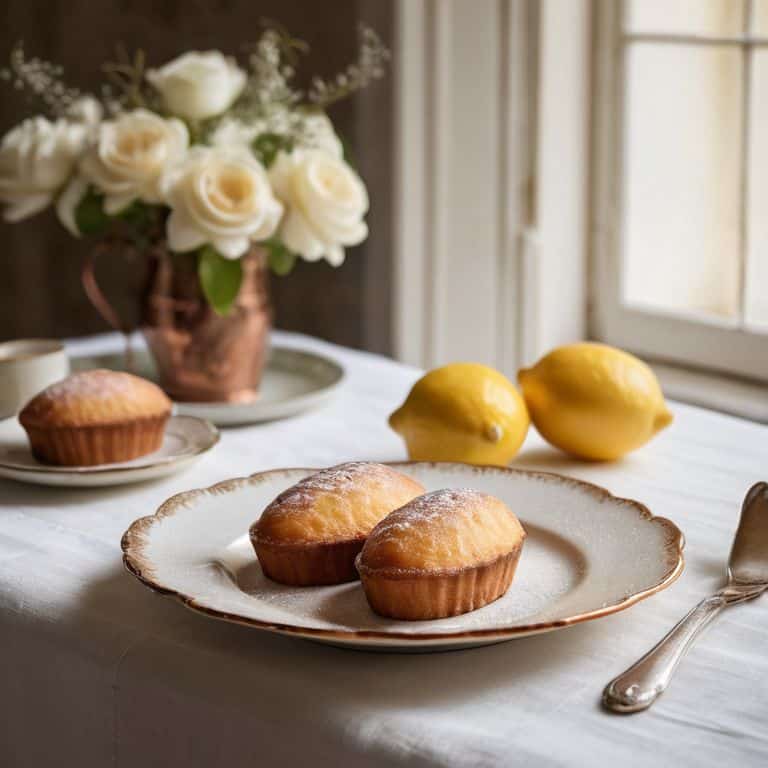
As we conclude our journey through the world of madeleines, let’s revisit the essence of French patisserie: attention to detail, quality of ingredients, and a deep understanding of technique. We’ve unlocked the secrets of traditional madeleines, and then taken it a step further by elevating them with brown butter and carefully selected ingredients. By mastering the art of making madeleines, you’re not just baking a cake – you’re creating an experience that will leave a lasting impression on those who taste them.
Now, as you put your skills to the test and create your own madeleine masterpieces, remember that the art of baking is a journey, not a destination. Don’t be afraid to experiment, to try new flavors and ingredients, and to push the boundaries of what’s possible with this humble, yet exquisite French cake. With every madeleine that emerges from your oven, you’re not just sharing a delicious treat – you’re sharing a piece of yourself, and the joy that comes from creating something truly beautiful.
Frequently Asked Questions
What is the ideal temperature and storage condition for madeleines to preserve their delicate texture and flavor?
To preserve the delicate texture and flavor of madeleines, I recommend storing them in an airtight container at room temperature, around 68°F to 72°F, for up to 2 days. For longer storage, freeze them at 0°F, carefully wrapped, to maintain their tender crumb and subtle vanilla notes.
Can I substitute the traditional brown butter with a different type of fat, such as coconut oil or regular butter, without compromising the madeleines' unique taste?
While I adore experimentation, I must advise against substituting brown butter with coconut oil or regular butter, as it would alter the madeleines’ distinctive nutty flavor and tender crumb. Brown butter’s unique character is essential to the traditional taste; however, if you’re looking for alternatives, a high-quality, European-style butter with a high butterfat content could be a worthy substitute in a pinch.
How do I achieve the perfect 'bump' on top of my madeleines, and what are some common mistakes to avoid in order to get this signature characteristic right?
To achieve the perfect ‘bump,’ ensure your batter is at room temperature and gently folded, as overmixing can prevent this signature rise. Also, don’t open the oven door during baking, as this can disrupt the madeleine’s delicate formation. A gentle bump, not a dramatic peak, is the goal – think subtle, tender curve, and you’ll be on your way to madeleine mastery.