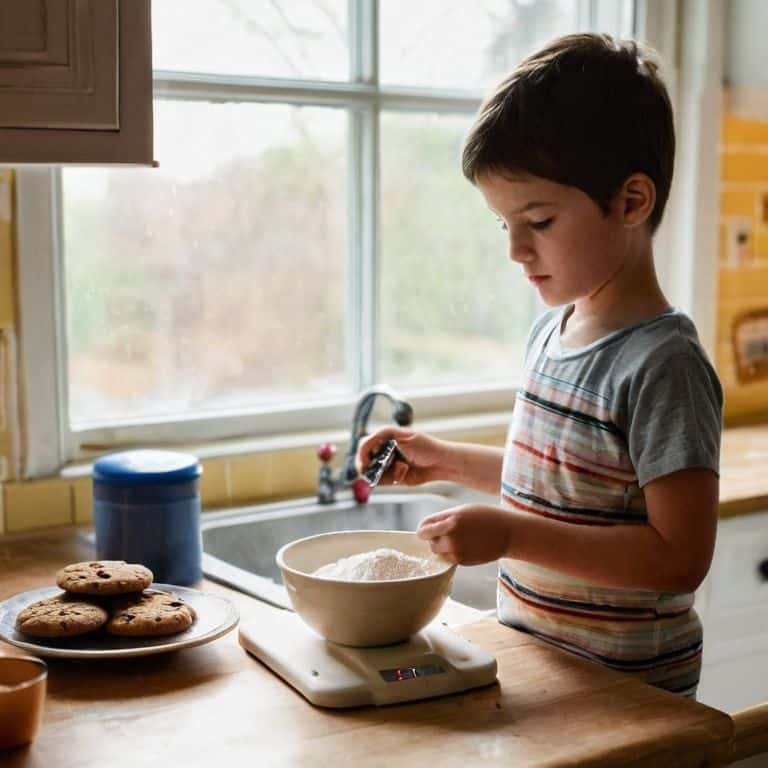
I still remember the first time my kid helped me measure out flour and sugar for a batch of cookies – it was a total game-changer. As I was teaching them how to teach your child to measure ingredients, I realized that it’s not just about following a recipe, but about passing on a tradition and creating memories. So many parents struggle with making baking a fun and educational experience for their kids, but it doesn’t have to be that way. By learning how to teach your child to measure ingredients, you can unlock a world of creativity and bonding in the kitchen.
In this article, I’ll share my personal tips and tricks for making measurement a breeze for kids. You’ll learn how to make the process fun and engaging, and how to avoid common pitfalls that can lead to frustration. From using everyday objects to practice measurement skills, to creating a baking routine that your kids will love, I’ll cover it all. By the end of this guide, you’ll be equipped with the knowledge and confidence to teach your child the art of measurement, and to create a lifelong love of baking in the process.
Table of Contents
- Guide Overview: What You'll Need
- Step-by-Step Instructions
- Teaching Kids Measurement Magic
- Measuring Up: 5 Tips to Teach Your Child the Art of Ingredient Measurement
- Measuring Up: 3 Key Takeaways for Teaching Kids
- Measuring Up to the Task
- Conclusion: Raising the Next Generation of Bakers
- Frequently Asked Questions
Guide Overview: What You'll Need
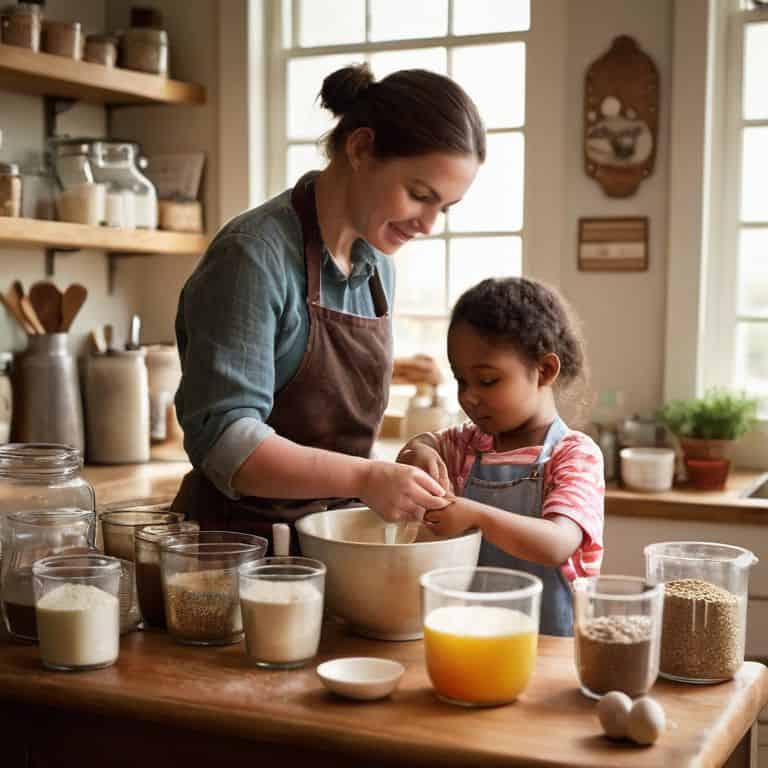
Total Time: 30 minutes to 1 hour
Estimated Cost: $10 – $20
Difficulty Level: Easy
Tools Required
- Measuring Cups dry and liquid
- Measuring Spoons set of 6
- Digital Scale optional
Supplies & Materials
- Ingredient Samples e.g., flour, sugar, water
- Recipe Cards with measurements
- Practice Measuring Exercises printable worksheets
Step-by-Step Instructions
- 1. First, I like to start by making the experience of measuring ingredients a fun and interactive process for my kid, so we begin by gathering all the necessary tools and ingredients on the kitchen counter, creating a sense of excitement and anticipation for the baking process to come.
- 2. Next, I explain to my child the importance of using the right measuring cups and spoons, showing them how to properly read the measurements and understand the difference between dry and liquid ingredients, making sure they grasp the concept that accuracy is key in baking.
- 3. Then, we move on to practicing with simple ingredients like flour and sugar, where I demonstrate how to scoop and level the dry ingredients correctly, ensuring that my kid understands the value of precision and how it affects the final product.
- 4. After that, we dive into measuring liquids, which can be a bit trickier, so I show my kid how to place the measuring cup on a flat surface and read the measurement at eye level, emphasizing the need to be patient and careful when handling liquids to avoid spills and errors.
- 5. Once my kid feels comfortable with measuring dry and liquid ingredients, we start combining them in a simple recipe, like a batch of cookies, where I guide them through following a recipe and understanding the sequence of events, from preheating the oven to mixing the dough.
- 6. As we work through the recipe, I encourage my kid to ask questions and think critically about the process, exploring why certain ingredients are used and how they contribute to the final product, fostering a sense of curiosity and experimentation in the kitchen.
- 7. Finally, we take a step back and enjoy the fruits of our labor, tasting the freshly baked cookies and discussing what we could do differently next time, using this opportunity to teach my kid about the importance of feedback and self-improvement in the baking process, and how these lessons can apply to other areas of life as well.
Teaching Kids Measurement Magic
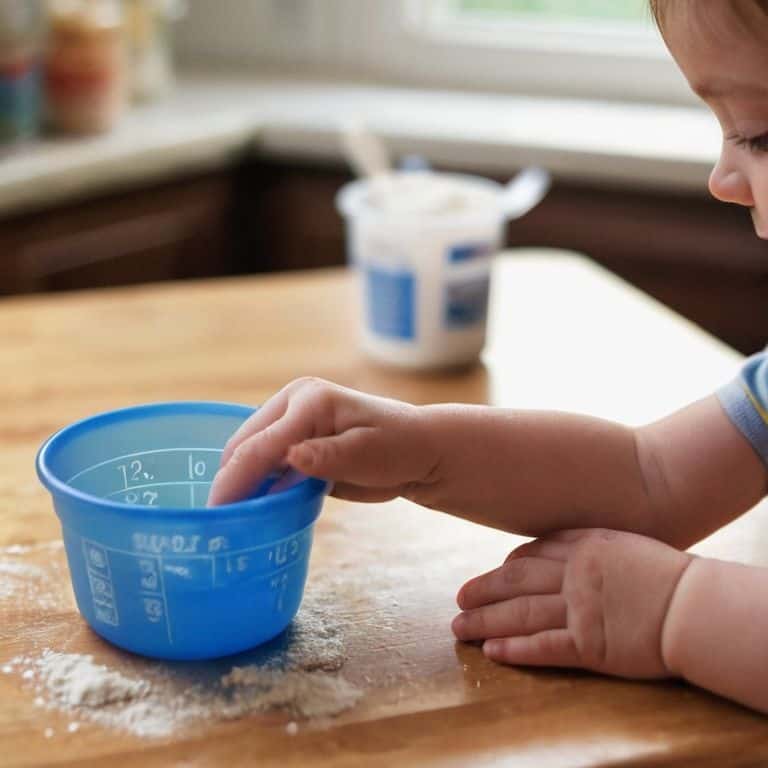
As I reflect on my own experiences with my kid in the kitchen, I realize that accurate measurement techniques are crucial when it comes to baking. It’s not just about following a recipe, but also about understanding the importance of precision. I’ve found that using _kids friendly measuring cups_ can make a huge difference in helping little ones grasp these concepts. The colorful designs and easy-to-read labels make measurement a fun and engaging process.
When it comes to teaching measurement conversion, I’ve learned that it’s essential to start with simple exercises. For example, we’ll often play a game where we convert between different units, like teaspoons to tablespoons. This not only helps my kid develop their math skills but also builds their confidence in the kitchen. I’ve also discovered that incorporating _baking with kids recipes_ into our routine has been a great way to put these skills into practice. By making measurement a hands-on experience, my kid is more likely to remember and apply these techniques in the future.
To make measurement even more enjoyable, we like to turn it into a game. We’ll set up a series of challenges, like measuring out ingredients for a simple recipe, and see who can get the closest to the exact amount. This approach has helped my kid develop _fun ways to practice measuring_ and has taken the frustration out of the learning process. By making measurement a positive and engaging experience, I’m hopeful that my kid will develop a lifelong love for baking and a deep appreciation for the importance of accuracy in the kitchen.
Baking Fun Measuring Ingredients Games
As I watched my little ones transform into mini baking masters, I realized that measuring ingredients can be a game-changer – literally. We turned measuring into a fun competition, seeing who could scoop out the perfect amount of flour or sugar. I also created a “Measurement Scavenger Hunt” around the kitchen, hiding different measuring cups and spoons for them to find and use. This not only taught them about measurements but also about teamwork and problem-solving.
These games have become an integral part of our baking sessions, making the experience enjoyable and interactive. By incorporating play into the process, my kids have developed a deeper understanding of measurements and a passion for baking that goes beyond just following a recipe.
Sweet Lessons Kids Friendly Measuring Cups
As I watched my kid’s eyes light up while measuring out ingredients, I realized the importance of having the right tools. Kids-friendly measuring cups can make all the difference in sparking their interest in baking. I’ve found that colorful, easy-to-read cups with clear markings are perfect for little hands to hold and understand. They’re also a great way to introduce kids to the concept of fractions and conversions, making the learning process a fun, hands-on experience.
I’ve collected a few of these measuring cups over the years, and they’ve become a staple in our kitchen. My kid loves being able to read the measurements and feel like they’re in charge of adding the perfect amount of sugar or flour to our recipes. It’s amazing how something as simple as a measuring cup can create a sense of ownership and excitement in the baking process.
Measuring Up: 5 Tips to Teach Your Child the Art of Ingredient Measurement
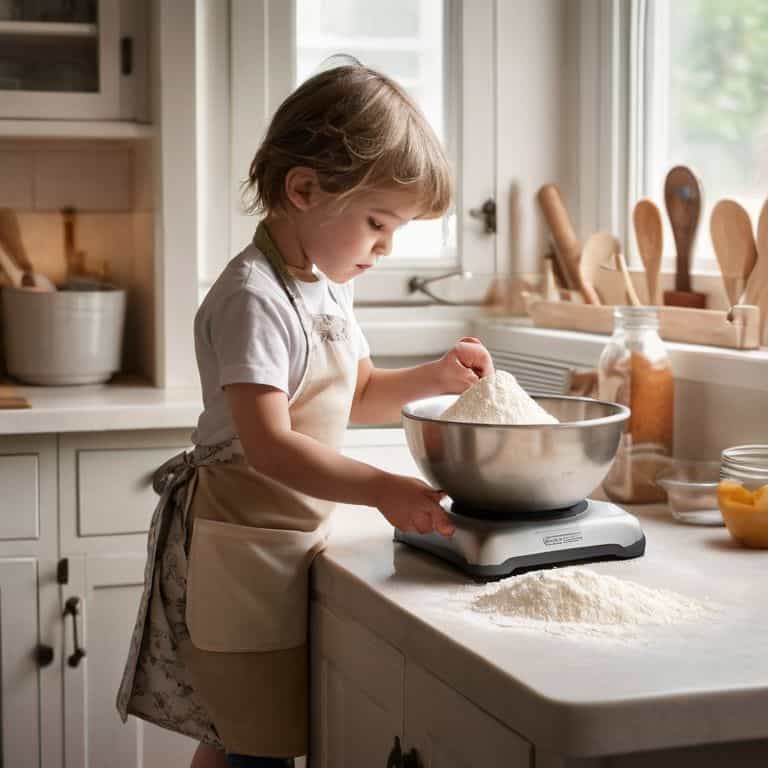
- Start with the basics: Introduce your child to the different types of measuring cups and spoons, and explain the importance of accuracy in baking
- Make it hands-on: Let your child help with measuring ingredients for a simple recipe, like cookies or muffins, to give them a sense of ownership and responsibility
- Use real-world examples: Compare measuring ingredients to everyday activities, like measuring water for a plant or pouring a glass of juice, to help your child understand the concept of measurement
- Practice, practice, practice: Engage your child in fun measuring games, like measuring out pretend ingredients or comparing different sizes of measuring cups, to build their confidence and skills
- Be patient and encouraging: Learning to measure ingredients can be frustrating at times, so be sure to offer plenty of praise and support as your child develops this essential baking skill
Measuring Up: 3 Key Takeaways for Teaching Kids
Encourage your child to get hands-on with measuring by starting with simple recipes and gradually introducing more complex ingredients and techniques
Make measurement a game by incorporating kid-friendly tools like colorful measuring cups and spoons, and turning ingredient assembly into a fun, interactive challenge
Lead by example and share your own passion for baking with your child, using the process of measuring and mixing as a way to bond and create lasting memories in the kitchen
Measuring Up to the Task
The art of measuring ingredients is not just about following a recipe, it’s about teaching our children the value of precision, patience, and creativity in the kitchen – and that’s a recipe for life.
David Dunne
Conclusion: Raising the Next Generation of Bakers
As I reflect on the journey of teaching my child to measure ingredients, I’m reminded of the importance of patience and creating a fun learning environment. From using kids-friendly measuring cups to turning measurement into a game, every step has been a valuable lesson in not just baking, but in bonding and growth. The process of teaching measurement magic has been a rewarding experience, filled with sweet lessons and baking fun. It’s amazing how something as simple as measuring ingredients can become a powerful tool for teaching life skills and fostering a love for baking.
As we conclude this guide, I want to leave you with a final thought: the art of baking is a journey, not a destination. It’s about the love and passion we put into every mix and every bake. By teaching our children to measure ingredients, we’re not just equipping them with a practical skill; we’re passing on a tradition, a culture, and a way of life that values community, creativity, and delicious homemade food. So, let’s get baking and make some unforgettable memories with our little ones!
Frequently Asked Questions
What are some common mistakes kids make when measuring ingredients and how can I help them avoid these errors?
I’ve seen kids accidentally add extra zeros or misunderstand units, leading to recipe disasters. To help them avoid these errors, I encourage parents to supervise closely, double-check measurements together, and practice, practice, practice – it’s all about building confidence and a keen eye for detail in the kitchen.
How can I make measuring ingredients a fun and engaging experience for my child, especially if they're not interested in baking?
For me, it’s all about turning measuring into a game. I let my kid help me weigh ingredients, and we make a competition out of who can get the closest measurement. We also make a “mystery ingredient” game, where they have to guess what we’re adding to the mix. It’s amazing how quickly they become engaged when it’s fun and interactive!
What are some ways to adapt measurement lessons for children with different learning styles or abilities, such as those with dyslexia or fine motor skill challenges?
For kids with dyslexia, I use visual aids like measuring cups with large print or color-coded labels. For those with fine motor skill challenges, I opt for digital scales or adaptive utensils that make it easier to scoop and pour ingredients. It’s all about finding the right tools to make measurement magic happen for every child.