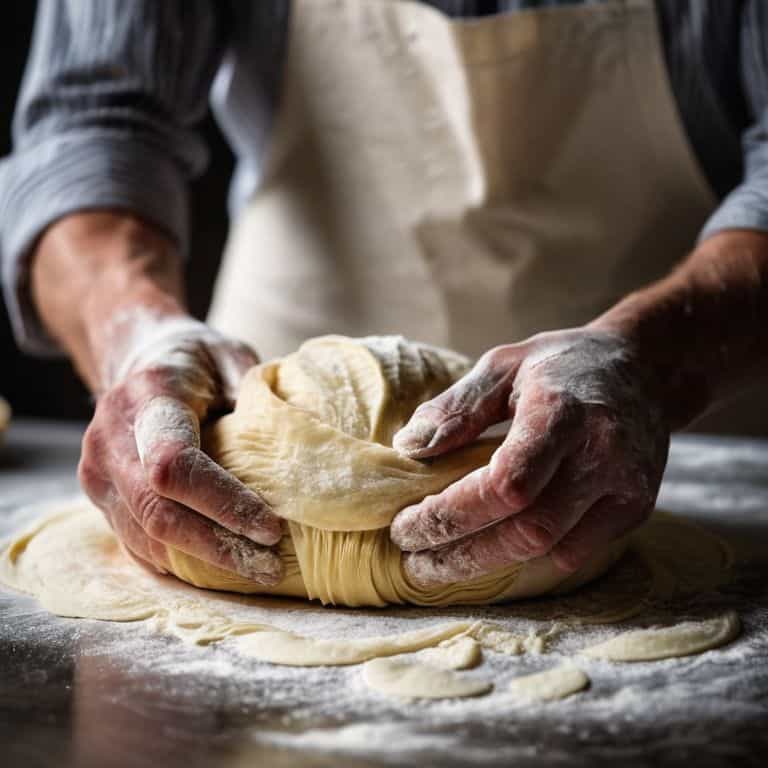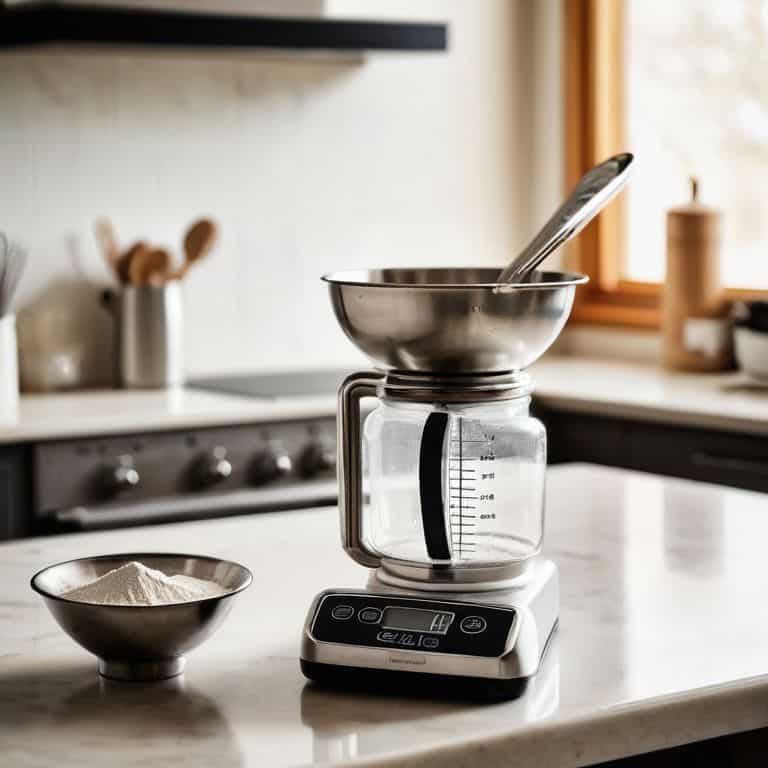
I still remember the early days of my baking journey, when I was torn between baking with a kitchen scale vs measuring cups. It seemed like every recipe I came across used a different method, leaving me confused and unsure of which way to go. I’d spend hours in the kitchen, carefully measuring out ingredients with my trusty measuring cups, only to end up with inconsistent results. It wasn’t until I made the switch to using a kitchen scale that I started to see a real difference in my baked goods.
As a Certified Master Baker with 20 years of experience, I’m here to tell you that ditching those measuring cups is one of the best decisions you’ll ever make in the kitchen. In this article, I’ll share my no-nonsense advice on why baking with a kitchen scale is the way to go, and provide you with the knowledge you need to make the switch with confidence. I’ll cut through the hype and give you a clear understanding of the benefits of using a kitchen scale, from increased accuracy to improved consistency. Whether you’re a beginner or a seasoned baker, my goal is to empower you with the knowledge you need to take your baking to the next level.
Table of Contents
Baking with a Kitchen Scale
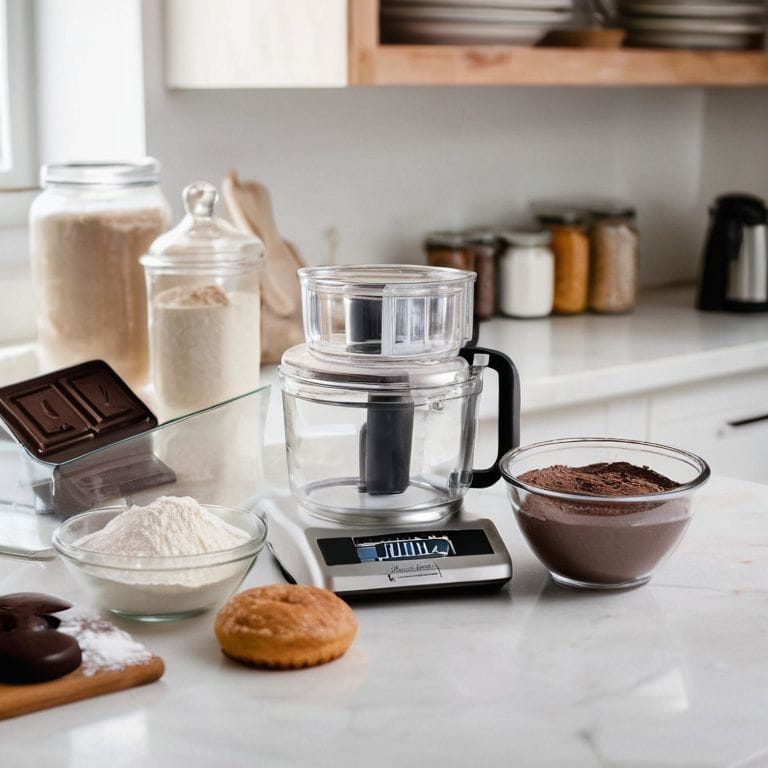
Baking with a kitchen scale is a method of measuring ingredients that involves using a digital or mechanical scale to weigh ingredients in units of weight, such as grams or ounces, which is a crucial aspect of precision baking. This core mechanism allows for _accurate measurements_, which is its main selling point, as it eliminates the potential for human error that can occur when using measuring cups. By using a kitchen scale, bakers can ensure that their ingredients are measured consistently, which is essential for producing high-quality baked goods.
As a pastry instructor, I can attest that baking with a kitchen scale is a game-changer for home bakers. It allows them to reproduce recipes with ease and accuracy, which is essential for building confidence in the kitchen. When bakers use a kitchen scale, they can trust that their ingredients are measured correctly, which takes the guesswork out of baking. This, in turn, enables them to focus on the _creative aspects_ of baking, such as experimenting with new flavors and ingredients, and to produce consistent results that are sure to impress.
Baking with Measuring Cups
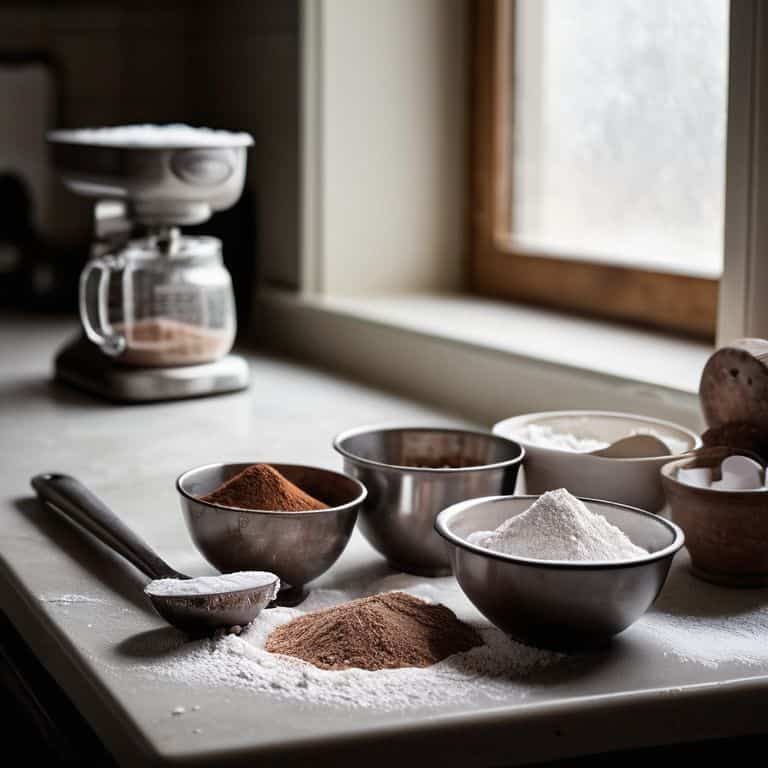
Baking with measuring cups is a traditional method of measuring ingredients that involves using cups to measure ingredients in units of volume, such as teaspoons or tablespoons, which relies on volume measurements. This core mechanism is based on the idea that ingredients can be measured by filling a cup to a specific level, which is its main selling point, as it is a familiar and intuitive method for many home bakers. However, measuring cups can be _inconsistent_, as the density of ingredients can vary, which can affect the accuracy of measurements.
As someone who has spent years teaching baking, I have seen many home bakers struggle with the _inaccuracies_ of measuring cups. While baking with measuring cups can be convenient, it can also lead to _disappointing results_ if the measurements are not accurate. I always advise my students to be mindful of the limitations of measuring cups and to consider using a kitchen scale for more _precise measurements_. By understanding the potential pitfalls of baking with measuring cups, home bakers can take steps to improve their baking skills and produce better results, which is essential for building confidence and enjoying the baking process.
Head-to-Head Comparison: Baking with a Kitchen Scale vs Measuring Cups
| Feature | Kitchen Scale | Measuring Cups |
|---|---|---|
| Price | $10-$50 | $5-$20 |
| Key Feature | Accurate weight measurement | Volume measurement |
| Best For | Professional bakers, precise recipes | Home bakers, simple recipes |
| Ease of Use | May require some practice | Intuitive and easy |
| Accuracy | Highly accurate | Prone to human error |
| Storage | Compact, digital models available | Bulky, multiple cups required |
| Conversion Ease | Automatic unit conversion | Manual conversion required |
Baking With a Kitchen Scale vs Measuring Cups
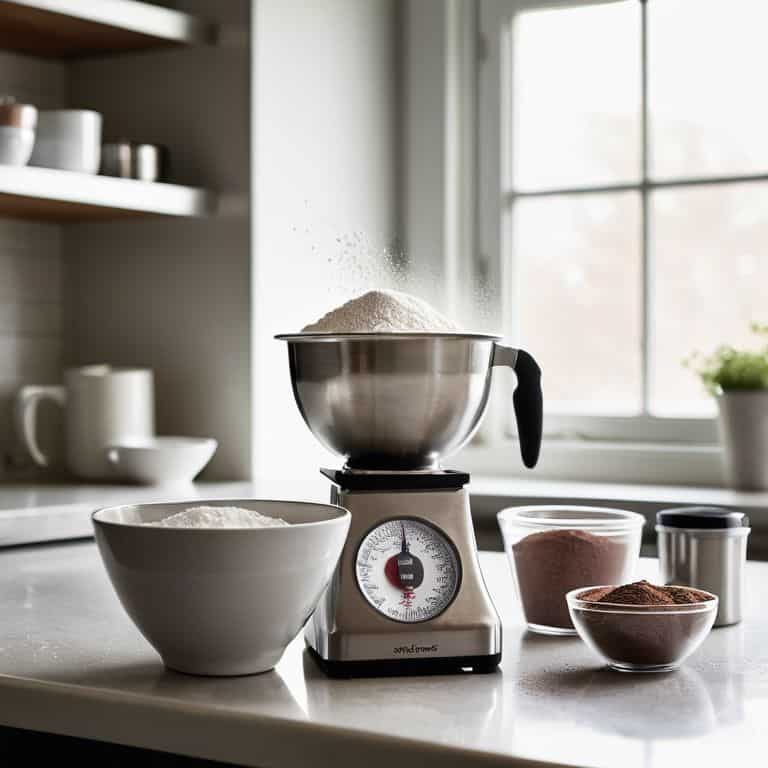
When it comes to accuracy in measurements, the debate between baking with a kitchen scale vs measuring cups is a crucial one. This criterion matters because even the slightest discrepancy can affect the final product’s texture, flavor, and overall quality.
In a head-to-head analysis, baking with a kitchen scale proves to be more reliable. With a scale, you can measure ingredients with precision, down to the exact gram. On the other hand, measuring cups can be inconsistent, as the density of ingredients can vary. For instance, a cup of flour can weigh differently depending on how it’s scooped or packed.
In practical terms, using a kitchen scale ensures consistent results, which is essential for achieving the perfect bake. Measuring cups, while convenient, can lead to guesswork and inconsistent outcomes. Therefore, when it comes to accuracy in measurements, the clear winner is baking with a kitchen scale, as it provides the precision needed to produce high-quality baked goods.
Key Takeaways for Precise Baking
Ditching measuring cups for a kitchen scale will significantly reduce errors in your baking, allowing for consistent and reliable results every time
Understanding the science behind precise measurements will empower you to experiment with new recipes and ingredients, taking your baking to the next level
By adopting a scale-based approach, you’ll not only improve your baking skills but also develop a deeper appreciation for the chemical reactions and interactions that occur in the kitchen, making you a more confident and intuitive baker
The Precision Promise
Baking with a kitchen scale isn’t just about measuring ingredients, it’s about unveiling the science behind every sweet and savory masterpiece – it’s the difference between hoping for perfection and guaranteeing it, one precisely weighed gram at a time.
Beatrice Quinn
The Final Verdict: Weighing Your Options
As we’ve delved into the details of baking with a kitchen scale versus measuring cups, it’s clear that both methods have their own set of advantages and disadvantages. However, when it comes to precision and consistency, using a kitchen scale is the way to go. This is especially important in baking, where small variations in ingredient ratios can greatly affect the final product. By weighing ingredients, bakers can ensure that their recipes turn out exactly as intended, every time.
So, who should use a kitchen scale and who should stick with measuring cups? In my opinion, serious bakers who value precision and consistency should definitely invest in a kitchen scale. On the other hand, casual bakers who are short on time or don’t mind a little variation in their recipes may find that measuring cups are sufficient for their needs. Ultimately, the choice between a kitchen scale and measuring cups comes down to your personal baking style and the level of accuracy you’re willing to compromise on.
Frequently Asked Questions
How do I know which type of kitchen scale is best for baking, digital or mechanical?
When it comes to baking, I always recommend digital kitchen scales for their precision and ease of use. They’re a bit more expensive than mechanical scales, but trust me, the accuracy is worth it – especially when you’re working with delicate ratios of ingredients.
Can using a kitchen scale really make a significant difference in the outcome of my baked goods, or is it just a matter of precision?
Absolutely, using a kitchen scale can make a significant difference in your baked goods. I’ve seen it time and time again in my classes – precise measurements lead to consistent results, while cup measurements can vary wildly. Trust me, ditching those cups for a scale is a game-changer, and I’m happy to explain the science behind why it matters.
What are some common mistakes to avoid when transitioning from measuring cups to a kitchen scale for baking?
When switching to a kitchen scale, avoid assumptions about ingredient density and don’t forget to zero out the scale between measurements. Also, make sure to use the correct unit of measurement – grams or ounces – as specified in your recipe, to ensure accuracy and consistency in your bakes.