I still remember the countless times my students would confuse the difference between baking soda and baking powder in their recipes, leading to some disappointing results. As a Certified Master Baker with 20 years of experience, I’ve seen how this simple misunderstanding can make or break a bake. It’s astonishing how often I’ve encountered recipes that use these two leavening agents interchangeably, without considering the chemical reactions that occur when they’re combined with other ingredients. This lack of understanding can result in flat cakes, sour tastes, or even worse – a batch of inedible treats.
In this article, I promise to cut through the confusion and provide you with a clear understanding of the difference between baking soda and baking powder. I’ll share my expertise and experiences to help you grasp the science behind these essential ingredients, and how to use them effectively in your baking. By the end of this journey, you’ll be equipped with the knowledge to make informed decisions about when to use baking soda and when to use baking powder, ensuring that your bakes turn out light, fluffy, and full of flavor. My goal is to empower you with the fundamentals, so you can bake with confidence and precision, and never have to worry about confusing these two crucial ingredients again.
Table of Contents
- Decoding Leavening Agents
- Uncovering the Difference Between Baking Soda and Baking Powder
- Chemical Reaction of Baking Soda and Acid Uncovered
- Double Acting Baking Powder vs Single Acting Uses Compared
- Mastering the Art of Leavening: 5 Essential Tips to Understand the Difference Between Baking Soda and Baking Powder
- Key Takeaways: Mastering Baking Soda and Baking Powder
- The Heart of the Matter
- Conclusion: Mastering the Art of Leavening
- Frequently Asked Questions
Decoding Leavening Agents
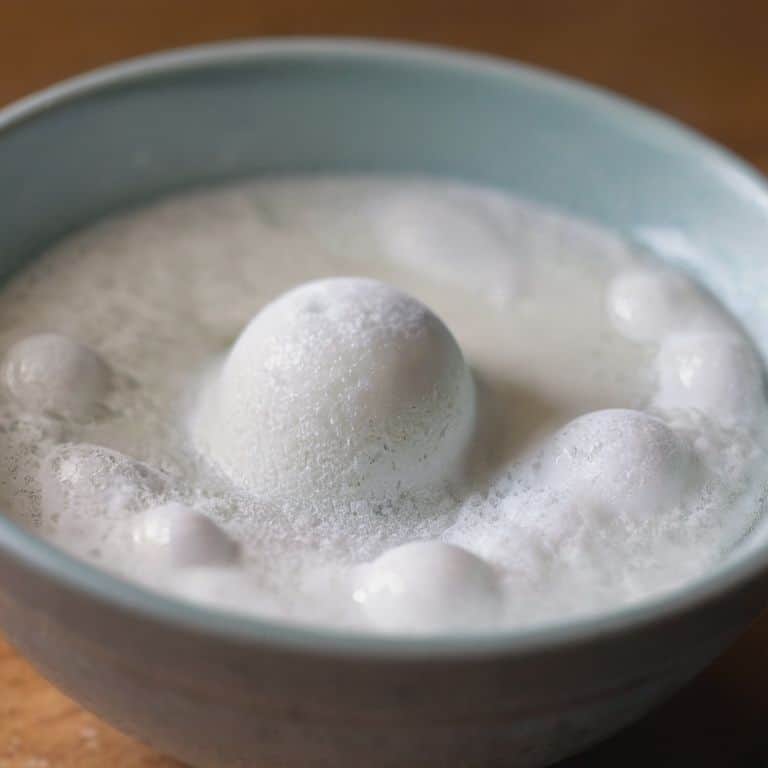
As we delve into the world of leavening agents, it’s essential to understand the chemical reaction that occurs when baking soda meets an acid. This reaction is what causes our baked goods to rise, giving them a light and fluffy texture. In recipes, baking soda is often used in combination with an acidic ingredient, such as buttermilk or yogurt, to create this reaction.
When it comes to baking powder substitution in recipes, things can get a bit tricky. Baking powder is essentially baking soda with an added acid, which allows it to be used in recipes without an additional acidic ingredient. However, not all baking powders are created equal – double acting baking powder is a popular choice among bakers, as it provides a longer-lasting leavening action.
In cake recipes, the role of baking soda is often misunderstood. While it’s true that baking soda helps to leaven the cake, it also plays a crucial role in enhancing the flavor and texture of the final product. By understanding the uses for baking soda in cooking, we can unlock a world of baking possibilities and create delicious treats that are both tasty and visually appealing.
Natural Alternatives to Baking Powder Explained
When exploring natural alternatives to baking powder, it’s essential to understand the role of yeast in leavening. Yeast fermentation is a time-honored method for adding lift to baked goods, and with a little patience, it can be a game-changer in the kitchen.
For those looking for a quicker solution, cream of tartar can be used in combination with baking soda to create a homemade baking powder substitute. This mixture can be a bit more finicky, but with the right proportions and a bit of practice, it can be a reliable alternative to commercial baking powder.
The Role of Baking Soda in Cake Recipes
When it comes to cake recipes, baking soda plays a crucial role in helping them rise. This is because baking soda, also known as sodium bicarbonate, releases carbon dioxide gas when it comes into contact with an acid and a liquid. This reaction causes the dough or batter to expand, resulting in a light and fluffy texture.
In order to utilize baking soda effectively, it’s essential to balance the ingredients in your recipe. This means including an acidic component, such as buttermilk or yogurt, to activate the baking soda and create the desired chemical reaction. By understanding how baking soda works, you can create cakes that are not only delicious but also have the perfect texture.
Uncovering the Difference Between Baking Soda and Baking Powder
When it comes to leavening agents, baking soda and baking powder are two essential ingredients that play distinct roles in the baking process. Baking soda, also known as sodium bicarbonate, is commonly used in recipes that include an acidic ingredient, such as buttermilk or yogurt, as it undergoes a chemical reaction with acid to produce carbon dioxide gas. This reaction is what causes baked goods to rise, giving them a light and fluffy texture.
In contrast, baking powder is a mixture of baking soda and an acid, usually cream of tartar, that is designed to release gas more slowly over time. This makes it ideal for recipes where the baking time is longer, such as cakes and cookies. Double acting baking powder is a type of baking powder that releases gas twice, once when it comes into contact with liquid ingredients and again when it is exposed to heat. This allows for a more consistent rise and a lighter texture in baked goods.
One of the key uses for baking soda in cooking is in recipes where a quick release of gas is desired, such as in pancakes or waffles. However, when a recipe calls for baking powder, it’s not always possible to make a baking powder substitution with baking soda, as the two ingredients have different properties and uses. By understanding the unique characteristics of each ingredient, bakers can make informed decisions about which one to use in their recipes, and how to get the best results.
Chemical Reaction of Baking Soda and Acid Uncovered
When baking soda meets an acid, such as buttermilk or yogurt, a chemical reaction occurs, releasing carbon dioxide gas and causing the dough to rise. This reaction is essential in recipes like cakes and quick breads, where a light and fluffy texture is desired.
The interaction between baking soda and acid is a perfect example of an acid-base reaction, where the base (baking soda) neutralizes the acid, producing carbon dioxide and water as byproducts.
Double Acting Baking Powder vs Single Acting Uses Compared
When it comes to baking powder, there are two main types: single acting and double acting. The key difference lies in how they react to liquid ingredients and heat. Double acting baking powder is the most commonly used type, as it releases gas twice during the baking process, providing a lighter and fluffier texture.
In contrast, single acting baking powder releases gas only once, when it comes into contact with liquid ingredients. This type of baking powder is often used in recipes where the batter will be stored for a period of time before baking, as it helps to prevent over-leavening and ensures a more consistent texture.
Mastering the Art of Leavening: 5 Essential Tips to Understand the Difference Between Baking Soda and Baking Powder
- Always remember that baking soda requires an acidic component to activate, whereas baking powder is a self-contained leavening agent that can be used with or without an acidic ingredient
- Use baking soda for recipes that include buttermilk, yogurt, or citrus, as these ingredients provide the necessary acidity to trigger the baking soda’s leavening properties
- Baking powder, on the other hand, is ideal for recipes that don’t contain acidic ingredients, such as cookies, cakes, and quick breads, as it provides a reliable leavening action without the need for additional acidity
- When substituting baking soda for baking powder, or vice versa, keep in mind that 1 teaspoon of baking soda is equivalent to 3 teaspoons of baking powder, but this substitution can affect the overall flavor and texture of your baked goods
- To ensure the best results, always check the expiration date of your baking soda and baking powder, as stale leavening agents can lead to flat or unevenly textured baked goods, and make sure to store them in a cool, dry place to maintain their potency
Key Takeaways: Mastering Baking Soda and Baking Powder
Understanding the distinct roles of baking soda and baking powder is crucial for achieving the right texture and flavor in your baked goods, as they serve different purposes in the leavening process.
The chemical reaction between baking soda and an acid, such as buttermilk or yogurt, is what produces the carbon dioxide gas that causes your cakes and cookies to rise, highlighting the importance of precise ingredient measurement and interaction.
Recognizing the difference between single-acting and double-acting baking powder can help you choose the right leavening agent for your recipe, ensuring that your baked goods turn out light and fluffy, rather than flat and dense.
The Heart of the Matter
Understanding the difference between baking soda and baking powder is not just about memorizing formulas, it’s about grasping the underlying chemistry that makes your baked goods rise to the occasion – literally!
Beatrice Quinn
Conclusion: Mastering the Art of Leavening
As we’ve explored the fascinating world of leavening agents, it’s clear that understanding the difference between baking soda and baking powder is crucial for any aspiring baker. We’ve delved into the science behind baking soda and its role in cake recipes, as well as the advantages of natural alternatives to baking powder. Additionally, we’ve uncovered the distinct characteristics of double acting and single acting baking powders, and how to effectively utilize them in various recipes. By grasping these fundamental concepts, you’ll be well on your way to becoming a confident baker, capable of creating a wide range of delicious treats.
As you continue on your baking journey, remember that practice is key. Don’t be discouraged by initial failures or setbacks – instead, use them as opportunities to learn and refine your skills. With patience, persistence, and a deep understanding of the art and science of baking, you’ll be able to create truly exceptional pastries, cakes, and breads that will impress and delight your friends and family. So go ahead, get baking, and watch your creations rise to new heights!
Frequently Asked Questions
What happens if I accidentally use baking soda instead of baking powder in a recipe?
If you accidentally use baking soda instead of baking powder, your baked goods may taste soapy or metallic due to the excessive alkalinity. This is because baking soda needs an acid to activate it, and without the acidic component, it can leave a bitter or unpleasant flavor.
Can I make my own baking powder at home using baking soda and other ingredients?
Yes, you can make your own baking powder at home by mixing baking soda with an acidic ingredient like cream of tartar and a moisture absorber, typically cornstarch. A common ratio is 2 parts cream of tartar to 1 part baking soda, with a pinch of cornstarch. This mixture is a single-acting baking powder, perfect for recipes where the batter is mixed and immediately baked.
How do I know when to use baking soda versus baking powder in a gluten-free recipe?
When deciding between baking soda and baking powder in a gluten-free recipe, consider the acidity level and liquid content. Baking soda needs an acidic ingredient to activate, while baking powder is self-contained. If your recipe includes buttermilk, yogurt, or citrus, baking soda might be the better choice. Otherwise, baking powder is likely your best bet.