I still remember the first time I encountered a convection oven in a professional kitchen – it was a game-changer. The question of what is a convection oven and how does it work has been on my mind ever since. As someone who’s spent years testing and perfecting recipes, I’ve seen my fair share of overcomplicated explanations and misleading marketing claims about convection ovens. It’s time to cut through the noise and give you the no-frills truth about these incredible appliances.
In this article, I promise to provide you with honest, experience-based advice on convection ovens, stripped of any hype or technical jargon. I’ll share my own experiences, from the benefits of even heat distribution to the potential drawbacks of improper use. My goal is to empower you with the knowledge to make informed decisions about whether a convection oven is right for you, and how to get the most out of it if you decide to take the plunge. By the end of this article, you’ll have a clear understanding of what is a convection oven and how does it work, and be well on your way to becoming a convection cooking master.
Table of Contents
What Is a Convection Oven
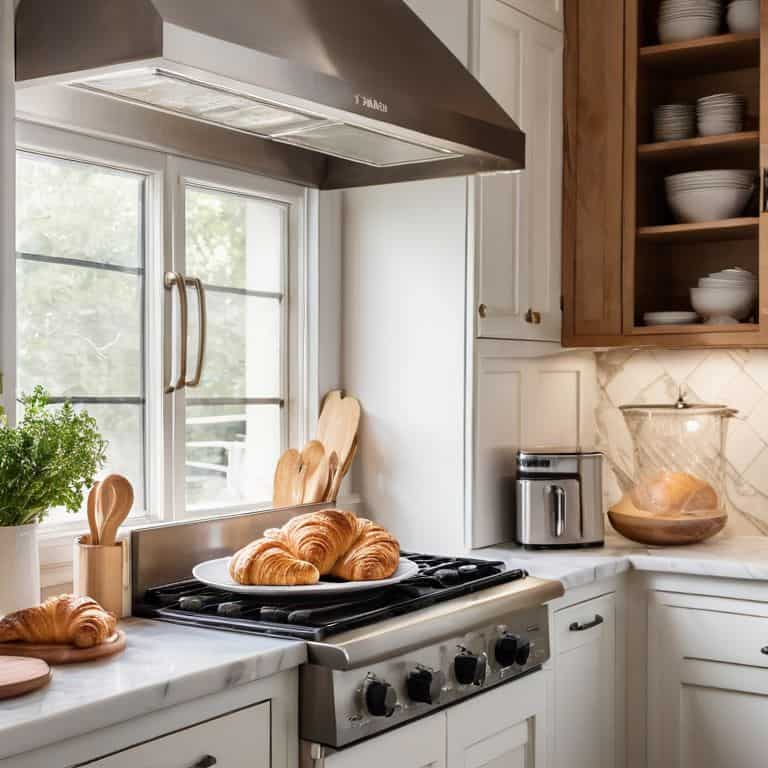
As someone who’s spent years perfecting the art of baking, I can tell you that convection oven cooking techniques are a total game-changer. Unlike traditional ovens, which rely on radiant heat, convection ovens use a fan to circulate hot air around your food. This leads to faster cooking times and a crisper finish – especially when it comes to delicate pastries like my beloved croissants. I’ve found that the benefits of convection ovens are numerous, from reduced cooking times to improved browning.
When comparing conventional oven vs convection oven, it’s clear that the latter offers more precise temperature control. This is especially important when it comes to sensitive recipes, where a few degrees can make all the difference. I’ve developed a set of trusted convection oven temperature conversion charts to help me navigate this difference, and I’ve found that they’re indispensable in my own kitchen.
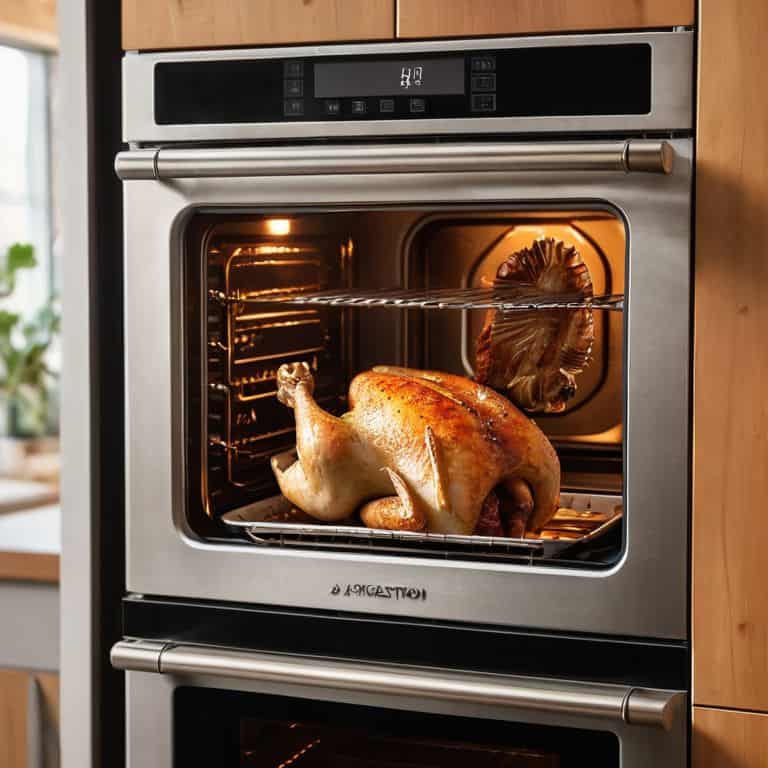
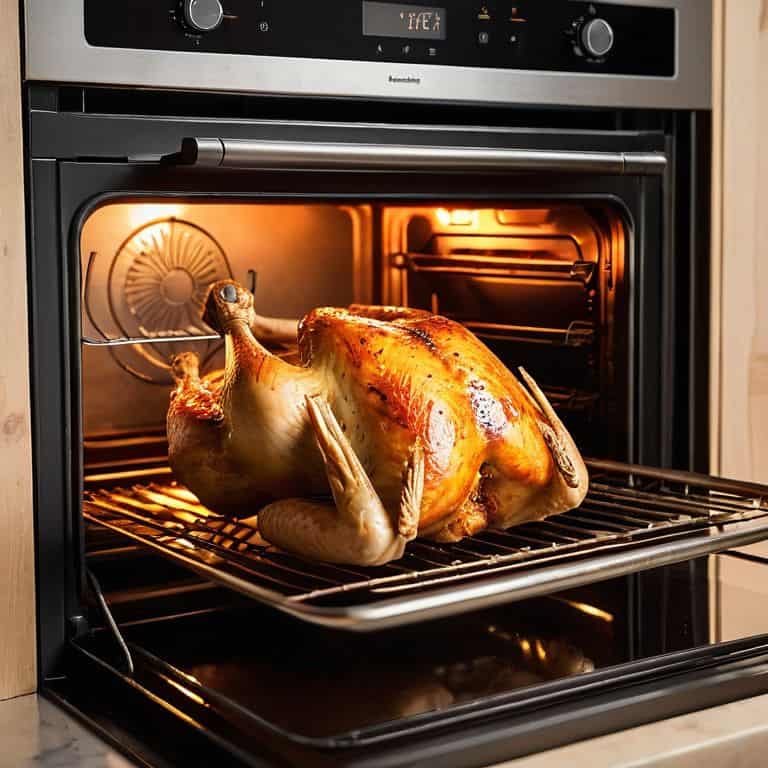
For those just starting out with convection cooking, I recommend exploring simple convection oven recipes for beginners. A classic roast chicken is a great place to start, as it allows you to get a feel for the unique cooking dynamics of a convection oven. With a little practice, you’ll be whipping up perfectly cooked meals in no time – and wondering how you ever managed without this powerful tool in your kitchen.
Benefits of Convection Ovens Defined
When it comes to cooking, I’ve found that convection ovens offer several advantages, with faster cooking times being a major benefit. This is because the fan circulates hot air, allowing for more efficient heat transfer and reducing the overall cooking time. As someone who’s spent years perfecting the croissant, I appreciate the precision that convection ovens provide.
In my experience, convection ovens also promote even browning, which is essential for achieving that perfect golden crust on baked goods. By distributing heat evenly, convection ovens help to prevent hot spots and ensure that your dishes are cooked consistently throughout.
Convection Oven Cooking Techniques
When it comes to convection oven cooking techniques, precision is key. This is because convection ovens cook food differently than traditional ovens, using a fan to circulate hot air and promote even cooking. To get the most out of your convection oven, it’s essential to understand how to adjust cooking times and temperatures.
By using lower temperatures, you can achieve consistent results and prevent overcooking. This is especially important when cooking delicate foods, such as fish or vegetables, which can quickly become dry and overcooked if not monitored properly.
How Convection Ovens Really Work
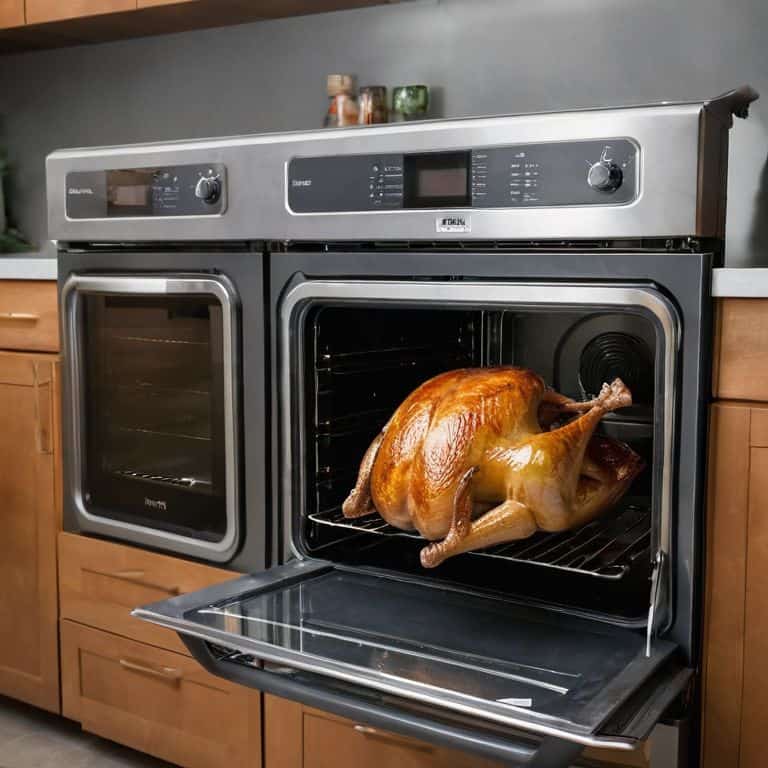
As I delve into the inner workings of convection ovens, I’m reminded of my days in the test kitchen, where we’d meticulously test convection oven cooking techniques to optimize results. At its core, a convection oven uses a fan to circulate hot air, ensuring even heat distribution and cooking times that are up to 30% faster than traditional ovens. This process allows for more efficient cooking, which is especially beneficial when roasting or baking large quantities.
The benefits of convection ovens are multifaceted, and one of the most significant advantages is the ability to cook food more evenly. By using a fan to circulate hot air, convection ovens eliminate hot spots, resulting in consistent cooking results. This is particularly important when cooking delicate items, such as pastries or fish, which can easily become overcooked or undercooked in a conventional oven. To get the most out of your convection oven, it’s essential to understand convection oven temperature conversion and adjust your recipes accordingly.
In my experience, convection ovens require minimal maintenance, and with proper care, they can provide years of reliable service. To keep your convection oven in top condition, I recommend following simple convection oven maintenance tips, such as regularly cleaning the fan and oven walls. By doing so, you’ll be able to enjoy a wide range of delicious dishes, from perfectly roasted meats to crispy baked goods, all made possible by the unique cooking capabilities of your convection oven.
Conventional Oven vs Convection Oven
When it comes to deciding between a conventional oven and a convection oven, the choice ultimately comes down to cooking style. Conventional ovens use traditional heat elements, such as coils or gas, to cook food, whereas convection ovens utilize a fan to circulate hot air. This difference in heat distribution can significantly impact the final result of your dish.
In my experience, the key to even cooking lies in the convection oven’s ability to consistently circulate air, reducing hot spots and promoting uniform browning. This is particularly noticeable when baking delicate pastries or roasting large cuts of meat, where a conventional oven might fall short in terms of consistency.
Mastering Convection Oven Temperature Conversion
When switching from a traditional oven to a convection oven, one of the most important things to understand is temperature conversion. This can be a bit tricky, but essentially, you’ll want to reduce the temperature by 25-30% to achieve the same results. I’ve found that this conversion can make all the difference in the quality of your baked goods.
To get it just right, I recommend using a temperature conversion chart as a guide. This will help you dial in the perfect temperature for your specific recipe, ensuring that your dishes turn out light, fluffy, and full of flavor.
5 Essential Tips to Unlock the Full Potential of Your Convection Oven
- Always preheat your convection oven to the correct temperature, as this ensures even cooking and helps prevent hot spots
- Use the right baking sheets and pans – those with low sides and a light color work best, as they allow for optimal air circulation and even browning
- Don’t overcrowd the oven, as this can disrupt air flow and lead to uneven cooking – it’s better to cook in batches if necessary
- Lower the temperature by 25°F (15°C) when converting a recipe from conventional to convection, as convection ovens cook more efficiently and can burn food if the temperature is too high
- Experiment with different cooking times and temperatures to find what works best for your specific oven and recipes, as every convection oven is slightly different and may require some trial and error to get right
Key Takeaways: Bringing it All Together
I’ve found that convection ovens can cook food up to 30% faster than traditional ovens, making them a valuable addition to any home kitchen
Mastering convection oven temperature conversion is crucial – I always recommend reducing the temperature by 25°F and using the convection setting to achieve optimal results
After years of testing, I can confidently say that investing in a high-quality convection oven is a game-changer for home bakers, offering unparalleled consistency and even cooking results
The Convection Oven Verdict
A convection oven is not just a fancy appliance, but a precision cooking tool that harnesses the power of circulating hot air to unlock faster, more consistent, and often superior results – and once you understand how it works, you’ll wonder how you ever baked without one.
David Grant
Unlocking the Full Potential of Convection Ovens
As we’ve explored the world of convection ovens, it’s clear that understanding what sets them apart from traditional ovens is key to unlocking their full potential. From the science behind the fan that circulates hot air, to the various cooking techniques that can be employed, convection ovens offer a unique set of benefits that can elevate your baking and cooking to new heights. Whether you’re looking to cook faster, more evenly, or with greater energy efficiency, convection ovens are certainly worth considering.
So, as you embark on your own journey to master the convection oven, remember that practice makes perfect. Don’t be afraid to experiment and try new things – with a little patience and persistence, you’ll be well on your way to creating delicious, restaurant-quality dishes in the comfort of your own home. And, as someone who’s spent years testing and refining their own baking techniques, I can confidently say that the rewards are well worth the effort.
Frequently Asked Questions
Do convection ovens require special cookware or can I use my existing pots and pans?
When it comes to cookware, convection ovens are pretty versatile. You can use most of your existing pots and pans, but keep in mind that dark-colored or thin materials may not perform as well. I recommend using heavy-duty, light-colored cookware to get the best results – it’s worth the investment for even heat distribution and browning.
How do I know if a convection oven is worth the investment for my home baking needs?
As a baking consultant, I’ve seen convection ovens revolutionize home baking. If you value even cooking, reduced baking time, and perfect pastries, a convection oven is worth considering. I’ve tested numerous models, and the right one can be a game-changer for serious home bakers, providing consistent results and opening up new recipe possibilities.
Can convection ovens be used for delicate tasks like proofing yeast dough or is that better left to a traditional oven?
I’ve found convection ovens to be surprisingly versatile, even for delicate tasks like proofing yeast dough. With the right settings, they can provide a consistent, draft-free environment that’s ideal for fermentation. In fact, I’ve had great success using my convection oven with the fan on a low setting to proof everything from croissants to sourdough.