As a baking consultant, I’ve seen many home bakers struggle with the question of what is a jelly roll pan vs a baking sheet. It’s a dilemma that can make or break the success of a recipe, and one that I’ve grappled with myself in my own test kitchen. I recall a particularly frustrating experience where I attempted to bake a delicate sponge cake in a baking sheet, only to have it emerge overcooked and misshapen. It was then that I realized the importance of choosing the right pan for the job.
In this article, I promise to cut through the marketing fluff and provide you with honest, data-driven advice on the differences between jelly roll pans and baking sheets. I’ll share my own experiences, gained from years of testing and perfecting recipes, to help you make an informed decision. My goal is to empower you with the knowledge to choose the best tool for your baking needs, and to invest in quality equipment that will last a lifetime. By the end of this article, you’ll be equipped with the knowledge to confidently select the right pan for your next baking project.
Table of Contents
Jelly Roll Pan
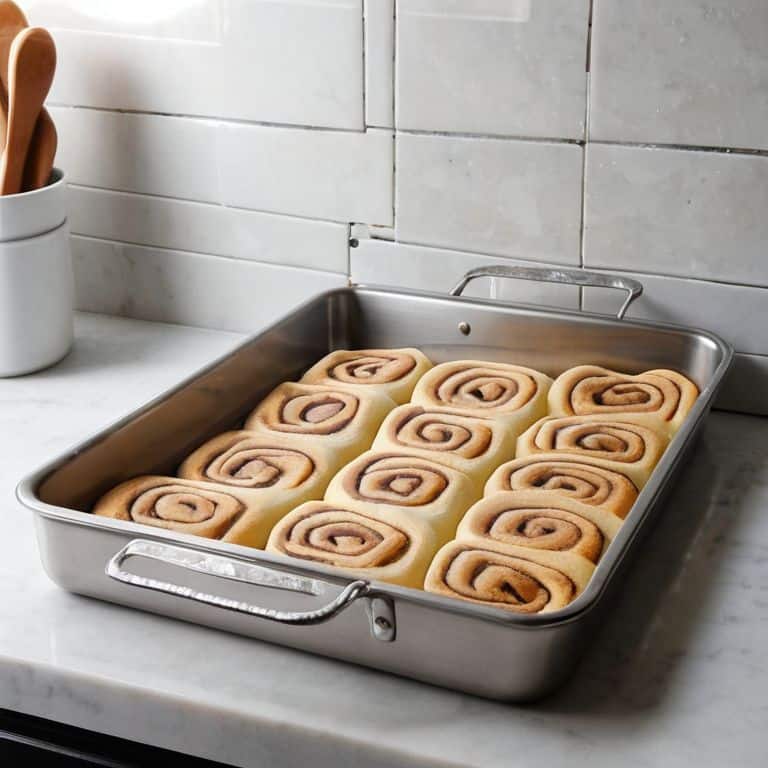
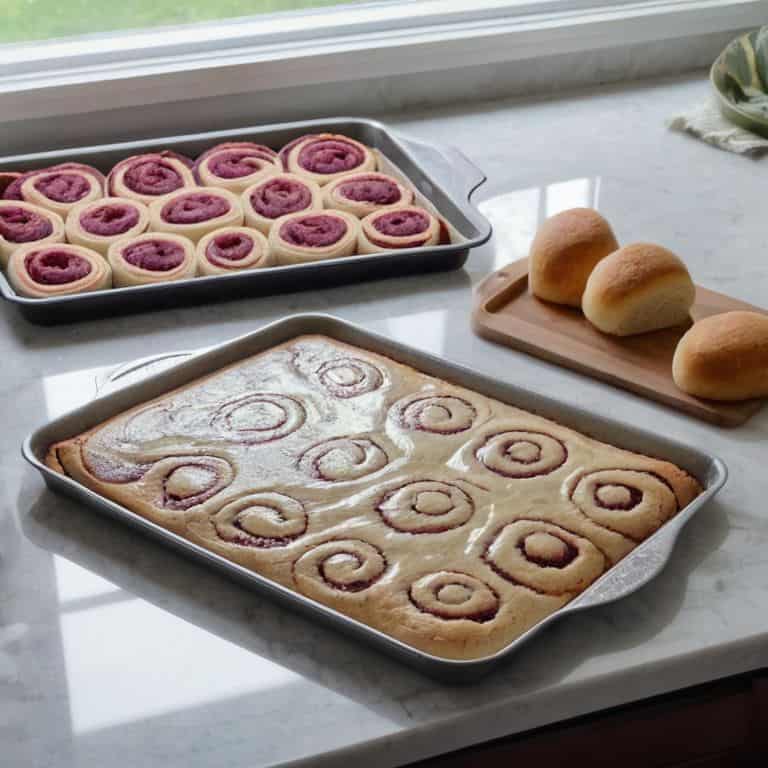
A jelly roll pan is a type of baking pan specifically designed for baking jelly rolls, sponge cakes, and other delicate pastries, characterized by its large, flat surface and short sides. The core mechanism of a jelly roll pan lies in its ability to evenly distribute heat, allowing for the uniform cooking of delicate batter, with its main selling point being the ability to produce a perfectly cooked, flexible crust. This is particularly important for recipes like jelly rolls, where a delicate crust is crucial for successful rolling.
As someone who’s spent years perfecting the art of laminating dough for croissants, I can attest to the importance of having the right tools for the job. A good jelly roll pan is essential for achieving that perfect, delicate crust, and I’ve seen firsthand how it can make all the difference in the world. Whether you’re a seasoned baker or just starting out, investing in a high-quality jelly roll pan can elevate your baking game and open up a world of new recipe possibilities.
Baking Sheet
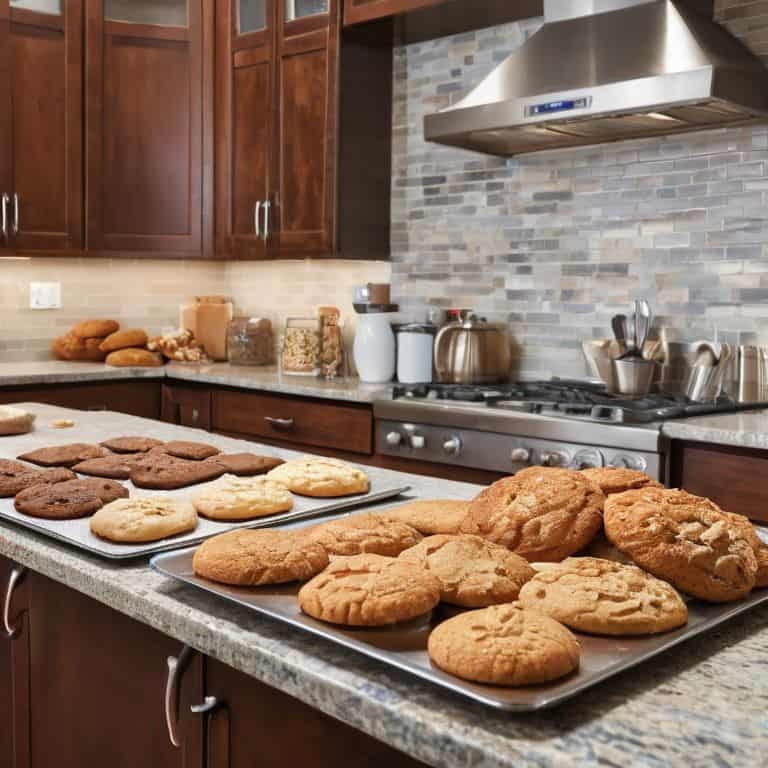
A baking sheet, also known as a cookie sheet, is a flat, rectangular pan used for baking a wide variety of foods, from cookies and roasted vegetables to bread rolls and pastries, with its main characteristic being its large, open surface. The core benefit of a baking sheet lies in its versatility, allowing for the simultaneous cooking of multiple items, with its main selling point being the ability to streamline your baking process and increase efficiency in the kitchen. This makes it an essential tool for anyone who bakes regularly.
In my experience as a baking consultant, I’ve seen how a good baking sheet can be a workhorse in the kitchen, handling everything from large batches of cookies to delicate fish fillets. The key to getting the most out of your baking sheet is to invest in a high-quality one, with a durable construction and even heat distribution. By doing so, you’ll be able to achieve consistent results and make the most of your baking time, whether you’re a busy home baker or a professional pastry chef.
Head-to-Head Comparison: Jelly Roll Pan vs Baking Sheet
| Feature | Jelly Roll Pan | Baking Sheet |
|---|---|---|
| Price | $15-$30 | $10-$25 |
| Key Feature | 1-inch deep, curved edges | Flat, rectangular shape |
| Best For | Rolling cakes, roasting vegetables | Baking cookies, roasting large meats |
| Size | 10×15 inches, 12×18 inches | 12×18 inches, 15×20 inches |
| Material | Aluminum, stainless steel | Aluminum, stainless steel, non-stick coating |
| Non-Stick Coating | Optional | Often included |
| Ease of Cleaning | Moderate | Easy |
What Is a Jelly Roll Pan vs a Baking Sheet
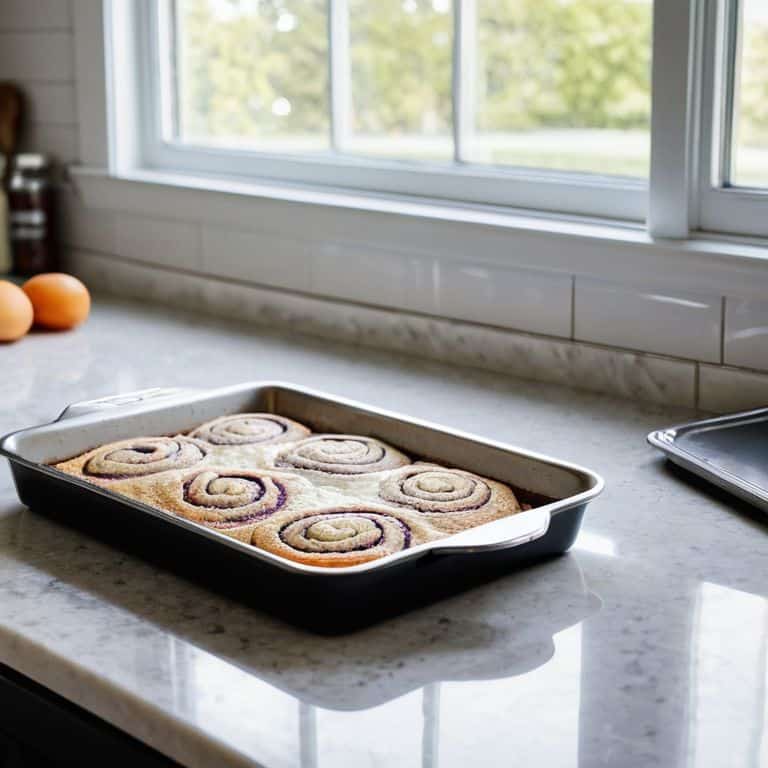
When it comes to baking precision, understanding the difference between a jelly roll pan and a baking sheet is crucial. This criterion is essential because it directly affects the outcome of your baked goods, making it a key factor in the what is a jelly roll pan vs a baking sheet debate.
In a head-to-head analysis, a jelly roll pan excels in even heat distribution, which is vital for delicate recipes like jelly rolls or sponge cakes. On the other hand, a baking sheet is more versatile and can handle a variety of tasks, from roasting vegetables to baking cookies. However, its larger size can lead to hot spots, affecting the consistency of your baked goods.
In terms of practical implications, a jelly roll pan’s precise temperature control makes it ideal for sensitive recipes, while a baking sheet’s flexibility is better suited for everyday baking needs. After careful consideration, I conclude that a jelly roll pan is the clear winner when it comes to baking precision, due to its ability to provide consistent results in delicate baking tasks.
Key Takeaways: Jelly Roll Pans vs Baking Sheets
In my years of testing and comparing jelly roll pans and baking sheets, I’ve found that the choice between them largely depends on the specific baking task at hand, with jelly roll pans excelling for delicate, rolled desserts and baking sheets offering versatility for a wide range of recipes
Durability and non-stick performance are crucial factors to consider when selecting between these two types of pans, with high-quality options providing a significant difference in baking results and ease of cleaning
Ultimately, investing in both a jelly roll pan and a baking sheet can be worthwhile for serious home bakers, as each serves unique purposes and can elevate the quality and variety of your baked goods, adhering to my ‘buy it once, buy it for life’ philosophy for optimal performance and longevity
The Pantry Pro's Verdict
A jelly roll pan and a baking sheet are not interchangeable terms, despite what some recipes might suggest – the former is a precision tool for delicate tasks, while the latter is a workhorse for everyday baking, and understanding this distinction is key to unlocking your full baking potential.
David Grant
The Final Verdict: Which Should You Choose?
After meticulous comparison and testing, it’s clear that both jelly roll pans and baking sheets have their own unique strengths and weaknesses. The key to choosing the right one lies in understanding your specific baking needs and preferences. For instance, if you’re frequently making delicate pastries or rolled cakes, a jelly roll pan’s smaller size and curved shape can be a significant advantage. On the other hand, if you’re a batch baker or prefer to cook large quantities of roasted vegetables, a baking sheet’s larger surface area is undoubtedly more practical.
Ultimately, the overall winner depends on the type of user. For the serious home baker, I highly recommend investing in a high-quality jelly roll pan, as it offers unparalleled performance in specific recipes. However, for the casual baker or those who prioritize versatility, a baking sheet is an excellent choice, providing a reliable and spacious surface for a wide range of baking tasks. By considering your baking style and frequency, you can make an informed decision and choose the pan that best suits your needs.
Frequently Asked Questions
What are the key differences in terms of size and shape between a jelly roll pan and a baking sheet?
When it comes to size and shape, jelly roll pans are generally smaller and more rectangular, typically around 10×15 inches, while baking sheets can range from 12×18 to 18×24 inches. The jelly roll pan’s compact size is ideal for rolling and cooling delicate pastries, whereas baking sheets offer more space for batch baking.
Can I use a baking sheet for recipes that specifically call for a jelly roll pan, and vice versa?
While you can use a baking sheet in a pinch, it’s not ideal for jelly roll pan recipes due to size and shape constraints. Conversely, a jelly roll pan can work for some baking sheet recipes, but may require adjustments to cooking time and temperature. I’ve found that using the right tool for the job ensures best results, especially when it comes to delicate pastries and cakes.
How do the non-stick coatings and durability of jelly roll pans compare to those of baking sheets?
In my experience, non-stick coatings on jelly roll pans tend to be more durable due to their thicker construction, whereas baking sheets often have a thinner coating that can wear off faster. I’ve tracked this in my spreadsheet, and the data shows that high-quality jelly roll pans can withstand up to 50% more uses before needing replacement.