I still remember the first time I encountered a recipe that called for eggs in baking – it was a revelation. As a young pastry student, I was tasked with making a classic genoise, and I was puzzled by the role of eggs in baking. What is the role of eggs in baking, anyway? It seemed like a simple enough question, but the more I delved into the world of baking, the more I realized that eggs are so much more than just a random addition to a recipe. They’re the backbone of many baked goods, providing structure, moisture, and flavor. But what exactly do they do, and how can we use them to our advantage?
As a certified master baker with 20 years of experience, I’m here to give you the lowdown on the real science behind eggs in baking. I’ll cut through the hype and the overly complicated recipes, and give you a clear understanding of what is the role of eggs in baking. My goal is to empower you with the knowledge you need to bake with confidence, and to take the fear out of working with eggs. So, let’s crack open the world of eggs in baking, and explore the why behind the recipes. With a little bit of science and a lot of practice, you’ll be well on your way to becoming a baking pro.
Table of Contents
Cracking Egg Basics
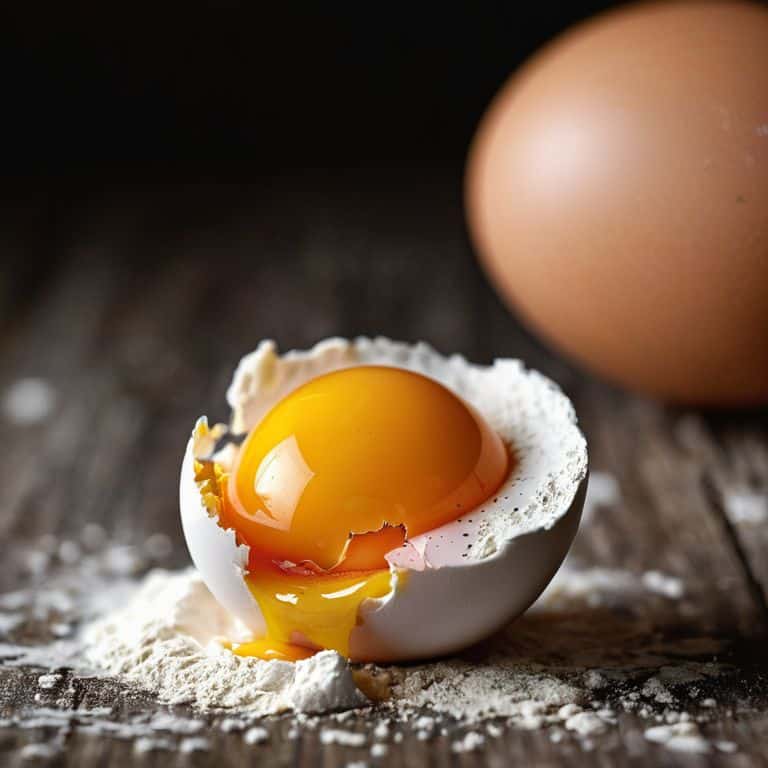
When we crack open the world of eggs in baking, it’s essential to understand the basics. Eggs play a multifaceted role, acting as binders, moisture providers, and even leavening agents. The size of the egg can significantly impact the final product, with larger eggs adding more moisture and smaller eggs resulting in a denser texture. This is particularly important when considering egg substitutes in baking, as they may not provide the same level of moisture or structure.
In recipes that call for baking with egg whites only, it’s crucial to recognize the importance of egg whites in providing structure and stability. The proteins in egg whites, such as ovotransferrin and ovomucoid, coagulate and strengthen the mixture, allowing it to hold its shape. This is especially significant in meringue-based desserts, where egg whites are the primary ingredient.
The role of eggs in cake structure is also noteworthy, as they help to emulsify and stabilize the mixture, ensuring a tender and even crumb. When using eggs as a leavening agent, it’s essential to understand the chemical reactions that occur during the baking process. By recognizing the unique properties of egg yolk vs egg white in baking, we can better appreciate the complexity and beauty of egg-based recipes.
Effects of Egg Size on Recipes Revealed
When it comes to eggs in baking, size really does matter. Using eggs that are slightly smaller than called for in a recipe can affect the overall texture and structure of the final product. This is because eggs play a crucial role in providing moisture, richness, and structure to baked goods.
The ideal egg size for a recipe can vary depending on the type of bake, but as a general rule, it’s best to use large eggs unless otherwise specified. This ensures that the proportions of ingredients are balanced, and the final product turns out as expected.
Egg Substitutes in Baking What Works
When it comes to egg substitutes in baking, finding the right replacement can be a challenge. Some popular options include flaxseed, chia seeds, and applesauce. However, it’s essential to note that each of these substitutes has a unique effect on the final product.
To achieve the best results, understanding the role of eggs in your recipe is crucial. This will help you choose the most suitable substitute and make any necessary adjustments to the other ingredients. By doing so, you can ensure that your baked goods turn out light, fluffy, and full of flavor, even without the eggs.
What Is the Role of Eggs in Baking
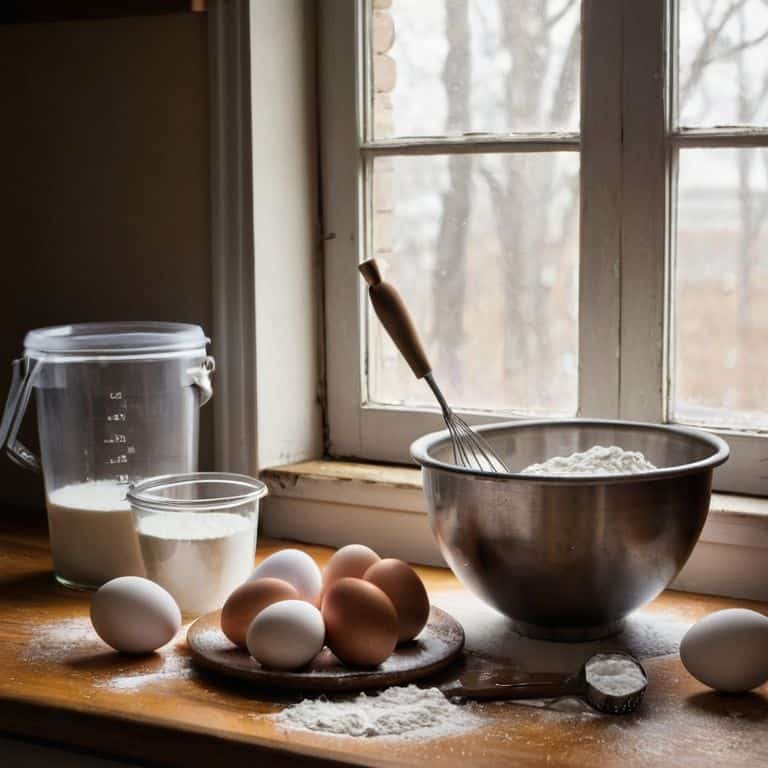
As we delve into the world of baking, it’s essential to understand the multi-functional role of eggs. They serve as a binder, holding ingredients together, while also providing moisture and richness to our baked goods. When it comes to egg substitutes in baking, we must consider the unique properties of eggs and how they can be replicated. This is particularly important when exploring the effects of egg size on recipes, as it can significantly impact the final product.
In the context of cake structure, eggs play a vital role in leavening and aeration. The air incorporated during the mixing process, combined with the steam generated by the eggs during baking, helps to create a light and fluffy texture. Using eggs as a leavening agent requires a deep understanding of their chemical properties and how they interact with other ingredients. By mastering this concept, bakers can create a wide range of delicious treats, from delicate sponge cakes to rich and decadent chocolate cakes.
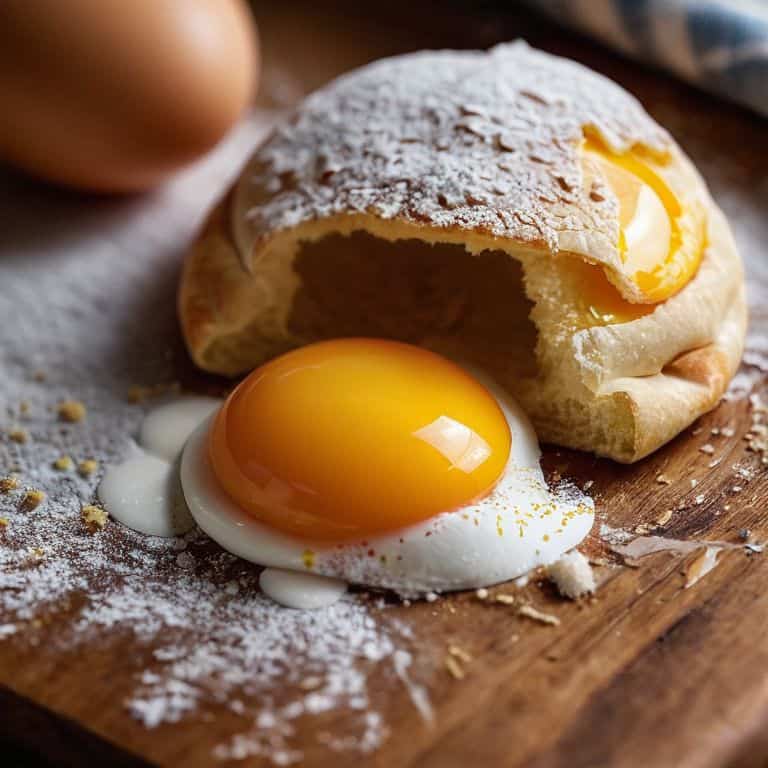
When working with eggs, it’s crucial to consider the balance between egg yolk and egg white. Egg yolks add flavor, moisture, and a touch of richness, while egg whites provide structure and stability. Baking with egg whites only can result in a unique texture and flavor profile, often used in meringue-based desserts. By understanding the distinct roles of egg yolks and egg whites, bakers can experiment with new recipes and techniques, pushing the boundaries of what’s possible in the world of baking.
Baking With Egg Whites Structure Matters
When working with egg whites in baking, structure is crucial. The proteins in egg whites, such as ovotransferrin and ovomucoid, unwind and reorganize to form a network that provides strength and stability to baked goods. This network is essential for creating the desired texture in meringues, souffles, and angel food cakes.
To achieve the perfect structure, it’s essential to beat the egg whites correctly. Overbeating can lead to a dense, chewy texture, while underbeating can result in a fragile, unstable structure. By understanding the science behind egg whites, bakers can create light, airy textures that elevate their baked goods to new heights.
Egg Yolk vs Egg White Leavening Agents Compared
When it comes to leavening agents, the comparison between egg yolks and egg whites is quite fascinating. Egg whites, with their high protein content, are excellent at providing structure and aeration to baked goods, making them a great addition to meringues and souffles.
In contrast, egg yolks contain emulsifying properties that help to combine oil and water-based ingredients, but they don’t provide the same level of leavening as egg whites. This difference is crucial in recipes where light and airy textures are desired.
Cracking the Code: 5 Essential Tips to Understand the Role of Eggs in Baking
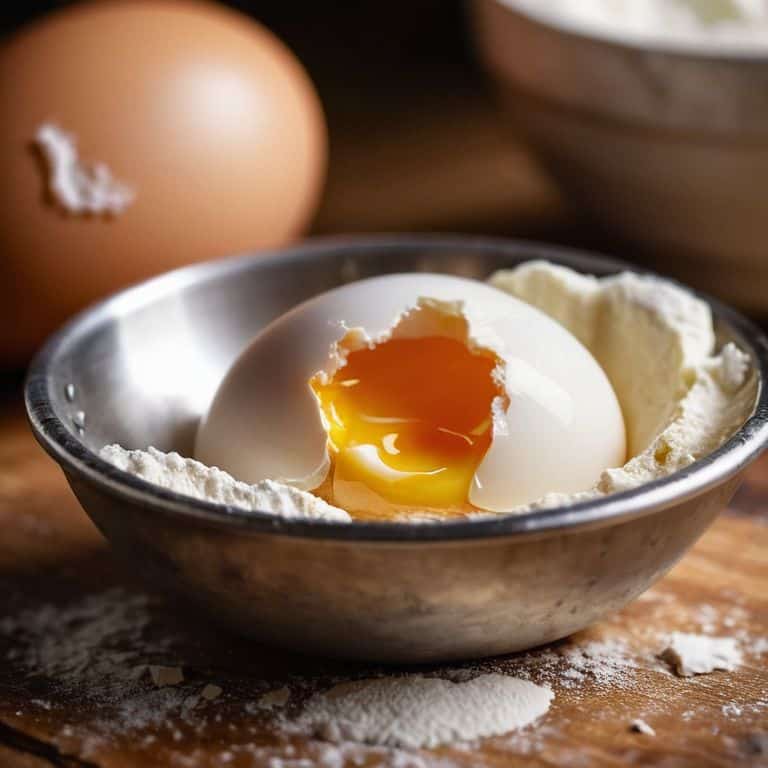
- Use eggs at room temperature for better emulsification and aeriation in your bakes
- Understand that egg sizes can significantly affect the final texture and consistency of your baked goods, so adjust recipes accordingly
- Distinguish between the roles of egg whites and yolks: whites provide structure and stability, while yolks add richness, moisture, and flavor
- Recognize that eggs are a primary leavening agent in many recipes, with the air incorporated during beating and the water content contributing to steam formation during baking
- Experiment with egg substitutes in baking, but be aware that each substitute (such as flaxseed, applesauce, or silken tofu) will alter the texture, flavor, and overall character of your final product
Key Takeaways: Cracking the Code of Eggs in Baking
Eggs play a multifaceted role in baking, contributing to structure, leavening, richness, and moisture, making them an indispensable ingredient in many recipes
Understanding the difference between egg whites and yolks, as well as the effects of egg size, is crucial for achieving consistent results and making informed decisions when substituting eggs in baking
By grasping the science behind eggs in baking, home bakers can confidently experiment with egg substitutes, adjust recipes, and troubleshoot common issues, ultimately elevating their baking skills and creativity in the kitchen
The Heart of Baking
Eggs are not just ingredients, they’re the orchestrators of texture, flavor, and structure in our baked goods – understanding their role is the key to unlocking a world of baking possibilities.
Beatrice Quinn
Cracking the Code: A Conclusion
As we’ve explored the role of eggs in baking, it’s clear that they play a multifaceted part in our recipes. From providing structure and moisture to contributing to the overall flavor and texture, eggs are a true workhorse in the kitchen. We’ve delved into the world of egg substitutes, the effects of egg size on our recipes, and even the distinct roles of egg whites and yolks in baking. By understanding these concepts, we can refine our baking skills and create more consistent and delicious results. Whether you’re a seasoned baker or just starting out, recognizing the importance of eggs can elevate your baking to the next level.
As you continue on your baking journey, remember that the key to success lies in understanding the science behind your ingredients. Don’t be afraid to experiment and try new things – and when a recipe doesn’t turn out as expected, don’t be discouraged. Instead, use it as an opportunity to learn and grow. With practice, patience, and a willingness to learn, you’ll be cracking the code of egg-based baking in no time, and unlocking a world of culinary possibilities.
Frequently Asked Questions
How do different types of eggs, such as duck or quail eggs, affect the outcome of baked goods?
When using alternative eggs like duck or quail, keep in mind that their sizes and fat contents differ from chicken eggs. Duck eggs, for instance, have a larger yolk and more fat, which can enrich flavors and tenderize textures, while quail eggs are smaller and might require adjustments in quantity to achieve the right balance in your recipe.
Can egg replacers like flaxseed or aquafaba be used in all types of baked goods, or are they better suited for specific recipes?
While flaxseed and aquafaba can be great egg replacers, they’re not universal solutions. Flaxseed works well in denser baked goods like muffins or bread, whereas aquafaba shines in lighter treats like meringues or cakes. It’s all about matching the replacer to the recipe’s texture and structure needs.
What role do eggs play in the browning and crust formation of baked goods, and how can this be optimized for the best results?
Eggs play a significant role in browning and crust formation, thanks to the proteins and fats in the yolks. These react with sugar to create a golden-brown color. To optimize, use room temperature eggs and don’t overmix, as this can lead to a dense, pale crust. A gentle folding technique will help preserve air and promote even browning.