As a seasoned pastry instructor, I’ve seen my fair share of baking blunders, and one of the most common culprits is the humble baking pan. Many home bakers believe that a guide to baking pans and their uses is all about trial and error, but I’m here to tell you that’s just not true. The right pan can make all the difference in the world, and it’s not just about throwing some batter into a random vessel and hoping for the best. In fact, choosing the right pan is a crucial step in ensuring that your baked goods turn out light, fluffy, and full of flavor.
So, what can you expect to learn from this article? I’ll be sharing my expertise on the science behind baking pans, including how to choose the right material, size, and shape for your specific baking needs. You’ll learn how to avoid common mistakes, such as using the wrong type of pan for a particular recipe, and how to get the most out of your baking pans to achieve consistent results. By the end of this guide, you’ll be equipped with the knowledge and confidence to tackle even the most complex baking projects, and you’ll never look at a baking pan the same way again.
Table of Contents
Guide Overview: What You'll Need
Total Time: 1 hour 30 minutes
Estimated Cost: $20 – $50
Difficulty Level: Easy
Tools Required
- Measuring Cups (dry and liquid)
- Measuring Spoons
- Oven Thermometer (for accurate temperature control)
- Non-stick Cooking Spray (for preventing food from sticking to pans)
Supplies & Materials
- Round Cake Pans 8 inches in diameter
- Square Cake Pans 8 inches by 8 inches
- Muffin Tins 12 cups, 2.5 inches in diameter
- Bread Loaf Pans 9 inches by 5 inches
- Cookie Sheets 18 inches by 12 inches
Step-by-Step Instructions
- 1. First, let’s start with the basics: understanding the different types of baking pans available. We have round cake pans, square cake pans, muffin tins, bread loaf pans, and cookie sheets, each with its unique characteristics and uses. Choosing the right pan is crucial for the success of your baked goods, as it affects the final texture, shape, and flavor.
- 2. Next, we need to consider the material of the pan. Baking pans can be made of aluminum, stainless steel, non-stick coatings, or silicone. Each material has its advantages and disadvantages. For example, aluminum pans are great for conducting heat, but they can react with acidic ingredients. Non-stick coatings, on the other hand, can make food release easy, but they may not be as durable as other materials.
- 3. Now, let’s talk about pan preparation. Before adding your batter or dough, make sure to grease the pan properly. This will prevent your baked goods from sticking to the pan and make them easier to remove. You can use butter, cooking spray, or flour to grease the pan, depending on the type of recipe you’re using.
- 4. Once your pan is prepared, it’s time to add the batter or dough. Make sure to fill the pan to the right level, as overfilling or underfilling can affect the final result. For example, if you’re making a cake, you want to fill the pan about 2/3 full to allow for even rising.
- 5. Now, let’s move on to baking temperatures and times. Different types of baked goods require different temperatures and baking times. Precision is key here, as incorrect temperatures or times can result in overcooked or undercooked goods. Make sure to consult your recipe and adjust the temperature and time according to the type of pan you’re using.
- 6. While your baked goods are in the oven, it’s essential to monitor their progress. Keep an eye on the clock and check your goods regularly to avoid overcooking. You can also use a thermometer to check the internal temperature of your goods, especially for items like bread or cakes.
- 7. Finally, let’s talk about removing and cooling your baked goods. Once they’re done baking, remove them from the oven and let them cool in the pan for a few minutes. Then, transfer them to a wire rack to cool completely. This will help them set and make them easier to handle. Proper cooling is crucial to prevent sogginess or cracking, especially for delicate items like cakes or pastries.
A Guide to Baking Pans
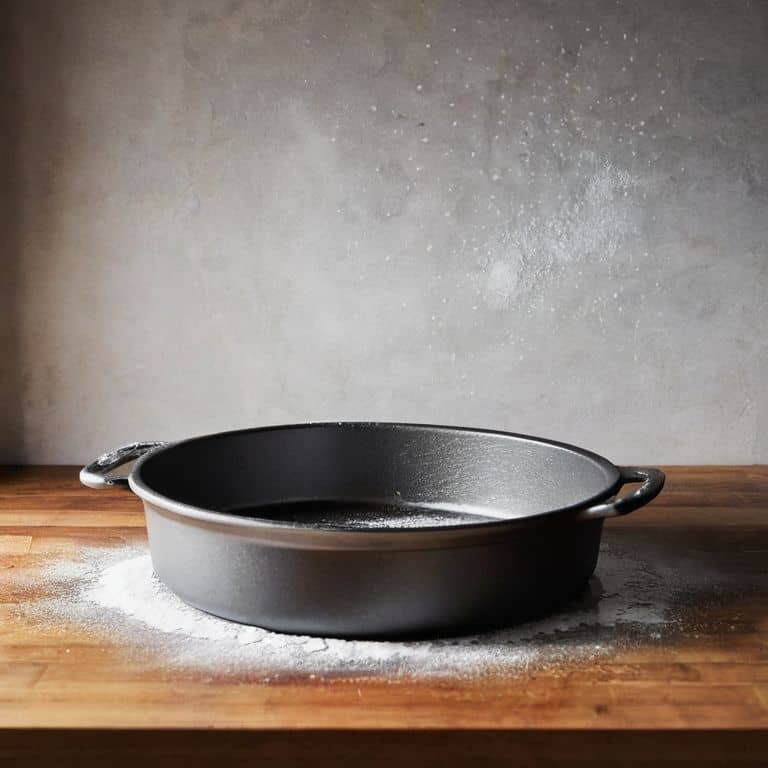
As we dive deeper into the world of baking pans, it’s essential to consider the non stick baking pan coating that can make all the difference in your baking experience. A good non-stick coating can prevent your delicate pastries from sticking and make the cleaning process a breeze. I always recommend investing in a high-quality non-stick pan, especially for beginners.
When it comes to baking, the right tools can make a significant difference. I’m a big fan of using a silicone baking mat to line my pans, as it provides extra protection against scratches and makes food release effortless. Additionally, it’s crucial to choose the right pan size for your recipe, and a baking pan size conversion chart can be a valuable resource to have in your kitchen.
To keep your baking pans in top condition, regular cleaning is a must. For those stubborn stains, I recommend soaking the pan in warm soapy water before scrubbing it gently. As an eco-conscious baker, I also appreciate eco friendly baking pan options, such as stainless steel or cast iron pans, which are not only durable but also better for the environment.
Non Stick Coating Secrets Revealed
When it comes to non-stick coatings, I always tell my students that it’s not just about preventing food from sticking, but also about ensuring even heat distribution. A good non-stick coating can make all the difference in achieving that perfect golden-brown crust. But, have you ever wondered what makes these coatings so effective? It’s all about the science of polymer chemistry. Most non-stick coatings are made from a type of polymer called Teflon, which is incredibly slippery and resistant to heat.
To get the most out of your non-stick coated pans, make sure to avoid using metal utensils, as they can scratch the surface and compromise the coating’s effectiveness. Instead, opt for silicone or wooden spoons to gently release your baked goods. With proper care and handling, your non-stick coated pans will become your most trusted companions in the kitchen, helping you to create perfectly baked treats every time.
Stainless Steel vs Aluminum the Science
When it comes to baking pans, the material can greatly impact the final result. Stainless steel and aluminum are two popular options, but they have distinct differences. Stainless steel pans are durable and resistant to scratches, but they can be poor heat conductors. On the other hand, aluminum pans are excellent heat conductors, allowing for even baking, but they can react with acidic ingredients.
I recommend using aluminum pans for delicate items like cakes and muffins, as they provide a tender crumb and even browning. However, for heartier baked goods like breads and pies, stainless steel pans are a better choice, as they can withstand high temperatures and provide a crispy crust. By understanding the science behind these materials, you can choose the right pan for your recipe and achieve perfect results every time.
5 Essential Tips for Choosing the Right Baking Pan
- Always consider the type of recipe you’re using when selecting a baking pan, as different materials and sizes can affect the final result
- Non-stick coatings can be a game-changer for delicate baked goods, but be sure to avoid using metal utensils to prevent damage
- Stainless steel pans are ideal for high-temperature baking, while aluminum pans are better suited for lower-temperature recipes
- Never underestimate the importance of proper pan preparation, including greasing and flouring, to ensure your baked goods release smoothly
- Investing in a variety of baking pans in different shapes and sizes will give you the flexibility to tackle a wide range of recipes with confidence
Key Takeaways for Mastering Baking Pans
Understand that the right baking pan can significantly affect the outcome of your baked goods, and learning about different materials such as stainless steel, aluminum, and non-stick coatings is crucial for achieving perfect results
Recognize the importance of maintenance and care for your baking pans, including how to clean and store them properly, to extend their lifespan and ensure consistent performance in your baking
Apply the science behind baking pan selection to your recipes, considering factors such as heat conductivity, non-stick properties, and the chemical reactions that occur between ingredients and pan materials to elevate your baking skills and confidence
The Pan Whisperer's Wisdom
A good baking pan is not just a vessel, it’s a catalyst for perfection – understanding its role is what separates a good baker from a great one.
Beatrice Quinn
Unlocking the Full Potential of Your Bakes
As we conclude our journey through the world of baking pans, it’s essential to remember the fundamentals. We’ve explored the various types of pans, from non-stick to stainless steel and aluminum, and delved into the science behind their performance. By understanding the importance of material selection and proper pan preparation, you’ll be well on your way to achieving consistent, high-quality bakes. Whether you’re a beginner or an experienced baker, having the right pan for the job can make all the difference in the outcome of your creations.
As you continue to experiment and grow in your baking journey, I encourage you to embrace the science behind this art form. Don’t be afraid to try new recipes, explore different techniques, and push the boundaries of what’s possible. With practice, patience, and a deep understanding of the tools and ingredients at your disposal, you’ll unlock the full potential of your bakes and create truly magical treats that will delight and inspire those around you.
Frequently Asked Questions
What are the best ways to maintain and clean non-stick baking pans to ensure their longevity?
To maintain and clean non-stick baking pans, I recommend gentle soap and water, avoiding abrasive scrubbers. For tough residue, mix equal parts water and white vinegar in the pan and bring to a simmer, then wipe clean. Regularly reapplying a small amount of cooking oil can also help maintain the non-stick coating.
How do different types of baking pans, such as stainless steel or aluminum, affect the cooking time and texture of baked goods?
When it comes to baking pans, the material can significantly impact cooking time and texture. Stainless steel pans tend to cook more slowly and evenly, while aluminum pans conduct heat quickly, which can lead to a crisper crust but also increases the risk of overcooking.
Can I use a baking pan with a dark non-stick coating for all types of baked goods, or are there specific products that require a lighter-colored pan?
While dark non-stick coatings are excellent for browning, they can absorb heat and overcook delicate items. I recommend using lighter-colored pans for sensitive baked goods like sponge cakes or meringues, and reserving darker pans for heartier treats like breads or roasted vegetables.