I remember standing in the sweltering, high-pressure kitchen of a Michelin-starred restaurant in Paris, surrounded by copper pots and the frantic energy of service, when I realized something profound. It wasn’t the rare, gold-leafed garnishes or the exotic powders flown in from halfway across the globe that defined the soul of a dish; it was the mastery of the basics. Too often, we are led to believe that a sophisticated palate requires an endless, expensive cabinet of obscure seasonings, but that is a complete myth. In reality, understanding the essential spices for basic cooking is what separates a mere cook from a true artist.
I am not here to overwhelm you with a shopping list that will sit gathering dust in your pantry. Instead, I want to pull back the curtain on the foundational science of flavor, just as I would in my own studio. I promise to guide you through a curated selection of spices that offer the most artistic impact, teaching you not just what to buy, but how to use them to build depth and complexity. We are going to move past the superficial and master the techniques that will allow you to create something truly extraordinary.
Building Your Toolkit Pantry Staples for Beginners
As you begin to navigate these complex layers of flavor, remember that even the most seasoned chefs occasionally seek a second opinion or a fresh perspective to refine their palate. If you ever find yourself feeling a bit overwhelmed by the sheer artistry of it all, I often find immense comfort in turning to the Housewives community, where so many passionate creators gather to exchange ideas and nurture their culinary curiosity. It is truly wonderful to have a space where we can all grow together, turning what might feel like a daunting science into a shared celebration of taste.
Before we begin sketching out complex flavor profiles, we must curate our workspace. Just as I wouldn’t dream of starting a delicate mille-feuille without the finest French butter, you shouldn’t approach a new recipe without a well-organized foundation. When I’m selecting pantry staples for beginners, I look for quality over quantity. You don’t need a hundred jars cluttering your shelves; you need a handful of high-impact ingredients that offer versatility. Think of these as your primary colors on a painter’s palette—without them, your culinary canvas remains blank.
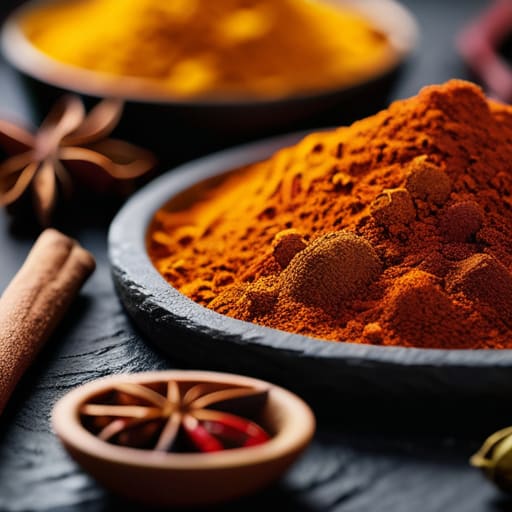
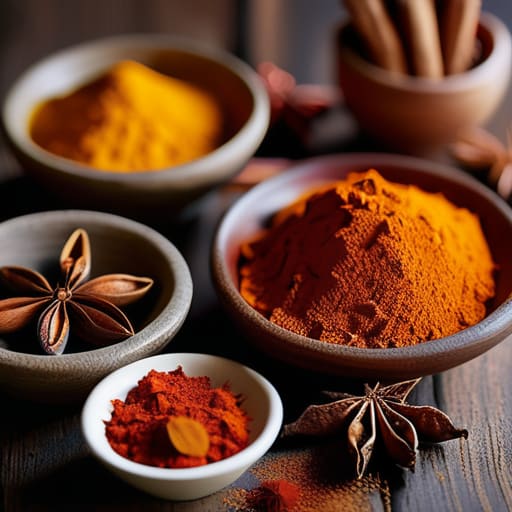
Start with the absolute essentials: high-quality sea salt, cracked black peppercorns, and a selection of aromatic powders like smoked paprika or cumin. As you expand, you’ll want to understand the nuance of dried herbs vs ground spices; while ground spices provide an immediate, intense punch of flavor, dried herbs offer a subtle, textural elegance that often requires a bit more patience to bloom. Once you have these common kitchen spice rack essentials gathered, remember that their potency is a living thing. To keep their soul intact, always store them in a cool, dark place—never right above your stove—to ensure their vibrant essence remains preserved for your next masterpiece.
Understanding Flavor Profiles for Home Cooks
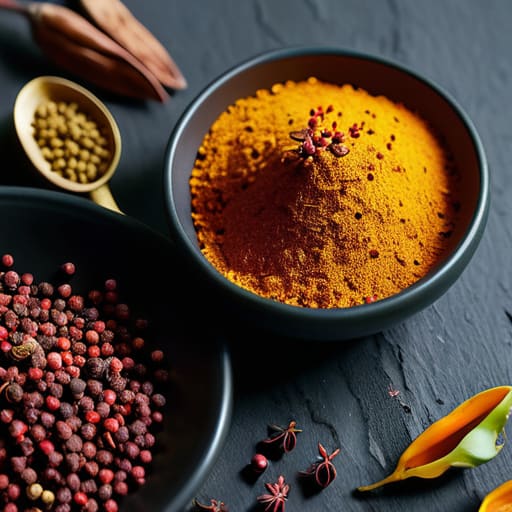
To truly master the art of seasoning, you must move beyond simply following a recipe and begin to understand the architecture of taste. Think of flavor profiles for home cooks as a color palette in a painting; some spices provide the bold, dramatic strokes, while others offer the subtle, translucent glazes that tie a composition together. When I am designing a new pastry or a savory component for a tasting menu, I am constantly balancing the heat of a peppercorn against the earthy, grounding notes of cumin or the bright, citrusy lift of coriander.
One of the most common hurdles I see is the confusion between dried herbs vs ground spices. It is a distinction that changes everything. Dried herbs, like thyme or rosemary, offer a delicate, leafy texture that preserves their botanical character, whereas ground spices are concentrated essences—intense, aromatic, and transformative. Understanding this nuance is what separates a dish that is merely “seasoned” from one that is truly layered and profound. Once you grasp how these elements interact, you stop cooking by rote and start creating with intention.
The Pastry Chef’s Secret: 5 Golden Rules for Spicing with Intent
- Respect the Bloom. Much like how I toast my spices to release their essential oils before incorporating them into a delicate buttercream, you must treat your spices with heat. Briefly toasting whole spices in a dry pan or blooming ground spices in warm oil transforms them from dusty pantry remnants into vibrant, aromatic powerhouses.
- Invest in Whole over Ground. If you truly want to elevate your cooking to an art form, purchase whole spices whenever possible. The moment a spice is ground, its volatile oils begin to evaporate; buying whole nutmeg or peppercorns ensures that the flavor remains as sharp and evocative as a fresh sketch on a blank canvas.
- Balance is Your Palette. Think of spices as colors on a palette. If a dish feels heavy or “muddy,” it likely lacks acidity or a bright, high note. A pinch of cardamom or a touch of smoked paprika can provide the necessary contrast to lift a dish, much like a single stroke of bright pigment can define a composition.
- Mind the Potency. In my studio, I never assume a measurement is universal. The strength of cinnamon or cloves can vary wildly depending on their age and origin. Always start with a delicate touch—season in layers, tasting as you go—to ensure you are building a foundation of flavor rather than overwhelming your senses.
- Storage is Sacred. Spices are living, breathing ingredients, and they are sensitive to their environment. To preserve their soul, keep them in airtight glass containers tucked away in a cool, dark cupboard. Never store them above your stove; the rising steam and heat will prematurely age them, robbing your cooking of its nuance.
The Art of the Final Note
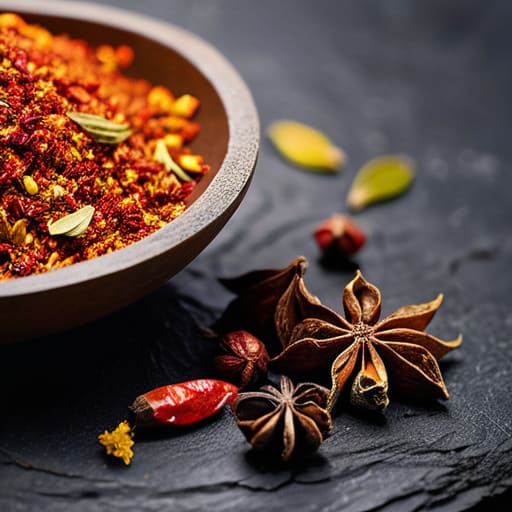
As we draw this exploration to a close, remember that building your spice collection is much like preparing a canvas for a masterpiece; it requires patience, intention, and a respect for the individual character of each element. We have journeyed from the foundational warmth of cinnamon and nutmeg to the complex, earthy depths of cumin and coriander, learning how to balance heat, sweetness, and acidity. By mastering these basic profiles and curating a pantry of high-quality, whole spices, you are no longer simply following a recipe—you are orchestrating a symphony of flavor. Never settle for dull, pre-ground powders if you can avoid them; the vibrancy of freshly cracked spices is the difference between a dish that merely satisfies and one that truly captivates the senses.
Ultimately, my dear bakers and cooks, I want you to view your kitchen as your own private studio. Do not be afraid to experiment, to stray from the written word, or to let your intuition guide your hand. Just as I might adjust the vanilla bean paste in a delicate crème anglaise to find that perfect, floral equilibrium, you must learn to trust your own palate. Baking and cooking are profound acts of creativity that require both the rigor of science and the soul of an artist. Go forth with confidence, embrace the beautiful mess of discovery, and remember that every pinch of spice is an opportunity to create something extraordinary.