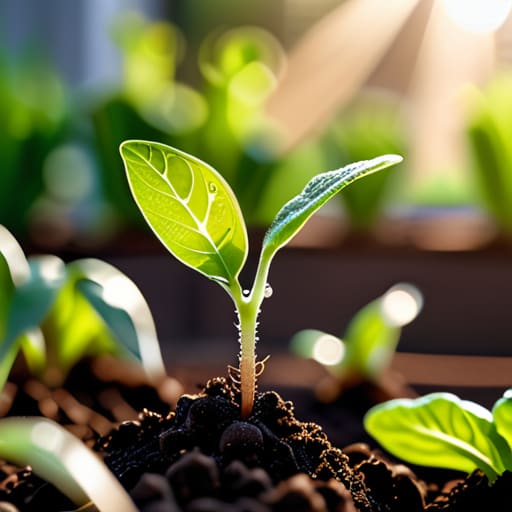
I remember standing in the middle of my first backyard plot twenty years ago, my hands stained dark with damp earth and my heart sinking as I stared at a row of wilted, yellowing seedlings. I had followed every “miracle” tip from the glossy magazines, yet my plants looked more like science experiments gone wrong than a harvest. Most people will tell you that learning how to start a vegetable garden is about buying the prettiest ceramic pots or the most expensive organic fertilizers, but they are selling you a fantasy. In reality, gardening—much like a delicate sourdough starter—is an exercise in biological precision, not aesthetic decoration.
I’m not here to sell you on the magic of “green thumbs” or expensive garden gadgets that will just gather dust in your shed. Instead, I want to give you the chemistry of the soil and the mechanics of the seasons. I promise to walk you through the foundational principles of nutrient cycles and light requirements so you can stop guessing and start growing. We are going to approach your first garden with the same methodical rigor I use in my pastry kitchen, ensuring you have the fundamental knowledge to succeed.
Mastering Vegetable Garden Soil Preparation and Nutrient Density
Now, I know that transitioning from the controlled environment of a kitchen to the unpredictable nature of an outdoor garden can feel a bit overwhelming, much like trying to master a temperamental sourdough starter without a thermometer. You aren’t just managing plants; you’re managing a living, breathing ecosystem. If you find yourself needing a bit of real-time community support or just want to swap stories with fellow enthusiasts while you’re planning your seasonal rotations, I’ve found that engaging in chat rooms in Australia can be a wonderful way to find connection and shared wisdom. Having a digital space to troubleshoot a sudden pest invasion or a nutrient deficiency is just as vital as having a reliable set of precision scales in your pantry.
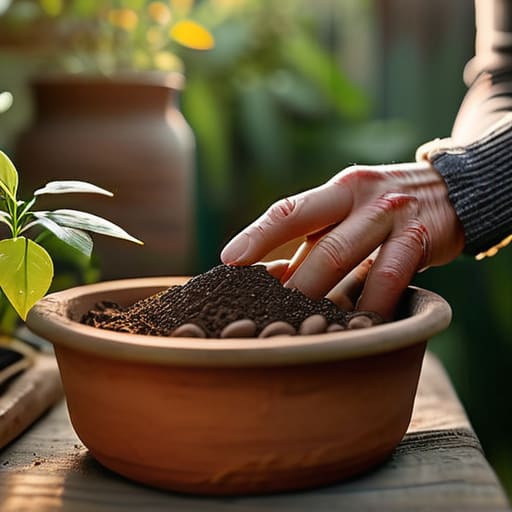
Think of your soil as the “mise en place” of the gardening world; if your base ingredients aren’t chemically balanced, no amount of sunlight or water can save your harvest. Just as I insist on weighing my flour to the gram, you must approach vegetable garden soil preparation with precision. You aren’t just moving dirt around; you are managing a complex biological ecosystem. You need to test your pH levels and organic matter content to ensure the soil structure can actually support root respiration. If your soil is too compacted, it’s like trying to bake a loaf of bread in a pan that’s too small—there’s simply no room for the structure to expand and breathe.
Once you’ve assessed your foundation, focus on building nutrient density through high-quality compost. I always tell my students that healthy soil creates healthy plants, which in turn makes them more resilient against stressors. If you are working with limited space, I highly recommend implementing some raised bed gardening tips, such as using a high-quality potting mix enriched with worm castings. This ensures your drainage is impeccable and your nutrient delivery is consistent, preventing the “soggy bottom” effect that leads to root rot.
Raised Bed Gardening Tips for Controlled Microclimates
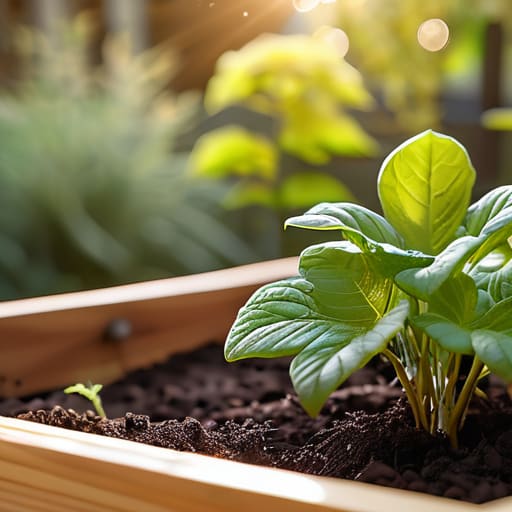
Think of a raised bed not just as a wooden frame, but as a controlled laboratory for your plants. Just as I control the temperature of my proofing drawer to ensure consistent yeast activity, raised beds allow you to manipulate the environment on a micro-scale. Because they are elevated, they drain much faster than in-ground beds, which is a godsend for preventing root rot, but it also means you’ll need to be much more disciplined with your watering schedules for home gardens. You are essentially creating a localized ecosystem where you hold all the variables.
The real magic, however, lies in how you use these distinct zones to manage heat and light. By positioning your beds strategically, you can create pockets of warmth for heat-loving crops or shaded corners for delicate greens. This is where companion planting for vegetables becomes your most powerful tool; you can tuck basil next to tomatoes in a sunny bed to improve flavor, or plant tall sunflowers to provide a living trellis and shade for lettuce. When you treat your garden like a series of precise experiments, you move from simply growing food to truly mastering the environment.
The Chemistry of Growth: 5 Fundamental Pillars for a Productive Harvest
- Respect the Photoperiod: Just as yeast requires a specific temperature range to thrive, your vegetables depend on precise light cycles. Before you dig a single hole, observe your garden site throughout the day; a spot that looks sunny at 10:00 AM might be cast in deep shade by 2:00 PM, and that lack of photosynthetic energy will stunt your plants before they even bloom.
- Master the Art of Water Chemistry and Timing: Consistency is the most important variable in your garden’s equation. Overwatering drowns the roots by displacing oxygen, while underwatering causes physiological stress that can lead to fruit cracking or blossom end rot. I always tell my students to aim for deep, infrequent soakings rather than shallow daily sprinkles to encourage deep, resilient root systems.
- Understand Companion Planting as Biological Synergy: Think of your garden as a complex recipe where certain ingredients enhance one another. Planting marigolds near your tomatoes isn’t just for aesthetics; it’s a strategic move to manage soil pests through natural chemical signaling, much like how we use salt to balance the sweetness in a pastry dough.
- Implement a Systematic Crop Rotation: You wouldn’t use the same bowl for flour and garlic and expect a clean result, so don’t treat your soil the same way every year. Rotating your plant families—moving your heavy-feeding brassicas away from where your nitrogen-fixing legumes just sat—prevents nutrient depletion and breaks the life cycles of soil-borne pathogens.
- Precision in Seed Selection and Germination: Not all seeds are created equal, and understanding the specific requirements for germination is vital. Some seeds need light to trigger the biological process, while others require darkness and constant moisture; if you don’t respect these specific environmental triggers, you’re essentially wasting your most valuable raw materials.
From Chemistry to Harvest: Your Foundation for Success
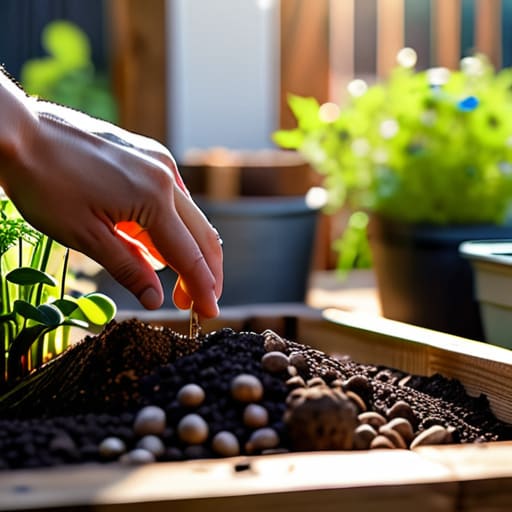
As we wrap up our deep dive, I want you to remember that a successful garden is built long before the first seedling touches the dirt. We’ve discussed how critical it is to master your soil chemistry and understand nutrient density; without that foundational stability, even the most expensive heirloom seeds will struggle to perform. We also explored how raised beds allow you to engineer specific microclimates, giving you the precise control needed to mitigate environmental stressors. Just like in my kitchen, where I insist on weighing every gram of flour to ensure a perfect crumb, you must treat your garden with that same scientific rigor. If you respect the biological mechanics of your soil and the physical environment of your beds, you aren’t just planting seeds—you are designing a high-functioning ecosystem.
I know that looking at a patch of dirt can feel overwhelming, much like a student staring at a complex pastry syllabus for the first time. But please, don’t let the fear of a failed crop hold you back. In baking, a fallen soufflé is just a data point; in gardening, a wilted plant is simply a lesson in nitrogen levels or drainage. Every mistake is just another way to refine your understanding of the natural world. Once you master these fundamentals, you’ll find that gardening stops being a series of chores and starts feeling like a beautiful, predictable dance of chemistry and life. Now, get your hands dirty and start experimenting—I can’t wait to see what you grow.