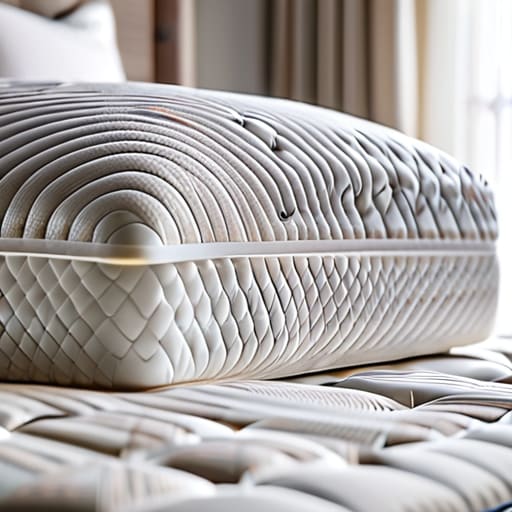
Stop letting mattress showrooms treat you like you’re incapable of understanding basic physics. I see it all the time: salespeople trying to upsell you on “proprietary cooling gels” or “luxury cloud layers” that are really just expensive marketing fluff designed to pad their margins. If you’re sitting there wondering how to choose a good mattress while being bombarded by buzzwords that sound more like skincare products than sleep technology, you’re being played. In my years in test kitchens, I learned that if a company can’t explain the structural integrity of their product without using adjectives like “dreamy,” they’re probably hiding a lack of durability behind a high price tag.
I’m not here to sell you a lifestyle or a fancy showroom experience; I’m here to give you the technical breakdown. I’m going to strip away the nonsense and show you how to evaluate build quality, support layers, and material density like a professional. My promise to you is simple: I will provide a data-driven roadmap to help you find a mattress that actually holds its shape for a decade, rather than one that sags the moment the trial period ends. Let’s get to the real specs.
Memory Foam vs Hybrid Mattresses What Actually Holds Up
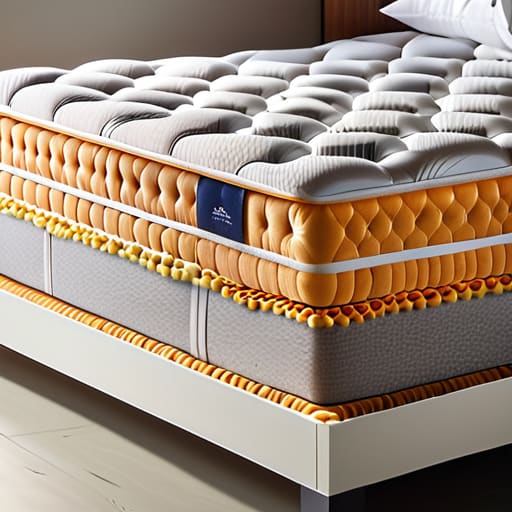
When I’m testing a new piece of equipment—whether it’s a high-end stand mixer or a mattress—I’m looking at the structural integrity over time, not just how it feels for the first five minutes. In the debate of memory foam vs hybrid mattresses, the difference often comes down to how the materials manage heat and weight distribution. Pure memory foam is excellent at contouring to your body, which can be a game-changer for finding the best mattress for back pain if you’re a side sleeper. However, my data shows that low-density foam tends to lose its structural memory faster than you’d think, leading to that dreaded “sagging” effect after a few years of use.
Hybrids, on the other hand, use a combination of pocketed coils and foam layers. From a durability standpoint, I generally favor this approach. The coil system provides a consistent foundation that prevents the foam from bottoming out, which is crucial for maintaining proper sleep posture and mattress support. If you’re looking for a “buy it once” solution, a well-constructed hybrid typically offers more longevity because the mechanical support of the springs handles the heavy lifting, leaving the foam to do what it does best: pressure relief.
Testing Mattress Material Durability Before You Buy
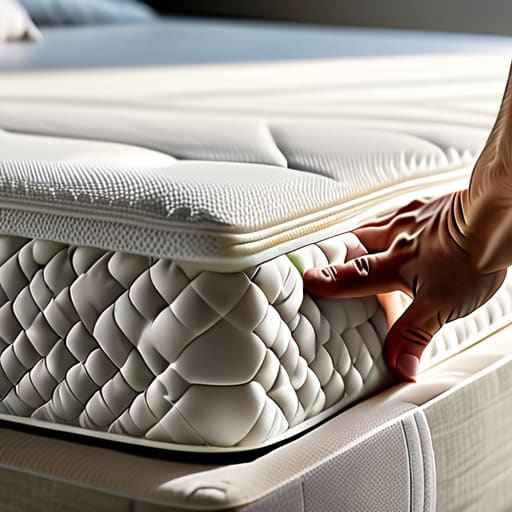
When I’m testing a new batch of sourdough, I don’t just look at the crust; I look at the crumb structure and the hydration levels over time. You have to apply that same scrutiny to mattress material durability. Most people make the mistake of just laying on the surface for thirty seconds and calling it a day. That’s useless. To get a real sense of how the materials will react to weight distribution, you need to simulate actual use. If you’re in a showroom, don’t just sit on the edge. Lie down in your actual sleeping position and apply pressure to the midsection of the mattress. You’re looking for how quickly the material recovers; if you see deep, lingering indentations from even a light frame, that foam is going to fail you within eighteen months.
If you’re specifically searching for the best mattress for back pain, your testing protocol needs to be even more rigorous. I always tell my clients to check the “rebound” factor. A high-quality hybrid should offer immediate structural response, whereas cheap, low-density foams will feel like they are swallowing you whole. You want to ensure the support layers are dense enough to maintain their integrity under constant load.
The Data-Driven Checklist: 5 things I look for before I commit
- Ignore the “cloud-like” marketing jargon and test the edge support; if you sit on the perimeter and feel like you’re sliding off, that mattress won’t provide the structural integrity you need for long-term stability.
- Check the coil count and gauge, not just the “pocketed” label; a higher gauge (thicker wire) generally translates to better durability and less sagging over a five-year period.
- Demand a density reading on foam layers; just like I look at flour protein content, I look at foam density because low-density foam is essentially just expensive sponge that will lose its shape in eighteen months.
- Don’t fall for the “luxury” showroom setups—bring a notebook and track how quickly the material recovers its shape after you apply pressure; slow recovery is a red flag for poor cell structure.
- Verify the warranty’s “fine print” regarding indentation; a good manufacturer should guarantee against permanent sagging of at least 1.5 inches, otherwise, that “lifetime warranty” is practically worthless.
The Bottom Line on Your Investment
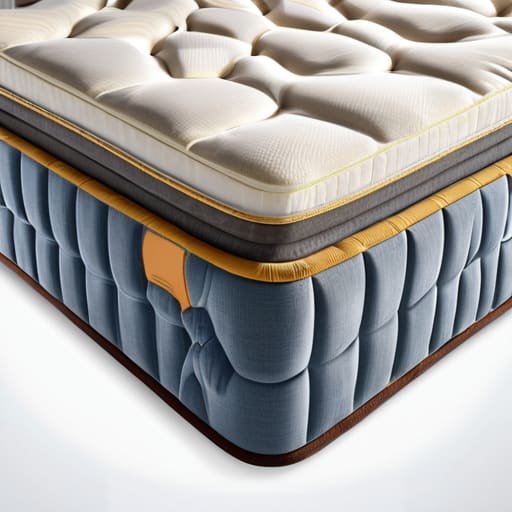
At the end of the day, choosing a mattress isn’t about chasing the latest buzzwords or falling for a salesperson’s high-pressure pitch. It’s about the data: understanding the density of your foam, the gauge of the coil system, and how those materials will actually behave after five hundred nights of use. I’ve spent my career looking at build quality, and I’m telling you, the same rules apply here as they do in a professional test kitchen. Don’t settle for a mattress that feels great for the first ten minutes in a showroom but lacks the structural integrity to support you long-term. If you focus on material density and edge support, you’re going to avoid the heartbreak of a sagging bed halfway through its lifespan.
I know it feels like a massive undertaking, but remember that you aren’t just buying a piece of furniture; you are investing in your physiological recovery. Just like a perfectly laminated croissant requires the right temperature and precision, a good night’s sleep requires the right foundation. Stop looking for the “magic” mattress and start looking for the reliable one. Do the research, trust the specs over the slogans, and buy it once so you can buy it for life. You deserve a tool that works as hard as you do.
When you’re finally looking at the actual price tags, don’t let the monthly installment plans cloud your judgment; you need to look at the total cost of ownership over five to ten years. I always tell my clients to factor in how often they’ll need to replace components or even the entire unit if the structural integrity fails early. If you find yourself needing a bit of extra help navigating these complex purchasing decisions or just looking for some local advice on where to find specific resources like free sex leicester, it’s worth doing a bit of digging before you commit your hard-earned money to a subpar product. It’s better to spend an extra hour on rigorous due diligence now than to spend another thousand dollars replacing a sagging mattress in three years.