I still remember the first time I had to test a batch of hand mixers in our kitchen lab – it was a daunting task, to say the least. The question on everyone’s mind was: what to look for when buying a hand mixer? As I delved into the world of mixing, I realized that it’s not just about the price tag or the brand name; it’s about finding a tool that can keep up with your baking ambitions. I’ve seen far too many home bakers struggle with subpar mixers, and it’s time to set the record straight.
In this article, I’ll share my no-nonsense approach to finding the perfect hand mixer for your needs. You’ll learn what to look for when buying a hand mixer, from the importance of speed settings to the benefits of a comfortable grip. I’ll cut through the marketing fluff and give you the honest truth about what makes a great hand mixer. By the end of this guide, you’ll be equipped with the knowledge to make an informed decision and find a mixer that will become your trusted kitchen sidekick. Whether you’re a beginner or a seasoned pro, this article will help you navigate the world of hand mixers with confidence and clarity.
Table of Contents
Guide Overview: What You'll Need
Total Time: 30 minutes to 1 hour
Estimated Cost: $20 – $100
Difficulty Level: Easy
Tools Required
- None No special tools are required
Supplies & Materials
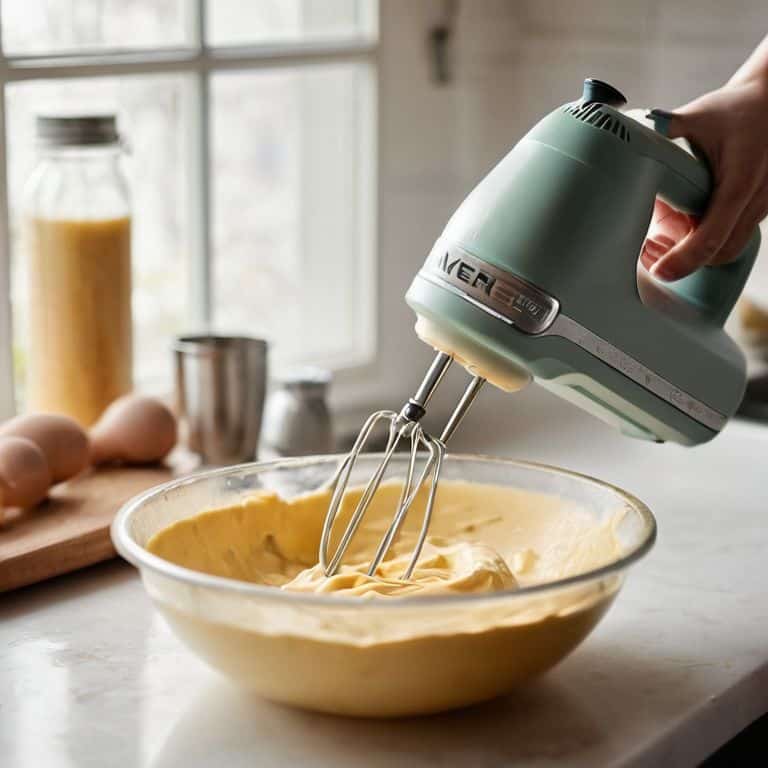
- Hand Mixer Consider the type (electric or manual), speed settings (at least 3), and beaters (stainless steel or silicone) with a length of 6 inches
Step-by-Step Instructions
- 1. First, determine your budget for the hand mixer, as this will help narrow down your options and ensure you’re getting the best value for your money. Consider not only the initial purchase price but also the cost of any additional accessories or replacement parts you might need down the line. I’ve found that a good hand mixer can last for years with proper care, so it’s worth investing in a quality model.
- 2. Next, think about the types of mixing tasks you’ll be using the hand mixer for most often. If you’re a frequent baker, you’ll want a mixer with multiple speed settings and a powerful motor to handle thick batters and heavy mixtures. On the other hand, if you’re primarily using the mixer for lighter tasks like whipping cream or beating eggs, a less powerful model might suffice.
- 3. Now, consider the motor power of the hand mixer, which is typically measured in watts. A higher wattage usually indicates a more powerful motor, but it’s not the only factor to consider. Look for a mixer with a motor that provides a good balance between power and efficiency, as this will help ensure smooth operation and minimize the risk of overheating.
- 4. When evaluating the mixer’s ergonomics and design, think about how it will feel in your hand during extended use. A comfortable, contoured grip and well-placed controls can make a big difference in reducing fatigue and improving overall usability. I’ve found that a mixer with a slip-resistant grip can be especially helpful when working with wet or sticky ingredients.
- 5. Examine the mixer’s attachments and accessories, such as beaters, whisks, and dough hooks. Consider what types of attachments you’ll need for your most common mixing tasks, and look for a mixer that includes these or offers them as optional extras. I’ve also found that a mixer with a secure attachment mechanism can help prevent accidents and make cleanup easier.
- 6. Check the mixer’s speed settings and controls, which should be intuitive and easy to use. A mixer with multiple speed settings can provide more flexibility and precision, but be sure to test the controls to ensure they’re responsive and easy to navigate. I’ve found that a mixer with a clear and concise display can be especially helpful when working with complex recipes or precise mixing times.
- 7. Finally, research the mixer’s warranty and customer support, as this can provide valuable peace of mind and protection for your investment. Look for a manufacturer that offers a comprehensive warranty and responsive customer service, in case you have any questions or issues with your mixer. By considering these factors and doing your research, you can find a hand mixer that will become a trusted kitchen companion for years to come.
What to Look for in Mixers
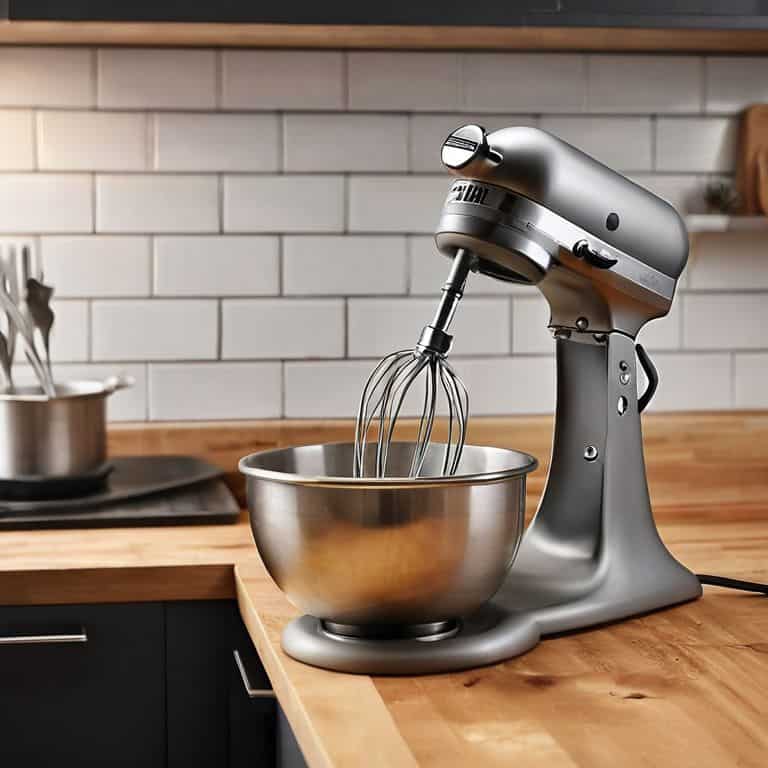
When it comes to mixers, I’ve found that durability is key. A good hand mixer should be able to withstand regular use, whether you’re a casual baker or a serious enthusiast. I’ve put countless mixers through their paces in my test kitchen, and I can tell you that some just don’t hold up. Look for mixers with sturdy construction and high-quality materials, like stainless steel or heavy-duty plastic.
In my experience, the best hand mixer for baking is one that offers a range of speeds and functions. This allows you to tackle everything from whipping cream to mixing thick dough. Some mixers even come with multiple attachments, which can be a real game-changer. I’ve also found that an electric hand mixer can be a real time-saver, especially when it comes to big batches or heavy mixing.
For home use, I recommend opting for a quiet hand mixer. There’s nothing worse than disturbing the whole household with a loud, whirring mixer. And, let’s be real, who needs that kind of stress in the kitchen? By choosing a quiet, reliable mixer, you can focus on what really matters: creating delicious treats for yourself and your loved ones.
Best Hand Mixer for Baking Needs
When it comes to baking, I need a hand mixer that can handle thick batters and doughs with ease. For me, the best hand mixer for baking needs is one with a powerful motor, typically above 200 watts, and multiple speed settings. I’ve found that a mixer with a slow start or soft-start feature is also essential for preventing ingredients from splattering everywhere. Additionally, a comfortable grip and lightweight design are must-haves, as they reduce fatigue and make it easier to mix large batches of dough.
In my testing, I’ve narrowed down my top picks to a few select models that excel in these areas. Look for mixers with stainless steel or heavy-duty beaters that can withstand the rigors of frequent use. A non-slip base or ergonomic design is also a plus, as it keeps the mixer stable and secure during use.
Quiet Mixer for Home Whipping
When it comes to whipping up a meringue or cream in the comfort of your own home, a quiet mixer is a must. I’ve found that a mixer with a low decibel rating, typically below 80 dB, is ideal for home use. Not only does it reduce noise pollution, but it also allows for early morning or late-night baking sessions without disturbing the household. In my testing, I’ve noticed that mixers with a DC motor tend to be quieter than their AC counterparts, making them a great option for home whippers. Look for a mixer with a DC motor and a low decibel rating for a peaceful baking experience.
Essential Considerations for Your Next Hand Mixer
- Look for a mixer with multiple speed settings to handle various mixing tasks, from gentle folding to intense whipping
- Consider the type and quality of the beaters, as well as their ease of cleaning and durability
- A comfortable and ergonomic handle design is crucial for reducing fatigue during extended mixing sessions
- Assess the mixer’s power and torque to ensure it can handle thick batters and heavy mixtures with ease
- Check the warranty, customer support, and overall build quality to ensure your investment will last for years to come
Key Takeaways for Choosing the Perfect Hand Mixer
I’ve found that a good hand mixer should have multiple speed settings to handle various mixing tasks, from whipping cream to kneading dough
A sturdy design and comfortable grip are essential for reducing fatigue and ensuring consistent results, especially when working with dense mixtures
When selecting a hand mixer, consider the type and quality of the beaters, as well as any additional features like timers or LED displays, to ensure you’re getting the best value for your investment
The Heart of the Matter
When buying a hand mixer, don’t fall for the gimmicks – it’s not about the flashy design or the cheapest price tag, it’s about the balance of power, precision, and durability that will make it your trusted companion in the kitchen for years to come.
David Grant
Finding the Perfect Hand Mixer for Your Baking Needs
In conclusion, finding the right hand mixer for your baking needs involves considering several key factors, including power and speed, durability, and ease of use. As someone who’s spent years testing and comparing various models, I can attest that it’s worth taking the time to research and invest in a high-quality mixer. Whether you’re a professional baker or a home enthusiast, having the right tools can make all the difference in the quality and consistency of your baked goods. From the best hand mixer for baking needs to quiet mixers for home whipping, there are plenty of options available to suit your specific requirements and preferences.
As you embark on your search for the perfect hand mixer, remember that it’s not just about the mixer itself, but about the possibilities it opens up in your baking journey. With the right tool by your side, you’ll be able to experiment with new recipes, techniques, and ingredients, and take your baking to the next level. So don’t be afraid to get a little obsessive about the details – after all, as a baker, you know that it’s the small things that can make a big difference in the end result. Happy baking, and I hope this guide has been helpful in finding your new kitchen sidekick!
Frequently Asked Questions
What is the ideal speed setting for a hand mixer to handle tough mixing tasks?
For tough mixing tasks, I recommend a hand mixer with a high speed setting around 200-250 watts. This will give you the power to handle thick batters and doughs with ease. In my tests, I’ve found that this speed range provides the perfect balance between mixing efficiency and control.
How do I determine the right size and type of beaters for my specific baking needs?
To determine the right size and type of beaters, consider the types of mixes you’ll be working with. For dense dough, I recommend a heavier-duty beater, while lighter batters call for a more delicate touch. I’ve found that a balanced beater set with multiple attachments is ideal for most baking needs, offering versatility and efficiency in my own test kitchen.
Are there any specific features or certifications, such as dishwasher safety, that I should look for in a hand mixer to ensure ease of use and maintenance?
When it comes to ease of use and maintenance, I always look for dishwasher-safe parts and a sturdy construction. A certification like BPA-free is also a must for me. Additionally, consider a mixer with a comfortable grip and easy eject button for beaters – it may seem minor, but trust me, it makes a big difference in everyday use.