As I stand in my bespoke cake studio, surrounded by the aroma of rich chocolate and the soft glow of artistic inspiration, I am reminded of the countless times I’ve been asked for a guide to chocolate desserts. It’s a topic that sparks both excitement and intimidation in the hearts of many home bakers. The common myth that creating exquisite chocolate desserts requires a plethora of exotic ingredients and complicated techniques can be daunting. However, I’m here to tell you that the truth lies in the simplicity and quality of the ingredients, combined with a deep understanding of the craft.
In this article, I promise to share my honest and practical advice on how to create stunning, decadent chocolate desserts that will impress anyone. From the science of tempering chocolate to the art of designing visually stunning cakes, I’ll guide you through the process with precision and passion. My goal is to empower you with the knowledge and skills to elevate your baking to an art form, and to make a guide to chocolate desserts a trusted companion in your culinary journey. Whether you’re a beginner or an experienced baker, I invite you to join me on this sweet adventure, and together, let’s uncover the secrets to creating truly extraordinary chocolate desserts.
Table of Contents
Guide Overview: What You'll Need
Total Time: 2 hours 30 minutes
Estimated Cost: $20 – $40
Difficulty Level: Intermediate
Tools Required
- Double Boiler (or a heatproof bowl)
- Mixing Bowls (stainless steel or glass)
- Measuring Cups (dry and liquid)
- Electric Mixer (stand or handheld)
- Whisk (balloon or flat)
- Rubber Spatula (for scraping sides)
Supplies & Materials
- Dark Chocolate (at least 70 percent cocoa)
- Granulated Sugar
- Large Eggs (room temperature)
- All-Purpose Flour
- Unsalted Butter (softened)
- Heavy Cream
- Vanilla Extract
Step-by-Step Instructions
- 1. First, let’s start with the foundation of any great chocolate dessert: high-quality chocolate. I always say that you can’t create a masterpiece with subpar ingredients, so take the time to select a rich, velvety chocolate that will elevate your creations. Whether you’re using dark, milk, or white chocolate, make sure it’s from a reputable source and has a high cocoa butter content for the best flavor and texture.
- 2. Next, we need to talk about temperature control, which is crucial when working with chocolate. Make sure your workspace is at a comfortable temperature, around 70-75°F (21-24°C), and that your ingredients, including the chocolate, are at room temperature. This will help prevent any unwanted melting or seizing of the chocolate, allowing you to work with it smoothly.
- 3. Now, let’s move on to preparing our ingredients. This includes measuring out our dry ingredients, such as sugar, flour, and cocoa powder, as well as our wet ingredients, like eggs, butter, and vanilla extract. I always say that mise en place is key to a successful bake, so take the time to carefully measure and organize your ingredients before starting to mix.
- 4. With our ingredients ready, it’s time to start mixing our batter. Depending on the specific recipe, this may involve creaming together butter and sugar, beating in eggs, or whisking together dry ingredients. Remember to be gentle when mixing, as overmixing can lead to a dense or tough final product. Instead, aim for a smooth, even consistency that’s just combined.
- 5. Once our batter is mixed, it’s time to pour it into our prepared molds. Whether you’re using a traditional cake pan, a silicone mold, or even a chocolate shell, make sure it’s properly greased and floured to prevent sticking. Gently pour the batter into the mold, smoothing the top with a spatula or offset knife to create a smooth, even surface.
- 6. Now, we wait for the magic to happen: baking our desserts. This is where patience comes into play, as we allow our creations to transform from liquid batter into golden, fragrant masterpieces. Keep a close eye on your desserts as they bake, rotating the pans as needed to ensure even cooking. And remember, timing is everything, so don’t be afraid to check on your desserts frequently to avoid overcooking.
- 7. Finally, it’s time to assemble and decorate our chocolate desserts. This is where the fun really begins, as we get to add the finishing touches to our creations. Whether you’re working with ganache, buttercream, or fresh fruit, take the time to carefully consider your design and balance your composition. Remember, the key to a stunning dessert is in the details, so don’t be afraid to get creative and add your own personal touch.
A Guide to Chocolate Desserts
As I delve into the world of chocolate desserts, I find myself fascinated by the rich history of chocolate in dessert making. From ancient civilizations to modern-day innovations, chocolate has been a staple in sweet treats. When it comes to creating exquisite chocolate desserts, it’s essential to understand the types of chocolate used in baking, as each has its unique characteristics and flavor profiles.
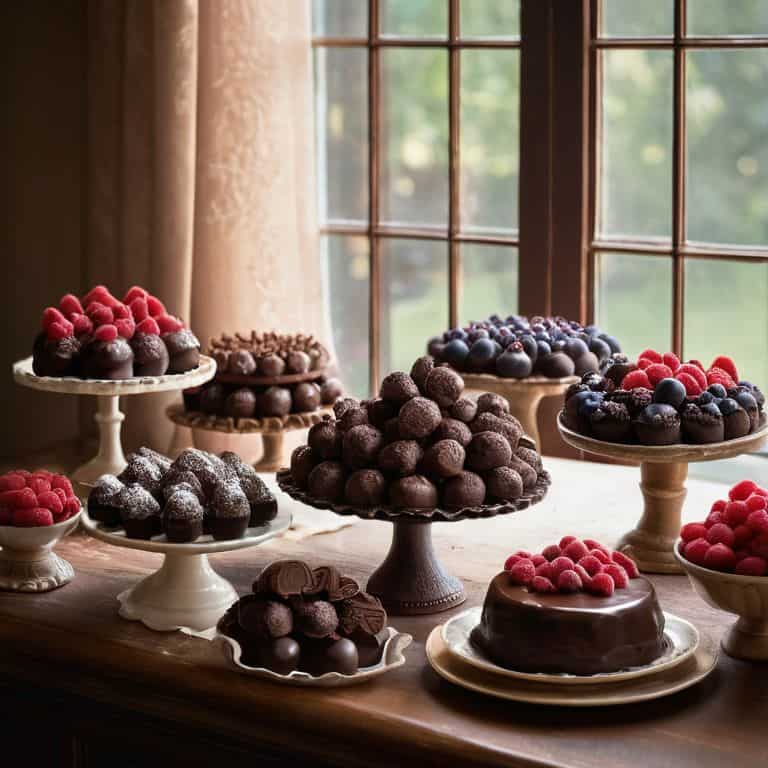
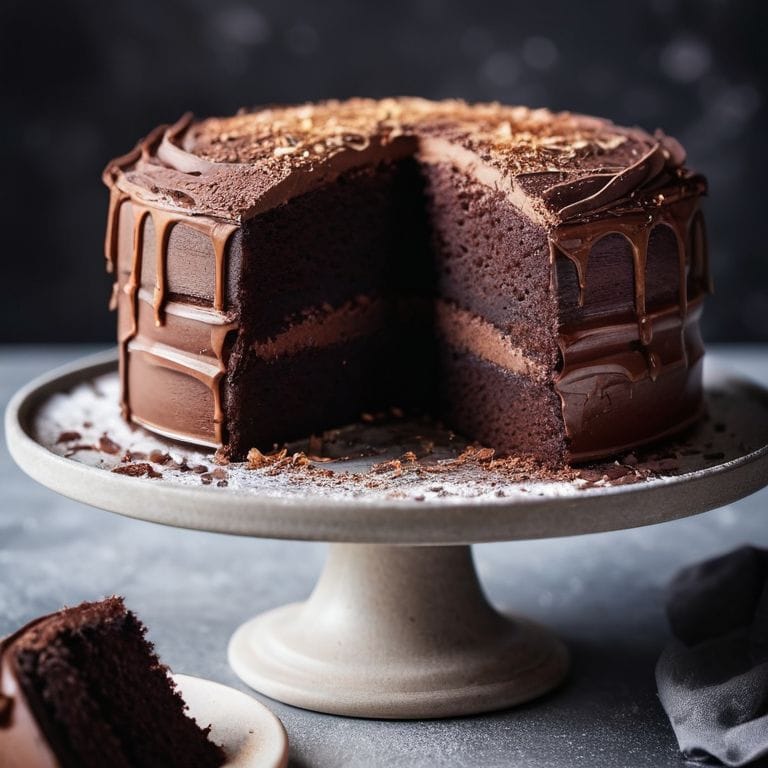
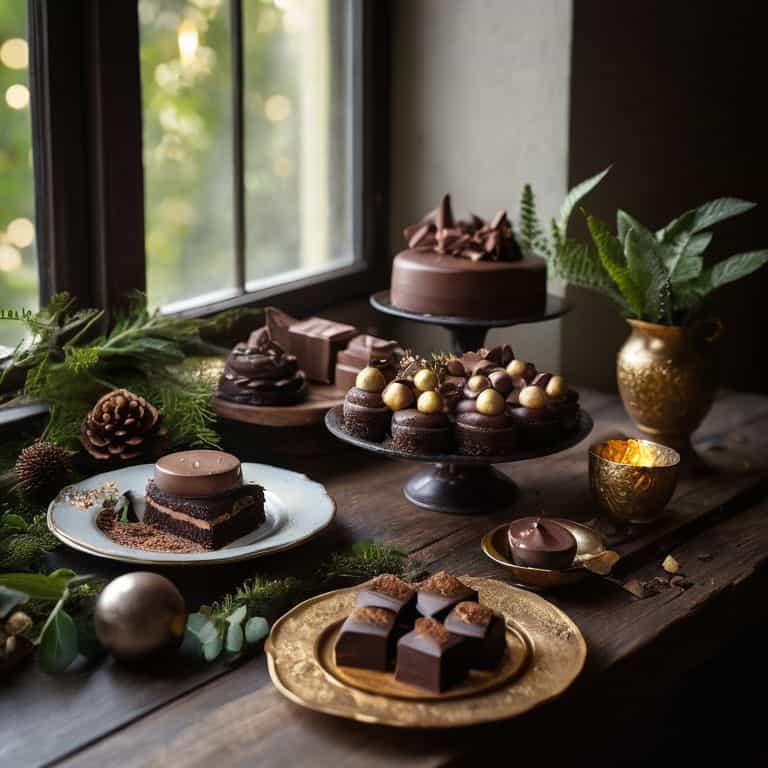
To take your chocolate desserts to the next level, consider experimenting with chocolate and fruit pairings. The sweetness of the chocolate perfectly balances the tartness of the fruit, creating a match made in heaven. For instance, pairing dark chocolate with raspberries or strawberries can result in a truly decadent treat. When decorating chocolate cakes and pastries, it’s all about attention to detail, from the smoothness of the chocolate glaze to the delicate patterns created with cocoa powder or chocolate shavings.
As a pastry chef, I’m always on the lookout for the latest chocolate dessert trends and innovations. From unique flavor combinations to innovative presentation styles, there’s always something new to discover. For beginners, I recommend starting with simple chocolate dessert recipes for beginners and gradually experimenting with more complex techniques and ingredients. With practice and patience, you’ll be creating show-stopping chocolate desserts in no time.
Exploring Types of Chocolate in Modern Baking
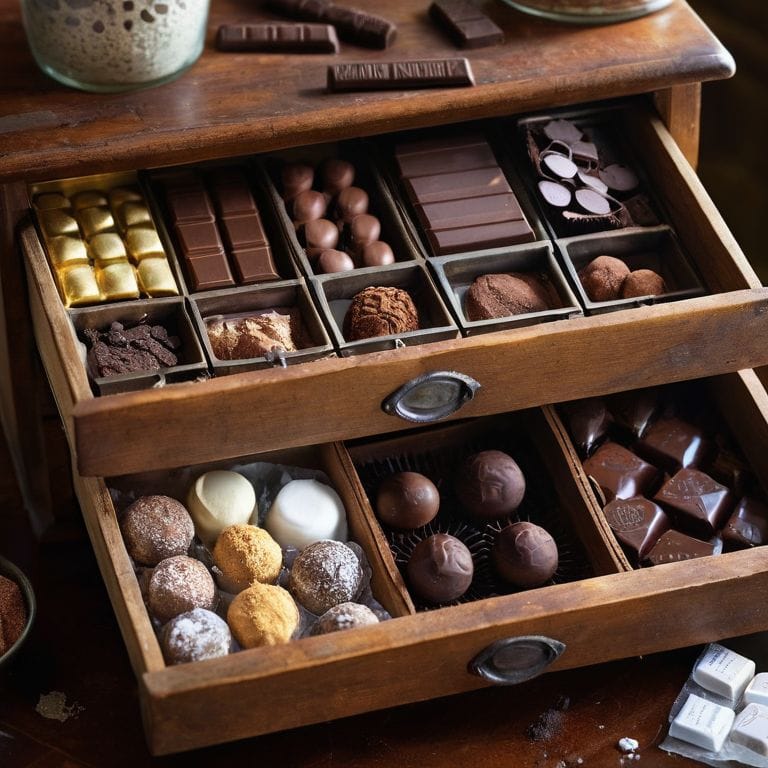
As I delve into the world of chocolate desserts, I’m reminded of the vast array of chocolate types that elevate our creations. From the rich, velvety smoothness of dark chocolate to the creamy sweetness of milk chocolate, each variety brings its unique character to the table. I adore experimenting with high-quality, single-origin chocolates, which add an unparalleled depth to my desserts. Whether you’re a fan of the fruity notes in Ghanaian chocolate or the nutty undertones in Brazilian chocolate, the possibilities are endless.
When selecting chocolate for my recipes, I consider the desired flavor profile and texture. White chocolate, with its delicate, vanilla sweetness, is perfect for delicate cakes and mousses, while bittersweet chocolate adds a sophisticated edge to tarts and truffles. By understanding the distinct personalities of different chocolates, we can unlock a world of creative possibilities and craft truly show-stopping desserts.
Unlocking Chocolate Dessert Recipes for Beginners
Unlocking Chocolate Dessert Recipes for Beginners
As a pastry chef, I believe that everyone deserves to indulge in the rich world of chocolate desserts, regardless of their skill level. For those just starting out, I recommend beginning with simple yet elegant recipes like a classic chocolate mousse or a decadent flourless chocolate cake. These desserts not only taste exquisite but also provide a solid foundation for understanding the fundamentals of working with chocolate.
By mastering these basic recipes, you’ll gain the confidence to experiment with new flavors and techniques, ultimately unlocking a world of chocolate dessert possibilities. Remember, the key to success lies in using high-quality ingredients, such as rich, dark chocolate and farm-fresh eggs, and paying attention to the smallest details, from tempering to presentation.
Elevating Your Chocolate Creations: 5 Essential Tips
- Start with high-quality chocolate: I only use the finest dark, milk, and white chocolates in my recipes, as the flavor and texture make all the difference in the world
- Experiment with different types of sugar: From granulated to brown sugar, and even honey or maple syrup, the right sugar can add depth and complexity to your chocolate desserts
- Don’t overmix your batter: A light hand is essential when combining wet and dry ingredients, as overmixing can lead to tough, dense cakes and pastries
- Tempering is key: When working with chocolate, proper tempering is crucial for a smooth, glossy finish and a satisfying snap when broken
- Balance your flavors: Whether you’re making a classic chocolate cake or a more elaborate dessert, balance is key – don’t be afraid to add a pinch of salt or a squeeze of citrus to cut the richness of the chocolate
Key Takeaways for the Chocolate Dessert Enthusiast
Mastering the art of chocolate desserts begins with understanding the fundamentals of chocolate itself, from the richness of dark chocolate to the creamy sweetness of white chocolate, and how each type can elevate your bakes
Technique is paramount: learning how to temper, melt, and incorporate chocolate into your desserts is crucial for achieving professional-looking and tasting results, whether you’re crafting intricate cakes or simple yet elegant truffles
Presentation is the final brushstroke on your edible masterpiece – learning to balance flavors, textures, and visual aesthetics will transform your chocolate desserts from mere treats to show-stopping centerpieces that dazzle both the palate and the eye
The Chocolate Canvas
As we embark on this journey through the realm of chocolate desserts, remember that each recipe is a brushstroke on the canvas of our imagination, where the art of combining flavors and textures gives life to edible masterpieces.
Alison Lawson
Conclusion: Elevating Your Chocolate Dessert Game
As we conclude this guide to chocolate desserts, let’s revisit the fundamentals of working with chocolate and how understanding its types and qualities can elevate your baking. From the richness of dark chocolate to the creamy sweetness of white chocolate, each variety offers a unique palette for expression. By mastering the basics of chocolate handling and combining it with other ingredients, you’ll be well on your way to creating show-stopping desserts that impress and delight. Remember, the key to unlocking exceptional chocolate desserts lies in the quality of your ingredients and the precision of your technique.
As you embark on your own chocolate dessert journey, I encourage you to view each creation as a form of edible art, where every element, from flavor to presentation, contributes to a masterpiece. Don’t be afraid to experiment, to innovate, and to push the boundaries of what’s possible with chocolate. With practice, patience, and a passion for perfection, you’ll not only create desserts that are visually stunning and decadently delicious, but you’ll also inspire others to do the same, spreading the joy of chocolate one exquisite dessert at a time.
Frequently Asked Questions
What are some common mistakes to avoid when working with chocolate in dessert recipes?
When working with chocolate, I always caution against overheating, as it can cause the chocolate to seize up and become gritty. Another mistake is not tempering properly, which affects the texture and appearance of the final dessert. And, of course, using low-quality chocolate is a mistake – it’s essential to invest in high-cocoa-content chocolate for the best flavor and results.
How can I ensure that my chocolate desserts have a smooth and even texture?
To achieve a smooth and even texture in your chocolate desserts, I swear by tempering your chocolate and not overmixing your batter. It’s all about balance and restraint, my friends. Use high-quality chocolate with a high cocoa butter content, and take your time when folding ingredients together – it makes all the difference in creating a luxurious, velvety finish.
Are there any unique or exotic types of chocolate that can be used to add an extra layer of flavor and sophistication to my desserts?
I adore experimenting with uncommon chocolates to elevate my creations. Consider using matcha-infused white chocolate, smoky Mexican dark chocolate, or rich, fruity Tanzanian chocolate to add an exotic twist to your desserts. These unique flavors will undoubtedly add a sophisticated layer to your baked goods, setting them apart from the ordinary.