I still remember the frustration I felt when I first started working with tempered chocolate. Everyone told me that storing it in an airtight container was the key, but no one explained the science behind it. As I delved deeper into the world of pastry-making, I discovered that learning how to store tempered chocolate was not just about following a set of rules, but about understanding the chemistry that makes it tick. It’s a lesson that has stuck with me to this day, and one that I’m excited to share with you.
In this article, I’ll cut through the myths and misconceptions surrounding tempered chocolate storage, and give you the honest, no-hype advice you need to keep your chocolate fresh and stable. You’ll learn the importance of temperature control, how to choose the right storage materials, and the simple mistakes to avoid when working with tempered chocolate. By the end of this guide, you’ll have a clear understanding of how to store tempered chocolate like a pro, and be able to take your pastry-making skills to the next level. Whether you’re a seasoned baker or just starting out, I’m confident that these tips will make a world of difference in your work with tempered chocolate.
Table of Contents
Guide Overview: What You'll Need
Total Time: 30 minutes to 1 hour
Estimated Cost: $10 – $20
Difficulty Level: Easy
Tools Required
- Airtight Container (with a tight-fitting lid)
- Wax Paper (for lining the container)
Supplies & Materials
- Cool Dry Place away from direct sunlight
- Temperature Control between 60 degrees and 70 degrees Fahrenheit
Step-by-Step Instructions
- 1. First, let’s talk about the importance of cool, dry storage for your tempered chocolate. When you’ve spent time perfecting the tempering process, the last thing you want is for your chocolate to bloom or become discolored due to improper storage. I always tell my students that storing tempered chocolate is just as crucial as the tempering process itself, and it’s essential to keep it away from direct sunlight and heat sources.
- 2. To begin storing your tempered chocolate, you’ll want to ensure it’s completely set and hardened. This is where patience comes into play, as you’ll need to wait for at least 30 minutes to an hour after tempering for the chocolate to reach its optimal hardness. During this time, avoid touching or handling the chocolate excessively, as the oils from your skin can affect its texture and appearance.
- 3. Once your tempered chocolate is set, it’s time to consider the storage container. You’ll want to use an airtight container that’s specifically designed for storing chocolate or other sensitive foods. I recommend using a container with a tight-fitting lid to prevent moisture and other flavors from seeping in and affecting the quality of your chocolate.
- 4. Before placing your tempered chocolate in the storage container, make sure to line the container with parchment paper or a silicone mat. This will help prevent the chocolate from coming into contact with any residual flavors or odors in the container, and it will also make it easier to remove the chocolate when you’re ready to use it.
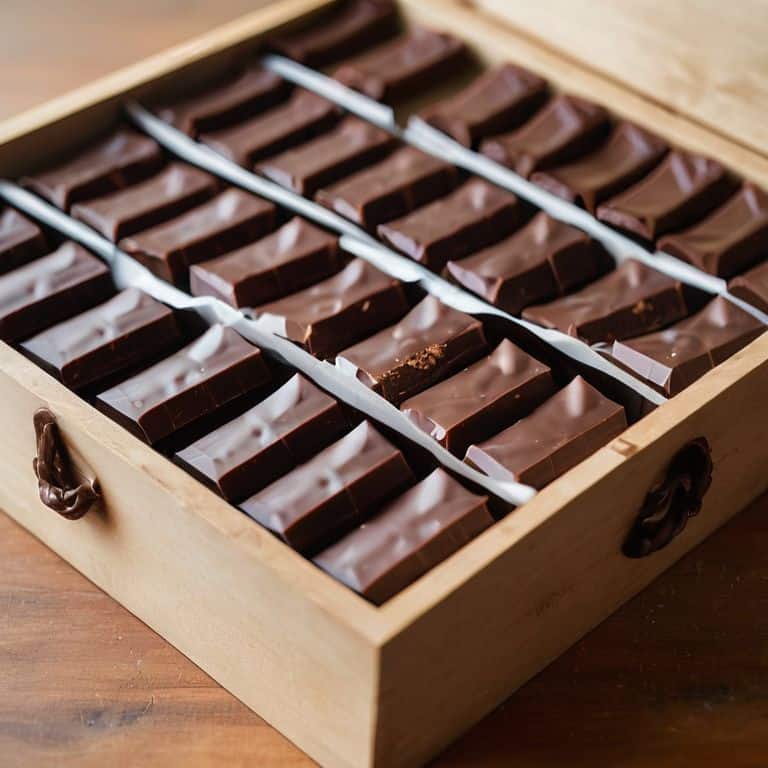
- 5. Now it’s time to place your tempered chocolate in the storage container. If you’re storing multiple pieces of chocolate, make sure to separate them with layers of parchment paper or wax paper to prevent them from sticking together. I also like to label the container with the date and type of chocolate, so I can keep track of how long it’s been stored and ensure that I’m using the oldest pieces first.
- 6. The next step is to store the container in a stable environment with a consistent temperature between 60°F and 70°F (15°C and 21°C). Avoid storing your tempered chocolate near windows, doors, or other areas where it may be exposed to direct sunlight or drafts. I also recommend storing the container on a shelf or in a cupboard, rather than on the countertop, to minimize the risk of accidental damage or contamination.
- 7. Finally, it’s essential to monitor the storage conditions and check on your tempered chocolate regularly to ensure it’s still in good condition. Check for any signs of blooming, discoloration, or rancidity, and use your senses to evaluate the chocolate’s texture, aroma, and flavor. If you notice any changes or issues, it’s best to err on the side of caution and discard the chocolate to avoid compromising the quality of your baked goods.
Mastering Tempered Chocolate Storage
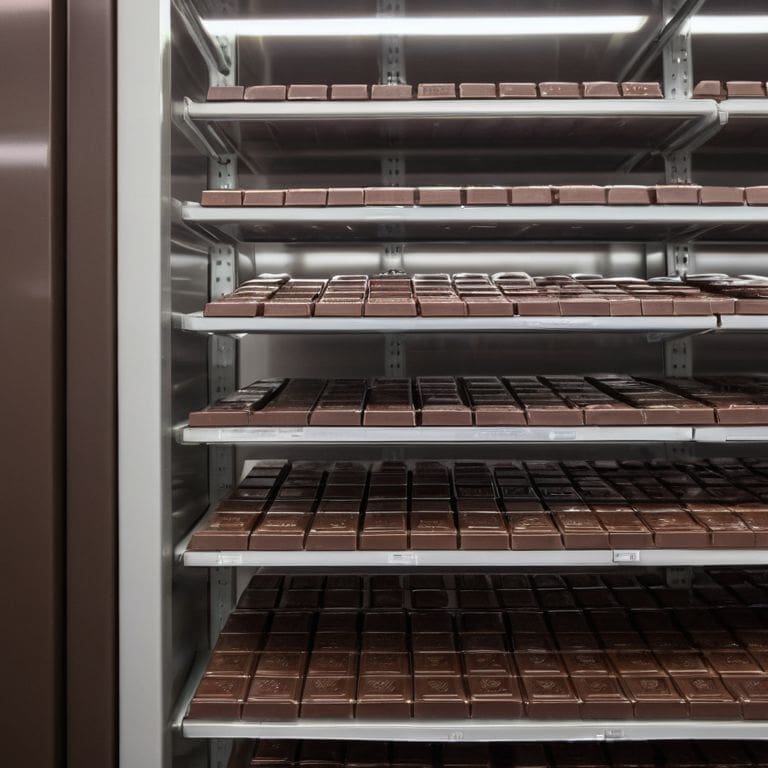
To truly master the art of storing tempered chocolate, it’s essential to consider the environment in which it will be kept. This involves maintaining a consistent chocolate storage temperature control between 60°F and 70°F (15°C and 21°C), which is crucial for preserving the chocolate’s quality and texture.
In my baking classes, I always stress the importance of best practices for chocolate handling, including using the right materials for storage. When it comes to maintaining chocolate quality over time, the type of container used can make a significant difference. I recommend using airtight, food-grade containers to prevent moisture and other flavors from affecting the chocolate.
By following these guidelines and investing in suitable chocolate storage containers, you can effectively extend the tempered chocolate shelf life extension. Remember, the key to successful storage is to minimize exposure to heat, light, and moisture, ensuring your tempered chocolate remains stable and fresh for a longer period.
Best Practices for Handling Tempered Chocolate
When handling tempered chocolate, it’s essential to maintain a gentle touch. Avoid exposing it to extreme temperatures or sudden changes, as this can cause the chocolate to bloom or become discolored. I always advise my students to handle tempered chocolate as they would a delicate flower, with care and precision. This means avoiding touching it with warm hands or placing it near direct sunlight.
To ensure the best results, I recommend using a cool, dry surface when working with tempered chocolate. This will help prevent moisture from accumulating and causing the chocolate to become sticky or soft. By following these simple best practices, you’ll be able to maintain the perfect temper and achieve professional-looking results in your baked goods and confections.
The Science of Chocolate Storage Temperature
When it comes to storing tempered chocolate, temperature plays a crucial role. Ideally, you want to keep it in a cool, dry place with a consistent temperature between 60°F and 70°F (15°C and 21°C). This narrow range helps maintain the chocolate’s stable crystal structure, which is essential for its smooth, glossy appearance and satisfying snap. If the temperature fluctuates too much, the chocolate can bloom or become discolored, affecting its overall quality.
I always emphasize the importance of precision in my baking classes, and temperature control is no exception. By storing your tempered chocolate at the right temperature, you’ll be able to preserve its quality and texture, ensuring it remains perfect for your next baking project.
5 Essential Tips for Storing Tempered Chocolate
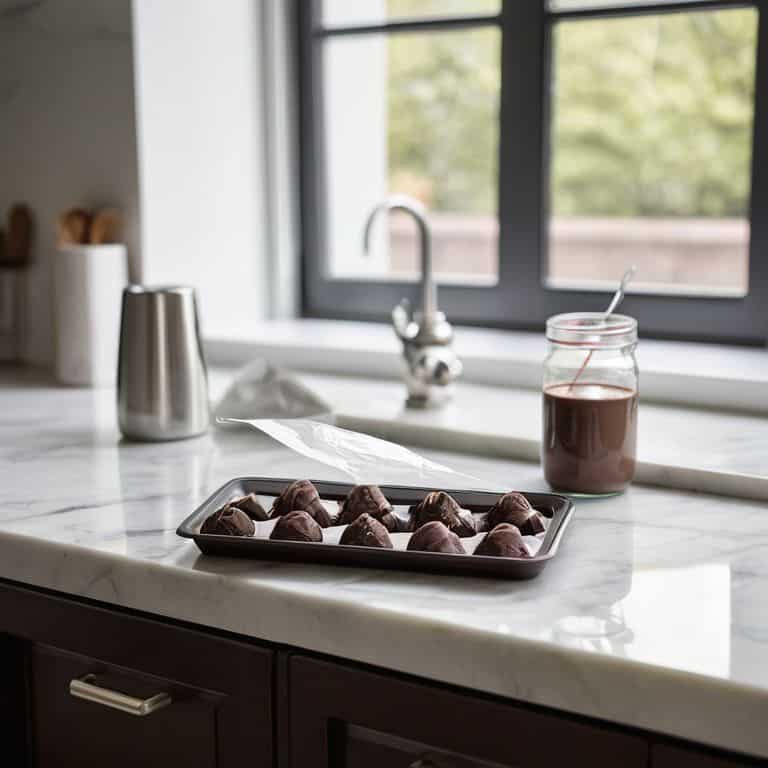
- Store tempered chocolate in a cool, dry place with a consistent temperature between 60°F and 70°F to prevent blooming and ensure stability
- Use an airtight container to protect the chocolate from moisture and other environmental factors that could cause it to become soft or develop off-flavors
- Keep tempered chocolate away from direct sunlight and heat sources, such as ovens or radiators, to prevent it from melting or becoming discolored
- Consider storing tempered chocolate in a location with low humidity, such as a pantry or cupboard, to prevent the growth of mold or bacteria
- Label and date the container holding the tempered chocolate, and use it within a few weeks for optimal flavor and texture, as it can degrade over time if not used promptly
Key Takeaways for Storing Tempered Chocolate
Maintaining a consistent storage temperature between 15°C to 18°C is crucial for preserving the texture and stability of tempered chocolate, as it prevents the formation of unwanted crystal structures
Handling tempered chocolate with care, including avoiding exposure to direct sunlight, moisture, and extreme temperatures, is vital to prevent bloom or de-tempering, ensuring the chocolate retains its glossy appearance and snappy texture
By understanding and controlling the storage environment, including using airtight containers and storing in a cool, dry place, you can extend the shelf life of your tempered chocolate, allowing you to plan and execute your baking and decorating projects with confidence and precision
The Art of Preservation
Storing tempered chocolate is not just about keeping it cool and dry, it’s about creating an environment that nurtures its delicate balance of crystals, allowing it to retain its glossy appearance and satisfying snap, a true testament to the baker’s attention to detail and understanding of the science behind the sweet.
Beatrice Quinn
Conclusion: The Art of Preserving Tempered Chocolate
As we conclude our journey into the world of storing tempered chocolate, let’s recap the essential elements that ensure your chocolate remains stable and fresh. We’ve discussed the importance of maintaining a cool, dry environment, and precise temperature control is crucial for preventing bloom and preserving the chocolate’s texture and appearance. By following the steps outlined in this guide, you’ll be well on your way to becoming a master chocolatier, capable of crafting exquisite treats that impress and delight.
As you continue to experiment and refine your chocolate-making skills, remember that practice and patience are key. Don’t be discouraged by setbacks or failures – instead, use them as opportunities to learn and grow. With dedication and a willingness to understand the science behind chocolate, you’ll unlock the secrets to creating truly exceptional, professional-grade confections that will leave a lasting impression on all who taste them.
Frequently Asked Questions
What is the ideal storage container for tempered chocolate to maintain its texture and flavor?
For storing tempered chocolate, I swear by airtight, food-grade containers made of glass or stainless steel. These materials are non-reactive, keeping your chocolate fresh and preventing unwanted flavors from seeping in. Avoid plastic or metal containers with a strong scent, as they can transfer odors to your chocolate.
How long can tempered chocolate be stored before it starts to degrade in quality?
When stored properly, tempered chocolate can last for several weeks, but its quality begins to degrade after about 7-10 days. I’ve found that it’s best to use it within this timeframe for optimal flavor and texture. In my baking classes, we always aim to use freshly tempered chocolate for the best results.
Can tempered chocolate be stored in the refrigerator or freezer to extend its shelf life?
While it’s tempting to store tempered chocolate in the refrigerator or freezer, I advise against it. The moisture and temperature fluctuations can cause the chocolate to bloom or become discolored. Instead, store it in a cool, dry place, like a pantry or cupboard, to maintain its quality and texture.