I still remember the first time I attempted to make a Swiss meringue buttercream – it was a disaster. I had heard that it was a finicky ingredient, but I didn’t believe it until I ended up with a batch that was too sweet and too greasy. Luckily, my mentor at Le Cordon Bleu took me under her wing and taught me the secrets to making a smooth and stable Swiss meringue buttercream. Now, I’m excited to share my knowledge with you in this guide to Swiss meringue buttercream, and help you avoid the common pitfalls that I encountered.
As you read through this article, you’ll learn the essential techniques for making a perfect Swiss meringue buttercream, from preparing the ingredients to finishing the cake with a beautiful, smooth layer. I’ll share my tips for getting the right consistency, avoiding common mistakes, and adding your own personal touch to the design. Whether you’re a beginner or an experienced baker, this guide will provide you with the practical advice and inspiration you need to take your cakes to the next level. By the end of this article, you’ll be confident in your ability to create a stunning cake with a delicious Swiss meringue buttercream, and you’ll be eager to start experimenting with new flavors and designs.
Table of Contents
- Guide Overview: What You'll Need
- Step-by-Step Instructions
- A Guide to Swiss Meringue Buttercream
- Elevating Your Craft: 5 Essential Tips for Mastering Swiss Meringue Buttercream
- Key Takeaways for Mastering Swiss Meringue Buttercream
- The Heart of Swiss Meringue
- The Sweetest Finishing Touch
- Frequently Asked Questions
Guide Overview: What You'll Need
Total Time: 2 hours 30 minutes
Estimated Cost: $20 – $40
Difficulty Level: Intermediate
Tools Required
- Double Boiler (or a heatproof bowl set over a pot of simmering water)
- Hand Mixer (or a stand mixer)
- Whisk
- Measuring Cups
- Measuring Spoons
Supplies & Materials
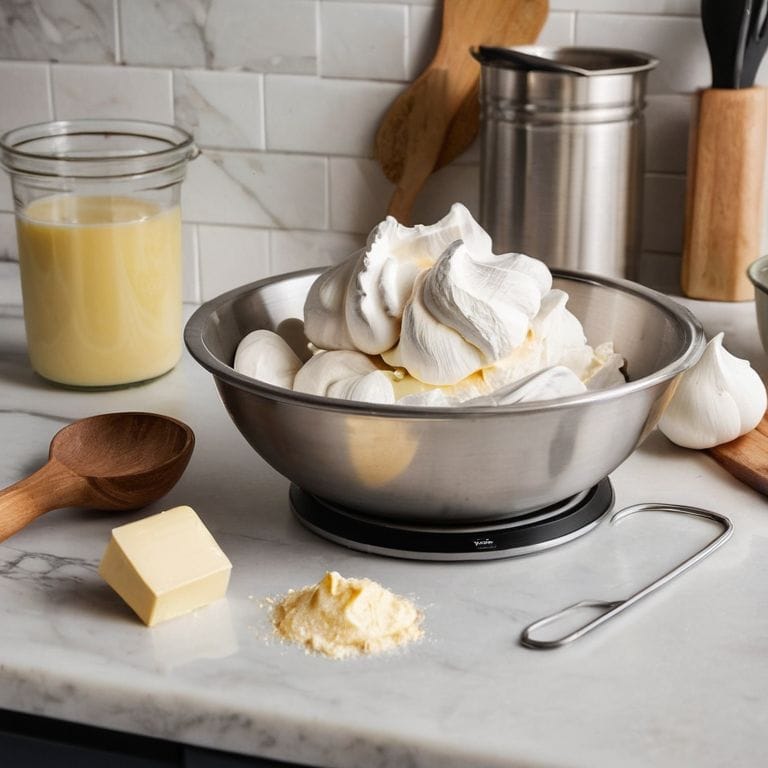
- Egg Whites 3 large
- Granulated Sugar 1 3/4 cups
- Unsalted Butter 1 1/2 cups, softened
- Salt 1/4 teaspoon
- Pure Vanilla Extract 1/2 teaspoon
Step-by-Step Instructions
- 1. To start, let’s talk about the importance of temperature control when making Swiss meringue buttercream. It’s crucial to ensure that your egg whites and sugar mixture reaches a temperature of 160°F to 180°F to kill off any bacteria and create a stable foam. I like to use a candy thermometer to get an accurate reading, and I always make sure to remove the mixture from the heat once it reaches the desired temperature.
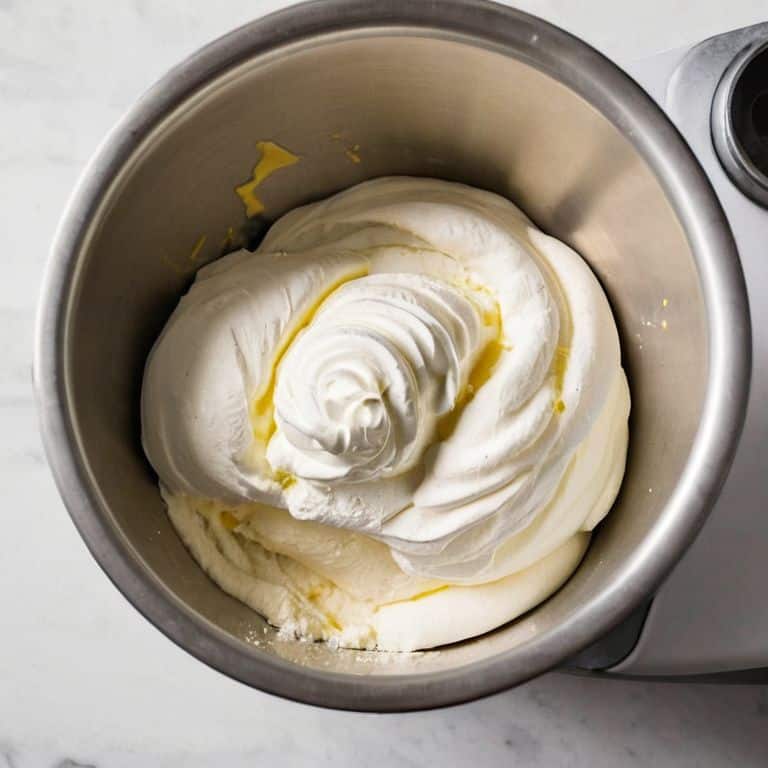
- 2. Next, it’s time to whip your egg white and sugar mixture into a stiff peak. This is where the magic happens, and your mixture starts to transform into a light and airy meringue base. I use a stand mixer with a whisk attachment to make this process easier, and I always start at a low speed before gradually increasing it to prevent splashing.
- 3. Now that you have your meringue base, it’s time to add the butter. This is where things can get a little tricky, as you need to add the butter slowly and carefully to avoid deflating the meringue. I like to use room temperature butter to ensure that it incorporates smoothly, and I always add it a tablespoon at a time, whipping continuously between each addition.
- 4. As you continue to whip the mixture, you’ll start to notice it come together in a smooth and creamy emulsion. This is where the butter and meringue base merge to create a stable and delicious buttercream. I like to stop the mixer occasionally to scrape down the sides of the bowl and ensure that everything is well incorporated.
- 5. Once your buttercream has reached the desired consistency, it’s time to add any flavorings or colorings you like. I’m a big fan of using high-quality vanilla beans to give my buttercream a deep and rich flavor, and I always add a pinch of salt to balance out the sweetness.
- 6. Now that your buttercream is complete, it’s time to use it to decorate your cake. I like to use a piping bag and tip to create intricate designs and patterns, and I always make sure to have a turntable on hand to spin the cake and get a good look at my work.
- 7. Finally, it’s time to add the finishing touches to your cake. I like to use a bench scraper or offset spatula to smooth out any bumps or imperfections, and I always take a step back to admire my work and make any necessary adjustments. With these steps and a little practice, you’ll be well on your way to creating beautiful and delicious cakes with Swiss meringue buttercream.
A Guide to Swiss Meringue Buttercream
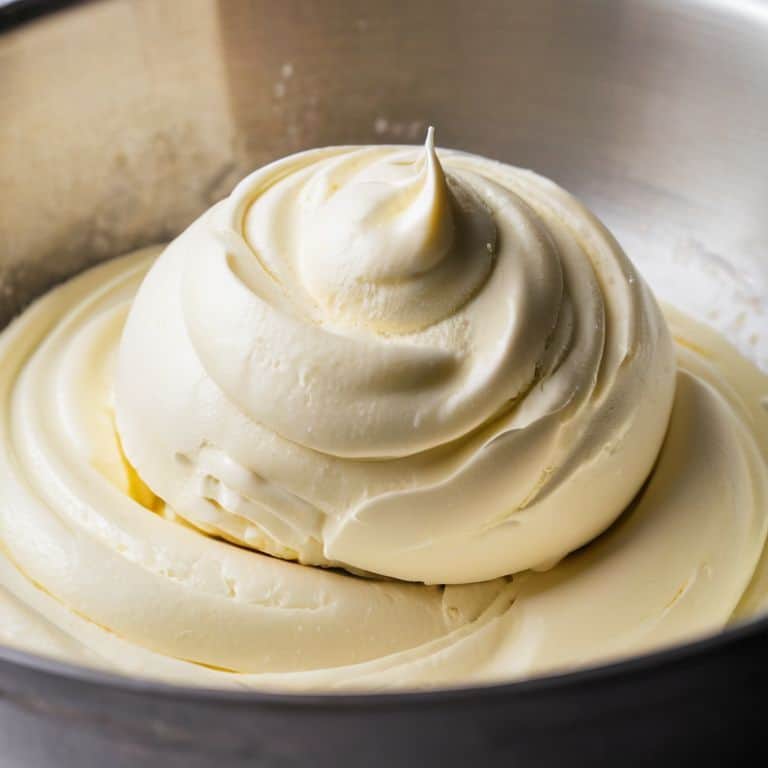
As I delve deeper into the world of Swiss meringue buttercream, I want to share with you some essential tips for achieving the perfect consistency. You see, this type of buttercream is all about balance – it needs to be smooth, creamy, and stable enough to hold its shape when decorating. One of the most common mistakes I see is over-whipping, which can lead to a buttercream that’s too stiff and separates easily.
When it comes to flavoring Swiss meringue buttercream, the possibilities are endless. I love experimenting with different extracts, like vanilla or almond, to give my cakes a unique twist. However, it’s crucial to remember that a little goes a long way – too much flavor can overpower the entire cake. I also like to add a pinch of salt to balance out the sweetness and bring out the other flavors. By doing so, you’ll be able to create a rich and velvety buttercream that’s simply divine.
In terms of decorating with Swiss meringue buttercream, I always say that practice makes perfect. It’s all about finding the right consistency and using the right tools to achieve the desired effect. Whether you’re going for a smooth, rounded finish or a more rustic, textured look, the key is to work slowly and deliberately. Don’t be afraid to experiment and try new things – after all, that’s what makes baking so exciting! By mastering the art of Swiss meringue buttercream, you’ll be able to create cakes that are truly show-stopping.
Flavoring and Decorating With Ease
Now that we’ve mastered the basics of Swiss meringue buttercream, it’s time to get creative. I love experimenting with different flavor combinations – a hint of lemon zest, a drizzle of high-quality honey, or a sprinkle of fleur de sel can elevate your cake to new heights. When it comes to decorating, remember that less is often more. A smooth, velvety coat of buttercream can be just as stunning as an intricate design. I adore using fresh flowers or delicate piping to add a touch of whimsy to my creations. The key is to have fun and not be afraid to try new things – after all, that’s what makes baking an art form.
Stabilizing Swiss Meringue for Cakes
To create a stable Swiss meringue buttercream perfect for cakes, it’s essential to focus on temperature control and ingredient ratios. I always ensure my egg whites and sugar syrup reach the ideal temperatures, between 160°F and 180°F, to guarantee a smooth and stable mixture. This precise temperature range helps to cook the egg whites, eliminating any risk of salmonella and creating a strong foundation for my buttercream.
By carefully balancing the amount of butter and egg whites, I achieve a silky, spreadable texture that’s perfect for frosting cakes. I also recommend adding a pinch of salt to enhance the flavor and help stabilize the mixture. With these simple yet crucial steps, you’ll be well on your way to crafting a sublime Swiss meringue buttercream that will elevate your cakes to new heights.
Elevating Your Craft: 5 Essential Tips for Mastering Swiss Meringue Buttercream
- Start with room temperature egg whites for a smoother, more stable meringue
- Use a high-quality vanilla bean or extract to give your buttercream a deep, rich flavor
- Don’t overmix the butter and meringue mixture, as this can lead to a dense, separated buttercream
- Add a pinch of salt to balance the sweetness and enhance the flavors of your buttercream
- Experiment with different flavor combinations, such as citrus or nuts, to create unique and captivating cake designs
Key Takeaways for Mastering Swiss Meringue Buttercream
Always use room temperature egg whites and high-quality butter for the best flavor and texture in your Swiss meringue buttercream
Stabilizing your meringue with a water bath and precise temperature control is crucial for achieving a smooth, silky consistency that’s perfect for decorating cakes
Experimenting with different flavor extracts and finishing touches, like fresh fruits or edible flowers, can elevate your Swiss meringue buttercream from a basic topping to a show-stopping masterpiece
The Heart of Swiss Meringue
A great Swiss meringue buttercream is not just about following a recipe, it’s about understanding the delicate dance between sugar, egg whites, and butter – it’s where science meets art, and magic happens.
Alison Lawson
The Sweetest Finishing Touch
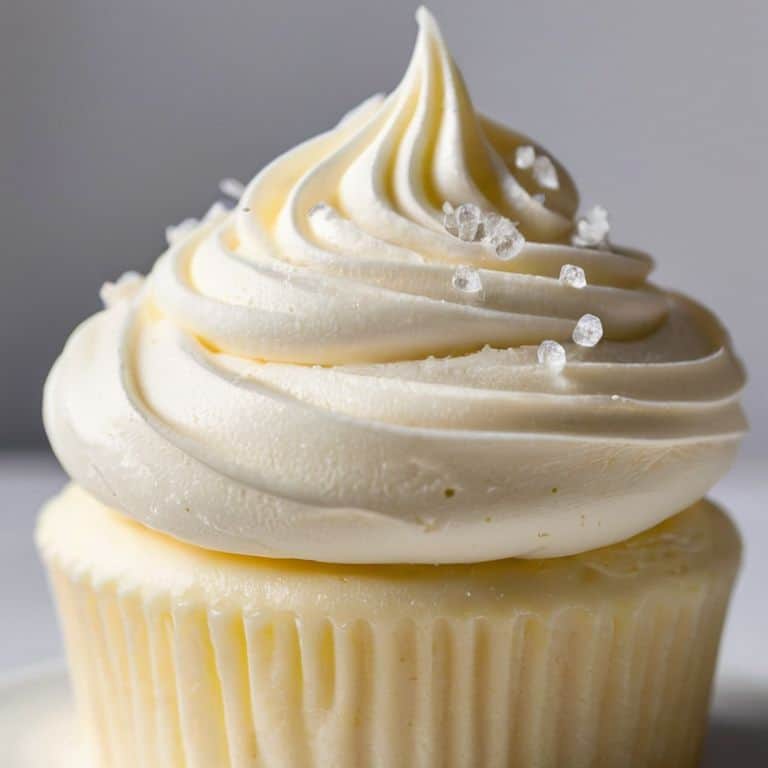
As we conclude this journey through the world of Swiss meringue buttercream, let’s revisit the key elements that make this frosting a game-changer for any cake. From stabilizing the meringue to mastering the art of flavoring and decorating, we’ve covered it all. Remember, the quality of your ingredients, especially the richness of the butter and the depth of the vanilla, can elevate your Swiss meringue buttercream from good to extraordinary. With practice and patience, you’ll be able to create a smooth, creamy, and stable frosting that’s perfect for decorating.
Now, go forth and unleash your creativity! With the skills and knowledge you’ve gained from this guide, you’re ready to take your cake decorating to the next level. Don’t be afraid to experiment with new flavors and designs, and always remember that practice makes perfect. As you frost, decorate, and indulge in your delicious creations, recall the joy and satisfaction that comes from crafting something truly beautiful and delicious. Happy baking, and I look forward to seeing the stunning cakes you’ll create!
Frequently Asked Questions
What are the most common mistakes to avoid when making Swiss meringue buttercream?
The pitfalls of Swiss meringue buttercream! Let’s face it, we’ve all been there – over-whipped, too-sweet, or separated disasters. To avoid these common mistakes, remember to not overheat your egg whites, don’t overmix with butter, and avoid adding flavorings too quickly. These simple tips will save you from a buttercream breakdown and ensure a silky, smooth finish every time.
How do I achieve a smooth and stable Swiss meringue buttercream for cake decorating?
To achieve a smooth and stable Swiss meringue buttercream, it’s all about temperature and patience. Make sure your egg whites and butter are at room temperature, and whip that meringue until it’s stiff and glossy. Then, add your butter slowly, allowing each piece to incorporate fully before adding the next – trust me, the end result is worth the wait.
Can I flavor Swiss meringue buttercream with anything other than vanilla, and if so, what are some popular alternatives?
The possibilities are endless, my friends! While vanilla is a classic, you can also infuse your Swiss meringue buttercream with almond extract, lemon zest, or even a hint of espresso for a mocha twist. I also adore using rosewater or orange blossom water for a whimsical, floral touch. The key is to balance flavors, so start with a small amount and taste as you go.