I still remember the first time I attempted to create a cake with sharp edges – it was a disaster. I had heard that achieving those perfect lines was all about using the right tools and techniques, but what I didn’t realize was that it’s actually about understanding the art of balance and finesse. If you’re struggling to get those razor-sharp edges on your cake, you’re not alone. I’ve been there too, and that’s why I’m excited to share my journey of mastering the technique of how to get sharp edges on a cake.
In this article, I’ll cut through the noise and share my honest, no-hype advice on achieving those stunning edges. You’ll learn the practical tips and tricks I’ve gathered from years of experimenting with different techniques, from the type of frosting to use, to the best ways to smooth out those imperfections. By the end of this guide, you’ll have the confidence to create cakes with sharp edges that will leave your friends and family in awe. Whether you’re a beginner or an experienced baker, my goal is to empower you with the skills to take your cake decorating to the next level, and make the process of how to get sharp edges on a cake a fun and creative journey.
Table of Contents
Guide Overview: What You'll Need
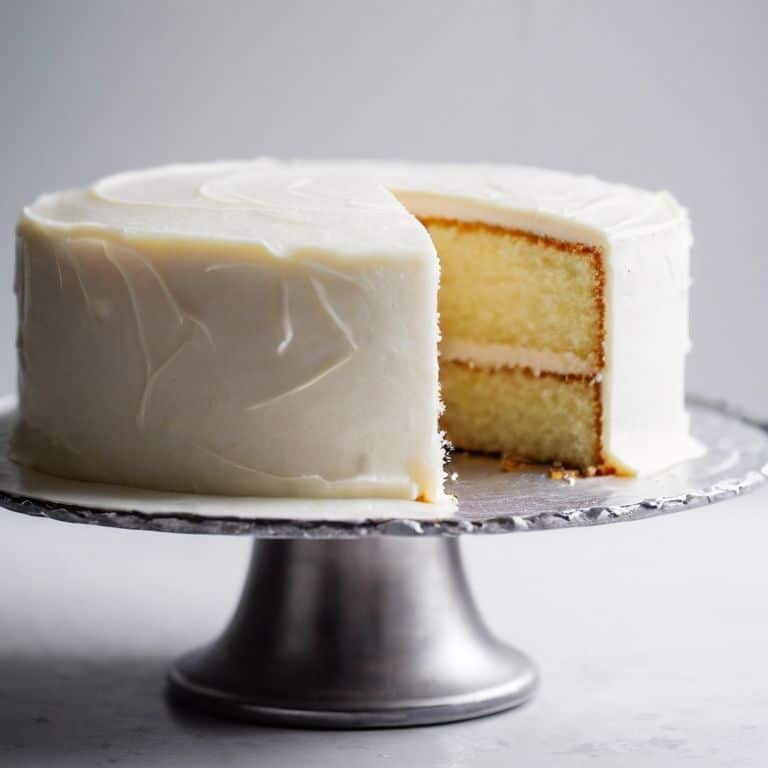
Total Time: 1 hour 15 minutes
Estimated Cost: $10 – $20
Difficulty Level: Intermediate
Tools Required
- Turntable (for easy cake rotation)
- Cake Stand (for elevating the cake)
- Offset Spatula (for smoothing and sharpening edges)
- Bench Scraper (for removing excess frosting)
- Parchment Paper (for protecting the surface)
Supplies & Materials
- Fondant (for creating sharp edges)
- Buttercream Frosting (for frosting the cake)
- Cake Boards (6 inches in diameter)
- Frosting Smoother (for achieving smooth surfaces)
Step-by-Step Instructions
- 1. First, let’s start with the foundation of a sharp-edged cake: a smooth buttercream application. To achieve this, make sure your buttercream is at room temperature and has been whipped to the perfect consistency – not too stiff, not too soft. I like to think of it as the Goldilocks of buttercream: just right.
- 2. Next, apply a thin layer of buttercream to your cake, making sure to cover the entire surface. This is called a “crumb coat,” and it’s essential for creating a clean canvas for your final layer of buttercream. Use an offset spatula to spread the buttercream evenly, and don’t worry too much about perfection at this stage – we’re just getting started.
- 3. Now it’s time to chill your cake in the refrigerator for about 10-15 minutes to set the crumb coat. This will help the buttercream firm up and make it easier to work with in the next steps. While you’re waiting, take a moment to prepare your turntable and any other decorating tools you’ll need to create those sharp edges.
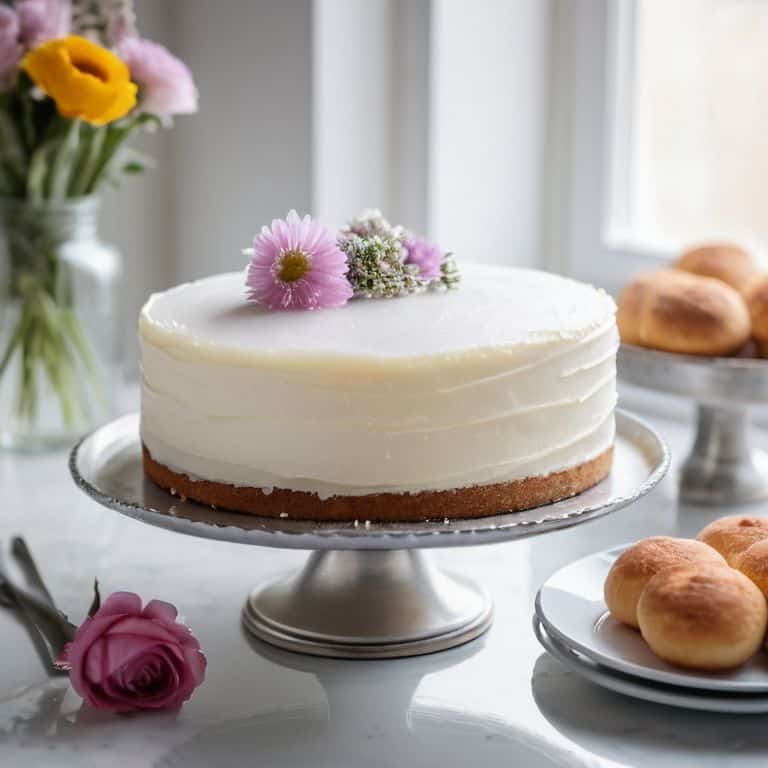
- 4. Once your cake is chilled, remove it from the refrigerator and apply a final layer of buttercream. This time, use a bench scraper or a straight edge to create a smooth, even surface. Hold the scraper at a 90-degree angle to the cake and gently pull it towards you, using long, smooth strokes to remove any excess buttercream.
- 5. To create the sharp edges, you’ll need to use a technique called “scraping and smoothing.” Hold your bench scraper or straight edge at a 45-degree angle to the cake and gently scrape away any excess buttercream, using a gentle sawing motion to create a clean edge. Repeat this process around the entire cake, making sure to maintain a consistent angle and pressure.
- 6. As you scrape and smooth the edges, use a damp brush to remove any excess buttercream or crumbs that may have accumulated. This will help create a clean, sharp edge and prevent any debris from getting in the way of your finished design.
- 7. Finally, use a turntable to spin your cake and inspect the edges from all sides. Make any necessary adjustments to the edges, using your bench scraper or straight edge to create a razor-sharp finish. And that’s it – with these steps, you should be able to achieve sharp, clean edges on your cake that will make it a true showstopper.
Sharp Edges Made Easy
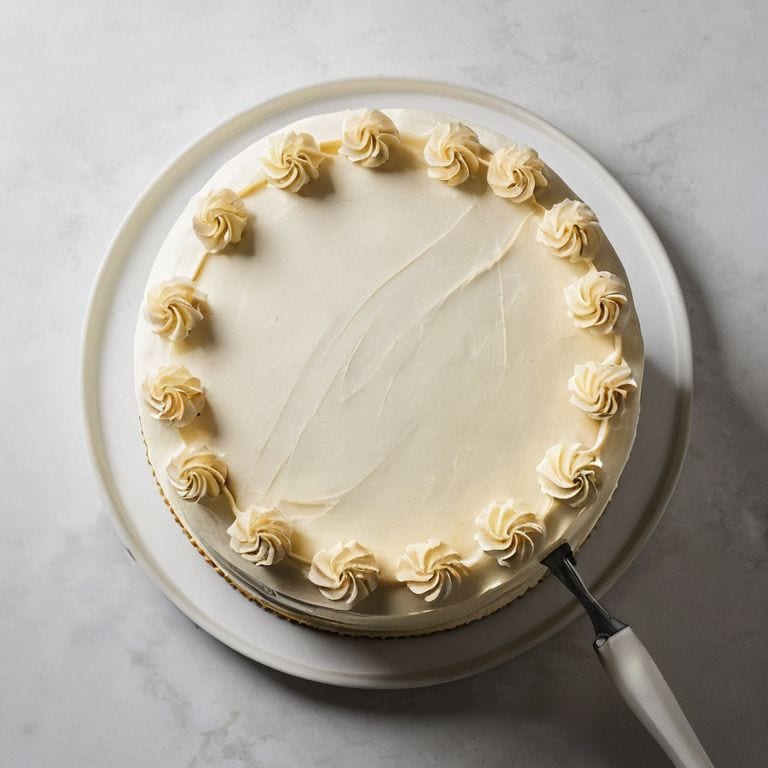
As I always say, the devil is in the details, and when it comes to achieving those perfect edges, it’s all about cake edge smoothing techniques. To take your cake to the next level, try using a turntable to display your masterpiece – it’s amazing how a simple spin can accentuate those sharp lines. I also love experimenting with different sharp edge cake decorating tools, like offset spatulas or specialized edge-smoothing devices, to get that flawless finish.
When working with buttercream, I find that a light touch is essential for avoiding those pesky crumbs and air pockets that can ruin an otherwise smooth edge. Buttercream edge perfection is all about building up thin layers and gently blending them together. Don’t be afraid to take your time and let each layer set before adding the next – it’s worth the wait, I promise!
For a more modern look, consider using ganache to create a sleek, sharp border around your cake. Ganache cake border methods can be a bit trickier to master, but the end result is well worth the extra effort. By combining these techniques with a bit of patience and practice, you’ll be well on your way to creating cakes with edges that are truly sharp and stunning.
Buttercream Edge Perfection Tools
To achieve buttercream edge perfection, it’s all about having the right tools by your side. I swear by my trusty offset spatula and a turntable for effortlessly spinning and smoothing out my cake edges. A bench scraper is also a game-changer for creating those sharp, clean lines. With these essentials, you’ll be well on your way to crafting edges that are nothing short of stunning.
By investing in these simple yet effective tools, you’ll save yourself time and frustration in the long run. Plus, the precision they offer will take your cake decorating to the next level, allowing you to focus on the fun part – getting creative with your designs!
Mastering Cake Edge Smoothing Techniques
To truly master the art of sharp edges, it’s essential to focus on smoothing techniques. I like to think of this step as the icing on the cake – or rather, the smooth finish that takes your cake from good to great. It’s all about creating a seamless transition between the cake and the edge, eliminating any imperfections or crumbs that might be lurking.
My go-to tool for this task is a turntable and a bench scraper. By gently rotating the cake and using the scraper to smooth out any bumps or unevenness, you can achieve a perfectly sharp edge. Remember, patience is key here – take your time, and don’t be afraid to get up close and personal with your cake to ensure every detail is just right. With a little practice, you’ll be a pro at smoothing out those edges in no time.
Elevating Your Cake Game: 5 Essential Tips for Achieving Sharp Edges
- The Cutting Edge Starts with the Right Tools: Invest in a high-quality turntable and a sharp knife or cake scraper to ensure precision and control
- Chill Out: Refrigerate your cake for at least 30 minutes before attempting to create sharp edges, as this will help the buttercream or frosting set and become more manageable
- Smooth Operator: Use a bench scraper or a straight edge to smooth out the cake’s surface, removing any excess buttercream or imperfections that could interfere with achieving sharp edges
- Edge Perfection is All About the Angles: Experiment with different angles and techniques, such as using a small offset spatula or a cake edge smoother, to find what works best for you and your cake
- Practice Makes Perfect: Don’t be discouraged if your first attempts at creating sharp edges don’t turn out as expected – keep trying, and you’ll soon develop the skills and confidence to create show-stopping cakes with razor-sharp edges
Elevating Your Cake Game: 3 Key Takeaways
I’ve learned that achieving sharp edges on a cake is all about the right combination of tools and techniques, from using a turntable to effortlessly spin and inspect your cake, to applying the perfect amount of pressure with your offset spatula
Mastering the art of buttercream edge perfection is crucial – it’s not just about slapping on some frosting, but about crafting a seamless, smooth finish that sets your cake apart from the rest
Remember, practice makes perfect, so don’t be discouraged if your first few attempts at sharp edges don’t turn out exactly as you envisioned – with patience, persistence, and the right guidance, you’ll be creating show-stopping cakes with razor-sharp edges in no time
The Edge of Perfection
A sharp edge on a cake is not just a detail, it’s a declaration of love for the craft – every smooth line, every precise corner, is a testament to the power of patience and precision in the pursuit of beauty.
Chloé Dubois
The Perfect Finish: A Lasting Impression
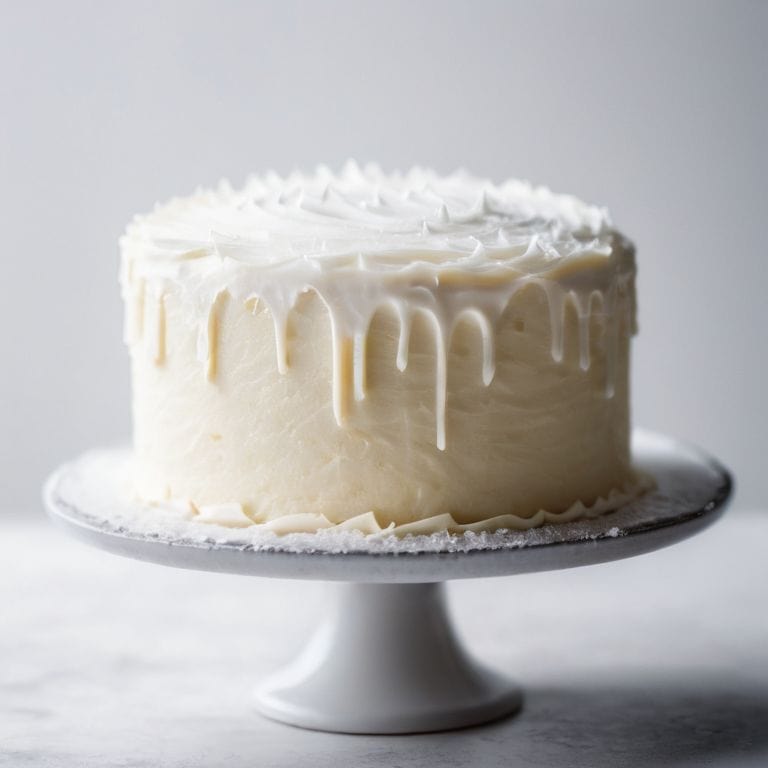
As we’ve explored the world of sharp edges on cakes, it’s clear that mastering this technique requires patience, practice, and the right tools. From smoothing techniques to the perfect buttercream consistency, each step plays a crucial role in achieving that flawless finish. By following the steps outlined in this guide, you’ll be well on your way to creating cakes that are almost too beautiful to eat. Remember, the key to success lies in the details, and with time, you’ll find that creating sharp edges becomes second nature.
Now, go forth and unleash your creativity! Don’t be afraid to experiment with new designs and techniques – after all, it’s through taking risks and trying new things that we truly grow as artists. Whether you’re a seasoned pro or just starting out, I hope this guide has inspired you to push the boundaries of what’s possible with cake decorating. Happy decorating, and I look forward to seeing your stunning creations!
Frequently Asked Questions
What type of turntable is best for displaying and smoothing out sharp edges on a cake?
For a stunning cake display and effortless edge smoothing, I swear by a sturdy, non-slip turntable with a smooth rotation mechanism. My personal favorite is a stainless steel or glass turntable with a small lip to prevent the cake from slipping off. Trust me, it’s a game-changer for showcasing your sharp-edged masterpieces!
How do I prevent my buttercream from becoming too soft or too hard, which can affect the sharpness of the edges?
To achieve the perfect buttercream consistency, I swear by the ‘temperature tap dance.’ Keep your buttercream at room temperature, but if it starts to soften, pop it in the fridge for a few minutes. Conversely, if it’s too hard, let it sit at room temperature or gently warm it with your hands. This delicate balance is key to sharp, stunning edges.
Can I achieve sharp edges on a cake using a different type of frosting, such as cream cheese or whipped cream, instead of traditional buttercream?
While traditional buttercream is my go-to for sharp edges, you can experiment with cream cheese or whipped cream frostings. However, keep in mind that these alternatives might not provide the same level of stability and definition, so you may need to adjust your technique and tools accordingly.