I still remember the first time I attempted to make Swiss meringue buttercream – it was a disaster. I had heard that it’s a temperamental frosting, prone to separating or becoming too sweet, but I was determined to master it. As I delved deeper into the world of cake decorating, I realized that the key to creating smooth, silky Swiss meringue buttercream lies not in complicated recipes, but in understanding the simple science behind it. If you’re struggling to get your Swiss meringue buttercream just right, you’re not alone – and that’s exactly why I want to share my journey with you, and show you how to make Swiss meringue buttercream that’s truly divine.
As someone who’s spent years perfecting their craft, I want to assure you that making exceptional Swiss meringue buttercream is within your reach. In this article, I’ll be sharing my honest, tried-and-tested tips for creating this versatile frosting, from the importance of using room-temperature ingredients to the gentle art of folding in your meringue. My goal is to empower you with the knowledge and confidence to take your cake decorating to the next level, and to show you that with a little patience and practice, you can create stunning, professional-quality Swiss meringue buttercream that will elevate any cake to new heights.
Table of Contents
Recipe Details
Ingredients
- 1 1/2 cups granulated sugar (superfine or caster sugar works best)
- 1/2 cup egg whites (at room temperature, about 4 large eggs)
- 1/2 cup unsalted butter, softened (cut into small pieces)
- 1 teaspoon vanilla extract (optional, but recommended for flavor)
- Pinch of salt (to stabilize the meringue and balance flavor)
Tools & Supplies
- Double boiler or a heatproof bowl set over a pot of simmering water
- Hand mixer or stand mixer
- Whisk attachment for mixer
- Rubber spatula
- Fine-mesh sieve or sifter (for dusting with powdered sugar, optional)
Recipe Instructions
Step 1
First, let’s start by preparing our ingredients, as this will ensure a smooth process throughout. We’ll need 1 cup of granulated sugar, 1/2 cup of egg whites, and 1/2 cup of unsalted butter, softened to room temperature. It’s essential to use room temperature ingredients for the best results, so take the butter out of the fridge a few hours before starting.
Step 2
Next, we’ll be creating a sugar syrup by combining the granulated sugar and 1/2 cup of water in a small saucepan. Place the saucepan over medium heat and stir until the sugar has dissolved, then bring the mixture to a boil. Once boiling, reduce the heat to medium-low and simmer for about 5 minutes, or until the syrup reaches 160°F to 180°F on a candy thermometer. This temperature control is crucial for achieving the perfect consistency.
Step 3
While the sugar syrup is cooking, let’s prepare our egg whites. In a clean, dry bowl, whip the egg whites until they become frothy. This should take about 2 minutes with an electric mixer. Then, reduce the speed and slowly pour the sugar syrup into the egg whites in a thin, steady stream. Be careful not to pour too quickly, as this can cause the mixture to become too thin and separate.
Step 4
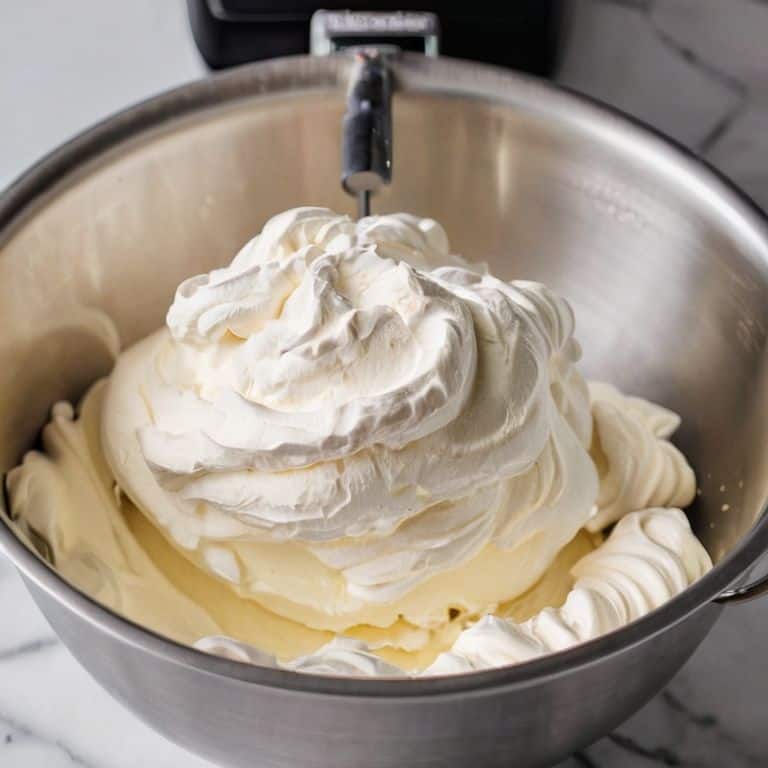
Now, it’s time to whip the mixture into a fluffy, airy buttercream. Increase the mixer speed and continue whipping for about 10 minutes, or until the mixture has doubled in volume and has a light, airy texture. You’ll know it’s ready when it’s cool to the touch and has a smooth, even consistency.
Step 5
With our buttercream base ready, it’s time to add the final touch – the butter. Add the softened butter to the mixture, a tablespoon at a time, whipping continuously until each piece is fully incorporated before adding the next. This process can be a bit tedious, but it’s essential for achieving a smooth, creamy finish. Once all the butter has been added, whip the mixture for an additional 2 minutes to ensure everything is well combined and the buttercream is ready to use.
Mastering Swiss Meringue
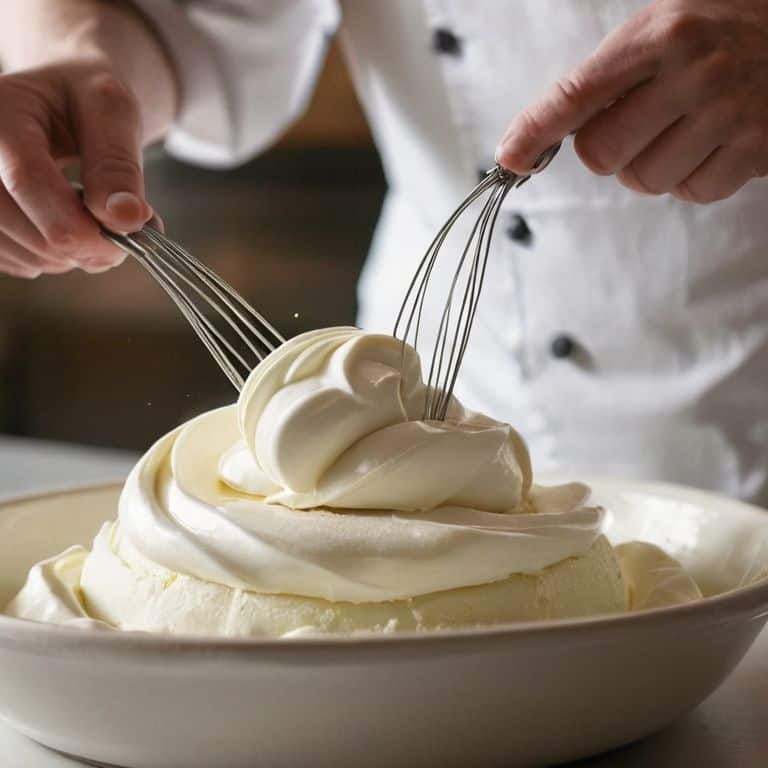
As I delve deeper into the world of Swiss meringue buttercream, I’m reminded of its rich history and the artistic freedom it offers. This buttercream has been a staple in many bakeries for decades, and its versatility is a major reason why it remains a favorite among cake decorators. When it comes to stabilizing Swiss meringue buttercream, it’s essential to note that temperature and humidity play a significant role in its consistency and overall performance.
One of the most exciting aspects of working with Swiss meringue buttercream is the opportunity to experiment with flavor variations. From classic vanilla to unique flavor combinations like lemon and lavender, the possibilities are endless. By incorporating different extracts, oils, or even liqueurs, you can create one-of-a-kind flavor profiles that will elevate your cakes to new heights. Whether you’re a seasoned pro or just starting out, I encourage you to explore different flavor combinations and find the ones that resonate with you the most.
When working with Swiss meringue buttercream, it’s not uncommon to encounter common issues like too-thin or too-thick consistency. To achieve the perfect Swiss meringue buttercream consistency, it’s crucial to understand the importance of temperature and mixing time. By mastering these variables, you’ll be able to create a smooth, creamy, and stable buttercream that’s perfect for decorating cakes. Remember, practice makes perfect, so don’t be discouraged if it takes a few attempts to get it just right – the end result will be well worth the effort.
Troubleshooting Common Swiss Meringue Issues
As I often see in my online tutorials, even with the best recipe and technique, Swiss meringue buttercream can be finicky. If your mixture is too runny, it might be due to overheating the egg whites and sugar. Conversely, if it’s too stiff, you may not have whipped it enough. To fix these common issues, try adjusting the temperature or whipping time. A little patience and tweaking can make all the difference.
When I’m decorating a cake, I want my buttercream to be silky smooth and pliable. If you encounter any lumps or graininess, don’t worry – it’s an easy fix. Simply re-whip the mixture or add a touch more sugar to balance it out. Remember, practice makes perfect, and troubleshooting is all part of the creative process. With a little practice, you’ll be mastering Swiss meringue buttercream in no time, and your cakes will be truly unforgettable.
Unwrapping the Magic of Swiss Meringue
As I work with Swiss meringue buttercream, I’m constantly reminded of the delicate dance between texture and taste. It’s a frosting that can elevate even the simplest of cakes into a masterpiece. For me, the magic lies in its silky smoothness, which is both a joy to work with and a challenge to achieve. With every batch, I’m inspired to push the boundaries of what’s possible, experimenting with flavors and techniques to create truly unique designs.
The process of crafting Swiss meringue buttercream is almost meditative, as I carefully temper the egg whites and sugar, watching the mixture transform into a fluffy, white cloud. It’s a moment of pure creativity, where the possibilities seem endless and the beauty of the buttercream is just beginning to unfold.
Elevating Your Frosting Game: 5 Essential Tips for Silky Swiss Meringue Buttercream
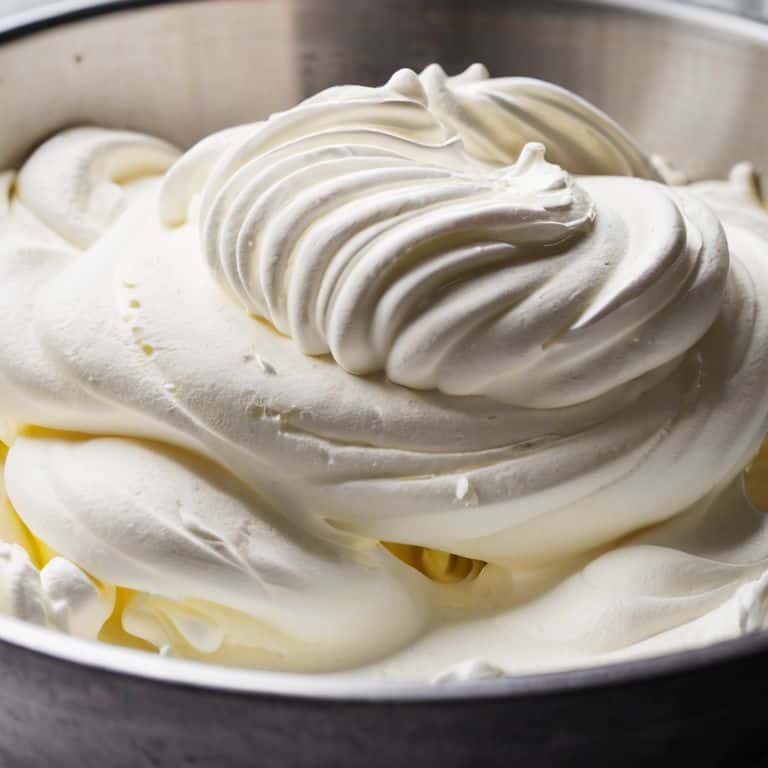
- Start with room temperature egg whites for a smoother, more stable meringue base
- Use a high-quality granulated sugar that dissolves easily to avoid grainy textures
- Don’t overmix your buttercream – stop mixing as soon as the butter is fully incorporated for a light, airy finish
- Add a pinch of salt to balance the sweetness and enhance the flavors in your Swiss meringue buttercream
- Age your buttercream for at least 30 minutes to allow the flavors to mature and the texture to set before frosting your cake
Key Takeaways for Silky Swiss Meringue Buttercream
Always use room-temperature egg whites for a stable and smooth meringue base, ensuring your buttercream turns out light and airy
Tempering the egg mixture is crucial: slowly pour the hot sugar syrup into the egg whites while whisking to create a seamless and glossy integration
Patience is key when whipping the butter into the meringue: start with small increments and gradually increase the amount to achieve a silky, divine buttercream that’s perfect for elevating your cakes to masterpieces
The Sweetest Wisdom
The art of making Swiss meringue buttercream is not just about following a recipe, but about understanding the delicate dance of temperatures, textures, and timing that come together to create a masterpiece of smooth, silky perfection.
Chloé Dubois
Bringing it All Together: The Sweet Reward of Swiss Meringue Buttercream
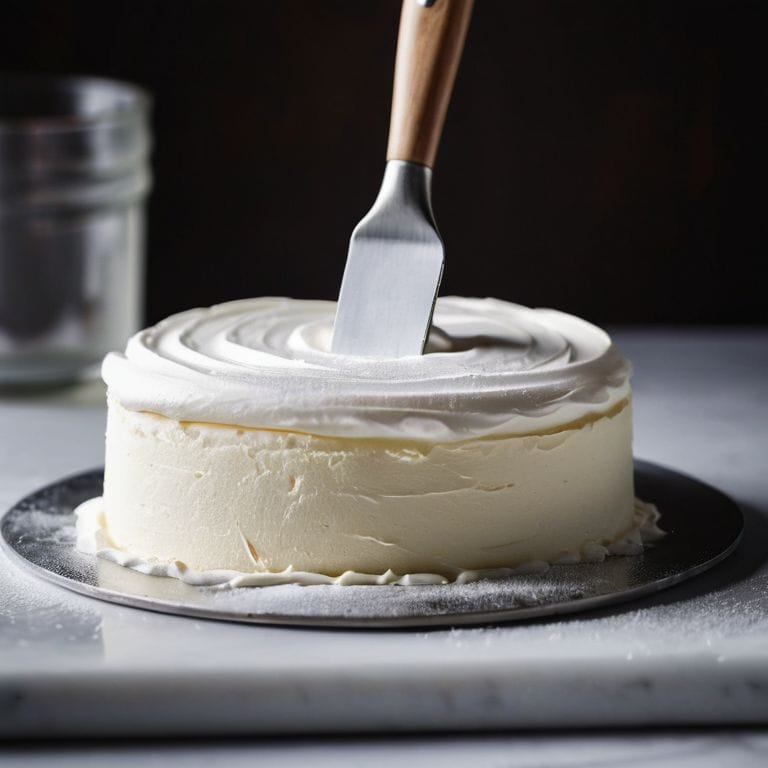
As we conclude our journey through the world of Swiss meringue buttercream, I hope you’ve gained a deeper understanding of this versatile and elegant frosting. From the initial recipe card to the step-by-step instructions, and through the troubleshooting section, we’ve covered the essential elements to create a truly exceptional Swiss meringue buttercream. Remember, the key to mastering this technique lies in patience, attention to detail, and a willingness to experiment until you find the perfect balance of flavors and textures. By following these guidelines and practicing your skills, you’ll be well on your way to crafting show-stopping cakes that impress and delight.
As you continue to explore the world of cake decorating, I encourage you to view Swiss meringue buttercream as a blank canvas, waiting for your creativity and imagination to bring it to life. Don’t be afraid to push the boundaries of what’s possible, to try new flavors, and to elevate your art with each successive project. With time and practice, you’ll find that the process of creating something truly beautiful becomes a meditative and fulfilling experience, one that brings joy not only to you but to all who are lucky enough to taste your creations.
Frequently Asked Questions
What's the best way to ensure my egg whites reach room temperature for making Swiss meringue buttercream?
To ensure your egg whites reach room temperature, I like to submerge them in a bowl of warm water for about 5-7 minutes before making Swiss meringue buttercream. This gentle warm-up helps them whip up to their fullest potential, resulting in a silky, smooth frosting.
How do I prevent my Swiss meringue buttercream from becoming too thin or too thick?
To achieve the perfect consistency, I always say it’s all about balance. If your Swiss meringue buttercream is too thin, try whipping it a bit longer or adding a small amount of powdered sugar. If it’s too thick, gently warm it up or add a tiny splash of liquid, like milk or water, until you reach your desired consistency.
Can I flavor my Swiss meringue buttercream with anything other than vanilla, and if so, what are some popular alternatives?
The possibilities are endless, my friends! You can infuse your Swiss meringue buttercream with a variety of flavors like almond, coffee, or lemon. I also adore adding a hint of rosewater or orange blossom water for a unique twist. Feel free to experiment and find the perfect complement to your cake’s personality!