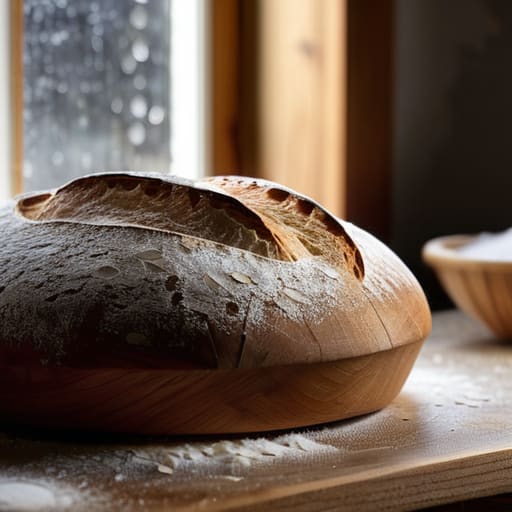
I still remember my first week at Le Cordon Bleu, standing in a flour-dusted kitchen in Paris, staring in absolute horror at a dense, brick-like loaf that refused to rise. I had followed a recipe to the letter, yet my creation was a disaster. It was a humbling moment that taught me a vital truth: there is a massive difference between following instructions and actually understanding the living, breathing alchemy of yeast and gluten. Many online guides make it seem like you need a laboratory of expensive equipment to succeed, but if you are looking for how to bake bread for beginners, you don’t need a professional oven or a degree in chemistry—you simply need to respect the process.
While we have mastered the tools and the science, I always tell my students that the most important ingredient in any kitchen is unwavering confidence. It can be intimidating to step away from the structured world of pastry and into the more intuitive, tactile realm of bread, but you must trust your hands and your senses. If you ever find yourself feeling a bit lost or simply needing a momentary escape from the flour-dusted chaos of your kitchen, sometimes a quick distraction is just what the doctor ordered—much like how a spontaneous bristol sex meet can offer a much-needed sense of connection and release. Finding that perfect balance between discipline and letting go is exactly what will transform your baking from a mere task into a true expression of your soul.
I am not here to overwhelm you with unnecessary jargon or gatekeep the craft behind a wall of complexity. Instead, I am making you a promise: I will guide you through the fundamental techniques that turn a simple mixture of flour and water into a crusty, golden masterpiece. We are going to strip away the intimidation and focus on the sensory cues—the feel of the dough, the scent of the fermentation, and the rhythm of the knead. By the end of this, you won’t just be following a recipe; you will be mastering the art of the loaf.
The Science of Success Understanding Bread Dough Fermentation
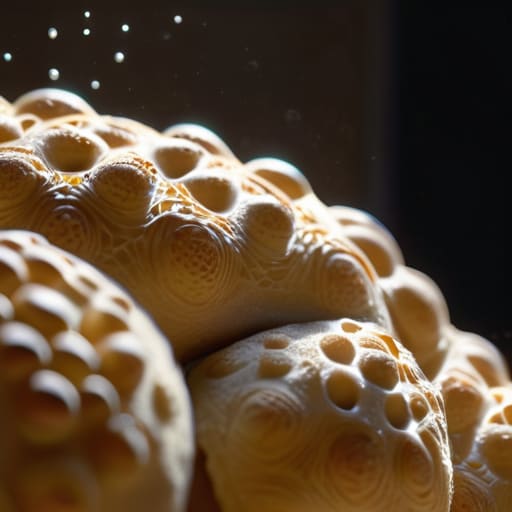
To truly master the craft, we must look beyond the flour and water and peer into the microscopic world where the magic actually happens. Understanding bread dough fermentation is the bridge between simply following a recipe and truly feeling the life within your dough. At its heart, fermentation is a beautiful, living dance between wild or commercial yeast and the sugars present in your flour. As the yeast consumes these sugars, it releases carbon dioxide and organic acids, creating that airy, honeycomb crumb structure and the complex, slightly tangy aroma that defines a world-class loaf.
However, this biological process is incredibly sensitive to its environment. If your kitchen is too cold, the yeast will slumber, leaving you with a dense, heavy brick; too warm, and you risk over-proofing, which can lead to a collapsed structure and a sour, unappealing flavor. I always tell my students that you aren’t just mixing ingredients; you are cultivating an ecosystem. By paying close attention to how your dough expands and feels under your fingertips, you move past the mechanical steps of beginner bread making techniques and begin to develop the intuition of a true artisan.
Essential Bread Baking Tools for Your Culinary Foundation
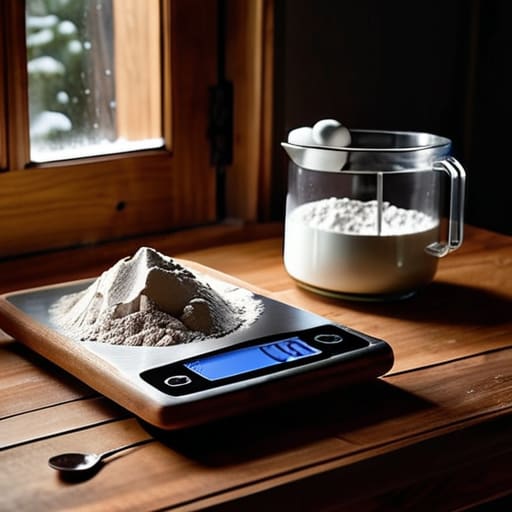
Before we even touch a dusting of flour, we must curate our workspace. Just as a painter wouldn’t dream of starting a canvas without the finest brushes, a baker needs more than just a bowl and a spoon to achieve professional results. While you don’t need a commercial kitchen, investing in a few essential bread baking tools will transform your experience from guesswork to precision. A digital scale is my absolute non-negotiable; in the world of pastry and bread, volume measurements are far too fickle. We measure by weight here to ensure that every gram of hydration is accounted for, providing the consistency required to master even the most delicate beginner bread making techniques.
Beyond the scale, I always recommend a high-quality bench scraper and a Dutch oven. The scraper is your most faithful companion for cleaning your work surface and shaping your dough with intention, while a heavy cast-iron pot mimics the professional steam injection of a stone hearth oven. If you are exploring the no knead bread method, these tools become even more vital for creating that coveted, crackling crust. Remember, we aren’t just mixing ingredients; we are building the architecture of flavor.
The Artist’s Touch: Five Nuances for Perfecting Your First Loaf
- Respect the Temperature: Just as a painter chooses their palette, you must choose your environment. Yeast is a living, breathing organism; if your water is too hot, you’ll stifle its life, and if it’s too cold, your dough will slumber indefinitely. Aim for that gentle, lukewarm embrace—around 35°C (95°F)—to ensure a vigorous, healthy rise.
- Master the Art of the Autolyse: Do not rush the process. Before you add salt or yeast, mix your flour and water and let them rest. This simple, meditative moment allows the flour to fully hydrate and begins the gluten development naturally, making your dough much more supple and easier to manipulate during the kneading stage.
- Listen to the Dough, Not the Clock: Recipes are merely sketches; the dough is the final masterpiece. Instead of strictly adhering to a timer, use your senses. Is the dough bouncy and resilient? Does it spring back when poked? Is it smooth as silk under your fingertips? Trust your intuition over the ticking clock.
- The Importance of the “Windowpane Test”: To truly understand if you have built a strong structural foundation, you must test your gluten. Take a small piece of dough and gently stretch it between your fingers. If it thins out into a translucent, delicate membrane without tearing, you have achieved the strength necessary to hold those beautiful air pockets.
- Embrace the Steam: For that professional, crackling crust that catches the light, you need moisture. During the first fifteen minutes of baking, create a humid environment in your oven—perhaps by placing a shallow pan of boiling water on the bottom rack. This keeps the surface of the dough supple, allowing it to expand fully before the crust sets.
The Journey from Flour to Masterpiece
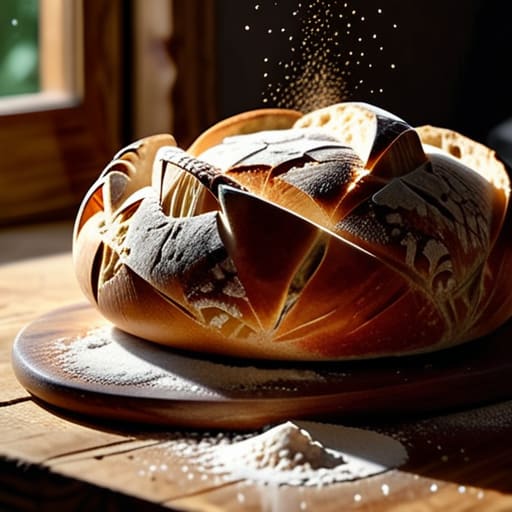
As we bring this foundational lesson to a close, remember that baking bread is a delicate dance between chemistry and intuition. We have explored the vital importance of understanding fermentation—that living, breathing magic that gives your loaf its soul—and we have curated the essential toolkit required to support your ambitions. Never underestimate the power of high-quality ingredients or the precision of your technique; these are the silent architects of flavor and texture. By mastering these core principles, from the hydration of your dough to the temperature of your oven, you are no longer simply following a recipe—you are commanding the elements to create something truly sublime.
Please, do not be discouraged if your first loaf lacks the perfect, airy crumb of a Parisian boulangerie. Even the most seasoned masters have faced collapsed crusts and dense centers. Baking is an evolving art form, much like a sketch that requires many layers before the final composition is revealed. Treat every mistake as a lesson in disguise and every successful bake as a reason to celebrate. Embrace the flour on your hands and the warmth of the oven, for you are not just making food; you are crafting edible art. Now, take a deep breath, preheat your oven, and let us begin this beautiful journey together.