I still remember the first time I saw a beautifully baked cake, only to have it crack right down the middle as it cooled. It was a devastating moment, and one that I’ve seen repeated time and time again in my 20 years as a pastry instructor. The question on every baker’s mind is how to stop a cake from cracking, and it’s a problem that I’m passionate about solving. As someone who’s spent years studying the science behind baking, I can tell you that it’s not just a matter of luck or magic – it’s about understanding the underlying chemistry of the ingredients and the baking process.
In this article, I’ll share my expertise on how to stop a cake from cracking, and provide you with practical, actionable advice that you can use in your own baking. I’ll cut through the myths and misconceptions, and give you a clear understanding of the science behind cake baking. By the end of this guide, you’ll know exactly what causes cakes to crack, and how to prevent it from happening in the first place. Whether you’re a seasoned baker or just starting out, my goal is to give you the knowledge and confidence you need to bake beautiful, crack-free cakes every time.
Table of Contents
Guide Overview: What You'll Need
Total Time: 1 hour 15 minutes
Estimated Cost: $10 – $20
Difficulty Level: Easy
Tools Required
- Rubber Spatula (for even batter distribution)
- Oven Thermometer (to ensure accurate oven temperature)
- Cake Tester (to check for doneness)
Supplies & Materials
- Cake Flour (for a more tender crumb)
- Baking Powder (to help the cake rise evenly)
- Butter (at room temperature for easier mixing)
- Parchment Paper (to line the cake pan and prevent sticking)
Step-by-Step Instructions
- 1. First, let’s understand the basics of cake cracking. It’s essential to recognize that cracking is often a result of uneven baking, where the outside of the cake cooks faster than the inside. To combat this, we need to ensure our oven is at the correct temperature and that we’re using the right type of pan. I always recommend using a high-quality, light-colored pan to promote even browning.
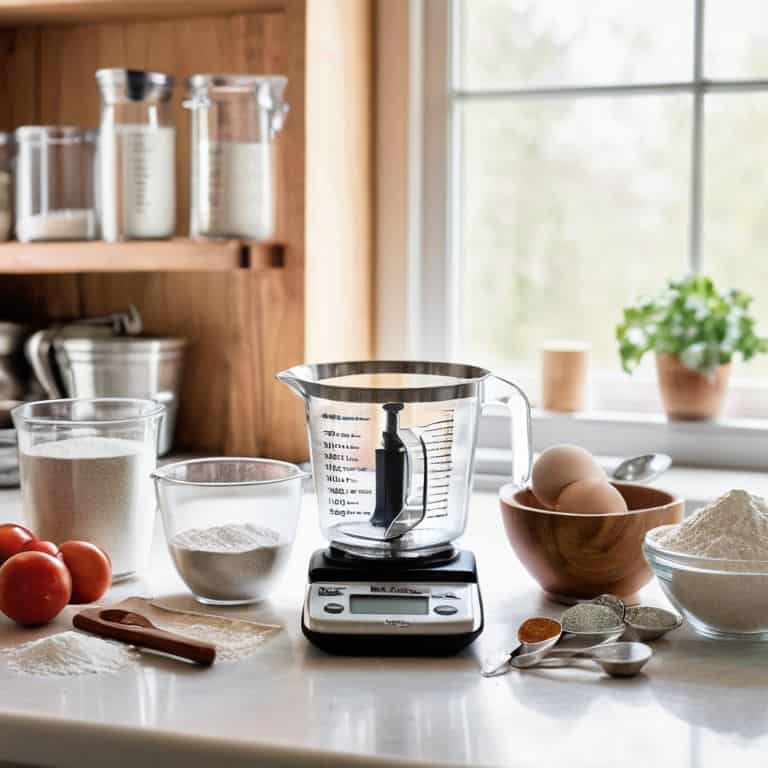
- 2. Next, we need to prepare our ingredients with precision. This means weighing our flour, sugar, and other dry ingredients instead of relying on volume measurements. Weighing ensures that our recipe is consistent, which is crucial for preventing cracks. I like to use a digital scale for accuracy and speed.
- 3. Now, let’s talk about the importance of tempering our eggs. When adding eggs to our cake batter, it’s vital to do so slowly and gently to prevent scrambling. This helps maintain the structure of the eggs and prevents the introduction of air, which can contribute to cracking. I find that tempering eggs in a separate bowl before adding them to the main batter helps to prevent this issue.
- 4. The mixing process is also critical in preventing cake cracking. Overmixing can lead to a dense, tough crumb that’s more prone to cracking. To avoid this, we should mix our wet and dry ingredients separately and then gently fold them together. I recommend using a rubber spatula for this step, as it allows for gentle yet effective mixing.
- 5. Once our batter is mixed, it’s time to pour it into our prepared pan. To ensure the batter is evenly distributed, I like to use a spatula or offset spatula to smooth the top. This helps to prevent any air pockets or unevenness that could contribute to cracking.
- 6. Now, let’s discuss the baking process itself. To prevent cracking, we need to ensure that our cake bakes evenly and at the right temperature. I recommend using a thermometer to verify our oven’s temperature and rotating the cake halfway through the baking time to promote even cooking.
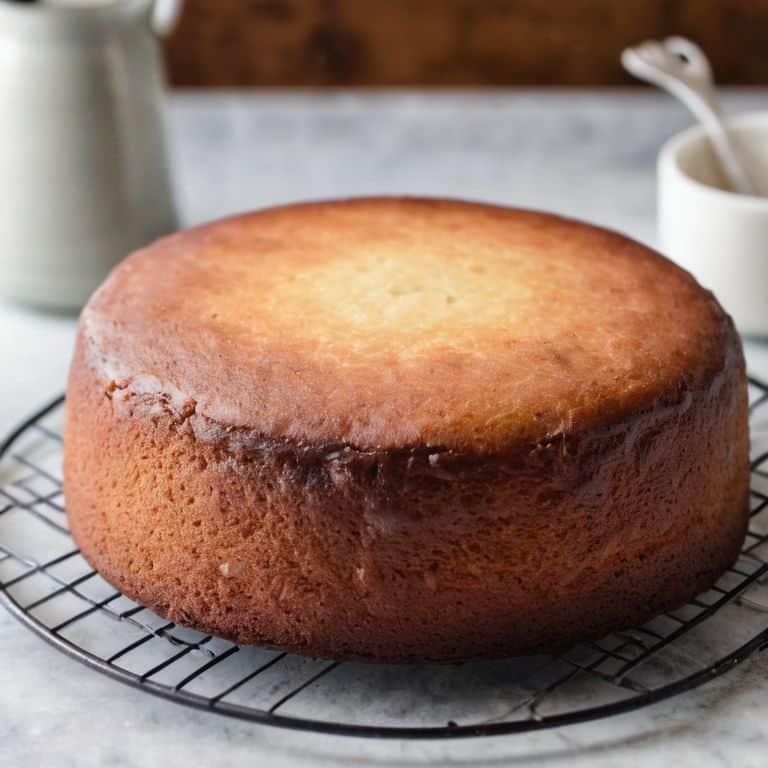
- 7. Finally, it’s essential to cool our cake properly to prevent cracking. This means removing the cake from the oven and letting it cool in the pan for a few minutes before transferring it to a wire rack to cool completely. I find that cooling the cake slowly and gently helps to prevent any sudden changes in temperature or humidity that could cause cracking.
- 8. As a final step, I like to inspect our cake for any signs of cracking or unevenness. If we do notice any issues, there are often ways to salvage the cake, such as using frosting or glazes to cover up imperfections. However, by following these steps and understanding the science behind cake cracking, we can minimize the risk of cracks and produce a beautiful, evenly baked cake.
Cracking the Code How to Stop a Cake
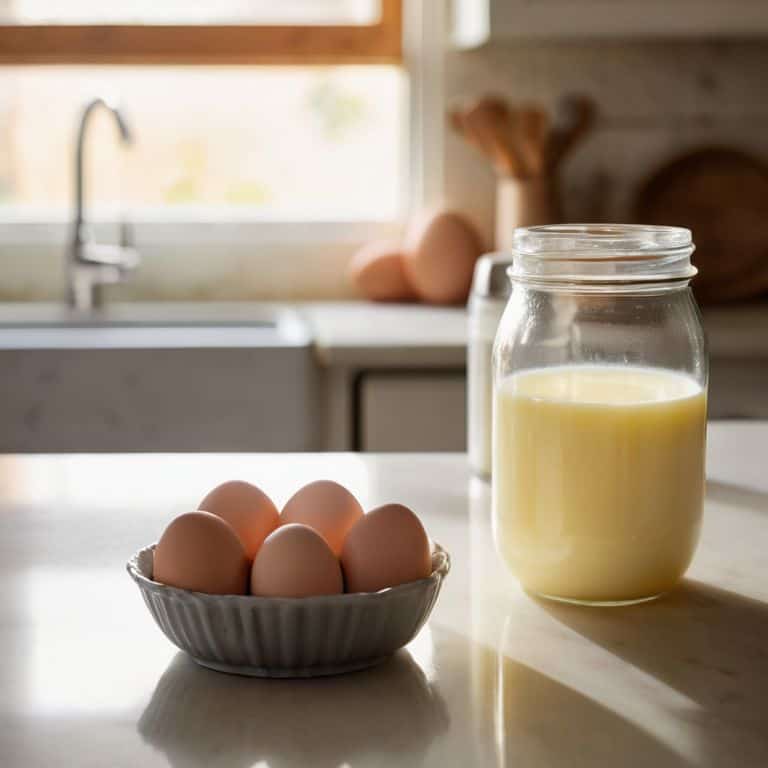
As we delve deeper into the world of cake baking, it’s essential to understand the importance of room temperature ingredients. This simple yet crucial step can make all the difference in preventing cake collapse. When ingredients are at room temperature, they mix together more evenly, reducing the risk of overmixing and subsequent cracking. I always emphasize to my students the need to take ingredients out of the fridge ahead of time, allowing them to reach a stable temperature.
Another often-overlooked aspect of cake baking is cake pan preparation tips. A well-prepared pan can help prevent a cake from sticking and cracking as it cools. I recommend greasing the pan with a small amount of butter or cooking spray and then dusting it with flour. This simple step can help the cake release smoothly from the pan, reducing the risk of cracking. By combining these techniques with the main guide, you’ll be well on your way to baking a crack-free cake.
To further ensure success, it’s vital to be aware of common cake baking mistakes, such as overmixing the batter or opening the oven door too frequently. By avoiding these pitfalls and following the guide, you’ll be able to bake a beautiful, intact cake. Remember, practice makes perfect, so don’t be discouraged if it takes a few attempts to get it just right. With patience and attention to detail, you’ll be baking like a pro in no time, and preventing cake collapse will become second nature.
Avoiding Overmixing for Perfect Texture
To achieve a perfect texture, it’s essential to avoid overmixing. When you overmix, you’re essentially developing the gluten in your flour, leading to a dense and tough crumb. This can cause your cake to crack, as the structure becomes too rigid to expand during baking. I always stress to my students the importance of mixing wet and dry ingredients separately and gently folding them together. This technique helps preserve the delicate balance of your batter, ensuring a tender and even texture.
By being mindful of your mixing technique, you’ll be able to create a cake that’s not only visually stunning but also a joy to eat. Remember, the key is to mix just until your ingredients come together in a smooth, cohesive batter. Any extra mixing can have disastrous consequences, so it’s better to err on the side of caution and stop mixing as soon as you see your ingredients unite.
Preventing Cake Collapse With Science
To prevent cake collapse, we need to understand the structure of the cake. It’s all about balance – between leavening agents, liquid content, and flour strength. When these elements are in harmony, the cake rises beautifully and stays intact. I always tell my students to think of it as a delicate dance between chemistry and physics. By mastering this balance, you’ll be able to create cakes that are not only delicious but also visually stunning.
By applying basic scientific principles, such as monitoring oven temperature and avoiding overmixing, you can significantly reduce the risk of cake collapse. I’ve seen it time and time again in my classes – a small adjustment in technique can make all the difference. With practice and patience, you’ll develop the skills to craft cakes that are both beautiful and delicious, and you’ll be well on your way to becoming a confident baker.
Cracking the Code: 5 Essential Tips to Save Your Cake
- Ensure your ingredients are at room temperature to promote even mixing and reduce the risk of cracking
- Monitor your oven temperature closely, as fluctuations can cause uneven baking and lead to cracks
- Don’t overbake – a cake that’s overcooked will be more prone to cracking than one that’s baked to perfection
- Use the right pan size for the recipe, as a cake that’s too large for its pan can crack under its own weight
- Resist the temptation to open the oven door too often, as sudden changes in temperature and humidity can cause your cake to crack or sink
Key Takeaways to Crack-Proof Your Cakes
Understanding the science behind cake batter is crucial to preventing cracking, as it allows for precise control over ingredient ratios and mixing techniques
Preventing overmixing and maintaining the right oven temperature are essential to avoiding cake collapse and promoting even baking
By applying fundamental principles of food science, such as the role of leavening agents and the importance of accurate ingredient measurement, home bakers can significantly reduce the likelihood of cake cracking and achieve professional-grade results
The Secret to a Crack-Free Cake
A cake that cracks is not a failure, but a lesson in the delicate balance of ingredients and technique – by understanding the science behind the split, you’ll be empowered to create baked masterpieces that rise to perfection, every time.
Beatrice Quinn
The Cracking Conundrum Solved
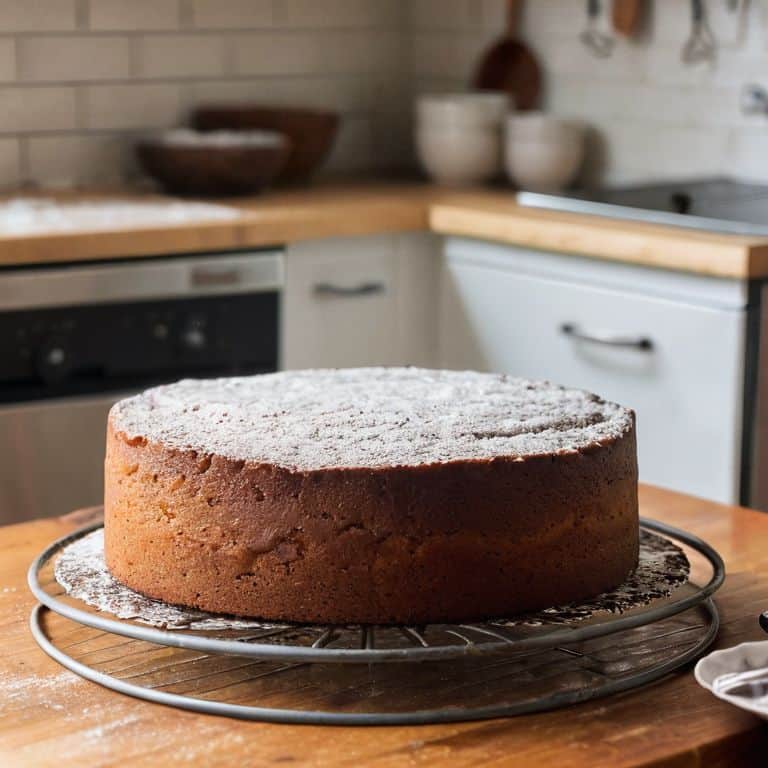
In our journey to stop a cake from cracking, we’ve uncovered the science behind the batter, walked through step-by-step instructions, and explored how to prevent cake collapse with science. We’ve also discussed the importance of avoiding overmixing for perfect texture. By understanding the role of ingredients, the impact of mixing techniques, and the significance of temperature and timing, you’re now equipped with the knowledge to tackle this common baking issue. Remember, baking is 90% science and 10% magic, and with this foundation, you’ll be well on your way to creating cakes that are not only delicious but also visually stunning.
As you continue on your baking journey, keep in mind that practice makes perfect. Don’t be discouraged by initial failures – they’re an opportunity to learn and refine your skills. With patience, persistence, and a willingness to understand the science behind baking, you’ll soon find yourself creating cakes that are the envy of friends and family. So, go ahead, get baking, and remember that the joy of baking lies not just in the end result, but in the process of creation itself. Happy baking, and I look forward to sharing more baking secrets and science with you in the future.
Frequently Asked Questions
What role does oven temperature play in preventing a cake from cracking?
Oven temperature is crucial – a fluctuation can cause uneven cooking, leading to cracks. I always stress the importance of investing in a reliable oven thermometer to ensure accuracy. Aim for a consistent temperature, and avoid opening the oven door during the baking process to prevent sudden temperature drops that can cause the cake to crack.
How can I adjust my recipe to account for high altitude and prevent cracking?
At high altitudes, leavening gases expand more, causing cakes to crack. To adjust, reduce leavening agents by 1/4 teaspoon per 1,000 feet of elevation, and increase liquid content by 1-2 tablespoons to maintain moisture. This balance will help you achieve a tender, crack-free crumb.
Are there any specific ingredients that can help strengthen the cake's structure and reduce the likelihood of cracking?
To strengthen the cake’s structure, I recommend using ingredients like xanthan gum, guar gum, or cornstarch, which help improve texture and reduce cracking. Additionally, using high-protein flours, such as bread flour, can also provide extra structure and support to the cake, making it less prone to cracking.