I still remember the day I realized that a good baking sheet is the backbone of my kitchen. I was testing a new recipe for croissants, and my old baking sheet just couldn’t deliver the even heat I needed. It was then that I decided to write a guide to baking sheets, to help home bakers like myself invest in the right equipment. As someone who’s spent years perfecting the art of lamination, I know that the right baking sheet can make all the difference. But with so many options on the market, it’s easy to get overwhelmed by the choices.
In this article, I’ll cut through the marketing fluff and give you the honest truth about what makes a great baking sheet. I’ll share my expertise on the key factors to consider, from material to size, and provide you with practical advice on how to choose the best one for your needs. Whether you’re a beginner or an experienced baker, this guide to baking sheets will give you the confidence to make informed decisions and take your baking to the next level. So, let’s get started on this journey to find the perfect baking sheet, and discover how it can transform your baking experience.
Table of Contents
Guide Overview: What You'll Need
Total Time: 1 hour 15 minutes
Estimated Cost: $10 – $30
Difficulty Level: Easy
Tools Required
- Oven (preheated to 350 degrees Fahrenheit)
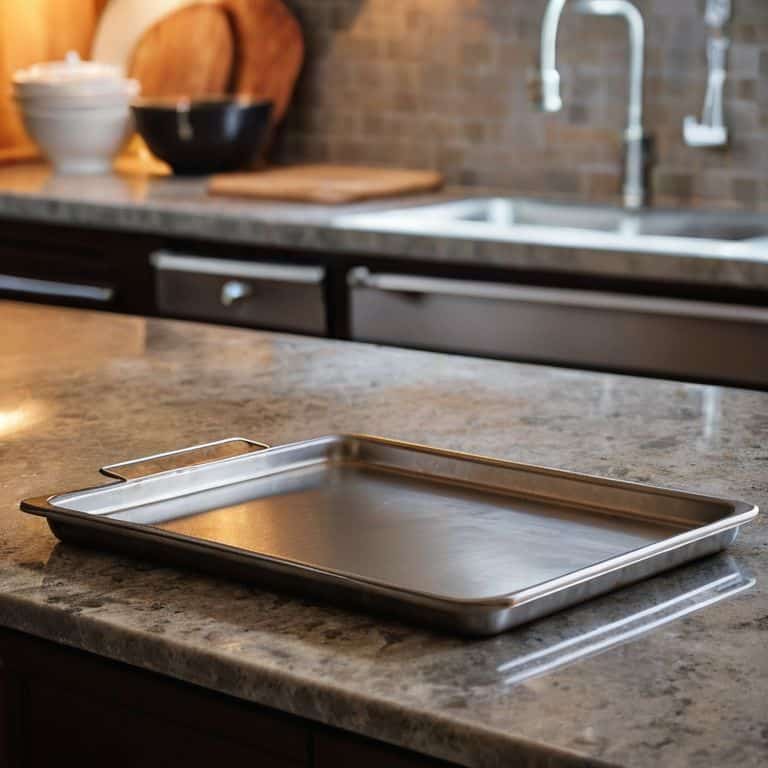
- Baking Sheet (at least 1, 18 inches x 12 inches)
- Non-stick Cooking Spray (optional)
- Spatula (for scraping and serving)
Supplies & Materials
- All-purpose Flour (for dusting)
- Parchment Paper (for lining the baking sheet)
- Baking Ingredients (varies depending on recipe)
Step-by-Step Instructions
- 1. First, determine your baking needs by considering the types of baked goods you plan to make most often. This will help you decide on the size and material of your baking sheet. For example, if you’re an avid cookie baker, you may want a larger sheet to accommodate multiple batches at once.
- 2. Next, research different materials used to make baking sheets, such as aluminum, stainless steel, or non-stick coatings. Each has its pros and cons, including durability, heat conductivity, and ease of cleaning. I’ve found that aluminum sheets are generally a good all-around choice due to their excellent heat distribution and affordability.
- 3. Now, evaluate the thickness of the baking sheet. A thicker sheet will retain heat better and be less prone to warping, but it may also be heavier and more expensive. I look for sheets with a thickness of at least 18 gauge (0.048 inches or 1.22 mm) for optimal performance.
- 4. Consider the handle and rim design of the baking sheet. A sturdy handle and a reinforced rim can make it easier to lift and maneuver the sheet, even when it’s hot and laden with baked goods. I prefer sheets with a reinforced rim to prevent warping and ensure safe handling.
- 5. Look for non-stick coatings or seasons that can make food release and cleaning easier. However, be aware that non-stick coatings can degrade over time, and some seasons may require maintenance to maintain their effectiveness. I’ve found that a well-maintained seasoned steel sheet can be a great alternative to non-stick coatings.
- 6. Check the baking sheet’s compatibility with your oven and cooking methods. Ensure it fits comfortably in your oven and can withstand the temperatures you typically use. I also consider whether the sheet is broiler-safe or suitable for use under the grill.
- 7. Finally, assess the durability and warranty of the baking sheet. A high-quality sheet should last for many years with proper care. Look for manufacturers that offer a lifetime warranty or a satisfaction guarantee, as this can be a good indicator of their confidence in the product’s quality.
A Guide to Baking Sheets
As I delve deeper into the world of baking sheets, I want to share some baking sheet maintenance tips that I’ve found to be essential. Regularly cleaning and drying your baking sheets can make a significant difference in their performance and longevity. I’ve also found that avoiding abrasive cleaners and scrubbers can help prevent scratches and damage to the surface.
When it comes to choosing the right baking sheet, the material is a crucial factor. Non-stick baking sheet alternatives are gaining popularity, and for good reason. They offer a healthier and more environmentally friendly option compared to traditional non-stick coatings. I’ve had the opportunity to test several of these alternatives, and I’m impressed with their performance.
In my experience, having a variety of baking sheet sizes can be incredibly useful. A baking sheet size guide can help you determine the best size for your specific needs. From small sheets for individual portions to large sheets for big batches, having the right size can make a big difference in the outcome of your baked goods.
Baking Sheet Size Guide and Materials
When it comes to baking sheets, size and material are crucial factors to consider. I’ve found that a good balance between the two is essential for even baking and durability. For most home bakers, an 18×13-inch sheet is the sweet spot, offering ample space for roasting vegetables or baking a batch of cookies. As for materials, I’m a fan of heavy-gauge stainless steel or aluminum, which provide excellent heat conductivity and resistance to warping.
In my testing, I’ve ranked various materials based on their performance, with stainless steel coming out on top for its balance of durability and non-reactivity. My trusty spreadsheet has helped me track the pros and cons of each material, and I’m happy to share my findings with you. Whether you’re a seasoned baker or just starting out, choosing the right baking sheet size and material can make all the difference in your baking endeavors.
Oven Safe Options and Storage Ideas
When it comes to oven safe options, I always look for baking sheets that can withstand high temperatures without warping or damaging the non-stick coating. In my experience, sheets made from heavy-gauge steel or durable aluminum alloys are the best choices. For storage, I’m a fan of nesting sets that allow you to stack multiple sheets together, saving valuable kitchen space. I also recommend investing in a sheet organizer or divider to keep your baking sheets separate from other kitchen utensils and prevent scratching.
5 Essential Tips for Choosing the Right Baking Sheet
- Consider the size of your oven and the types of baked goods you’ll be making most often to determine the ideal baking sheet size for your needs
- Look for baking sheets made from heavy-gauge steel or aluminum for optimal durability and even heat distribution
- Don’t underestimate the importance of a baking sheet’s finish – a good non-stick coating or seasoning can make all the difference in food release and cleanup
- Think beyond just baking: a good baking sheet can also be used for roasting vegetables, cooking proteins, and even as a makeshift pizza stone
- Before making a purchase, check the baking sheet’s reviews and ratings to see how it holds up over time – a good baking sheet should last you for years, not just months
Key Takeaways for the Perfect Baking Sheet
Investing in a high-quality baking sheet is crucial for consistent baking results, and it’s essential to consider factors like material, size, and non-stick coating
A baking sheet’s performance can be significantly impacted by its oven-safe temperature, storage, and maintenance, so choose a sheet that fits your baking style and needs
When selecting the ideal baking sheet, prioritize durability, ease of cleaning, and versatility in handling various types of baked goods, from delicate pastries to hearty roasts
The Heart of Baking
A good baking sheet is not just a piece of metal, it’s a promise of perfectly baked goods, every time, and that’s what makes it the unsung hero of our kitchens.
David Grant
Finding the Perfect Baking Sheet: A Conclusion
As we’ve explored the world of baking sheets, it’s clear that finding the right one for your kitchen involves considering several key factors, including size, material, and oven safety. We’ve discussed the importance of choosing a baking sheet that fits your specific needs, whether you’re a casual baker or a serious enthusiast. By understanding the different types of baking sheets available, from aluminum to stainless steel, and considering factors like non-stick coatings and storage options, you can make an informed decision that will elevate your baking experience. Remember, a good baking sheet is an investment in your culinary journey, and taking the time to select the right one will pay off in the long run.
As you embark on your own search for the perfect baking sheet, I encourage you to think beyond the basics and consider what will truly make a difference in your baking. Whether you’re a perfectionist like me, always striving for the perfect croissant, or a curious beginner, looking to try out new recipes, the right baking sheet can be a trusted companion in the kitchen. So, don’t be afraid to experiment, try new things, and push the boundaries of what’s possible with your baking sheet – with the right tool and a little creativity, the possibilities are endless.
Frequently Asked Questions
What are the key differences between aluminum, stainless steel, and non-stick baking sheets?
When it comes to baking sheets, the material makes all the difference. Aluminum sheets are great conductors of heat, while stainless steel offers durability and resistance to scratches. Non-stick sheets, on the other hand, are perfect for delicate foods, but may not be as durable. I’ve ranked these materials in my spreadsheet, and I can tell you, each has its own strengths and weaknesses.
How do I properly clean and maintain my baking sheets to ensure they last a long time?
To keep your baking sheets in top shape, I swear by a simple routine: gentle soap and warm water scrub, followed by a thorough dry. For tougher messes, a mixture of baking soda and water does the trick. Avoid abrasive cleaners or scourers, which can damage the finish. Trust me, a little TLC goes a long way in extending the life of your baking sheets.
Can I use a baking sheet at high temperatures, such as for broiling, or are there specific temperature limits I should be aware of?
When it comes to high temperatures, not all baking sheets are created equal. Most standard sheets have a maximum temperature limit of around 450°F (230°C), but some heavy-duty ones can handle up to 500°F (260°C) or more. Always check your sheet’s specs to ensure it can withstand the heat, especially for broiling.