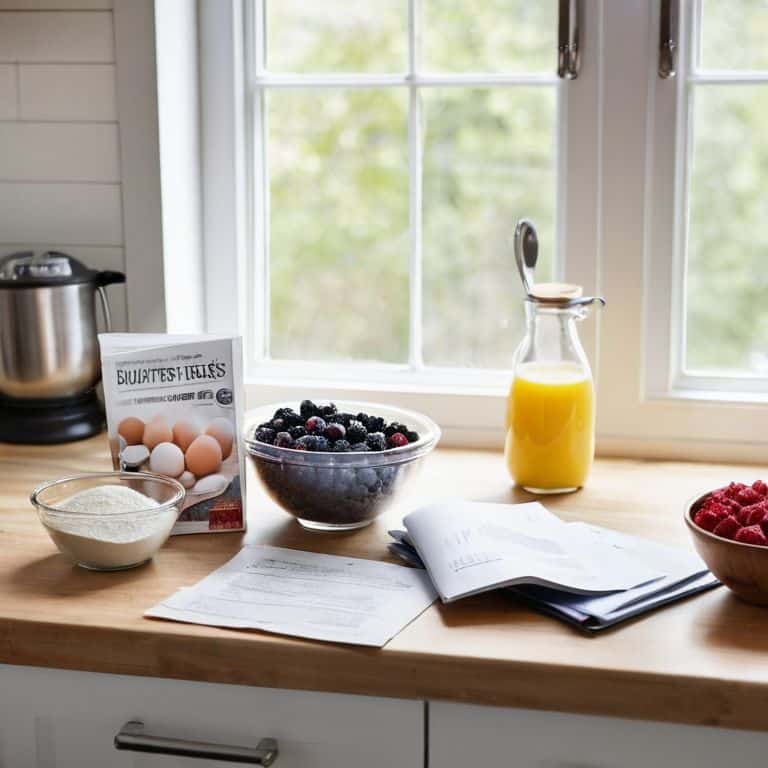
As I sit here, surrounded by the warm aroma of freshly baked bread and the worn pages of my favorite vintage cookbooks, I’m reminded of the common myth that a great recipe post is all about following a formula. But the truth is, a guide to writing a recipe post is not just about listing ingredients and instructions – it’s about sharing a piece of yourself and the story behind the dish. I’ve spent countless hours in bakeries, talking to pastry chefs and home bakers, and I’ve learned that the best recipe posts are the ones that make you feel like you’re sitting in the kitchen with the author, swapping stories and laughter.
So, what makes a recipe post truly shine? In this article, I’ll share my honest, no-hype advice on how to craft a recipe post that will make your readers feel like they’re part of the story. From the importance of high-quality images to the art of weaving a narrative around your recipe, I’ll take you through my favorite tips and tricks for creating a guide to writing a recipe post that will resonate with your audience. Whether you’re a seasoned food blogger or just starting out, my goal is to inspire you to share your passion for food and connect with others through the power of storytelling.
Table of Contents
- Guide Overview: What You'll Need
- Step-by-Step Instructions
- A Guide to Writing a Recipe Post
- Flour Dust and Fancy Footwork Food Blogging Tips
- Measuring Up Ingredient Accuracy and Seo Optimization
- Rising to the Occasion: 5 Essential Tips for Crafting a Compelling Recipe Post
- Baking Up Success: 3 Key Takeaways
- The Heart of the Recipe
- Bringing Your Recipe Story to Life
- Frequently Asked Questions
Guide Overview: What You'll Need
Total Time: 1 hour 30 minutes
Estimated Cost: $0 – $10
Difficulty Level: Easy
Tools Required
- Computer (with internet connection)
- Text Editor (such as Microsoft Word or Google Docs)
Supplies & Materials
- Recipe to Share (with ingredients and instructions)
- High-Quality Food Images (optional but recommended)
Step-by-Step Instructions
- 1. First, let’s start with the foundation of any great recipe post: a compelling story. This is where you get to share the inspiration behind your dish, whether it’s a family tradition, a cultural heritage, or a simple moment of culinary epiphany. I like to think of this as the _soul_ of the recipe, the thing that sets it apart from just another list of ingredients and instructions.
- 2. Next, you’ll want to craft a clear and concise recipe title that accurately reflects the dish you’re about to share. This is your chance to get creative and make your recipe stand out from the crowd, so don’t be afraid to think outside the box and come up with something truly unique. Consider using _action verbs_ like “bake,” “roast,” or “simmer” to add a sense of energy and movement to your title.
- 3. Now it’s time to talk ingredients, and this is where things can get really _interesting_. Instead of just listing off a bunch of dry ingredients and hoping for the best, try to think about the role each component plays in the overall dish. Are you using a special type of artisanal flour that adds a unique texture or flavor? Be sure to highlight that, and consider including a photo or two to illustrate your point.
- 4. With your ingredients in place, it’s time to move on to the instructions themselves. This is where you get to guide your readers through the process of bringing your recipe to life, so be sure to use clear and concise language that’s easy to follow. Consider breaking your instructions down into smaller, more manageable chunks, using _subheadings_ or step-by-step photos to help illustrate each point.
- 5. One of the most important things to keep in mind when writing a recipe post is the importance of _sensory details_. Instead of just telling your readers what to do, try to show them what the dish looks, smells, and tastes like at each stage of the process. This will help them connect with the recipe on a deeper level and feel more confident in their ability to reproduce it.
- 6. As you’re writing your recipe post, be sure to keep your target audience in mind. Are you writing for beginners, or are you assuming a certain level of culinary expertise? Either way, it’s a good idea to include a few _helpful tips_ or variations to make the recipe more accessible and fun for your readers.
- 7. Finally, don’t forget to include some beautiful, high-quality photos of your finished dish. This is the _pièce de résistance_ of your recipe post, the thing that will make your readers’ mouths water and inspire them to get into the kitchen and start cooking. Consider using natural light, props, and styling to add visual interest to your photos and make them truly unforgettable.
A Guide to Writing a Recipe Post
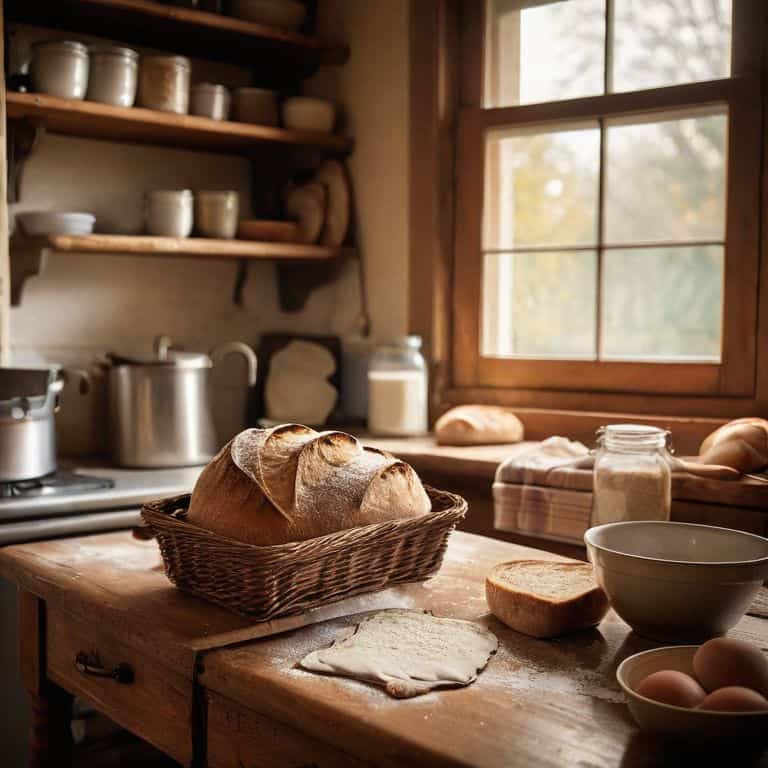
As I delved into the world of food blogging, I realized that crafting engaging recipe introductions is an art form in itself. It’s not just about listing ingredients and instructions, but about transporting your readers to a specific time and place. I’ve found that sharing personal anecdotes or the story behind a particular dish can make all the difference in drawing readers in. For instance, I once wrote about my grandmother’s famous sourdough recipe, and the response was overwhelming. Readers connected with the story, and it made the recipe feel more tangible and relatable.
When it comes to measuring ingredient accuracy, I’ve learned that it’s all about precision. A slight miscalculation can throw off an entire recipe, so it’s essential to double-check your measurements. I’ve started using a digital scale to ensure accuracy, and it’s made a world of difference in my baking. Additionally, providing recipe formatting best practices can help readers follow along with ease. I’ve found that breaking down complex recipes into smaller, manageable steps can make all the difference in user experience.
In terms of cooking technique explanations, I believe that it’s essential to provide clear and concise instructions. This is especially important for novice bakers who may be unfamiliar with certain techniques. By providing detailed explanations and accompanying photos, readers can gain a better understanding of the process and feel more confident in their abilities. Whether you’re a seasoned baker or just starting out, food blogging tips like these can help take your recipe posts to the next level.
Flour Dust and Fancy Footwork Food Blogging Tips
As I sit here, surrounded by the warm glow of my kitchen and the soft dust of flour, I’m reminded that food blogging is as much about the story as it is about the recipe. It’s the why behind the what, the passion that drives us to create and share. When crafting your recipe post, don’t be afraid to get personal – share the memories, the inspirations, and the mishaps that led you to this moment. Your readers will appreciate the authenticity, and your story will shine through in every detail.
For me, it’s about capturing the essence of the baking experience, from the feel of the dough beneath my hands to the aroma of freshly baked bread wafting through the air. By incorporating sensory details and anecdotes, you’ll transport your readers into the heart of your kitchen, making them feel like they’re right there with you, whipping up a storm.
Measuring Up Ingredient Accuracy and Seo Optimization
As I sit in my favorite bakery, surrounded by the warm aroma of freshly baked bread, I’m reminded that accuracy is key when it comes to ingredients. It’s not just about throwing together a list of components, but about telling a story with each measurement. I’ve learned from the best bakers that precision is what sets a good recipe apart from a great one. When writing your recipe post, make sure to double-check your ingredient quantities and units – it’s the difference between a culinary masterpiece and a disappointing flop.
By doing so, you’ll not only ensure that your readers can replicate your dish with ease, but also improve your post’s SEO optimization. Search engines love specific, detailed content, and accurate ingredient lists are no exception. So, take the time to get it right – your readers (and the algorithms) will thank you.
Rising to the Occasion: 5 Essential Tips for Crafting a Compelling Recipe Post
- Know Your Audience: Understand who you’re baking for and tailor your recipe post to their tastes and preferences
- Tell a Story: Weave a narrative around your recipe, sharing the inspiration, history, or personal anecdotes that make it special
- Measure Up: Ensure accuracy in your ingredient measurements and provide clear, step-by-step instructions to guarantee success
- Visual Feast: Use high-quality, mouthwatering images to showcase your dish and make your readers’ mouths water
- Season with Personality: Infuse your writing with your unique voice and style, making your recipe post a reflection of your passion and creativity
Baking Up Success: 3 Key Takeaways
As I sat down with Emma, the owner of Flour & Co., she shared with me the importance of telling the story behind each recipe, of weaving a narrative that transports readers to the heart of the bakery
Measuring ingredients with precision is not just about following a recipe, it’s about respecting the craft and the community that comes together over a warm loaf of bread, as I learned from my own experiments with sourdough
By focusing on the people and the stories, rather than just the ingredients and instructions, we can create recipe posts that inspire and ignite a passion for baking, much like my own journey from photographer to food blogger
The Heart of the Recipe
A great recipe post is not just a list of ingredients and instructions, but a doorway into the heart of a baker’s passion, a glimpse into the story that makes every loaf, every pastry, and every dessert a labor of love.
David Dunne
Bringing Your Recipe Story to Life

As we’ve explored the world of recipe writing, it’s clear that a great recipe post is about more than just listing ingredients and instructions. It’s about sharing your passion and crafting a story that draws readers in and makes them want to be a part of it. From the initial steps of planning and writing, to the final touches of editing and SEO optimization, every detail matters. By focusing on ingredient accuracy, clear instructions, and engaging storytelling, you can create a recipe post that not only inspires your readers but also reflects your unique voice and style.
So as you sit down to write your next recipe post, remember that you’re not just sharing a list of ingredients and instructions – you’re sharing a piece of yourself. Don’t be afraid to get creative, to experiment, and to let your passion shine through. With practice and patience, you’ll develop a style that’s all your own, and your readers will respond to the heart and soul you put into every post. Happy writing, and I look forward to seeing the amazing recipe stories you’ll tell!
Frequently Asked Questions
How can I make my recipe posts more engaging and story-driven?
For me, it’s all about weaving a narrative around the recipe. Share the story behind the dish, the inspiration, and the people involved. Add some beautiful, mouth-watering photos, and you’ll have your readers hooked. I like to think of it as inviting them into my kitchen, where the love and passion for baking come alive.
What are some tips for taking high-quality photos of my baked goods to include in my recipe posts?
For me, capturing the essence of a freshly baked loaf is all about natural light and storytelling. I swear by using a mix of lifestyle and detail shots to bring the recipe to life. Think rustic wooden backgrounds, vintage utensils, and a dusting of flour – it’s all about telling the story behind the bake.
How can I balance the need for detailed instructions with the desire to keep my recipe posts concise and easy to read?
For me, it’s all about striking a harmonious balance between brevity and detail. I like to think of it as the ‘sweet spot’ where clarity meets concision. Break down complex steps into bite-sized chunks, and use concise language to guide your readers through the recipe, all while keeping the passion and story alive.