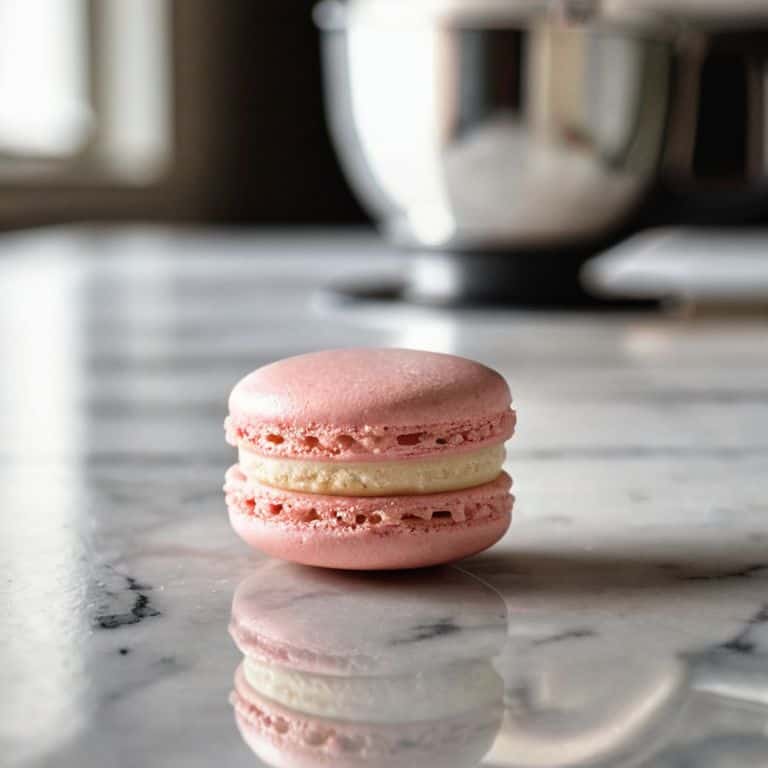
I still remember the first time I attempted to make macarons in my tiny Parisian apartment. It was a disaster – my meringue-based cookies were more like meringue-based fractures, with feet that resembled sad, flat disks. But I was determined to master the art of how to make macarons, and after months of trial and error, I finally cracked the code. The secret to success lies not in the recipe itself, but in the technique and attention to detail. As a pastry chef, I’ve seen far too many home bakers struggle with this very issue, and it’s time to set the record straight.
In this article, I’ll share my honest, no-hype guide on how to make macarons that are truly deserving of a Parisian patisserie. You’ll learn the essential tips and tricks for creating perfect, chewy meringue kisses, from the importance of aging your egg whites to the art of piping the perfect circle. By the end of this journey, you’ll be equipped with the knowledge and confidence to create stunning macarons that will impress even the most discerning palates. So, let’s get started on this macaron-making adventure, and discover the joy of creating something truly beautiful and delicious.
Table of Contents
Guide Overview: What You'll Need
Total Time: 2 hours 30 minutes
Estimated Cost: $20 – $40
Difficulty Level: Intermediate
Tools Required
- Stand Mixer (with whisk attachment)
- Piping Bag (with round tip)
- Oven (preheated to 300 degrees Fahrenheit)
- Sifter (for almond flour)
- Measuring Cups (dry and liquid)
- Electric Scale (for accurate measurements)
- Baking Sheet (lined with parchment paper, approximately 12 inches x 16 inches)
Supplies & Materials
- Almond Flour (1 1/2 cups)
- Confectioners Sugar (1 1/2 cups)
- Granulated Sugar (1 cup)
- Egg Whites (3 large eggs)
- Food Coloring (optional)
- Flavor Extracts (optional)
- Buttercream or Ganache Filling (for sandwiching macarons)
Step-by-Step Instructions
- 1. First, let’s start with the foundation of our macarons: the meringue-based cookie. To begin, preheat your oven to 300°F (150°C) and line a baking sheet with parchment paper. I like to use a template to ensure my macarons are evenly sized, but feel free to get creative with your designs.
- 2. Next, we’ll need to sift our almond flour to remove any lumps and ensure a smooth, even texture. This is a crucial step, as it will affect the overall appearance and consistency of your macarons. I recommend using a fine-mesh sieve or sifter to get the job done.
- 3. Now it’s time to make our French meringue. In a large mixing bowl, combine 1 1/2 cups (190g) of granulated sugar and 3 large egg whites. I like to use a stand mixer with a whisk attachment to make the process easier, but you can also do this by hand with a bit of elbow grease. Beat the mixture on medium-high speed until it becomes stiff and holds its shape.
- 4. With our meringue ready, it’s time to add the sifted almond flour and gently fold the mixture using a rubber spatula. Be careful not to overmix, as this can cause your macarons to become dense and chewy. Instead, aim for a smooth, lustrous batter that’s just combined.
- 5. Transfer the batter to a piping bag fitted with a round tip, and pipe small, round circles onto the prepared baking sheet. I like to use a template or guide to ensure my macarons are evenly sized, but feel free to experiment with different shapes and designs. Tap the baking sheet gently to remove any air bubbles and allow the macarons to rest at room temperature for 30 minutes.
- 6. After the macarons have rested, place the baking sheet in the preheated oven and bake for 15-20 minutes, or until the tops are firm and the edges are lightly golden brown. Remove the macarons from the oven and allow them to cool completely on the baking sheet. This is an important step, as it will help the macarons to develop their signature “feet”.
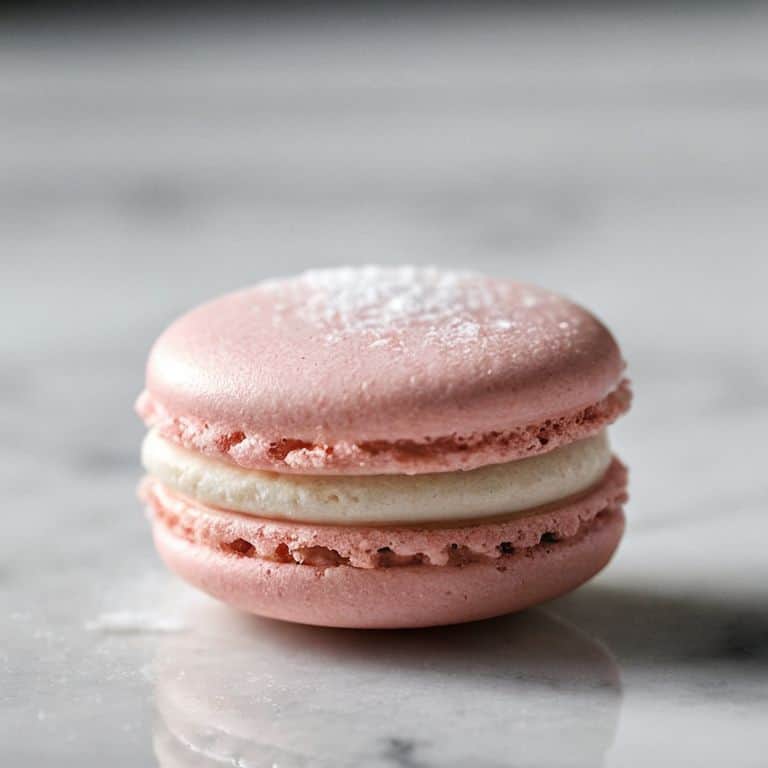
- 7. Once the macarons are cool, pair them up by size and shape, and prepare your favorite filling. I like to use a simple buttercream or ganache, but feel free to get creative with your flavor combinations. Sandwich a small dollop of filling between two macaron shells and gently press them together to create a beautiful, delicate sandwich cookie.
Mastering Macaron Magic
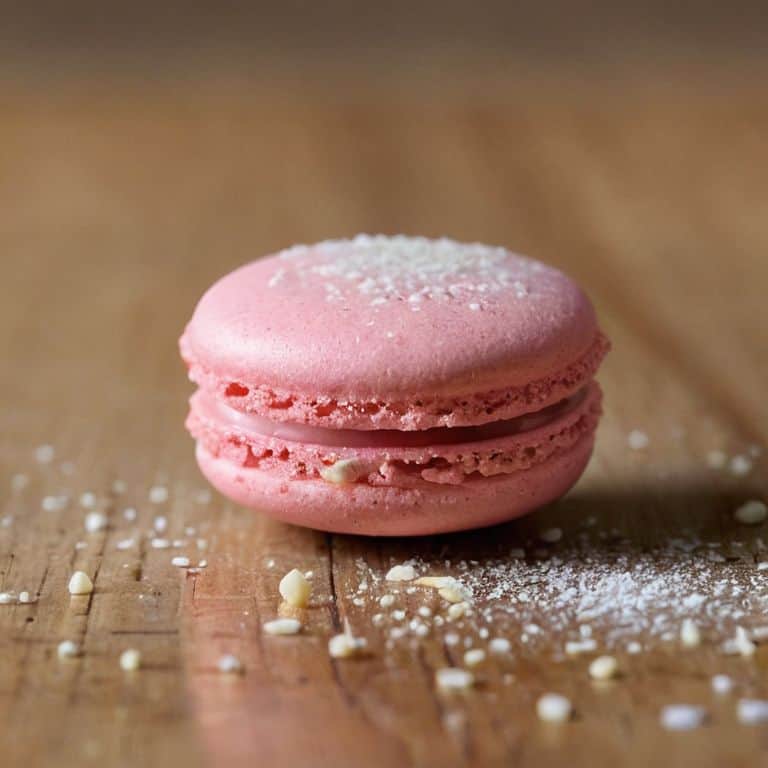
As we delve deeper into the world of macarons, it’s essential to understand the french meringue technique that sets these delicate meringue-based cookies apart. To achieve the perfect macaron shell, one must balance the ratio of almond flour to sugar, ensuring a smooth, rounded shape. I find that aging egg whites for macarons can significantly improve the stability and structure of the meringue, resulting in a more consistent bake.
When it comes to filling flavors, the possibilities are endless, but some common macaron filling flavors include rich chocolate, fruity raspberry, and creamy lemon. However, the key to a well-crafted macaron lies in the balance between the shell and the filling. Troubleshooting macaron feet can be a challenge, but with practice and patience, you’ll be able to identify and adjust the factors that affect this crucial aspect of macaron morphology.
To take your macaron game to the next level, consider experimenting with different macaron shell recipes and paying close attention to the macaron baking temperature guide. By doing so, you’ll develop a keen sense of how to coax the perfect texture and flavor from your ingredients, and your baked goods will be all the more stunning for it. With time and dedication, you’ll be able to create macarons that are truly magical, with a delicate crunch giving way to a soft, chewy center.
Troubleshooting Macaron Feet Secrets
The elusive perfect macaron foot – it’s a common challenge many of us face. To achieve those coveted ruffled edges, it’s essential to focus on the aging process of your egg whites. I always advise my students to let their egg whites sit at room temperature for at least 24 hours to allow the proteins to relax, making them more receptive to incorporating air. Additionally, be gentle when folding your meringue, as overmixing can lead to dense, flat macarons.
By paying close attention to these details, you’ll be well on your way to crafting macarons with beautifully formed feet. Remember, practice makes perfect, so don’t be discouraged if it takes a few batches to get it just right. With patience and persistence, you’ll unlock the secrets to creating stunning, professional-grade macarons that will impress even the most discerning palates.
Unlocking French Meringue Technique
To truly elevate your macarons, it’s essential to grasp the nuances of French meringue technique. This is where the magic happens, and your delicate meringue-based cookies transform into chewy, fluffy masterpieces. I always say that the key to a perfect French meringue lies in the simplicity of its ingredients and the precision of its preparation. It’s all about creating a stable foam that can hold its shape, while still maintaining a delicate, tender texture.
As I sketch out my macaron designs, I’m always thinking about the balance of flavors and textures that will come together in each delicate cookie. By mastering the French meringue technique, you’ll be able to craft macarons that are not only visually stunning but also a delight to the palate. With a little practice and patience, you’ll be well on your way to creating your own edible art, one perfectly piped meringue kiss at a time.
Macaron Mastery: 5 Essential Tips for Success
- Use aged egg whites: Allow your egg whites to sit at room temperature for 24-48 hours to reduce moisture and improve stability
- Select the right almond flour: Opt for finely ground, blanched almond flour to ensure smooth, even macaron shells
- Maintain a consistent temperature: Keep your kitchen at a stable temperature between 65-75°F (18-24°C) to prevent macarons from becoming too sticky or dry
- Don’t overmix the batter: Fold your ingredients just until combined, as overmixing can lead to dense, chewy macarons
- Tap out air pockets: Gently tap your baking sheet on the counter to remove any air pockets and ensure perfectly rounded macaron feet
Essential Macaron Mastery Takeaways
Mastering the art of French meringue is crucial for achieving the perfect macaron feet, and it’s all about understanding the science behind egg whites and sugar
Troubleshooting common issues like lumpy batter or uneven shell sizes is key to unlocking consistent results, and it often comes down to factors like ingredient quality and aging time
Practice and patience are essential for developing the skills and intuition needed to create truly exceptional macarons, so don’t be discouraged by initial failures – every batch is an opportunity to refine your technique and push the boundaries of this delicate, chewy art form
The Macaron Muse
To craft the perfect macaron, one must balance technique and intuition, much like a painter dances between color and light – it’s a delicate waltz of art and science that yields a delicate, chewy masterpiece.
Alison Lawson
The Sweet Reward of Perfection
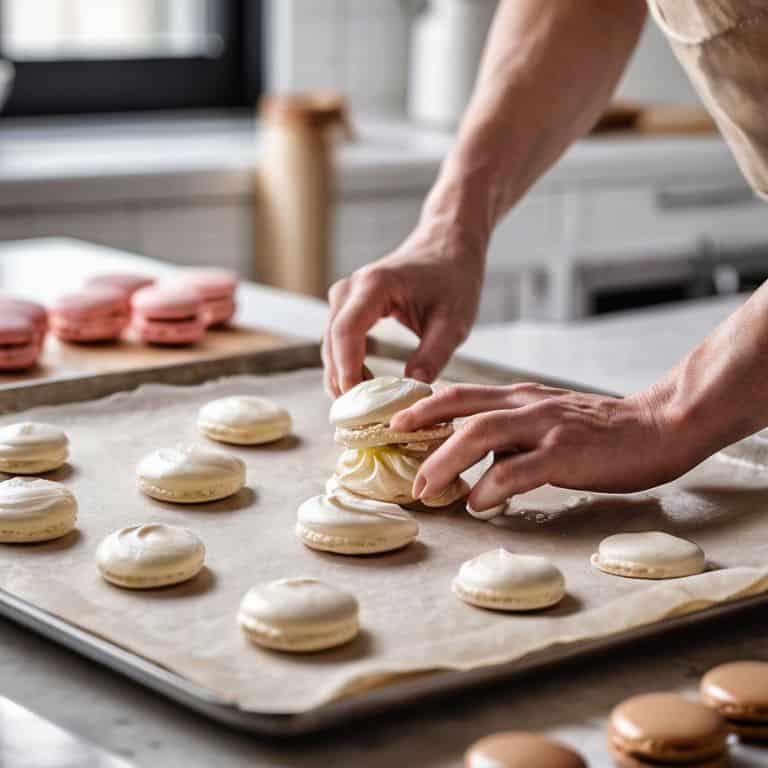
As we conclude our journey to mastering the art of macarons, let’s recap the essential elements that will elevate your baking: from the initial preparation of ingredients to the delicate balance of the French meringue technique. Precision is key, and understanding how to troubleshoot common issues, such as the development of perfect macaron feet, will set you apart. By following these steps and dedicating time to practice, you’ll be well on your way to creating exquisite, delicate meringue-based confections that impress both in taste and presentation.
Now, as you embark on your own macaron-making adventures, remember that the true beauty of baking lies not just in the final product, but in the process itself. Experimentation and creativity are encouraged, so don’t be afraid to try new flavors and designs. With every batch, you’ll refine your skills, and soon, you’ll be crafting macarons that are not only delicious but also visually stunning, a true testament to the art of modern baking.
Frequently Asked Questions
What is the ideal aging time for egg whites to achieve the perfect meringue-based macaron?
For perfect meringue-based macarons, I swear by aging egg whites for at least 24 to 48 hours. This allows the proteins to break down, resulting in a more stable meringue that’s less likely to collapse. Trust me, the wait is worth it – your macarons will thank you!
How do I ensure that my macarons develop the signature 'feet' at the bottom?
To develop those signature ‘feet,’ ensure your batter is at the perfect consistency, not too thick or too thin. As you pipe, tap the baking sheet gently to remove air bubbles, then allow the macarons to rest and form a skin. This will help the feet develop beautifully as they bake, giving your macarons that coveted, delicate base.
Can I substitute almond flour with other types of flour, such as coconut or oat flour, in a macaron recipe?
While I adore experimentation, I must advise against substituting almond flour with coconut or oat flour in macarons. Almond flour’s unique texture and fat content are crucial to the delicate balance of these meringue-based cookies. Coconut and oat flours have distinct properties that may disrupt the macaron’s signature “foot” and texture, so it’s best to stick with traditional almond flour for optimal results.