As a master pastry chef, I’ve seen my fair share of meringue mishaps. The age-old debate between Italian vs French vs Swiss meringue has left many a home baker bewildered. I recall a particularly frustrating session in my own kitchen, where I spent hours perfecting a French meringue, only to have it collapse into a sad, sticky mess. It was then that I realized the importance of understanding the nuances between these three techniques. The italian vs french vs swiss meringue dilemma is one that plagues even the most seasoned bakers, and it’s time to set the record straight.
In this article, I promise to cut through the noise and provide you with honest, experience-based advice on navigating the world of meringue. I’ll share my own trials and tribulations, as well as the hard-won lessons I’ve learned from years of working in high-end kitchens. My goal is to empower you with the knowledge and confidence to tackle even the most daunting meringue-based desserts. So, let’s dive in and explore the world of Italian vs French vs Swiss meringue, and discover which technique is right for you.
Table of Contents
Italian Meringue
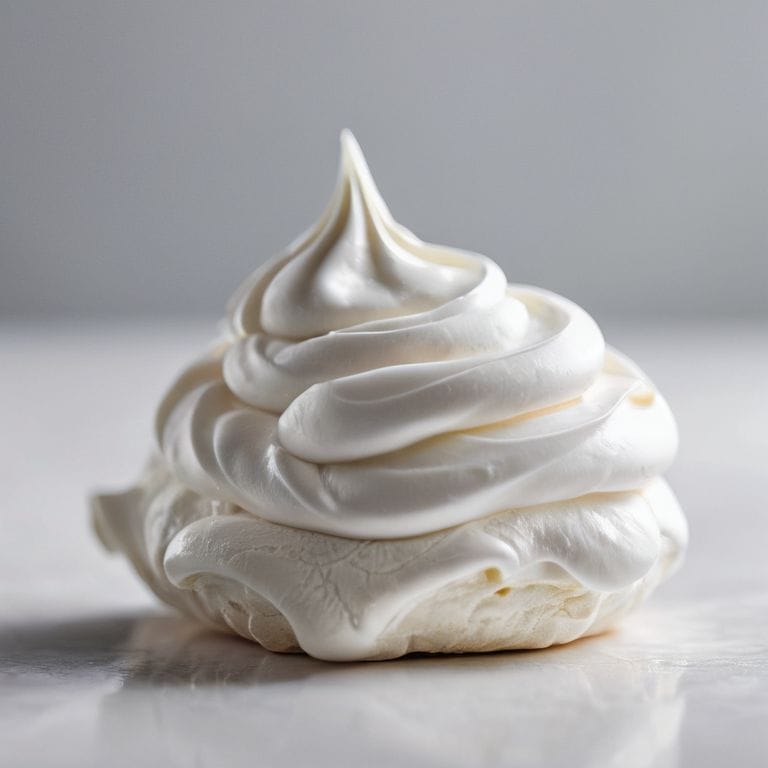
Italian meringue is a type of meringue that is made by slowly pouring a hot sugar syrup into egg whites while they are being whipped, creating a stable foam. This method is prized for its ability to produce a smooth, shiny meringue with a high volume, making it ideal for desserts like meringue-based cakes and tortes. The main selling point of Italian meringue is its _versatility_ in both hot and cold desserts.
I still remember the first time I successfully made an Italian meringue – it was like _magic_ happened in my kitchen. The way the hot syrup transformed the egg whites into a fluffy, yet rock-solid foam, was nothing short of amazing. As a pastry chef, I can attest that Italian meringue is a game-changer, especially when it comes to creating intricate designs and structures that hold their shape. The key to mastering Italian meringue lies in the precise temperature control of the sugar syrup, which is what sets it apart from other types of meringue.
French Meringue
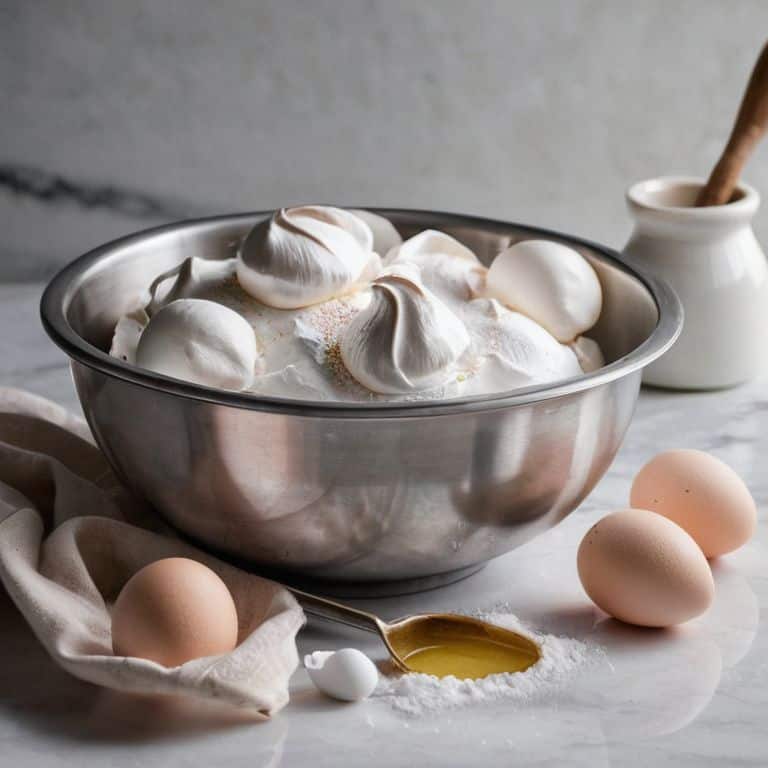
French meringue is a type of meringue that is made by whipping egg whites and granulated sugar together until they form a stiff, glossy peak, relying on the whipping action to incorporate air. This method is known for its simplicity and speed, making it a popular choice for home bakers and professional pastry chefs alike. The main advantage of French meringue is its _ ease of preparation_, as it requires minimal equipment and ingredients.
As a chocolatier, I have a deep appreciation for the art of French meringue, which is all about balancing sweetness and texture. When done correctly, French meringue can be a _delicate_ and _crisp_ element in desserts, providing a beautiful textural contrast to rich and creamy components. However, I must admit that French meringue can be finicky, and its success depends on factors like humidity and egg white freshness, making it a challenging but rewarding technique to master. With practice and patience, anyone can become a French meringue expert and create stunning desserts that impress.
Meringue Methods Comparison
| Feature | Italian Meringue | French Meringue | Swiss Meringue |
|---|---|---|---|
| Price | Moderate | Low | Moderate |
| Key Feature | Stable, safe for hot sugar | Light, airy, but risky for hot sugar | Stable, easy to prepare |
| Best For | Large batches, professional use | Small batches, home baking | All-purpose, especially for beginners |
| Sugar Syrup Requirement | Yes, hot sugar syrup | No, granulated sugar | Yes, warm sugar syrup |
| Risk of Weeping | Low | High | Low |
| Ease of Preparation | Moderate | Easy | Easy |
| Volume and Stability | High, very stable | High, less stable | Medium to high, stable |
Meringue Mayhem Italian vs French vs Swiss
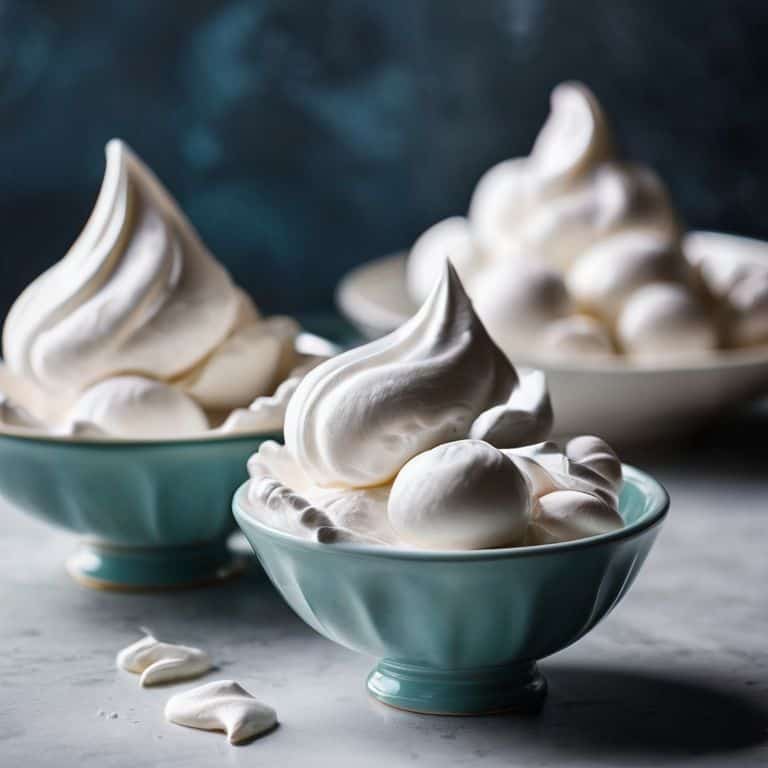
When it comes to meringue, temperature control is crucial, and this is where the Italian, French, and Swiss methods diverge. The reason this matters is that it directly affects the stability and texture of the final product. As a chocolatier, I can attest that a perfectly tempered meringue can make all the difference in a dessert’s overall presentation and taste.
In a head-to-head analysis, Italian meringue stands out for its heat-stable properties, thanks to the hot sugar syrup that’s whipped into the egg whites. This method is ideal for applications where the meringue will be exposed to high temperatures, such as in baked Alaska or lemon meringue pie. On the other hand, French meringue is more prone to weeping or shrinking due to its lower sugar content and lack of heat stabilization.
However, when it comes to ease of preparation, Swiss meringue takes the lead. Its unique method of heating the egg whites and sugar together in a double boiler before whipping creates a more stable foam that’s less likely to collapse. After careful consideration, I declare Italian meringue the winner in this category due to its exceptional heat resistance and versatility in high-temperature applications.
Three Essential Lessons from the Meringue Wars
I’ve found that mastering the art of Italian meringue is all about precision temperature control – it’s the key to achieving that perfect, stable foam that can elevate any dessert
The French meringue method, on the other hand, is a lesson in the importance of patience and gradual incorporation of air – it’s a technique that requires finesse, but yields a delicacy that’s hard to match
Ultimately, whether you’re working with Italian, French, or Swiss meringue, the real secret to success lies in understanding the ‘why’ behind each technique, and being willing to experiment and adapt until you find the approach that works best for you and your craft
The Meringue Maverick's Verdict
The true test of a pastry chef’s mettle lies not in the tools or the techniques, but in the nuances of temperature, texture, and timing – and it’s here that Italian, French, and Swiss meringue methods are separated by more than just geography, but by the very soul of the craft.
Juliette Le Roux
The Final Verdict: Which Meringue Reigns Supreme?
As I conclude this meringue mayhem, it’s clear that each type has its unique strengths and weaknesses. The Italian meringue offers stability and durability, making it a favorite among professional pastry chefs. The French meringue, on the other hand, is a masterclass in minimalist elegance, perfect for those who want a light-as-air texture. Meanwhile, the Swiss meringue brings a certain whipped wonder to the table, with its smooth, creamy finish. But which one should you choose?
Ultimately, the best meringue for you depends on your baking style and goals. If you’re a perfectionist looking for a sturdy base for your show-stopping desserts, Italian meringue is the way to go. For creative freedom and a delicate touch, French meringue is your best bet. And if you’re a busy bee who wants a reliable, easy-to-make meringue, Swiss is the perfect choice. As for me, I’m declaring Italian meringue the overall winner, but only by a hair – each type has its own unique charm, and the right choice will depend on your personal baking journey.
Frequently Asked Questions
What are the most common mistakes to avoid when making Italian, French, and Swiss meringue to ensure stability and texture?
To achieve stability and texture, avoid over-mixing, which deflates the meringue, and under-baking, which leaves it soggy. For Italian meringue, don’t over-heat the sugar syrup. For French, don’t over-whip the eggs. And for Swiss, ensure the egg whites and sugar reach exactly 160°F for stable foam formation. Temperature is key, my friends!
How do the different sugar ratios and cooking methods in Italian, French, and Swiss meringue affect the final flavor and crispiness of the meringue?
The sugar ratio and cooking method are crucial. Italian meringue, with its higher sugar content and hot sugar syrup, yields a crisper exterior and chewier interior. French meringue, with granulated sugar, is more delicate. Swiss meringue, cooked with sugar, is smooth and stable. Temperature control is key to achieving perfect texture and flavor.
Can I substitute or combine elements of Italian, French, and Swiss meringue methods to create a hybrid that suits my specific baking needs or preferences?
While I appreciate the creativity, I must advise against combining methods willy-nilly. However, with a deep understanding of each technique, you can carefully substitute or merge elements to create a hybrid that suits your needs. For instance, using Italian meringue’s stability with French meringue’s versatility can yield exciting results, but precision and temperature control are key to success.