I still remember the first time I attempted to make a butter block for croissants – it was a disaster. The layers were uneven, the butter was too soft, and the whole thing fell apart in the oven. But that’s because I was following the common myth that making a butter block is all about slapping some butter between two pieces of dough. The truth is, learning how to make a butter block for croissants requires precision, patience, and a deep understanding of the nuances of temperature and texture.
As you read this article, you’ll discover the secrets to crafting the perfect butter block, from the importance of using high-quality ingredients to the technique of laminating the dough to create those flaky, tender layers. I’ll share my personal tips and tricks for getting it just right, and by the end of it, you’ll be equipped with the knowledge and confidence to create butter blocks that will elevate your croissants to new heights. Whether you’re a seasoned baker or just starting out, this guide will walk you through the process of how to make a butter block for croissants with ease and precision, and I promise you, the results will be well worth the effort.
Table of Contents
Guide Overview: What You'll Need
Total Time: 1 hour 15 minutes
Estimated Cost: $10 – $20
Difficulty Level: Easy
Tools Required
- Stand Mixer (with a pastry dough hook attachment)
- Digital Scale (for accurate measurements)
- Butter Softening Tool (or a rolling pin)
- Pastry Brush (for egg wash)
- Ruler (for measuring 6 inches by 6 inches blocks)
Supplies & Materials
- European Style Butter (high quality, with 82% fat content)
- All Purpose Flour (for dusting)
- Egg (for egg wash)
- Parchment Paper (for wrapping the butter block)
- Plastic Wrap (for storing the butter block in the refrigerator)
Step-by-Step Instructions
- 1. First, let’s start with the foundation of our butter block: high-quality butter. I only use European-style, high-fat butter for my croissants, as it provides a richer flavor and flakier texture. Make sure to take your butter out of the fridge and let it sit at room temperature for about 30 minutes to soften it slightly.
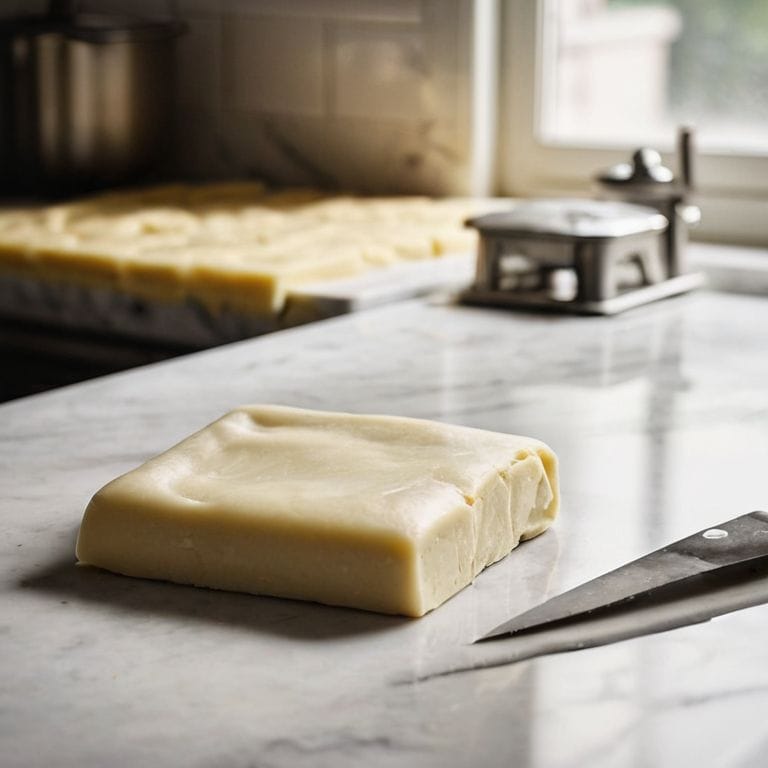
- 2. Next, we need to prepare our workspace. I like to work on a _marble surface_, as it stays cool and helps to keep my butter from melting. If you don’t have a marble surface, you can use a lightly floured surface or a piece of parchment paper. Just make sure it’s clean and dry, as any moisture can affect the texture of your butter block.
- 3. Now, let’s get started on our butter block. Take your softened butter and place it on your prepared surface. Use a _light touch_ to begin shaping the butter into a rough rectangle, about 1/2 inch thick. Don’t worry too much about the shape at this stage, as we’ll be refining it later.
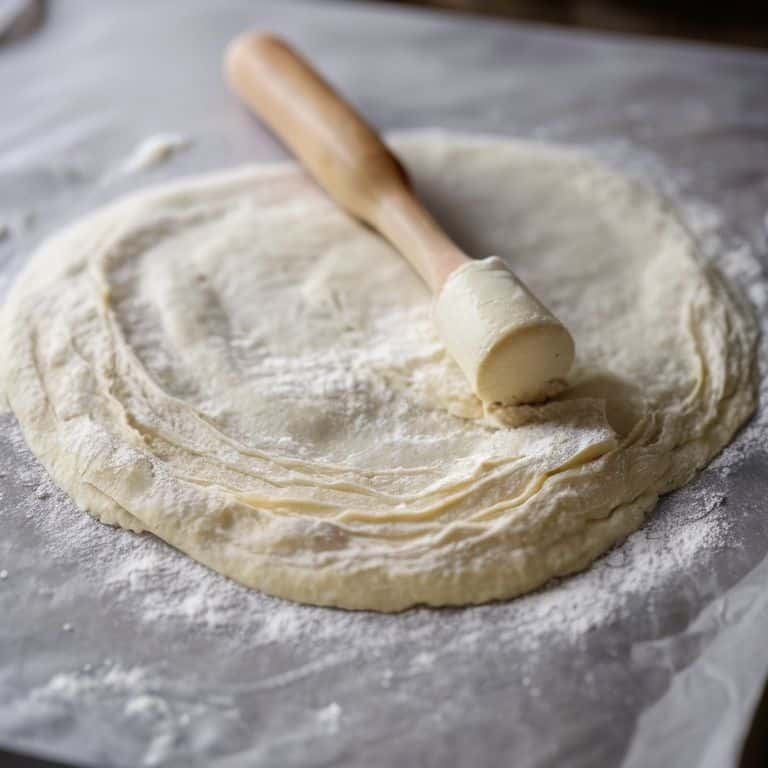
- 4. To create the layers in our croissants, we need to laminate the butter. This means folding and rolling the butter to create thin layers of butter and dough. To start, use a rolling pin to roll out the butter to a thickness of about 1/4 inch. Make sure to apply even pressure and keep your rolling pin _well-floured_ to prevent the butter from sticking.
- 5. Once you’ve rolled out the butter, use a pastry scraper or a _sharp knife_ to trim the edges and create a neat rectangle. This will help you achieve a uniform shape and prevent any excess butter from melting during the baking process.
- 6. Now it’s time to chill our butter block. Wrap it tightly in plastic wrap and place it in the fridge for at least 30 minutes to firm up. This step is crucial, as it will help the butter to hold its shape and create a flaky texture in your croissants.
- 7. After the butter block has chilled, remove it from the fridge and let it sit at room temperature for about 10 minutes. This will help it to soften slightly and become more pliable. Then, use your rolling pin to roll out the butter block to the desired thickness, usually about 1/4 inch. Make sure to apply even pressure and keep your rolling pin _well-floured_ to prevent the butter from sticking.
- 8. Finally, your butter block is ready to use in your croissant recipe. Remember to handle the butter gently, as excessive pressure or warmth can cause it to melt and become difficult to work with. With a little practice and patience, you’ll be creating beautiful, flaky croissants in no time.
Butter Block Secrets

As I delve deeper into the world of croissant making, I’ve come to realize that the butter block technique is what sets exceptional pastry chefs apart from the rest. It’s all about creating a harmonious balance between the dough and the butter, allowing for a perfect layering of butter in pastry. This delicate process requires patience, precision, and a deep understanding of how temperature control affects the laminating process.
One of the most common mistakes I see in croissant dough recipes is the failure to maintain a consistent temperature. This can lead to a dense, rather than flaky, texture. To avoid this, I always emphasize the importance of temperature control for laminating, ensuring that both the dough and butter are at the ideal temperature before beginning the layering process. By doing so, you’ll be able to achieve a beautiful, flaky croissant that’s sure to impress even the most discerning palates.
When it comes to puff pastry vs croissant dough, the key difference lies in the layering of butter. While puff pastry relies on a single layer of butter, croissant dough requires a more intricate process of folding and layering. This is where the butter block technique comes into play, allowing for a precise and controlled distribution of butter throughout the dough. By mastering this technique, you’ll be able to create croissants that are truly flaky and tender, with a richness that’s hard to resist.
Croissant Dough Temperature Control
To truly master the art of laminating, you must also consider the temperature of your croissant dough. I always say that temperature is the unsung hero of pastry-making. When your dough is at the ideal temperature, around 75°F to 78°F (24°C to 25°C), it will be more receptive to the layers of butter. Any colder, and the dough will be too rigid; any warmer, and it will become too soft and prone to tearing. By controlling the temperature, you ensure that your dough and butter block are in perfect harmony, allowing for the creation of those beautifully flaky, tender layers that make a croissant truly exceptional.
Laminating Like Grand Mre
Laminating is where the magic happens, and I still remember my grand-mère’s wise words: “Juliette, the key to flaky, tender croissants is in the layers.” She’d gently fold and roll the dough, her hands moving with a precision that came from years of practice. I’ve found that maintaining a consistent temperature, around 18°C to 20°C, is crucial for successful lamination. This allows the butter to remain firm, yet pliable, as you roll and fold the dough. By doing so, you create the perfect environment for the layers to develop, resulting in a croissant that’s both crispy and airy.
Butter Block Essentials: 5 Tips to Elevate Your Croissants
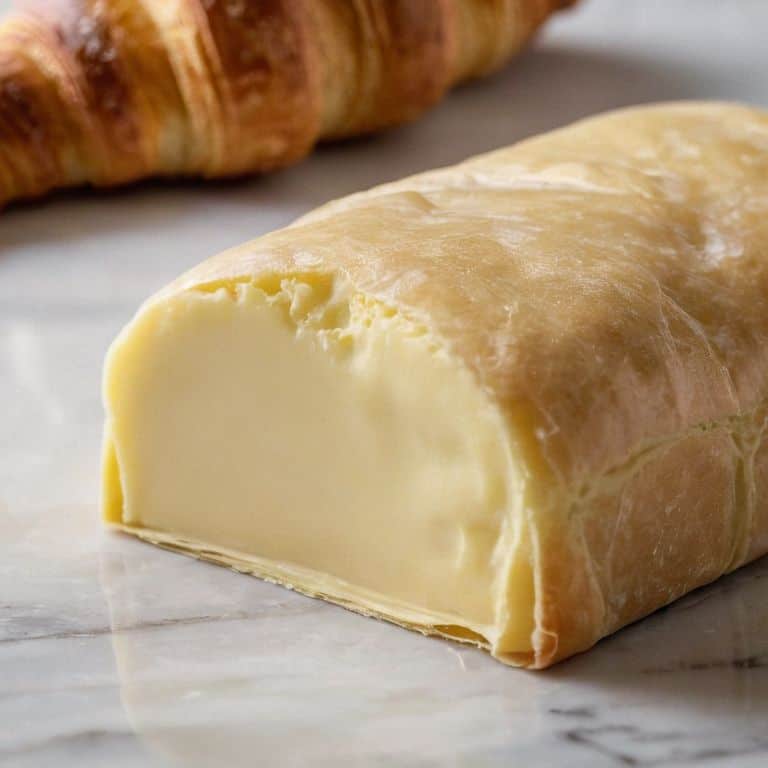
- Keep your butter at a precise 18°C to 20°C for optimal pliability and layering
- Use a high-quality, European-style butter with a high fat content for the best flavor and texture
- Maintain a consistent dough temperature between 22°C and 24°C to ensure even proofing and layering
- Handle the dough gently but confidently, as over-working can lead to a dense, tough crumb
- Rest your butter block in the refrigerator for at least 30 minutes before rolling to allow the layers to set and relax
Mastering the Art of Butter Blocks: 3 Key Takeaways
Maintaining precise temperature control is crucial for successful lamination, as it affects the dough’s elasticity and the butter’s pliability, ultimately influencing the final texture and layering of your croissants
Properly preparing the butter block, with a focus on achieving the perfect balance of softness and firmness, is essential for creating the delicate, flaky layers that define a truly exceptional croissant
By adopting a meticulous approach to measuring, mixing, and tempering, and by embracing the art of patience in the laminating process, home bakers can elevate their craft and produce croissants that rival those of professional pastry shops
The Heart of Croissant Perfection
A perfectly crafted butter block is not just a technical exercise, it’s the whisper of promise that with every layer, every fold, and every temperature check, you’re not just making pastry, you’re making memories – and that, my friends, is the true secret to a croissant that touches the soul.
Juliette Le Roux
The Perfect Fold: A Masterclass Conclusion
As we conclude our journey to create the perfect butter block for croissants, let’s recap the essential steps we’ve covered: from preparing the dough and butter to the delicate process of laminating, and of course, the crucial aspect of temperature control. Understanding how to balance these elements is what sets a good croissant apart from a truly exceptional one. Remember, the key to a flaky, tender pastry lies not just in the ingredients, but in the precision and care with which you handle them. Whether you’re a seasoned baker or just starting out, mastering the butter block is a skill that will elevate your baking to new heights.
Now, as you embark on your own pastry adventures, I encourage you to view each challenge as an opportunity to refine your craft. Perfection is a pursuit, not a destination, and it’s the small, meticulous details—like the perfect fold or the ideal temperature—that will make your pastries truly shine. Don’t be discouraged by setbacks or less-than-perfect attempts; instead, use them as stepping stones to improve and innovate. With practice, patience, and a commitment to excellence, you’ll find that the art of creating a butter block for croissants is not just about baking; it’s about the journey towards culinary mastery.
Frequently Asked Questions
What is the ideal temperature for the butter and dough when making a butter block for croissants?
For a perfect butter block, I insist on precise temperatures. The butter should be around 18°C to 20°C, while the dough should be at 22°C to 24°C. This harmony is crucial, as it allows for optimal lamination and, ultimately, flaky, tender croissants. Trust me, temperature control is the foundation of a superior butter block.
How do I ensure that my butter block is evenly layered and laminated to achieve the perfect flaky texture?
To achieve those gorgeous, even layers, I swear by a precise folding technique and a keen eye on temperature. Keep your butter block chilled, around 18°C, and fold with a gentle yet firm touch, ensuring each layer is evenly distributed. Think of it as a delicate dance, where every move counts.
Can I use salted butter or does it need to be unsalted to make a successful butter block for croissants?
For a butter block, I only use unsalted butter – the salt can affect the yeast’s activity and the lamination process. Trust me, it’s not worth the risk. Unsalted butter is the safer choice, and with precise temperature control, you’ll be rewarded with flaky, tender croissants that melt in your mouth.