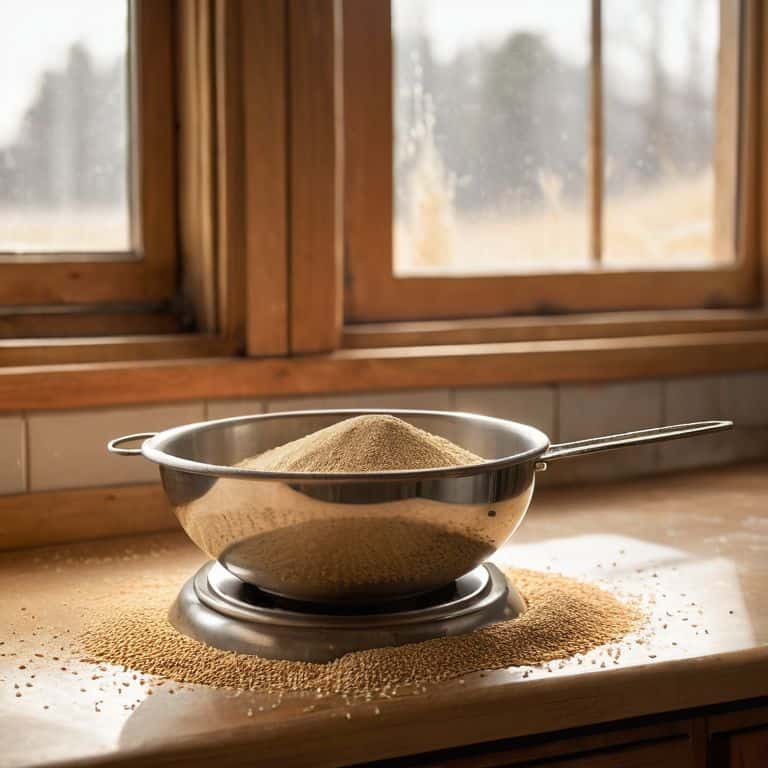
I still remember the countless times I’ve seen home bakers and even professional pastry chefs overcomplicate the difference between a sifter and a sieve. It’s astonishing how a simple concept can be shrouded in mystery, leading to unnecessary frustration and subpar results. The truth is, understanding the difference between a sifter and a sieve is not rocket science, but rather a fundamental aspect of baking that can make or break the texture and consistency of your final product. I’ve lost count of how many times I’ve had to correct this misconception in my masterclasses, and it’s time to set the record straight.
As someone who’s spent years perfecting the art of pastry-making, I’m committed to sharing my knowledge with you in a clear, no-nonsense manner. In this article, I’ll guide you through the practical applications of sifters and sieves, highlighting the key differences and explaining how to choose the right tool for the job. My goal is to empower you with the knowledge and confidence to take your baking to the next level, without getting bogged down in unnecessary complexity. By the end of this journey, you’ll be equipped with the skills to elevate your craft and create stunning desserts that showcase your unique touch.
Table of Contents
Sifting Truths Revealed
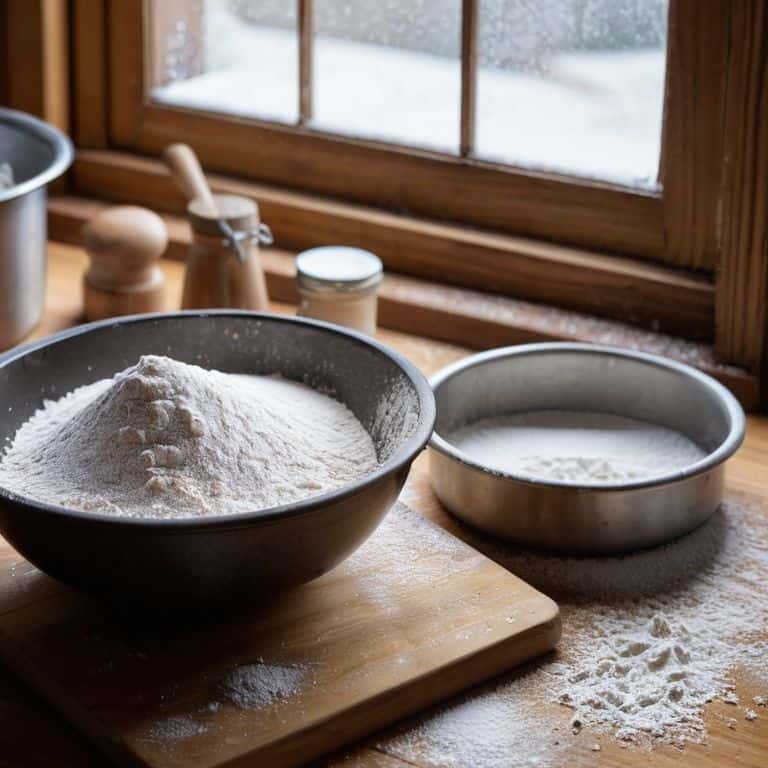
As I delved deeper into the world of baking, I discovered that types of sifters for baking can greatly impact the final product. From manual to electric, each type has its own unique characteristics that can make or break a recipe. I recall a particularly memorable experience where I used a wrong sifter, resulting in a dense and unpleasant cake. It was a hard lesson to learn, but it taught me the importance of choosing the right tool for the job.
In my pastry kitchen, I always emphasize the need for best practices for sifting flour. It’s not just about throwing some flour into a sifter and hoping for the best. No, there’s an art to it, a technique that requires patience and attention to detail. I’ve seen many novice bakers skip this step or do it haphazardly, only to end up with inconsistent results. By taking the time to properly sift flour, you can ensure that your baked goods turn out light, fluffy, and full of life.
When it comes to maintaining my baking equipment, I’m quite meticulous. Regular sifter and sieve maintenance is crucial to prevent clogs and ensure that your tools continue to function properly. It’s a simple yet often overlooked step that can make all the difference in your baking journey. Whether you’re a seasoned pro or just starting out, taking care of your equipment is essential to producing high-quality baked goods.
Best Practices for Sifting Flour Like Pro
To achieve the perfect blend, I always stress the importance of gentle handling when sifting flour. This means using a light touch to incorporate air and remove lumps, rather than applying too much pressure which can compress the flour and lead to uneven textures.
When it comes to the actual sifting process, I recommend using the right tool for the job. A fine-mesh sieve or a dedicated sifter is essential for removing lumps and aerating the flour, allowing for a more even distribution of ingredients and a lighter final product.
Unraveling Sieve vs Strainer Mysteries
As I delve into the world of sieves and strainers, I’ve come to realize that the terms are often used interchangeably, but there’s a subtle distinction. Precision is key when deciding which tool to use, as it can affect the final texture and consistency of your baked goods. A sieve is typically used for dry ingredients, like flour or sugar, to remove lumps and aerate the mixture.
In contrast, a strainer is usually employed for liquids or semi-solids, like custards or sauces, to separate solids from liquids. This difference may seem minor, but it’s crucial in achieving the desired outcome in your recipes. By choosing the right tool, you’ll be able to refine your techniques and take your baking to the next level.
The Difference Between a Sifter
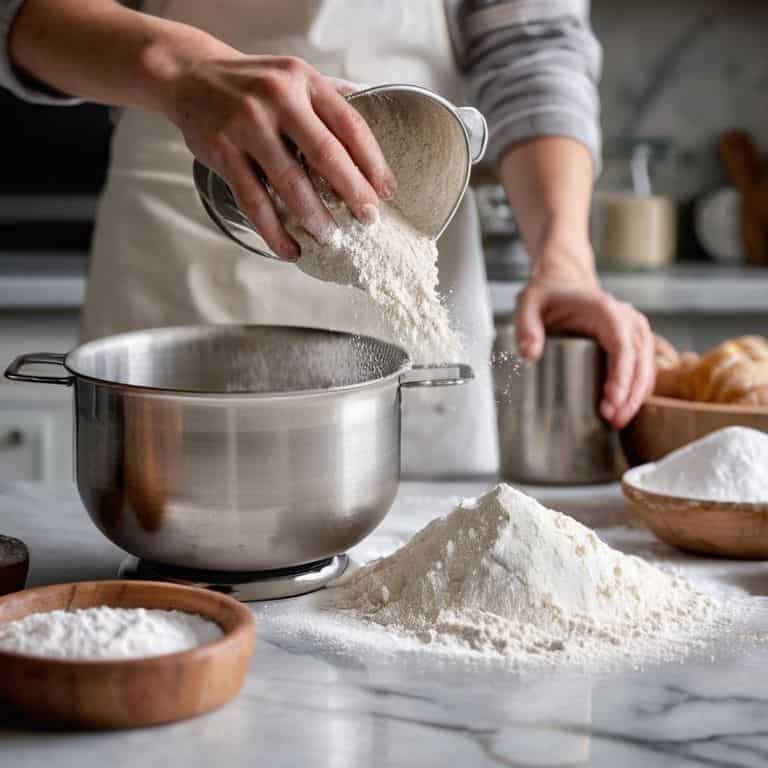
As I delve into the world of baking, I’ve come to realize that understanding the nuances of types of sifters for baking is crucial for achieving perfection. A sifter, in essence, is a tool designed to aerate and measure ingredients with precision. In my experience, using the right sifter can make all the difference in the texture and consistency of the final product. I recall a particularly challenging recipe that required me to sift flour multiple times to achieve the desired lightness – it was a tedious process, but the end result was well worth it.
When it comes to sieve vs strainer, many bakers use the terms interchangeably, but I’ve found that there are subtle differences between the two. A sieve is typically used for more coarse ingredients, while a strainer is better suited for finer particles. This distinction may seem minor, but it can greatly impact the outcome of a recipe. In my masterclasses, I always emphasize the importance of best practices for sifting flour, as it can make or break the texture of a cake or pastry.
In my kitchen, I have a collection of sifters that I’ve accumulated over the years, each with its own unique characteristics and purposes. From fine-mesh sieves to rotary sifters, I’ve learned to appreciate the history of sieves in cooking and the evolution of baking equipment. Regular sifter and sieve maintenance is also essential to ensure that these tools continue to perform optimally. By investing in quality baking equipment essentials, home bakers can elevate their craft and produce professional-grade results.
History of Sieves in Cooking Uncovered
As I delve into the world of sieves, I’m reminded of my visits to ancient cacao plantations, where I saw primitive sieves made from woven reeds. The evolution of sieves has been a fascinating journey, from these rudimentary tools to the sophisticated, fine-mesh sieves we use today in our kitchens.
In the early days of pastry-making, sieves were a crucial tool for separating coarse particles from finer ones, ensuring a smooth texture in baked goods. I recall a particularly memorable experience in Belgium, where I learned the art of tempering chocolate using a traditional sieve to remove any impurities, resulting in a silky, smooth finish.
Sifter and Sieve Maintenance Essentials
To ensure your sifter and sieve remain in pristine condition, it’s crucial to practice regular cleaning. A gentle scrub with soap and warm water can work wonders, but be sure to dry them thoroughly to prevent any rust or water spots. This simple habit can extend the life of your tools and maintain their performance.
Proper storage is also vital, and I always stress the importance of storing them separately to avoid any accidental damage. By doing so, you’ll be able to preserve the delicate balance of your sifter’s mesh and the sieve’s wire framework, ensuring they continue to serve you well in your baking endeavors.
Sifting Through the Noise: 5 Essential Tips to Master the Sifter-Sieve Difference
- Know your tools: a sifter is designed for incorporating air and aerating ingredients, while a sieve is primarily used for separating and straining
- Choose the right mesh size: a finer mesh sieve is ideal for dusting powders, whereas a coarser mesh sifter is better suited for aerating flour and other dry ingredients
- Temperature control is key: ensure your ingredients and tools are at room temperature to prevent moisture buildup and promote smooth sifting and sieving
- Respect the order of operations: sift or sieve your ingredients before measuring to ensure accuracy and consistency in your recipes
- Cleanliness is next to perfection: regularly clean and maintain your sifters and sieves to prevent clogging and contamination, and to guarantee the best results in your baked goods
Key Takeaways for the Discerning Baker
Sifters and sieves serve distinct purposes in the kitchen, with sifters being designed for aerating and incorporating air into ingredients like flour, while sieves are better suited for straining and separating solids from liquids
Mastering the art of sifting flour like a pro involves using the right tool for the job, understanding the importance of aeration in achieving the perfect texture, and adopting best practices such as sifting flour onto a piece of parchment paper to minimize waste and mess
Proper maintenance of both sifters and sieves is crucial for ensuring they continue to perform optimally, and this includes regular cleaning, drying, and storage to prevent the buildup of residue and the growth of bacteria, which can compromise the quality and safety of your baked goods
The Sifter and Sieve Conundrum
The distinction between a sifter and a sieve is not just about function, but about finesse – understanding when to use each tool can be the difference between a delicate, airy pastry and a dense, disappointing disaster.
Juliette Le Roux
Conclusion: Sifting Through the Noise
As we’ve explored the differences between a sifter and a sieve, it’s clear that understanding these tools is crucial for any serious baker. From the history of sieves in cooking to the best practices for sifting flour like a pro, we’ve uncovered the importance of precision in our craft. By recognizing the unique roles of sifters and sieves, we can refine our techniques and take our baking to new heights. Whether you’re a seasoned pastry chef or a curious beginner, the distinction between these tools can make all the difference in the quality of your final product.
So, as you return to your kitchen, I encourage you to approach your next baking project with a renewed sense of attention to detail. Remember, the pursuit of perfection in pastry is a journey, not a destination. By embracing the nuances of sifters and sieves, you’ll not only improve your baking skills but also cultivate a deeper appreciation for the art of creating something truly exquisite. And that, my friends, is the greatest reward of all – the joy of crafting beautiful, delicious, and memorable pastries that bring people together.
Frequently Asked Questions
Can I use a sieve as a substitute for a sifter in a recipe, or will it affect the final texture?
While a sieve can be used in a pinch, it won’t aerate your ingredients like a sifter, potentially leading to a denser final product. For optimal texture, I recommend using a sifter, but if you only have a sieve, give your ingredients a gentle whisk after sieving to introduce some air.
How do I choose between a manual and electric sifter for my baking needs?
For me, it’s all about control and finesse. Manual sifters offer a tactile experience, allowing for a more nuanced feel of the ingredients. Electric sifters, on the other hand, provide efficiency and speed. Consider your baking volume and desired level of precision – if you’re a hobbyist, manual might be the way to go, but for high-volume or commercial baking, electric is likely your best bet.
What types of flour are most sensitive to sifting vs sieving, and how can I adjust my technique accordingly?
For delicate flours like almond or hazelnut, I recommend gentle sieving to preserve their oils and texture. Conversely, robust bread flours can withstand vigorous sifting. Adjust your technique by using a light touch for sensitive flours and a more assertive motion for heartier ones, always mindful of the temperature and humidity in your workspace.