I still remember the first time I tried to use meringue powder in my pastry kitchen – it was a disaster. The meringues were flat, soggy, and utterly disappointing. I had been taught that how to use meringue powder was a straightforward process, but clearly, there was more to it than met the eye. As a Master Pastry Chef, I’ve since learned that the key to success lies in understanding the nuances of this versatile ingredient. I’ve experimented with various techniques, and I’m excited to share my findings with you, so you can avoid the same pitfalls I faced when learning how to use meringue powder.
In this article, I’ll cut through the noise and provide you with practical advice on how to unlock the full potential of meringue powder. You’ll learn the essential techniques for creating light, airy meringues that will elevate your baked goods to new heights. From the importance of temperature control to the ideal mixing methods, I’ll share my expertise to help you master the art of working with meringue powder. Whether you’re a beginner or an experienced baker, you’ll gain valuable insights into the world of meringue-based desserts and discover how to use this incredible ingredient to create truly show-stopping treats.
Table of Contents
Guide Overview: What You'll Need
Total Time: 30 minutes to 1 hour
Estimated Cost: $5 – $15
Difficulty Level: Easy
Tools Required
- Whisk (electric or manual)
- Measuring Cups (dry and liquid)
- Measuring Spoons
- Mixing Bowl (stainless steel or glass)
- Spoon or Spatula (for scraping sides of bowl)
Supplies & Materials
- Meringue Powder
- Granulated Sugar (optional)
- Water
- Food Coloring (optional)
- Flavorings (optional, e.g., vanilla extract)
Step-by-Step Instructions
- 1. First, let’s start with the foundation of meringue powder: understanding its role in our baking. Meringue powder is a mixture of sugar, cornstarch, and dried egg whites, designed to simplify the process of making meringues. To begin, preheat your oven to 200°F (90°C) and line a baking sheet with parchment paper.
- 2. Next, measure your ingredients precisely, as this will directly impact the success of your meringues. For a basic meringue recipe, you’ll need 1/2 cup of meringue powder, 1/2 cup of granulated sugar, and 1/2 cup of water. Yes, it’s that simple, but accuracy is key.
- 3. In a large mixing bowl, combine the meringue powder and granulated sugar. Whisk these dry ingredients together until they’re well incorporated, ensuring there are no lumps. This step is crucial for an even texture, so take your time and whisk thoroughly.
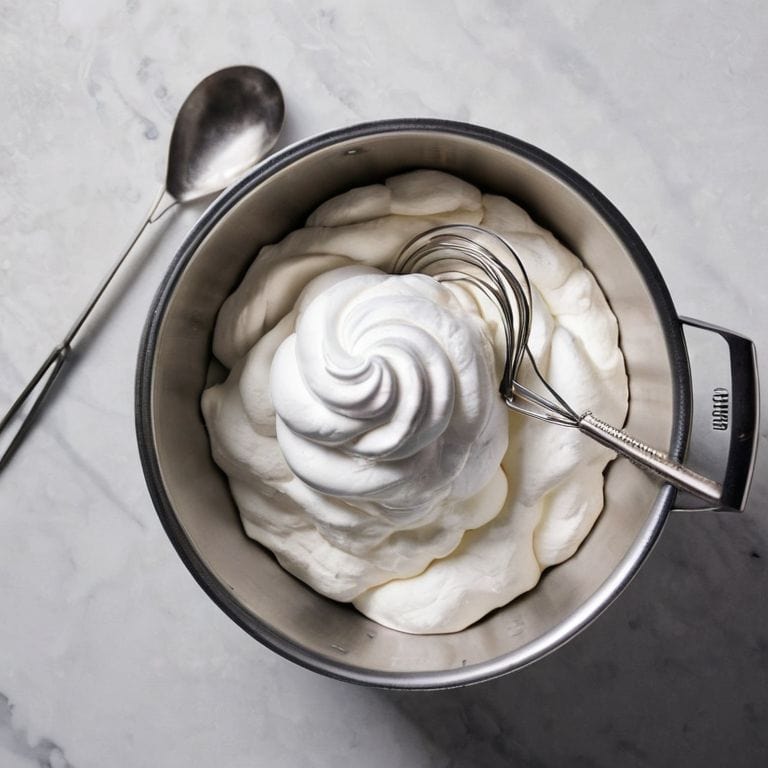
- 4. Gradually add the water to the dry ingredients while continuously whisking the mixture. You’ll start to notice it thickening and turning into a smooth, fluffy paste. This is where the magic happens, and your mixture transforms into something truly special.
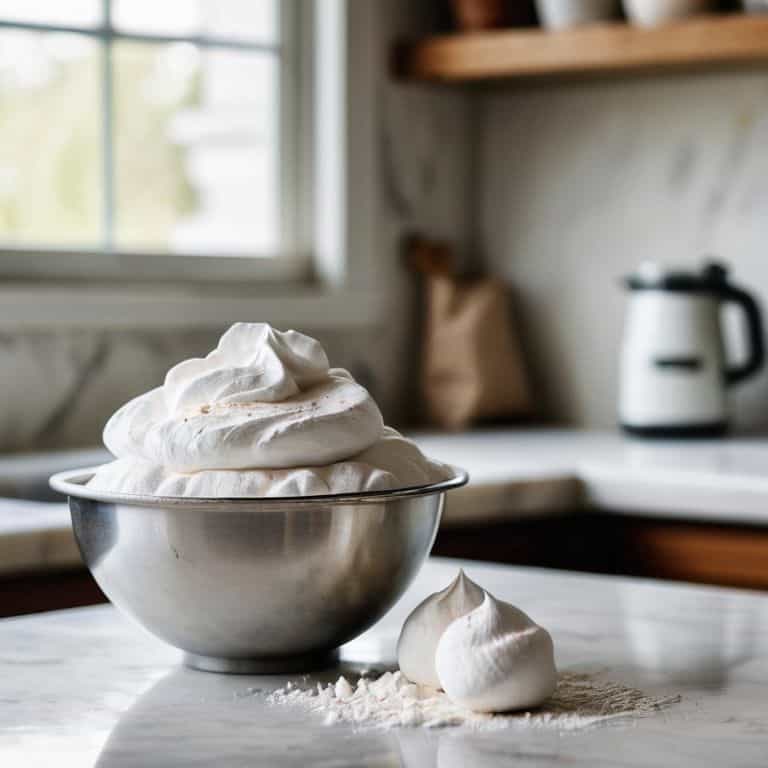
- 5. Continue whisking until the mixture becomes stiff and holds its shape. This should take about 5-7 minutes with an electric mixer or a bit longer if you’re doing it by hand. Remember, patience is a virtue in pastry making, so don’t rush this step.
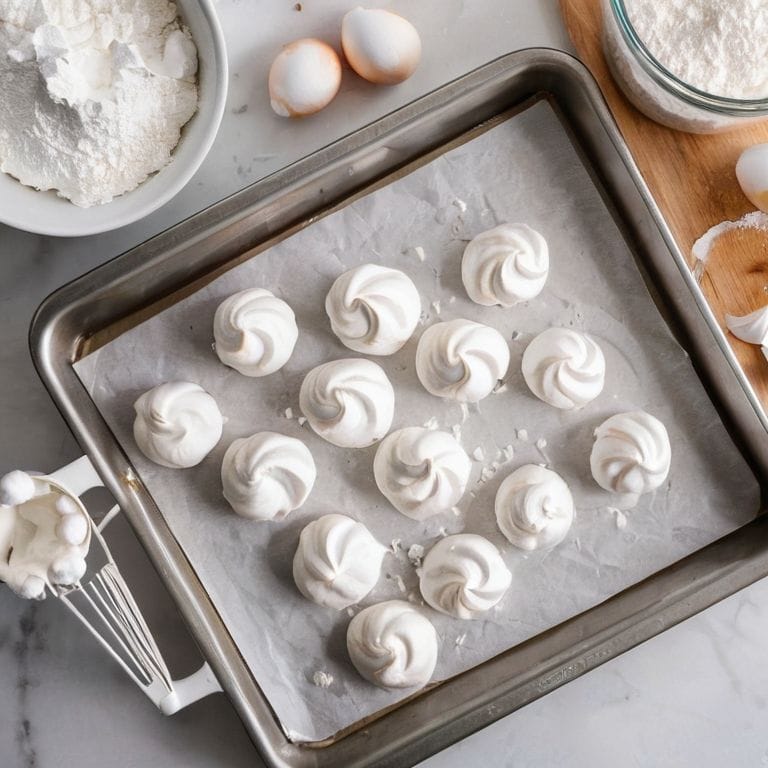
- 6. Once your meringue mixture is ready, you can start shaping it. You can use a piping bag for more intricate designs or simply spoon it onto your prepared baking sheet for a more rustic look. The key here is to work quickly, as the meringue can start to weep or collapse if it sits out for too long.
- 7. Place your shaped meringues in the preheated oven and dehydrate them for about 1 1/2 to 2 hours. The low temperature and long baking time are crucial for drying out the meringues without browning them. It’s essential to monitor their progress, as the drying time can vary depending on the size and shape of your meringues.
- 8. After the meringues have finished baking, turn off the oven and let them cool completely inside. This step is vital for preventing them from becoming chewy or developing off-flavors. Once they’re cool, you can store them in an airtight container for up to 2 weeks, making them a great make-ahead component for future desserts.
Mastering Meringue Powder
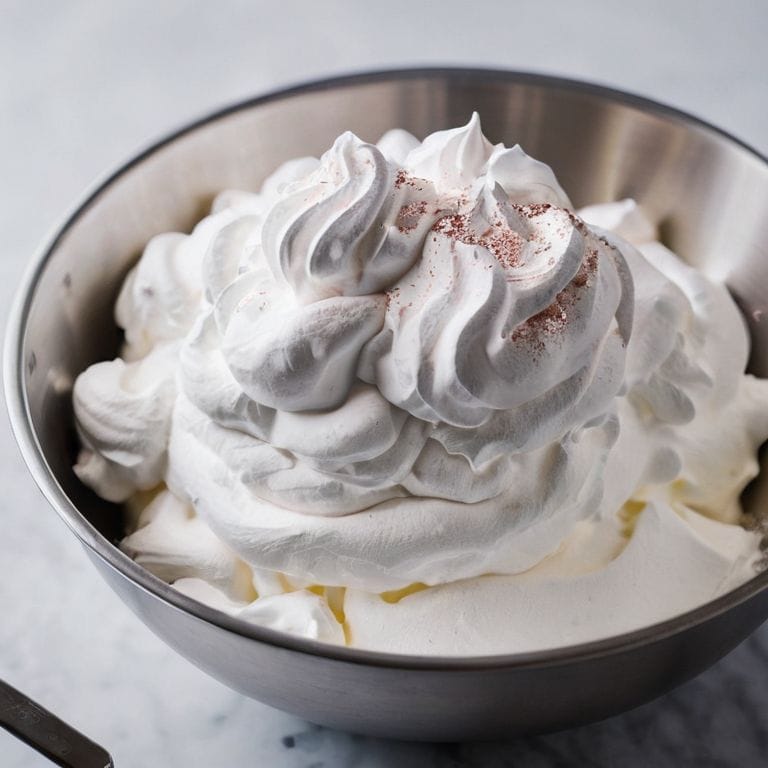
As I delve deeper into the world of meringue powder, I’ve come to realize that mastering the substitute is an art in itself. When comparing meringue powder vs egg whites, it’s essential to understand that the powder offers a more stable and consistent alternative. This is particularly useful when stabilizing whipped cream with meringue powder, as it helps maintain the desired texture and prevents deflation.
One of the most significant advantages of using meringue powder is its versatility in various recipes. For instance, using meringue powder in macarons can be a game-changer, as it provides a more reliable and consistent outcome. However, it’s crucial to note that converting egg white recipes to meringue powder requires careful consideration of the proportions and ratios involved.
To ensure optimal results, it’s vital to store meringue powder properly, taking into account meringue powder storage and safety guidelines. By doing so, you can maintain the powder’s potency and effectiveness in your baked goods. Whether you’re a seasoned pastry chef or a novice baker, understanding the nuances of meringue powder will undoubtedly elevate your creations and bring you closer to pastry perfection.
Meringue Powder vs Egg Whites
As I delve deeper into the world of meringue powder, I’m often asked about its comparison to traditional egg whites. In my experience, meringue powder offers a more consistent result, especially in humid environments where egg whites can be finicky. The powder’s ability to withstand temperature and humidity fluctuations makes it a reliable choice for achieving those perfect, fluffy peaks.
When deciding between meringue powder and egg whites, consider the desired texture and stability of your final product. If you’re aiming for a delicate, airy meringue, powder might be the better option. However, if you’re seeking a more rustic, homemade texture, egg whites could be the way to go. Ultimately, it’s about understanding the unique characteristics of each and choosing the one that best suits your creative vision.
Stabilizing Whipped Cream Secrets
To take your meringue-based desserts to the next level, it’s essential to understand the art of stabilizing whipped cream. I always say that temperature is key, and this is especially true when working with whipped cream. By incorporating a small amount of meringue powder into your whipped cream, you’ll not only add stability but also a delicate, airy texture that’s sure to impress.
When I’m stabilizing whipped cream, I like to think of it as a delicate dance between ingredients and temperatures. I chill my bowl and whisk in the freezer before whipping, and I always make sure to sift my meringue powder to avoid any lumps. With these simple yet crucial steps, you’ll be well on your way to creating whipped cream that’s not only delicious but also visually stunning.
Meringue Magic: 5 Tips to Unlock Powdered Perfection
- Use the right ratio: I always say that meringue powder is all about balance, so make sure you’re using the right amount of powder to liquid – it’s a game-changer for stability and texture
- Temperature triumph: As a chocolatier, I know that temperature is key, and it’s no different with meringue powder – ensure your equipment and ingredients are at room temperature for the best results
- Don’t overmix: I see it time and time again – overmixing is the enemy of meringue powder, leading to deflated, dense meringues that are a far cry from the fluffy perfection you’re aiming for
- Add a little acidity: A pinch of cream of tartar or a squeeze of lemon juice can work wonders for stabilizing your meringue powder mixture and helping it hold its shape
- Practice, practice, practice: Like any skill, mastering meringue powder takes time and practice – don’t be discouraged if it doesn’t come out perfectly the first time, just keep trying until you get the hang of it
Key Takeaways for the Perfect Meringue
I’ve learned that using the right ratio of meringue powder to sugar is crucial for achieving stability and texture in my meringue-based desserts, and I always make sure to adjust this ratio based on the humidity and temperature of my kitchen
Tempering the mixture with a touch of cream of tartar or lemon juice can make all the difference in creating a smooth, glossy finish – it’s a trick I picked up during my training at Valrhona École and one that I still use to this day
By understanding the science behind meringue powder and experimenting with different flavor combinations, such as adding a hint of vanilla or a drizzle of chocolate, home bakers can elevate their desserts from ordinary to extraordinary and create truly unique, show-stopping masterpieces
The Meringue Mindset
Meringue powder is not just a substitute for egg whites, it’s a precision tool that demands finesse – mastering its use is the difference between a humble meringue and a culinary masterpiece.
Juliette Le Roux
Conclusion: Elevating Your Bakes with Meringue Powder
In conclusion, mastering the use of meringue powder is all about understanding its role in elevating textures and flavors in your bakes. From the initial steps of measuring and mixing to the more advanced techniques of stabilizing whipped cream, each process is crucial for achieving the desired outcome. The comparison between meringue powder and egg whites revealed that while both can produce similar results, meringue powder offers a level of convenience and consistency that is hard to match. Moreover, the secrets to stabilizing whipped cream, such as using the right amount of meringue powder and maintaining the ideal temperature, can make all the difference between a good dessert and a truly exceptional one.
As you continue on your baking journey, remember that perfection is within reach with practice and patience. Don’t be afraid to experiment and push the boundaries of what you thought was possible with meringue powder. Whether you’re a beginner looking to improve your skills or an experienced baker seeking to refine your craft, the key to success lies in the attention to detail and the willingness to learn. So, go ahead, whip up a batch of meringues, and watch as your bakes transform into masterpieces of texture and taste. With meringue powder as your trusted companion, the world of pastry is yours to conquer, one delicious creation at a time.
Frequently Asked Questions
What is the ideal ratio of meringue powder to sugar when making a stable meringue?
For a stable meringue, I swear by a 1:2 ratio of meringue powder to sugar. This balance ensures my meringues are both sturdy and silky. Trust me, it’s a game-changer – I’ve spent years perfecting this ratio in my own pastry kitchen.
Can I use meringue powder to stabilize whipped cream for a dessert that will be served several hours after preparation?
Absolutely, I use meringue powder to stabilize whipped cream all the time. It’s a game-changer for desserts that need to hold up for hours. Simply whip your cream as usual, then add a small amount of meringue powder – about 1-2% of the cream’s weight – and whip until stiff peaks form. This will give you a beautifully stable whipped cream that lasts.
How does the humidity in my kitchen affect the performance of meringue powder in my recipes?
Humidity is a silent saboteur in meringue making. High humidity can prevent meringues from drying properly, leading to a sticky or chewy texture. To combat this, I adjust my baking time and temperature, and sometimes add a little more cornstarch to absorb excess moisture. Precision is key here, my friends!