As I stand in my bespoke cake studio, surrounded by the sweet scent of success and the gentle hum of mixers, I’m reminded of the countless times I’ve been asked for a guide to american buttercream. It’s a topic that’s near and dear to my heart, and one that I’m passionate about sharing with others. But let’s get real – there’s a lot of misinformation out there about this beloved frosting. I’ve seen far too many recipes that promise the world but deliver a lackluster, overly sweet result. It’s time to set the record straight and give you the lowdown on how to create truly exceptional American buttercream.
In this article, I’ll be sharing my expertise, gained from years of working in Michelin-starred restaurants and training at Le Cordon Bleu, to provide you with a no-nonsense approach to mastering American buttercream. You can expect to learn the science behind the ingredients, as well as my top tips for achieving a smooth, creamy texture and a flavor that’s anything but bland. Whether you’re a beginner or an experienced baker, my goal is to empower you with the knowledge and confidence to create stunning, delicious cakes that will impress even the most discerning palates. So, let’s dive in and uncover the secrets of American buttercream together!
Table of Contents
- Guide Overview: What You'll Need
- Step-by-Step Instructions
- A Guide to American Buttercream
- Elevating Your American Buttercream Game: 5 Expert Tips
- Essential Takeaways for Mastering American Buttercream
- The Heart of American Buttercream
- The Sweet Finale: Mastering American Buttercream
- Frequently Asked Questions
Guide Overview: What You'll Need
Total Time: 30 minutes to 1 hour
Estimated Cost: $10 – $20
Difficulty Level: Easy
Tools Required
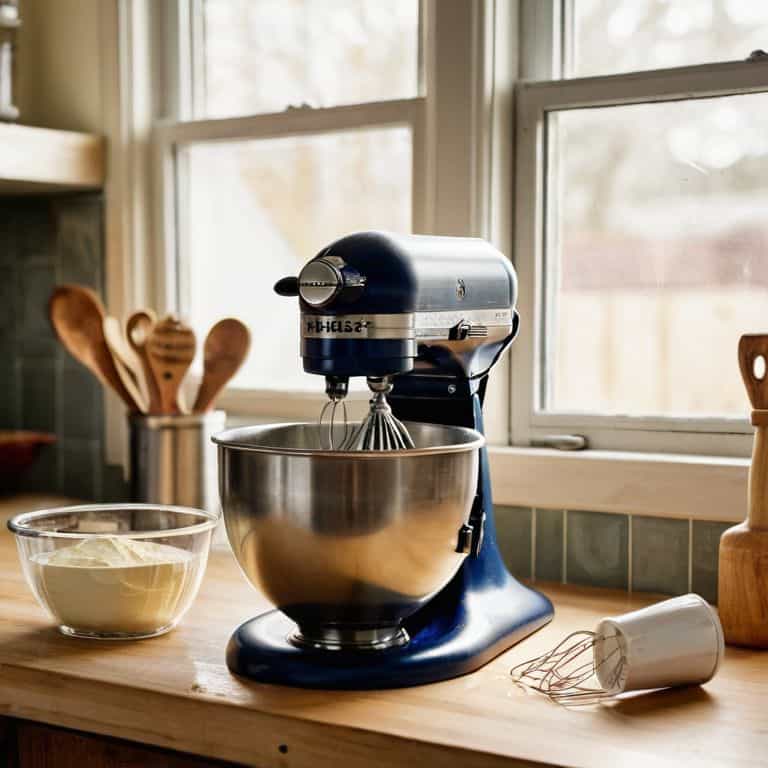
- Stand Mixer (or Hand Mixer)
- Measuring Cups
- Measuring Spoons
- Rubber Spatula
Supplies & Materials
- Unsalted Butter (at room temperature)
- Powdered Sugar (also known as Confectioner’s Sugar)
- Whole Milk (or alternative milk)
- Pure Vanilla Extract
Step-by-Step Instructions
- 1. First, let’s start with the foundation of our American buttercream: the ingredients. You’ll need 1 1/2 cups of unsalted butter, softened to a creamy perfection, 3 3/4 cups of powdered sugar, 1/2 teaspoon of salt, and 2-3 tablespoons of whole milk or heavy cream. Yes, it’s a lot of sugar, but trust me, it’s necessary for that smooth, velvety texture we’re aiming for.
- 2. Next, we need to prepare our mixer for the task at hand. I always say that a stand mixer is a pastry chef’s best friend, and for good reason – it makes quick work of even the most labor-intensive tasks. Fit your mixer with the paddle attachment, and make sure it’s securely locked in place before we begin.
- 3. Now it’s time to cream that beautiful butter until it’s light and fluffy. Beat the butter on medium-high speed for about 2 minutes, or until it’s almost doubled in volume and has a silky smooth texture. Don’t rush this step – it’s crucial for incorporating air and ensuring our buttercream will be smooth and stable.
- 4. With our butter nicely creamed, it’s time to gradually add the powdered sugar. Do this in small increments, beating well after each addition to prevent lumps from forming. I like to add the sugar in 1/2 cup increments, beating for about 30 seconds between each addition. This may seem tedious, but it’s essential for achieving a smooth, even texture.
- 5. Once all the sugar has been incorporated, it’s time to add the salt and milk. Start with 2 tablespoons of milk and add more as needed, beating until the buttercream reaches your desired consistency. You want it to be smooth and spreadable, but not too thin – think of it as the perfect balance between firm and fluffy.
- 6. Now that our buttercream is coming together, it’s time to add a bit of flavor. I like to use a high-quality vanilla extract for this – it adds a depth and warmth to the buttercream that’s just irresistible. Add 1/2 teaspoon of vanilla extract and beat until well combined.
- 7. The final step is to test and adjust our buttercream. Beat it for an additional 2-3 minutes, until it’s smooth, creamy, and perfectly pipable. If it’s too thin, add a bit more powdered sugar. If it’s too thick, add a bit more milk. And if it’s just right… well, then you’re ready to start decorating!
A Guide to American Buttercream

As I delve into the world of American buttercream, I want to share some essential tips for working with this versatile frosting. One of the most common challenges is achieving a smooth, even finish. To overcome this, I recommend using a turntable to spin your cake while you work, allowing you to access all sides with ease. This simple trick can make a significant difference in the overall appearance of your finished cake.
When it comes to coloring American buttercream, it’s all about balance. You want to achieve a vibrant hue without overpowering the delicate flavor of the butter and sugar. I prefer to use high-quality gel or paste food colorings, as they provide a more intense color without adding excess moisture to the frosting. This is especially important when working in warm weather, as excess moisture can lead to a sticky mess.
To take your American buttercream to the next level, consider experimenting with powdered sugar substitutes. While traditional powdered sugar is still the gold standard, alternatives like cornstarch or tapioca flour can add unique textures and flavors to your frosting. Just be sure to adjust the ratio of sugar to liquid accordingly, as these substitutes can affect the overall consistency of the buttercream. With a little practice and patience, you’ll be creating beautiful, stabilized buttercream masterpieces in no time.
Buttercream vs Swiss Meringue Choosing the Best
Buttercream vs Swiss Meringue: Choosing the Best
When it comes to deciding between American buttercream and Swiss meringue, it ultimately comes down to personal preference and the desired texture. I adore the richness of American buttercream, but Swiss meringue has its own unique charms – a lighter, more stable consistency that’s perfect for delicate designs.
For me, the choice depends on the cake’s theme and the client’s vision. If I’m aiming for a classic, indulgent feel, American buttercream is my top pick. However, if the design calls for a more ethereal quality, Swiss meringue is the way to go.
Smoothing Tips for Luscious American Buttercream
To achieve a silky smooth American buttercream, it’s all about the technique. I always say, “temperature is key” – make sure your butter is at room temperature, and your mixer is ready to whip it into a frenzy. As you cream the butter and sugar, stop periodically to scrape down the sides of the bowl, ensuring every last morsel is incorporated. This is where the magic happens, and your buttercream transforms from gritty to gorgeous.
With the mixer on high, I like to add my vanilla extract and a pinch of salt to balance the sweetness. Now, here’s the part where patience is a virtue: keep whipping until your buttercream is light, airy, and utterly divine. If you’re finding it too stiff, a drizzle of whole milk will do the trick. Remember, practice makes perfect, so don’t be discouraged if it takes a few tries to get it just right – the result is well worth the extra effort.
Elevating Your American Buttercream Game: 5 Expert Tips
- The Butter Matters: Use high-quality, European-style butter with a high fat content for a richer, creamier flavor and smoother texture
- Temperature Tango: Ensure your butter and ingredients are at room temperature for optimal mixing and aeration, as this will greatly impact the final consistency
- Sugar Symphony: Balance your sugar content to avoid overpowering the other flavors, and consider using a combination of granulated and brown sugar for added depth
- Airy Delight: Don’t overmix your buttercream, as this can lead to a dense, unappealing texture – instead, aim for a light, airy consistency that’s perfect for piping and decorating
- Practice Makes Perfect: Experiment with different flavor combinations and decorating techniques to develop your unique style and voice, and remember that every cake is an opportunity to push the boundaries of edible art
Essential Takeaways for Mastering American Buttercream
Always use high-quality ingredients, especially real butter and pure vanilla, to elevate the flavor and texture of your American buttercream
Invest time in properly smoothing your buttercream, as this step is crucial for achieving a professional finish on your cakes
Experiment with different flavor combinations and decorating techniques to make your American buttercream truly unique and reflective of your personal style
The Heart of American Buttercream
As I always say, the true magic of American buttercream lies not in its simplicity, but in its ability to elevate the humblest of cakes into a masterpiece of texture and taste, a symphony of sweetness that whispers elegance and refinement.
Alison Lawson
The Sweet Finale: Mastering American Buttercream
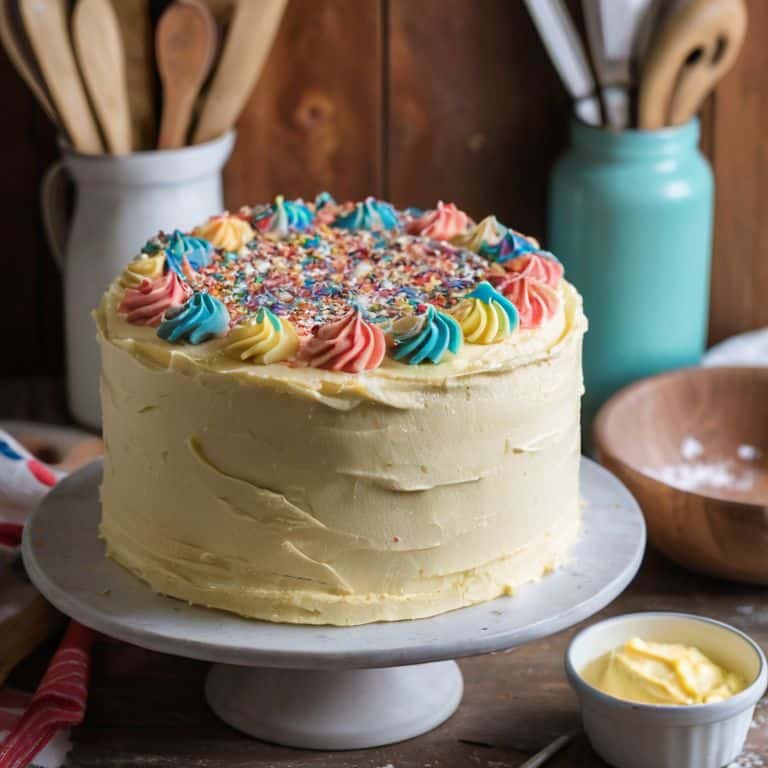
As we conclude our journey through the world of American buttercream, let’s recap the essential elements that make this frosting a game-changer for any baker. From understanding the importance of room temperature ingredients to mastering the technique of smoothing the buttercream for a flawless finish, each step is crucial in creating a truly exceptional cake. By choosing the right type of buttercream for your needs and avoiding common pitfalls, you’re well on your way to creating cakes that are not only delicious but also visually stunning.
Now, as you embark on your own American buttercream adventures, remember that the art of baking is all about experimentation and creative expression. Don’t be afraid to push the boundaries of traditional recipes and try new flavor combinations or decorating techniques. With practice and patience, you’ll unlock the full potential of American buttercream and create edible masterpieces that will leave everyone in awe. So, go ahead, get baking, and let the sweetness begin!
Frequently Asked Questions
What is the ideal ratio of butter to sugar when making American buttercream for optimal flavor and texture?
For optimal flavor and texture, I swear by a 1:2 ratio of high-quality butter to sugar in my American buttercream – that’s one part exquisite, European-style butter to two parts granulated sugar. Trust me, this harmonious balance will elevate your cakes to new heights of richness and indulgence.
How do I prevent my American buttercream from becoming too thin or too thick, and what are the best methods for adjusting the consistency?
To achieve the perfect consistency, I adjust the ratio of butter to sugar or add a touch of corn syrup for stability. If it’s too thin, I refrigerate it for a few minutes to firm up. If it’s too thick, a small amount of room-temperature butter or a drizzle of milk usually does the trick.
Can I flavor American buttercream with anything other than vanilla, and if so, what are some unique and delicious flavor combinations to try?
The possibilities are endless, my friend! While vanilla is classic, I adore experimenting with other flavors. Try infusing your American buttercream with espresso, citrus zest, or even liqueurs like Grand Marnier or Amaretto. For a unique twist, combine raspberry and lemon or orange and almond extract – the key is to balance flavors and have fun with it!