I still remember the first time I attempted to bake a cheesecake – it was a disaster. The cracks that spread across its surface like a spider’s web were a harsh introduction to the world of pastry-making. But as I delved deeper into the art, I discovered that how to prevent your cheesecake from cracking wasn’t just about following a recipe, but about understanding the science behind it. The common myth that overmixing is the sole culprit behind a cracked cheesecake is only partially true. In reality, it’s a combination of factors, including the type of pan used, the baking temperature, and even the quality of ingredients.
As a pastry chef, I’ve had my fair share of trials and errors, but I’ve also learned that with the right techniques and attention to detail, anyone can achieve a flawless cheesecake. In this article, I’ll share my honest, no-hype advice on how to prevent your cheesecake from cracking, from preparing the perfect batter to the crucial cooling process. You’ll learn how to create a smooth and intact surface, and how to troubleshoot common issues that may arise during the baking process. By the end of this guide, you’ll be equipped with the knowledge and confidence to create stunning, crack-free cheesecakes that will impress even the most discerning palates.
Table of Contents
Guide Overview: What You'll Need
Total Time: 1 hour 15 minutes
Estimated Cost: $10 – $20
Difficulty Level: Easy
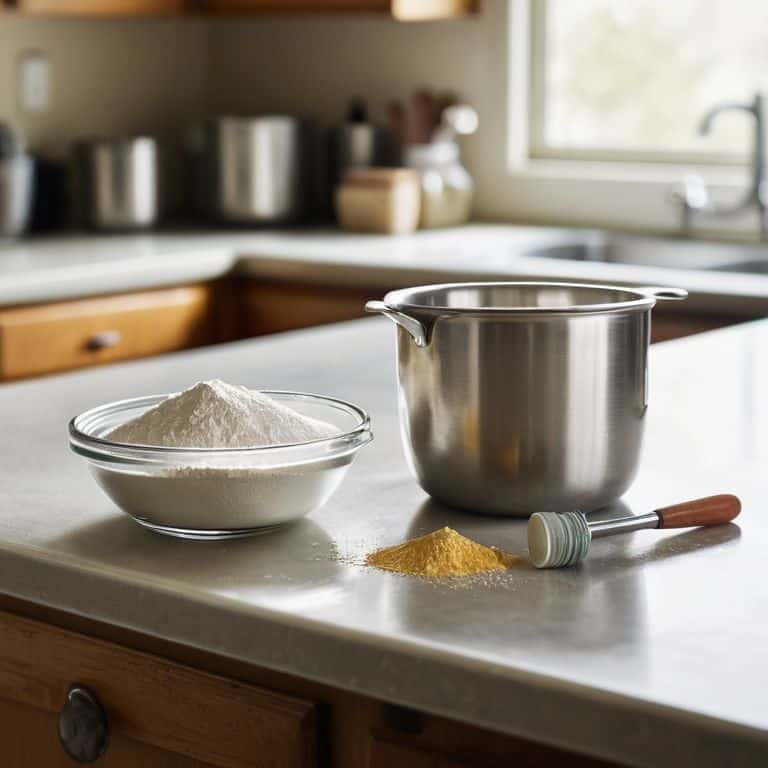
Tools Required
- Oven thermometer (to ensure accurate oven temperature)
- Water bath container (large enough to hold the cheesecake pan)
- Silicone spatula (for smooth batter mixing)
- 9 inches springform pan (to prevent cracking from uneven pan sizes)
Supplies & Materials
- High-quality cheesecake pan (to prevent warping and cracking)
- Parchment paper (for lining the pan)
- Cooling rack (for gradual cooling)
- Cheesecake recipe ingredients (fresh and room temperature)
Step-by-Step Instructions
- 1. First, let’s start with the foundation of a crack-free cheesecake: the water bath. This technique is essential for ensuring your cheesecake cooks evenly and prevents it from cracking. To create a water bath, place your cheesecake pan in a larger pan filled with hot water, making sure the water level is below the bottom of the cheesecake pan.
- 2. Next, it’s crucial to _preheat your oven_ to the correct temperature, as uneven heating can cause your cheesecake to crack. I always say that a precise oven temperature is key to a successful bake. Make sure to preheat your oven to 325°F (165°C) and invest in an oven thermometer to ensure accuracy.
- 3. Now, let’s move on to the cheesecake batter. It’s essential to mix the ingredients gently, as overmixing can lead to a dense cheesecake that’s more prone to cracking. I like to mix my ingredients in a specific order, starting with the cream cheese and sugar, then adding the eggs one at a time, and finally incorporating the sour cream and vanilla extract.
- 4. The type of pan you use can also affect the likelihood of your cheesecake cracking. I recommend using a high-quality springform pan that’s designed specifically for cheesecakes. These pans have a non-stick coating and a leak-proof design that will help prevent your cheesecake from cracking.
- 5. Once you’ve poured the batter into the pan, it’s time to smooth the top. This is a critical step, as any imperfections on the surface can lead to cracking. I like to use an offset spatula to smooth the top and create a _even surface_.
- 6. Now, let’s talk about the baking time. It’s essential to avoid overbaking, as this can cause your cheesecake to dry out and crack. I recommend baking your cheesecake for 55-60 minutes, or until the edges are set and the center is just slightly jiggly. You can also use a skewer test to check for doneness.
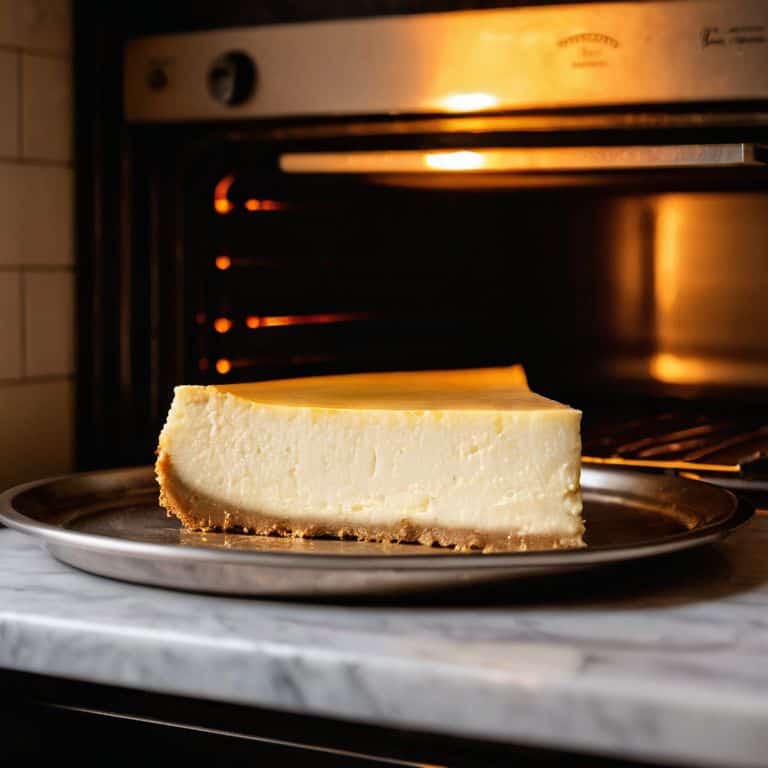
- 7. After your cheesecake has finished baking, it’s time to let it cool. This is perhaps the most critical step in preventing cracking. I recommend letting your cheesecake cool in the oven with the door ajar for 1 hour, then removing it from the oven and letting it cool to room temperature on a wire rack. This will help your cheesecake cool slowly and evenly, reducing the likelihood of cracking.
Cracking the Code

As we delve deeper into the world of cheesecake baking, it’s essential to understand the importance of room temperature ingredients. This simple yet crucial step can make all the difference in achieving a smooth and even texture. When ingredients are at room temperature, they mix more effortlessly, reducing the risk of overmixing and subsequent cracking. Additionally, using high-quality ingredients, such as farm-fresh eggs and real vanilla, can elevate the overall flavor and texture of your cheesecake.
To further ensure a smooth cheesecake finish, it’s vital to employ a water bath during the baking process. This technique, known as a cheesecake water bath, helps to maintain a consistent temperature and prevents the cheesecake from cooking too quickly. By doing so, you’ll be able to achieve a beautifully even finish, free from cracks and imperfections. It’s also important to note that preventing cheesecake shrinkage is closely tied to the cooling and storage methods used after baking.
When it comes to common cheesecake mistakes to avoid, one of the most frequent errors is overbaking. This can cause the cheesecake to dry out and crack, resulting in a less-than-desirable texture. To avoid this, keep a close eye on your cheesecake as it bakes, and remove it from the oven when it’s still slightly jiggly in the center. By following these tips and mastering cheesecake baking techniques, you’ll be well on your way to creating a stunning and delicious dessert that’s sure to impress.
Cheesecake Baking Techniques for Perfection
To truly master the art of cheesecake baking, it’s essential to understand the nuances of technique. I always say that a gentle touch is key – overmixing is a common culprit when it comes to cracks. When combining your ingredients, take a thoughtful approach, folding and blending with intention. Additionally, a water bath can be a game-changer, providing a stable and even temperature that promotes smooth, crack-free baking.
By implementing these careful techniques, you’ll be well on your way to creating a flawless cheesecake. Remember, practice makes perfect, so don’t be discouraged if it takes a few attempts to get the hang of it. With patience and attention to detail, you’ll soon be crafting cheesecakes that are almost too beautiful to eat.
Importance of Room Temperature Ingredients
To truly master the art of cheesecake baking, it’s essential to understand the significance of room temperature ingredients. When all components are at the same temperature, they merge seamlessly, ensuring a uniform consistency and stability in the final product. This harmony is crucial, as it directly affects the texture and, ultimately, the appearance of the cheesecake.
Using room temperature ingredients, particularly eggs and cream cheese, allows for a smoother, more even batter. This, in turn, reduces the likelihood of cracks and imperfections, giving you a canvas that’s not only delicious but also visually stunning. By taking the time to bring your ingredients to room temperature, you’re investing in the overall quality and presentation of your cheesecake, making every bite a testament to your dedication to the craft.
The Crack-Free Canvas: 5 Essential Tips
- Achieve a Stable Oven Temperature: Ensure your oven is at the correct temperature, as fluctuations can cause uneven baking and lead to cracks
- Select the Right Pan: A water bath and a springform pan are your best friends when it comes to preventing cracks – the water bath regulates the temperature, while the springform pan allows for smooth release
- Don’t Overmix: Mix your batter just until the ingredients come together – overmixing can lead to a dense, cracked cheesecake
- Respect the Cooling Process: Let your cheesecake cool completely in the pan before refrigerating it – sudden changes in temperature can cause cracks to form
- Use a Hot Water Bath: A water bath helps to cook the cheesecake gently and evenly, reducing the risk of cracks – it’s a simple yet effective technique to master
Mastering the Art of Crack-Free Cheesecakes: 3 Essential Takeaways
The quality of ingredients, particularly the freshness of eggs and the richness of cream cheese, plays a pivotal role in determining the texture and integrity of the cheesecake, with room temperature ingredients being essential for a smooth and even bake
Employing the right baking techniques, such as a water bath and careful temperature control, can significantly reduce the risk of cracking by promoting a gentle and uniform cooking process
Pre-bake preparation, including the meticulous preparation of the pan and the precise mixing of the batter, sets the stage for a successful cheesecake, with the avoidance of overmixing and the assurance of a well-balanced recipe being critical to achieving a flawless, crack-free finish
The Art of Resilience
A cheesecake that emerges from the oven uncracked is not just a testament to technique, but a reflection of the baker’s patience, precision, and passion – for in the stillness of a perfectly baked cheesecake lies a beauty that is at once delicate and resilient.
Alison Lawson
The Finishing Touches
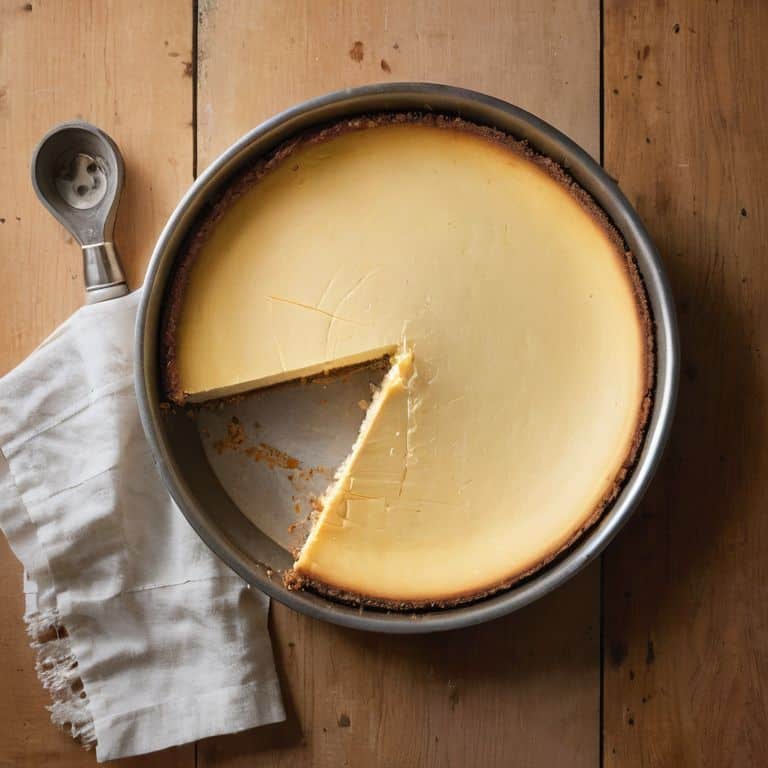
As we’ve explored the world of cheesecakes, it’s clear that preventing cracks requires a combination of technique, precision, and patience. From ensuring room temperature ingredients to mastering the art of gentle mixing and careful baking, each step plays a crucial role in creating a flawless dessert. By following these guidelines and practicing your skills, you’ll be well on your way to crafting cheesecakes that are not only delicious but also visually stunning.
So, the next time you’re tempted to rush through a recipe or skip a crucial step, remember that the true art of baking lies in the details. With every smooth, creamy, and crack-free cheesecake you create, you’ll be one step closer to becoming a master pastry chef, and the sense of pride and accomplishment you’ll feel will be the greatest reward of all. Happy baking, and let’s create something truly extraordinary together!
Frequently Asked Questions
What role does the type of pan used play in preventing cheesecakes from cracking?
The pan, my friends, is a crucial canvas for our cheesecake masterpiece. I swear by a high-quality, non-stick springform pan, as it allows for a smooth release and even baking, reducing the likelihood of cracks. The right pan truly makes all the difference in achieving a flawless, crack-free cheesecake.
Can overmixing the batter contribute to a cracked cheesecake, and if so, how can I avoid it?
Overmixing can indeed be a culprit behind cracked cheesecakes. To avoid it, mix your ingredients just until they come together in a smooth harmony, then stop. Don’t overbeat, especially after adding eggs. A gentle touch will help preserve the delicate balance of your batter, yielding a cheesecake that’s as smooth as a canvas waiting for its artistic touches.
How does the cooling process after baking affect the likelihood of a cheesecake cracking, and what's the best way to cool it?
The cooling process is crucial – a gradual descent into coolness is key. I recommend a 1-hour rest in the turned-off oven, then a gentle transfer to a wire rack to cool completely. This measured approach helps prevent drastic temperature shifts, reducing the likelihood of cracks and ensuring a smooth, flawless canvas for your edible art.