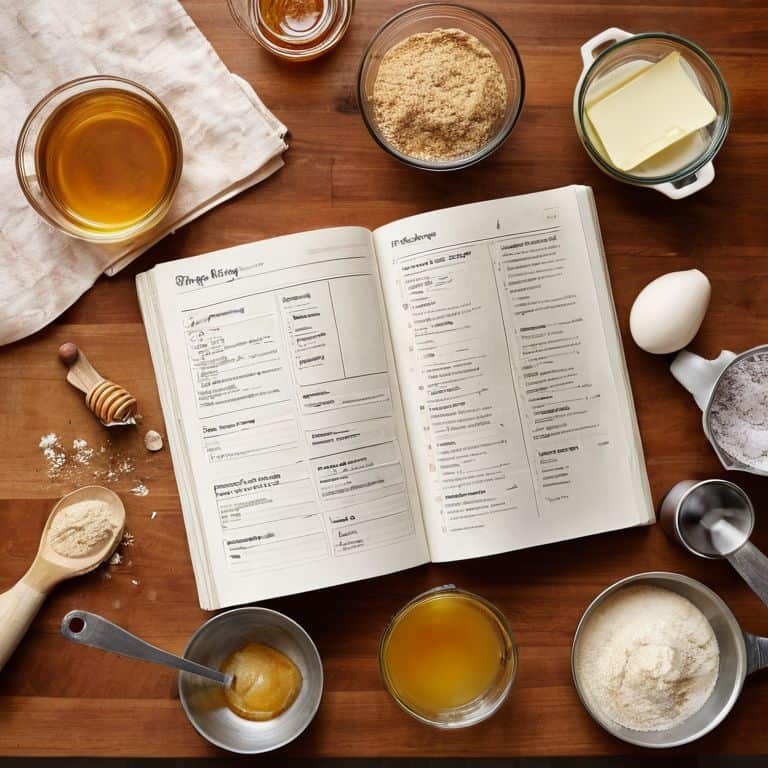
I still remember the first time I had to read a recipe in culinary school – it was like deciphering a secret code. My instructor would always say, “A good recipe is like a roadmap, it guides you to the destination, but you need to understand the signs and symbols to get there.” As I delved deeper into the world of baking, I realized that how to read a recipe is not just about following instructions, but about understanding the science behind the bake. It’s about knowing why certain ingredients are used, why techniques are applied, and how they all come together to create a masterpiece.
As a Certified Master Baker with 20 years of experience, I’m here to guide you through the process of how to read a recipe with confidence and precision. I’ll share my knowledge and expertise to help you crack the code and unlock the secrets of your favorite recipes. My approach is straightforward and no-nonsense, focusing on the fundamental principles of baking and the importance of understanding the why behind every step. By the end of this journey, you’ll be equipped with the skills and knowledge to tackle any recipe with ease, and bake with precision and confidence.
Table of Contents
Cracking Recipe Codes
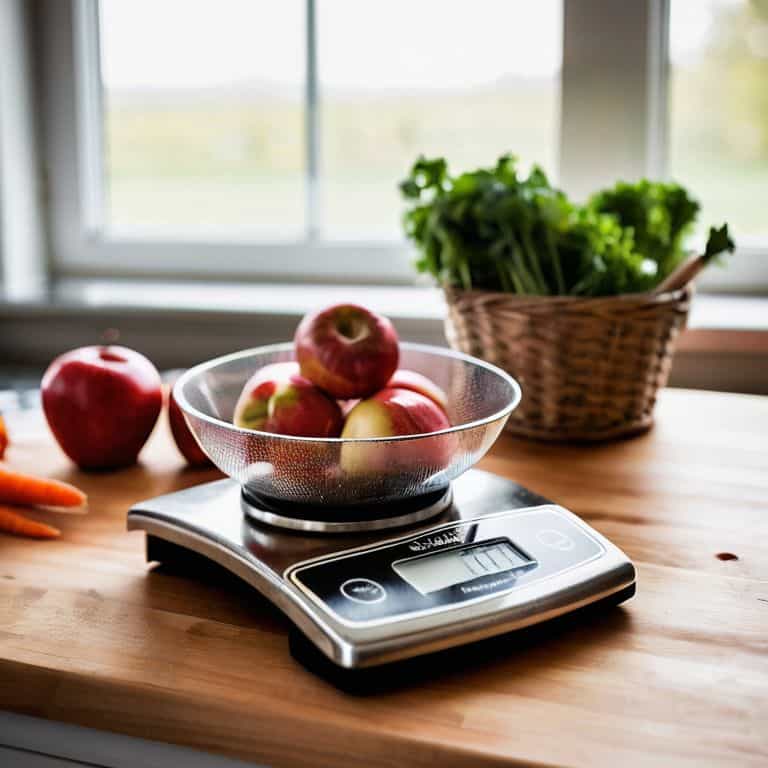
To crack the code of a recipe, you need to understand the language it’s written in. This means familiarizing yourself with common cooking abbreviations, such as tsp for teaspoon and tbsp for tablespoon. It’s also essential to know how to measure ingredients accurately, as this can make all the difference in the final result. I always stress the importance of weighing ingredients, as it’s the most precise method.
As you delve deeper into the world of recipes, you’ll encounter various kitchen terminology that may seem daunting at first. However, once you decipher the techniques and understand the recipe notation, you’ll be able to navigate even the most complex recipes with ease. This includes understanding the different recipe formats, from traditional to modern, and being able to convert between them.
By navigating recipe formats and understanding the science behind the ingredients and techniques, you’ll be well on your way to becoming a confident baker. Remember, measuring ingredients accurately is crucial, and recipe conversion tips can be a lifesaver when working with unfamiliar units or scales. With practice and patience, you’ll be able to unlock the secrets of any recipe and create delicious treats that will impress anyone.
Deciphering Cooking Techniques
When it comes to deciphering cooking techniques, understanding the method behind the madness is crucial. This involves recognizing the various techniques used in a recipe, such as mixing, kneading, or folding, and how they impact the final product.
To master these techniques, it’s essential to focus on precise measurements, as this ensures that each component of the recipe interacts correctly with the others, resulting in a perfectly balanced bake.
Understanding Recipe Notation
When it comes to understanding recipe notation, precision is key. This is where the science of baking really comes into play, as a single misinterpretation can throw off the entire recipe. I always stress the importance of carefully reading through each line, taking note of the specific measurements and techniques required.
To truly master recipe notation, you must be able to decode the abbreviations used throughout. This includes understanding what terms like “tsp” and “tbsp” represent, as well as being familiar with common baking terminology. By doing so, you’ll be able to navigate even the most complex recipes with ease and confidence.
Mastering How to Read a Recipe
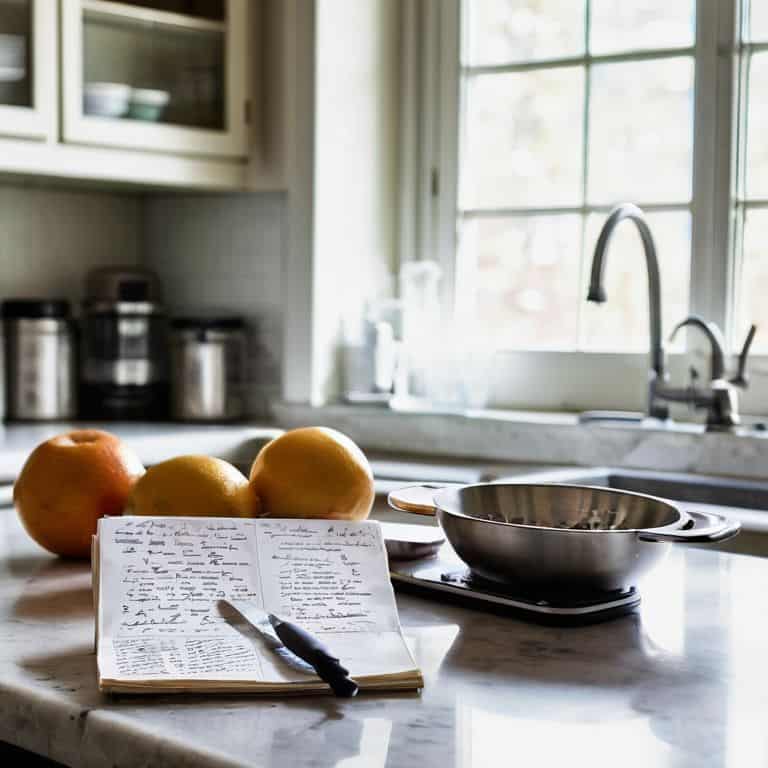
As we dive deeper into the world of recipe reading, it’s essential to master the art of understanding recipe notation. This involves familiarizing yourself with common cooking abbreviations, such as tsp, tbsp, and oz. By doing so, you’ll be able to decipher recipes with ease and accuracy. Measuring ingredients accurately is also crucial, as it can make or break the final product. I always stress the importance of using a digital scale to ensure precise measurements.
When it comes to navigating recipe formats, it’s not uncommon to encounter different styles and layouts. Some recipes may use imperial measurements, while others use metric. Being able to convert between the two is a valuable skill, and one that can save you from potential disasters in the kitchen. Deciphering cooking techniques is also vital, as it can help you understand the underlying science behind a recipe. By grasping these fundamental concepts, you’ll be well on your way to becoming a confident and skilled baker.
To take your recipe reading skills to the next level, I recommend practicing with different recipe formats. Try your hand at converting recipes from one measurement system to another, and experiment with various cooking techniques. By doing so, you’ll develop a deeper understanding of kitchen terminology for beginners and become more comfortable with the language of recipes. With time and practice, you’ll be able to read and interpret recipes with ease, and unlock a world of culinary possibilities.
Measuring Ingredients With Accuracy
To ensure accuracy in your bakes, it’s crucial to understand the importance of precise measurement. This means using a digital scale to weigh your ingredients, rather than relying on volume measurements. By doing so, you’ll be able to achieve consistent results and avoid common mistakes that can affect the final product.
When measuring ingredients, weighing is non-negotiable. It’s a simple step that can make a significant difference in the outcome of your bake. By taking the time to accurately measure your ingredients, you’ll be able to trust that your recipe will turn out as expected, and you’ll be able to troubleshoot any issues that may arise with confidence.
Navigating Recipe Formats With Ease
As you delve into the world of recipes, you’ll encounter various formats, each with its own set of characteristics. Some recipes will be listed in a step-by-step manner, while others will have a more narrative approach. To navigate these different formats with ease, it’s essential to understand the underlying structure of a recipe.
When reading a recipe, look for the key ingredients and their corresponding quantities. This will give you a sense of the recipe’s overall composition and help you identify any potential pitfalls. By focusing on these essential elements, you’ll be able to adapt to different recipe formats and baking styles with confidence.
Unlocking Recipe Success: 5 Essential Tips to Get You Started
- Focus on the ingredient list first, as it’s the foundation of the recipe and will give you a sense of the overall flavor profile and texture
- Pay attention to the cooking techniques used, such as roasting or sautéing, as they can greatly impact the final result
- Understand the different types of recipe notation, including volume and weight measurements, to ensure accuracy and consistency
- Take note of any special equipment or tools required, as well as potential substitutions or variations, to make the recipe your own
- Read the recipe from start to finish before beginning, and don’t be afraid to ask questions or look up unfamiliar terms to ensure a smooth and successful baking experience
Key Takeaways for Reading Recipes with Confidence
Understand the science behind cooking techniques and recipe notation to unlock the full potential of any recipe
Measure ingredients with precision, as accuracy is crucial in achieving the desired outcome in baking
Navigate various recipe formats with ease by recognizing the importance of understanding the ‘why’ behind each step and ingredient
The Heart of Baking
A recipe is not just a list of ingredients and instructions, but a blueprint for a chemical reaction that unfolds in your mixing bowl – understanding this is the key to unlocking the true magic of baking.
Beatrice Quinn
Unlocking the Full Potential of Recipes
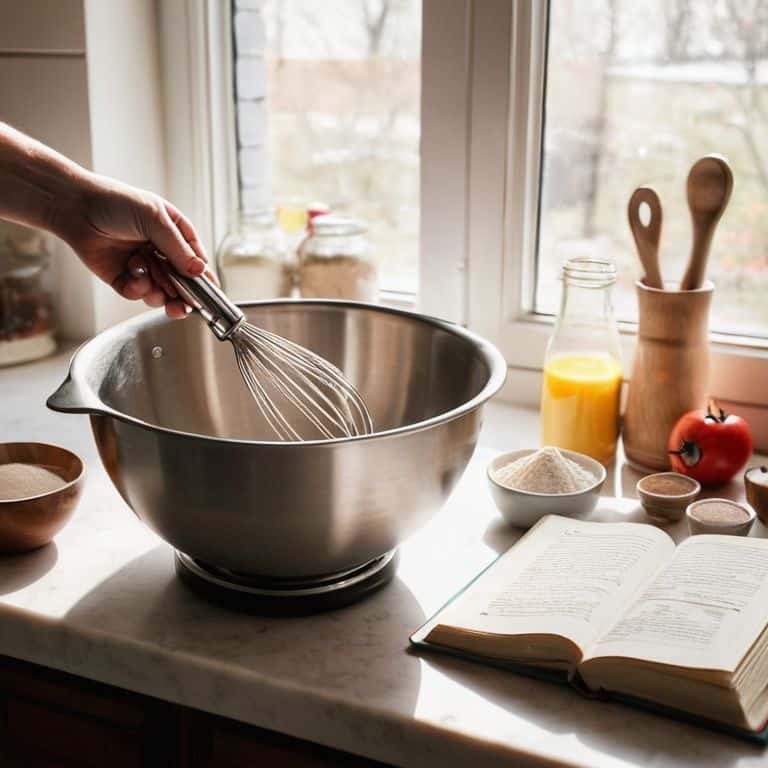
As we’ve explored the world of recipe reading, it’s become clear that mastering this skill is not just about following instructions, but about understanding the underlying science that makes baking work. From deciphering cooking techniques to measuring ingredients with accuracy, each step is crucial in unlocking the full potential of a recipe. By grasping these fundamentals, you’ll be well on your way to becoming a confident baker, capable of tackling even the most complex recipes with ease.
So, as you close this chapter and move forward into the world of baking, remember that the true magic lies in the details. Don’t be afraid to experiment, to try new things, and to push the boundaries of what’s possible. With patience, practice, and a deep understanding of the recipes you’re working with, you’ll be creating delicious, memorable baked goods that will impress and delight everyone who tastes them. Happy baking!
Frequently Asked Questions
What are some common mistakes to avoid when reading a recipe for the first time?
When reading a recipe for the first time, beware of assumptions and skipping details. Common mistakes include misinterpreting ingredient quantities, overlooking crucial steps, and neglecting to preheat or prepare equipment. Take your time, and don’t be afraid to ask yourself questions – it’s the first step to mastering the science behind the bake.
How can I ensure I'm using the correct units of measurement when a recipe calls for both volume and weight measurements?
To ensure accuracy, I always recommend using weight measurements when available, as they’re more precise. When a recipe lists both volume and weight, use the weight measurement for dry ingredients like flour and sugar. For liquids, volume measurements are usually sufficient, but it’s still important to use a digital scale to confirm accuracy whenever possible.
Are there any specific notation or formatting differences I should be aware of when reading recipes from different countries or cultures?
When exploring international recipes, be mindful of variations in measurement units, ingredient names, and formatting. For instance, European recipes often use metric units, while American recipes favor cups. Some cultures also use unique notation, such as Japanese recipes listing ingredients by weight and ratio. Always research the local conventions to ensure accurate interpretation.