I still remember the first time I had to test a batch of subpar baking pans in my kitchen. It was a disaster – unevenly baked cakes, stuck-on food, and a whole lot of frustration. That’s when I realized the importance of having a good guide to baking pans. It’s not just about throwing some dough into a pan and hoping for the best; it’s about understanding the nuances of each pan and how it can make or break your baked goods. As someone who’s spent years perfecting the art of lamination and testing hundreds of baking pans, I can confidently say that a good pan is the backbone of your kitchen.
In this article, I’ll be sharing my honest, no-nonsense advice on how to choose the right baking pan for your needs. I’ll cut through the marketing fluff and give you a practical guide to selecting the best pans for your kitchen. You can expect to learn about the different types of pans, their materials, and what to look for when making a purchase. My goal is to help you invest in high-quality, durable equipment that will make your baking experience a joy, not a chore. By the end of this guide, you’ll be equipped with the knowledge to make informed decisions and take your baking to the next level.
Table of Contents
Guide Overview: What You'll Need
Total Time: 1 hour 15 minutes
Estimated Cost: $20 – $50
Difficulty Level: Easy
Tools Required
- Measuring Cups for dry and liquid ingredients
- Measuring Spoons for precise measurements
- Whisk for mixing batter
- Rubber Spatula for scraping sides of bowls
- Oven Thermometer to ensure accurate oven temperature
Supplies & Materials
- Round Cake Pans 8 inches or 9 inches in diameter
- Square Cake Pans 8 inches or 9 inches in length
- Muffin Tins 12-cup or 6-cup capacity
- Baking Sheets 18 inches x 12 inches in size
- Non-Stick Cooking Spray for preventing cakes from sticking
Step-by-Step Instructions
- 1. First, let’s define our requirements for the perfect baking pan. As a meticulous baking scientist, I always start by considering the types of baked goods I want to make. Do I need a pan for delicate pastries, or something more robust for hearty breads? This will help me determine the material, size, and non-stick properties I need.
- 2. Next, I research and shortlist potential pans based on their features, user reviews, and ratings. I look for pans that are made from durable materials, have a even heat distribution, and are easy to clean. I also consider the warranty and customer support offered by the manufacturer, as this can be a good indicator of their commitment to quality.
- 3. Now, it’s time to put the pans to the test. I always bake the same vanilla cake in each pan to see how it performs. This simple test can reveal a lot about the pan’s non-stick properties, heat conductivity, and overall performance. I also pay attention to how easy it is to remove the cake from the pan, and whether it comes out with a smooth, even crust.
- 4. After testing the pans, I evaluate their performance based on my results. I consider factors such as the cake’s texture, flavor, and appearance, as well as the ease of cleaning and maintenance. I also think about the value for money and whether the pan is worth the investment. As someone who believes in buying it once, buying it for life, I want to make sure I’m getting a pan that will last.
- 5. Once I’ve narrowed down my options, I compare the features and prices of the remaining pans. I look for any unique features that set one pan apart from the others, such as a special coating or a unique design. I also consider the price point and whether it’s reasonable for the quality and performance of the pan.
- 6. Next, I read reviews from other bakers to see how they’ve fared with the pans. I look for common themes and recurring issues, as well as any tips or tricks that other bakers have shared. This can give me a more well-rounded understanding of the pan’s strengths and weaknesses, and help me make a more informed decision.
- 7. Finally, I make my recommendation based on my research, testing, and evaluation. I choose the pan that I believe offers the best combination of performance, durability, and value, and I explain why I think it’s the best choice for home bakers. Whether you’re a beginner or an experienced baker, I hope my guide will help you find the perfect baking pan for your needs.
A Guide to Baking Pans
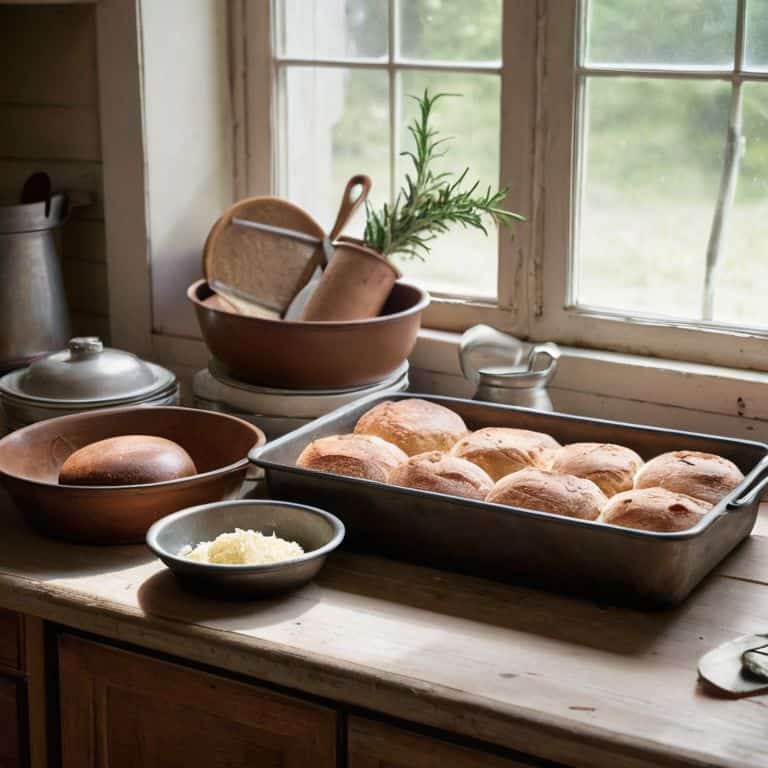
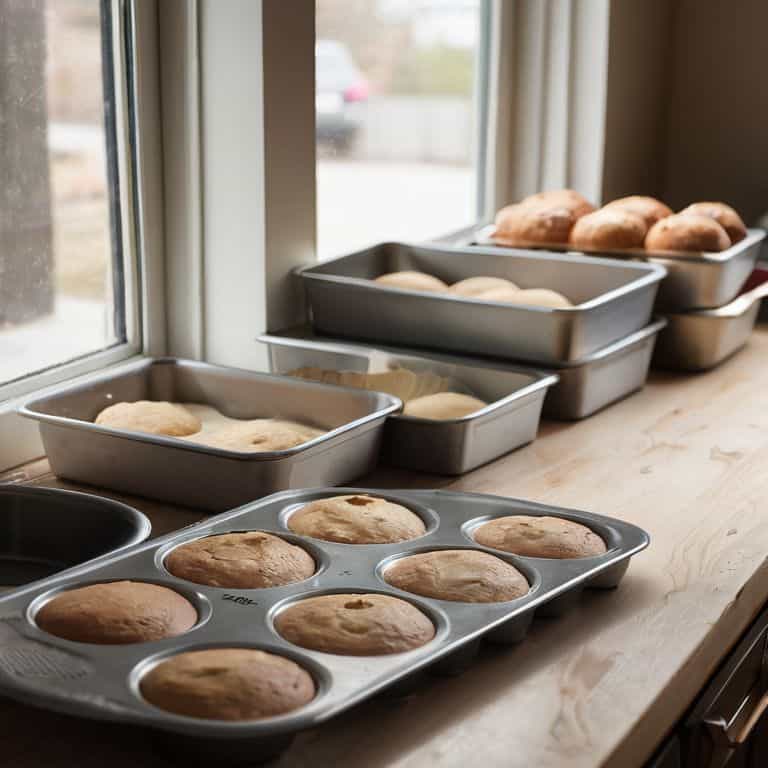
As I delve into the world of baking pans, I’ve come to realize that baking pan sizes and shapes play a crucial role in determining the outcome of your baked goods. From round cake pans to rectangular bread pans, each shape and size serves a specific purpose. When choosing a pan, consider the type of recipe you’ll be using it for and select a size that will allow for even cooking and adequate rising space.
In my experience, proper maintenance is key to extending the life of your baking pans. For non-stick pans, it’s essential to learn how to clean non stick pans effectively to prevent damage to the coating. A gentle soap and water solution, followed by a thorough drying, can work wonders. On the other hand, metal pans like aluminum baking pans can be more durable and resistant to scratches, making them a great option for beginners.
For those new to baking, I recommend exploring the benefits of silicone baking pan benefits, which include flexibility, ease of use, and effortless food release. When it comes to storage, consider baking pan storage ideas that keep your pans organized and protected, such as hanging them from a rack or storing them in a dry place. By investing in high-quality pans and taking the time to properly care for them, you’ll be well on your way to creating delicious treats that will impress even the most discerning palates.
Choosing Right Pan Sizes
When it comes to choosing the right pan sizes, I’ve found that it’s all about versatility and precision. In my test kitchen days, I’d often see home bakers struggling with pans that were either too large or too small for the job. To avoid this, I recommend investing in a few essential sizes: 8-inch, 9-inch, and 10-inch rounds for cakes and tortes, as well as a 9×13-inch rectangle for batch baking.
By having these core sizes in your arsenal, you’ll be well-equipped to tackle a wide range of recipes with confidence. I’ve ranked my favorite pan sizes in a handy comparison chart, which I refer to often when testing new recipes. Trust me, having the right pan size can make all the difference in achieving that perfect bake.
Glass vs Metal Baking Pans
When it comes to baking pans, two popular options are glass and metal. In my experience, metal pans are the clear winner for even heat distribution and durability. I’ve tested countless metal pans in my kitchen, and they consistently produce superior results. Glass pans, on the other hand, can be more prone to thermal shock and uneven heating.
That being said, glass pans do have their advantages – they’re non-reactive and easy to clean. However, for serious bakers, I recommend investing in a high-quality metal pan. My tests have shown that they withstand the rigors of frequent use and high temperatures, making them a worthwhile investment for anyone looking to take their baking to the next level.
5 Essential Tips for Selecting the Perfect Baking Pan
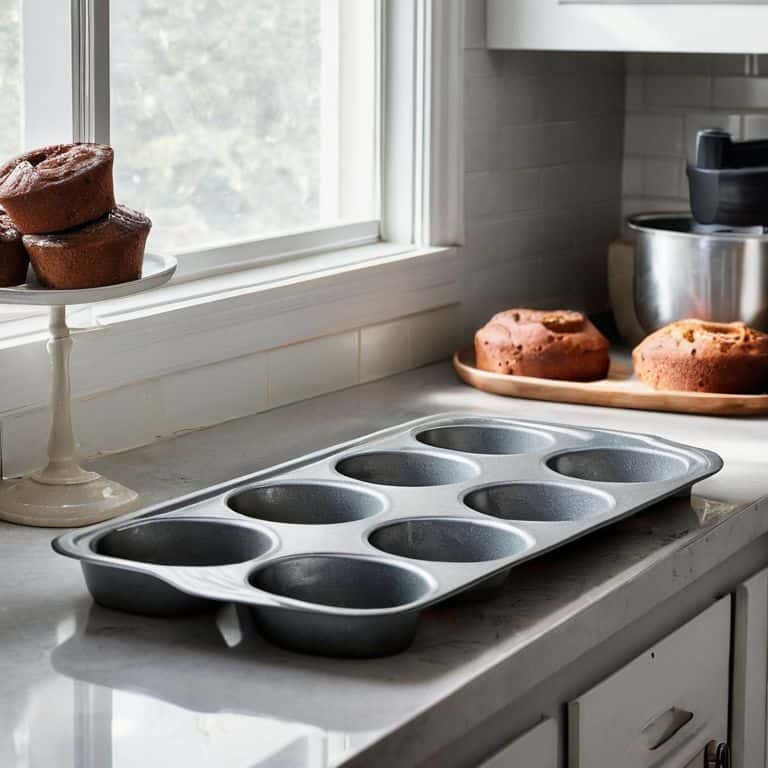
- Beware of Non-Stick Coatings: They may be convenient, but many non-stick coatings can’t withstand high temperatures and may release toxic fumes when heated
- Consider the Material: Metal pans are great for conducting heat, while glass pans are ideal for dishes that require a delicate touch, such as flans or custards
- Don’t Skimp on Size: Having a variety of pan sizes on hand ensures you can tackle any recipe that comes your way, from small batches of cookies to large cakes
- Look for Durable Construction: A well-made pan with a sturdy base and even heat distribution is essential for consistent results, and will save you money in the long run
- Check for Versatility: The best pans are those that can be used for multiple tasks, such as roasting, broiling, or serving, making them a valuable addition to your kitchen arsenal
Key Takeaways for the Discerning Baker
Investing in a high-quality baking pan is crucial for achieving consistent results in your kitchen, and it’s essential to consider factors like material, size, and non-stick coatings when making your selection
A thorough understanding of the differences between glass and metal baking pans, including their heat conductivity, durability, and ease of cleaning, will help you make an informed decision that suits your baking style and needs
By choosing the right baking pan for the job, whether it’s a delicate cake or a hearty loaf of bread, you’ll be able to unlock the full potential of your recipes and take your baking to the next level, with perfectly cooked and presented results every time
The Heart of Baking
A good baking pan is not just a piece of equipment, it’s a promise of perfection – every layer, every texture, and every flavor depends on its ability to distribute heat evenly, and that’s what I’m obsessed with getting just right.
David Grant
Conclusion: Finding the Perfect Baking Pan
In conclusion, choosing the right baking pan is a crucial decision that can make all the difference in the quality of your baked goods. As we’ve discussed throughout this guide, size matters when it comes to selecting a pan, and understanding the differences between glass and metal pans can help you make an informed decision. By considering factors such as durability, non-stick coating, and heat distribution, you can find a pan that meets your specific baking needs. Whether you’re a beginner or an experienced baker, investing in a high-quality baking pan is essential for achieving consistent results and taking your baking to the next level.
As you embark on your baking journey, remember that the right tools can empower your creativity and help you produce truly exceptional results. Don’t be afraid to invest in quality and try out new recipes and techniques. With the right baking pan by your side, you’ll be well on your way to creating delicious treats that will impress friends and family alike. So go ahead, get baking, and watch your passion for baking grow with every perfectly baked cake, cookie, and pastry that comes out of your kitchen!
Frequently Asked Questions
What are the key differences between non-stick and stainless steel baking pans?
When it comes to non-stick and stainless steel baking pans, the key differences lie in durability and release. Non-stick pans are great for delicate foods, but their coating can wear off over time. Stainless steel pans, on the other hand, are incredibly durable and resistant to scratches, but may require more grease to prevent sticking.
How do I properly clean and maintain my baking pans to ensure they last a long time?
To keep your baking pans in top shape, I swear by a gentle scrub with soap and warm water, followed by a dry with a soft towel. For tougher messes, a mixture of equal parts water and white vinegar does the trick. Regular cleaning and drying will prevent rust and extend the life of your pans.
Can I use a baking pan for both sweet and savory recipes, or are there specific pans recommended for each type of baking?
While it’s technically possible to use a baking pan for both sweet and savory recipes, I always recommend dedicating separate pans to each type to prevent flavor transfer. For example, a pan used for roasted vegetables can impart unwanted flavors to your delicate pastries. To avoid this, I keep separate pans for sweet and savory baking, ensuring the best results for each.