I still remember the day I realized that not all flours are created equal. As a baking consultant, I’ve spent years perfecting my craft, and I’ve come to understand the importance of using the right type of flour for the job. That’s why I’m excited to share with you a guide to different types of flour, and help you navigate the often-confusing world of flour varieties. From all-purpose to bread flour, and from cake flour to pastry flour, each type has its own unique characteristics and uses. I’ve seen many home bakers struggle with this, and it’s time to set the record straight.
In this article, I’ll cut through the marketing fluff and give you honest, no-hype advice on how to choose the right flour for your baking needs. You’ll learn about the different types of flour, their protein contents, and how they affect the final product. I’ll also share some of my favorite tips and tricks for working with different flours, and provide you with practical advice on how to get the best results. Whether you’re a beginner or an experienced baker, this guide will help you take your baking to the next level and make informed decisions when it comes to choosing the right flour for your recipes.
Table of Contents
Guide Overview: What You'll Need
Total Time: 1 hour 30 minutes
Estimated Cost: $10 – $20
Difficulty Level: Easy
Tools Required
- Measuring Cups (dry and liquid)
- Digital Scale (for accurate measurements)
- Sifter (for aerating flour)
Supplies & Materials
- All-Purpose Flour for general baking
- Bread Flour high-protein flour for bread-making
- Cake Flour low-protein flour for delicate baked goods
- Pastry Flour for flaky pastry dough
- Whole Wheat Flour for nutty, wholesome flavor
Step-by-Step Instructions
- 1. First, let’s start by understanding the foundation of flour types, which is essential for any baking enthusiast. We’ll be exploring the different categories of flour, including all-purpose, bread, cake, and pastry flour, to name a few. Each type has its unique characteristics, and knowing when to use which one can make all the difference in your baked goods.
- 2. Next, we need to consider the _protein content_ of each flour type, as it plays a crucial role in determining the final texture and structure of your baked goods. For instance, bread flour has a higher protein content than all-purpose flour, making it ideal for yeast-based recipes. On the other hand, cake flour has a lower protein content, which is perfect for delicate baked goods like cakes and cupcakes.
- 3. Now, let’s talk about the importance of grain type, as it can significantly impact the flavor and texture of your baked goods. We’ll be exploring the differences between wheat, rye, and oat flours, among others. Each grain type has its unique flavor profile and nutritional benefits, so it’s essential to understand when to use which one to achieve the desired result.
- 4. To take your baking to the next level, it’s crucial to understand how to _blend flours_ to create unique flavor profiles and textures. We’ll be discussing the art of combining different flour types to create custom blends that suit your baking needs. This technique can help you create one-of-a-kind baked goods that will impress your friends and family.
- 5. Once you’ve chosen your flour, it’s time to consider the role of additives, such as xanthan gum, guar gum, and vital wheat gluten. These additives can help improve the texture and structure of your baked goods, especially when working with gluten-free or low-protein flours. We’ll be exploring the different types of additives and how to use them effectively in your baking.
- 6. Now that we’ve covered the basics, it’s time to get hands-on and start _experimenting with different flour types_. We’ll be providing you with a series of recipes and exercises to help you practice working with different flours and techniques. This will help you develop the skills and confidence you need to become a proficient baker.
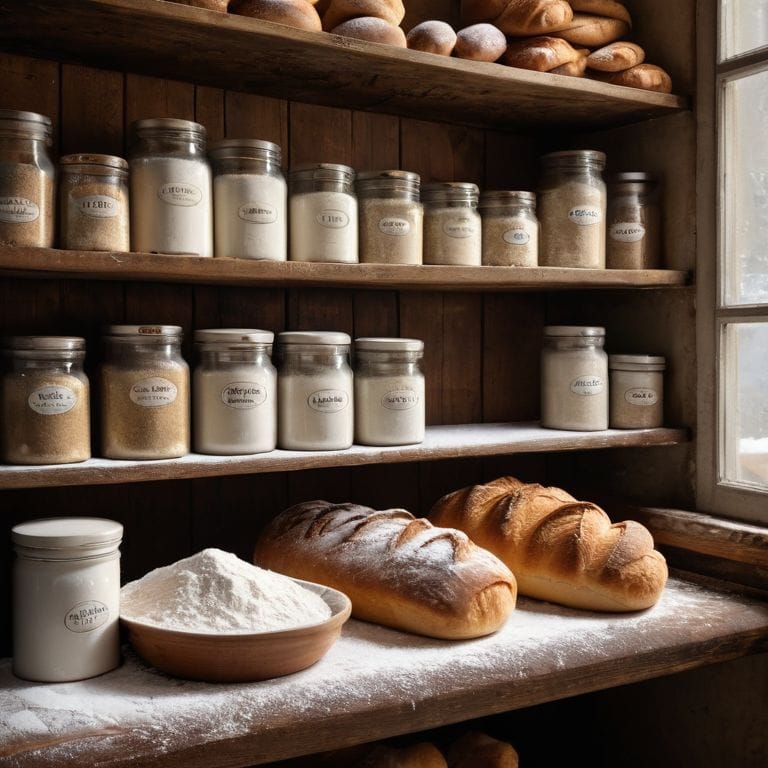
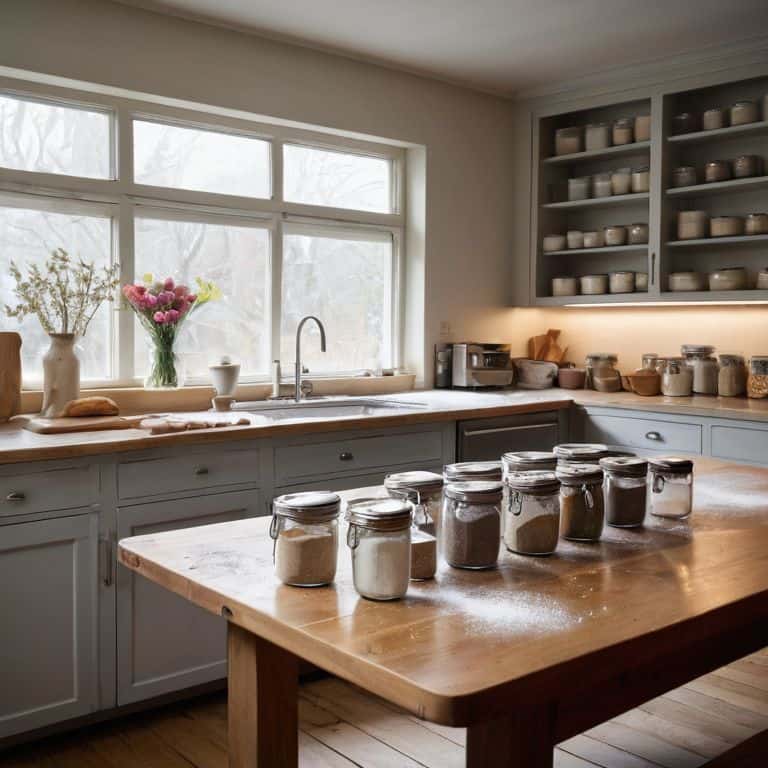
- 7. Finally, to ensure that you’re getting the most out of your flour, we’ll be discussing the importance of proper storage and handling. We’ll be covering the best practices for storing flour, including the use of airtight containers and cool, dry environments. By following these tips, you’ll be able to preserve the quality and freshness of your flour, which is essential for achieving consistent results in your baking.
A Guide to Different Types of Flour
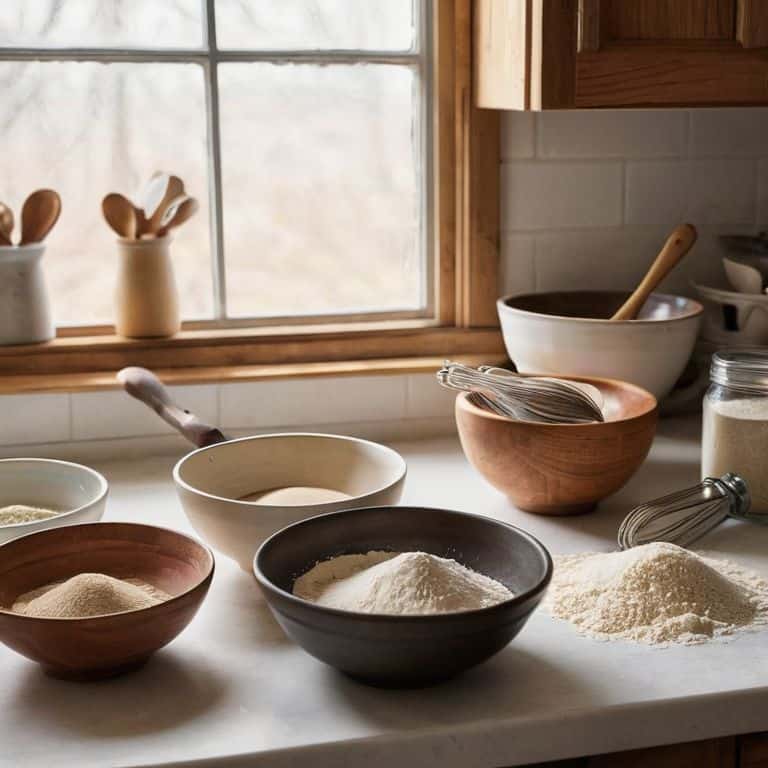
As I delve deeper into the world of flours, I want to emphasize the importance of flour substitution in recipes. It’s not just about replacing one type of flour with another, but understanding how it will affect the final product. For instance, if you’re using a recipe that calls for all-purpose flour, you can’t simply substitute it with bread flour without adjusting the liquid content. This is where types of flour for baking come into play, and it’s crucial to understand the differences between them.
When it comes to gluten free flour options, things can get a bit more complicated. You need to consider the ratio of different flours and starches to achieve the right texture and flavor. I’ve found that using a combination of rice flour, almond flour, and coconut flour can produce excellent results. However, it’s essential to note that storing flour for freshness is critical, regardless of the type. You want to keep your flours in a cool, dry place to preserve their quality and prevent spoilage.
In my experience, understanding the flour milling process explained can also help you make informed decisions when it comes to choosing the right flour. For example, the difference between bleached and unbleached flour can significantly impact the flavor and texture of your baked goods. By taking the time to learn about these nuances, you’ll be well on your way to becoming a skilled baker, capable of producing delicious treats that will impress even the most discerning palates.
Flour Substitution Secrets Revealed
When substituting flours, it’s essential to understand their unique characteristics. I’ve found that all-purpose flour can be replaced with bread flour in a pinch, but you’ll need to adjust the liquid content. On the other hand, cake flour is a different story – its lower protein content requires a more delicate touch. I’ve experimented with various combinations and have developed a handy conversion chart to simplify the process.
Through rigorous testing, I’ve identified key ratios for substituting one flour type for another. For instance, replacing all-purpose flour with pastry flour requires a 1:0.9 ratio. These secrets will help you navigate the world of flour substitution with confidence, ensuring your baked goods turn out light, fluffy, and full of flavor.
Gluten Free Flour Options Explained
When it comes to gluten-free flour options, things can get a bit tricky. As someone who’s spent years perfecting my croissant recipe, I’ve had to experiment with various gluten-free flours to accommodate friends with dietary restrictions. I’ve found that a blend of rice flour, almond flour, and coconut flour works well for certain recipes. However, it’s essential to note that gluten-free flours can behave differently, and ratios may need to be adjusted.
In my test kitchen, I’ve tried numerous gluten-free flour blends, and I’ve ranked them in my trusty spreadsheet. While there’s no one-size-fits-all solution, I’ve had success with dedicated gluten-free flour mixes from reputable brands. These mixes often contain xanthan gum or guar gum, which help with texture and structure. By understanding the unique characteristics of gluten-free flours, you can create delicious baked goods that cater to various dietary needs.
Mastering the Art of Flour: 5 Essential Tips
- Understand the protein content: Recognize that different types of flour have varying levels of protein, which affects the structure and texture of your baked goods
- Experiment with ratios: Don’t be afraid to mix and match different types of flour to achieve the perfect balance of flavor and texture in your recipes
- Store flour properly: Keep your flour fresh by storing it in a cool, dry place to preserve its quality and prevent spoilage
- Consider the origin: Think about the region and climate where the flour was produced, as this can impact its characteristics and performance in baking
- Don’t overmix: Remember that overmixing can lead to tough, dense baked goods, so mix your ingredients just until they come together in a shaggy mass, then let the dough rest
The Flour Truth
A good flour is like a good friend – it’s all about the quality of the relationship, and how well it supports you in your baking journey.
David Grant
Conclusion: Elevating Your Bakes with the Right Flour
In conclusion, understanding the different types of flour and their uses is crucial for achieving success in baking. Throughout this guide, we’ve explored various types of flour, from all-purpose and bread flour to pastry and cake flour. We’ve also delved into the world of gluten-free flours and discussed the art of flour substitution. By mastering these fundamentals, you’ll be well on your way to creating delicious, high-quality baked goods that impress and satisfy. Whether you’re a beginner or an experienced baker, having the right flour on hand can make all the difference in the outcome of your bakes.
As you continue on your baking journey, remember that the key to elevating your craft lies in the details. Don’t be afraid to experiment with new types of flour and techniques – it’s often the small adjustments that lead to the biggest breakthroughs. With practice, patience, and a willingness to learn, you’ll be able to create exceptional baked goods that bring joy to yourself and those around you. So go ahead, get baking, and watch your passion flourish into a lifetime of culinary creativity and delight!
Frequently Asked Questions
What are the key differences between bread flour and all-purpose flour?
The age-old question: bread flour vs all-purpose flour. The key difference lies in protein content – bread flour typically has 12-14% protein, while all-purpose flour has around 10-12%. This higher protein level in bread flour produces a stronger gluten network, ideal for chewy breads, whereas all-purpose flour is more versatile for cakes, cookies, and pastries.
How do I know which type of flour to use for specific recipes, such as cakes or pastries?
For specific recipes like cakes or pastries, I always consider the protein content and texture I’m aiming for. For cakes, I reach for cake flour or pastry flour, while for flaky pastries, I opt for all-purpose flour with a lower protein level. It’s all about matching the right flour to the desired outcome.
Can I substitute one type of flour for another in a recipe without affecting the final product?
When substituting flours, it’s crucial to consider their protein content and texture. For example, replacing bread flour with all-purpose flour will yield a denser crumb, while using cake flour will result in a tender but potentially fragile texture. I’ve compiled a substitution chart to help you navigate these changes, ensuring your baked goods turn out as intended.