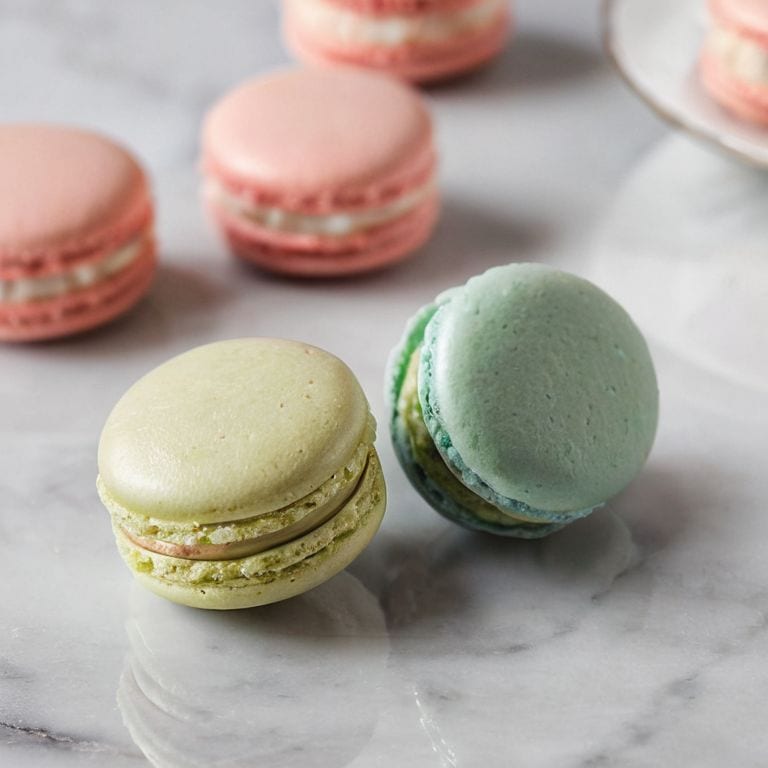
I still remember the first time I attempted to make a foolproof French macaron recipe. It was a disaster – my macarons were more like flat, chewy disks than the delicate, meringue-based confections I had envisioned. The trouble was, every recipe I found online claimed to be the “best” or the “easiest,” but none of them seemed to work for me. It wasn’t until I delved deeper into the science of French macaron-making that I discovered the truth: there’s no such thing as a one-size-fits-all recipe. However, with the right techniques and a foolproof French macaron recipe, you can create these delicate treats with ease.
As someone who’s spent years perfecting the art of French macaron-making, I’m excited to share my knowledge with you. In this article, I’ll provide you with a tried-and-true technique for making perfect French macarons every time. I’ll cut through the noise and give you the honest, hype-free advice you need to succeed. Whether you’re a beginner or an experienced baker, my goal is to empower you with the skills and confidence to create beautiful, delicious French macarons that will impress anyone. So, let’s get started on this journey to macaron mastery, and I’ll show you that making a foolproof French macaron recipe is within your reach.
Table of Contents
Recipe Details
Ingredients
- 1 1/2 cups almond flour (sifted)
- 1 1/2 cups confectioners' sugar (sifted)
- 3 large egg whites (at room temperature)
- 1/2 cup granulated sugar
- 1/2 teaspoon salt
- 1/2 teaspoon flavor extract (e.g. vanilla or almond) (optional)
- Food coloring (gel or paste) (optional)
- Buttercream or ganache filling (for sandwiching the macarons)
Tools & Supplies
- Large mixing bowl
- Hand mixer or stand mixer
- Sifter or fine-mesh sieve
- Piping bag and round tip
- Baking sheet lined with parchment paper
Recipe Instructions
Step 1
First, let’s start with the basics: to make a perfect French macaron, you need to understand the importance of aging your egg whites. This step is crucial, as it will help to reduce the moisture content in the eggs, making them easier to whip and incorporate air. I like to age my egg whites for at least 24 hours in the refrigerator before using them.
Step 2
Next, preheat your oven to 300°F (150°C) and line a baking sheet with parchment paper. Now it’s time to _sift_ your almond flour and confectioners’ sugar into a large bowl. This step is essential to remove any lumps and ensure that your macarons are smooth and even. I use a fine-mesh sieve to sift my ingredients, as it helps to remove any large particles.
Step 3
In a separate bowl, whip your aged egg whites and granulated sugar until they become stiff and hold their shape. This should take about 5-7 minutes with an electric mixer. Be careful not to overmix, as this can lead to a dense and chewy macaron. I like to use a stand mixer with a whisk attachment to get the job done quickly and efficiently.
Step 4
Now it’s time to add a touch of _flavor_ and _color_ to your macarons. Add a few drops of food coloring and a teaspoon of extract (such as vanilla or almond) to the egg mixture and whip until well combined. This is where you can get creative and experiment with different flavors and colors to make your macarons truly unique.
Step 5
To assemble the macarons, slowly pour the sifted almond flour mixture into the egg mixture and gently _fold_ until well combined. Be careful not to overmix, as this can lead to a dense and chewy macaron. I like to use a rubber spatula to fold the mixture, as it helps to prevent any air from being pushed out.
Step 6
Transfer the mixture to a piping bag fitted with a round tip and pipe small, round circles onto the prepared baking sheet. Tap the baking sheet gently to remove any air bubbles and allow the macarons to rest for at least 30 minutes before baking. This step is crucial, as it will help the macarons to form a smooth and even surface.
Step 7
Bake the macarons for 15-20 minutes, or until the tops are firm and the edges are lightly golden brown. Remove the macarons from the oven and allow them to cool completely on the baking sheet. Once the macarons are cool, you can _sandwich_ them together with your favorite filling, such as buttercream or ganache. I like to use a flavored buttercream to add an extra layer of flavor to my macarons.
Mastering a Foolproof French Macaron Recipe
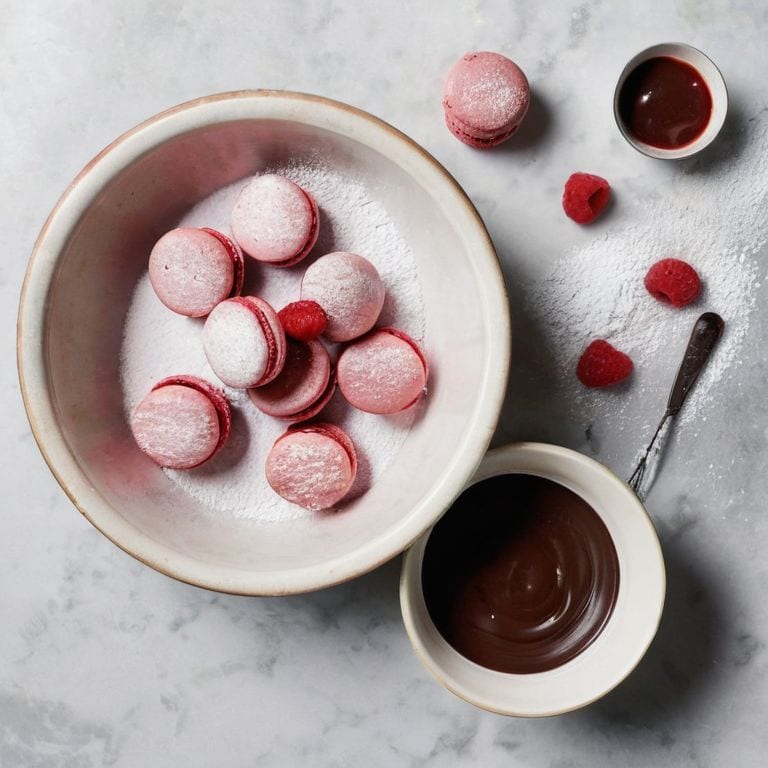
As I delve into the world of French macarons, I’m reminded of the importance of aging egg whites to achieve the perfect macaron shell texture. This simple step can make all the difference in creating a smooth, rounded shell that’s both delicate and sturdy. When it comes to filling ideas, the possibilities are endless – from rich, velvety chocolate to fruity, tangy jams. I love experimenting with different french macaron filling ideas to find the perfect combination that complements the delicate flavor of the shell.
To ensure that your macarons turn out perfectly, it’s crucial to have a good understanding of macaron baking temperature control. A slight variation in temperature can affect the texture and appearance of the shell, so it’s essential to invest in a reliable oven thermometer. Additionally, using the best food coloring for macarons can help you achieve vibrant, consistent colors that add to the overall visual appeal of your creations.
When troubleshooting common issues with French macarons, it’s often helpful to refer to a macaron troubleshooting guide. This can help you identify and fix problems such as uneven shells, sticky bottoms, or hollow interiors. By mastering these techniques and tips, you’ll be well on your way to creating beautiful, delicious French macarons that are sure to impress.
Exploring French Macaron Filling Ideas and Beyond
As I delve into the world of French macarons, I’m reminded that the filling is where the true magic happens. It’s an opportunity to get creative and experiment with an array of flavors and textures. From rich, velvety ganaches to delicate, fruit-infused buttercreams, the possibilities are endless. I adore pairing classic flavors like raspberry and chocolate, but I also love pushing the boundaries with unique combinations like lemon and honey or orange and almond.
My personal favorite filling to work with is a lightly sweetened Swiss meringue buttercream, infused with the subtle essence of vanilla beans. The way it melts effortlessly into the crunchy macaron shell is nothing short of poetic. Of course, the beauty of French macarons lies in their versatility, so don’t be afraid to innovate and come up with your own signature fillings – after all, that’s what makes this art form so thrilling!
Unlocking Macaron Shell Texture Tips and Tricks
To achieve the perfect macaron shell texture, it’s all about balance and finesse. I always say that the key to a smooth, rounded shell is in the folding technique. Don’t overmix, my friends! You want to maintain that delicate balance between aerating the batter and deflating it. When you’re folding, think of it as a gentle dance – you’re coaxing the ingredients together, not forcing them.
By doing so, you’ll be rewarded with a shell that’s both crunchy and chewy, with a delicate foot and a smooth, rounded top. Remember, practice makes perfect, so don’t be discouraged if it takes a few batches to get it just right. With patience and persistence, you’ll unlock the secret to a truly exceptional macaron shell texture.
Elevating Your Macaron Game: 5 Essential Tips for a Foolproof French Macaron Recipe
- Use aged egg whites: Allow your egg whites to sit at room temperature for 24 to 48 hours to reduce moisture content and improve stability
- Invest in high-quality almond flour: Fresh, finely ground almond flour is crucial for achieving the perfect macaron shell texture and flavor
- Temper your chocolate: When making chocolate-based fillings, tempering is key to a smooth, glossy finish and a satisfying snap when broken
- Don’t overmix the batter: Mix your ingredients just until they come together in a smooth, shiny batter – overmixing can lead to dense, chewy macarons
- Age your macarons: Let your filled macarons sit at room temperature for 24 hours to allow the flavors to mature and the shells to soften slightly, ensuring a perfect balance of texture and taste
Key Takeaways for the Perfect French Macarons
Mastering the art of French macarons requires attention to detail, from the quality of ingredients like almond flour and egg whites to the technique of folding and piping, all of which contribute to achieving the perfect ‘foot’ and ‘shell’ texture
Experimenting with various filling flavors and ingredients can elevate your French macarons from a classic delicacy to a modern, sophisticated dessert, offering endless possibilities for creativity and personalization
Practice and patience are key to overcoming common challenges such as uneven shells, hollows, or sticky bottoms, and by sketching your design, selecting the finest ingredients, and meticulously following a tried-and-true recipe, you can create French macarons that are not only delicious but also visually stunning
The Heart of Macaron Perfection
A foolproof French macaron recipe is not just about measuring ingredients, it’s about understanding the harmony of textures and flavors that come together to create a delicate, chewy, and sublime experience with each bite.
Alison Lawson
Elevating Your Baking Experience
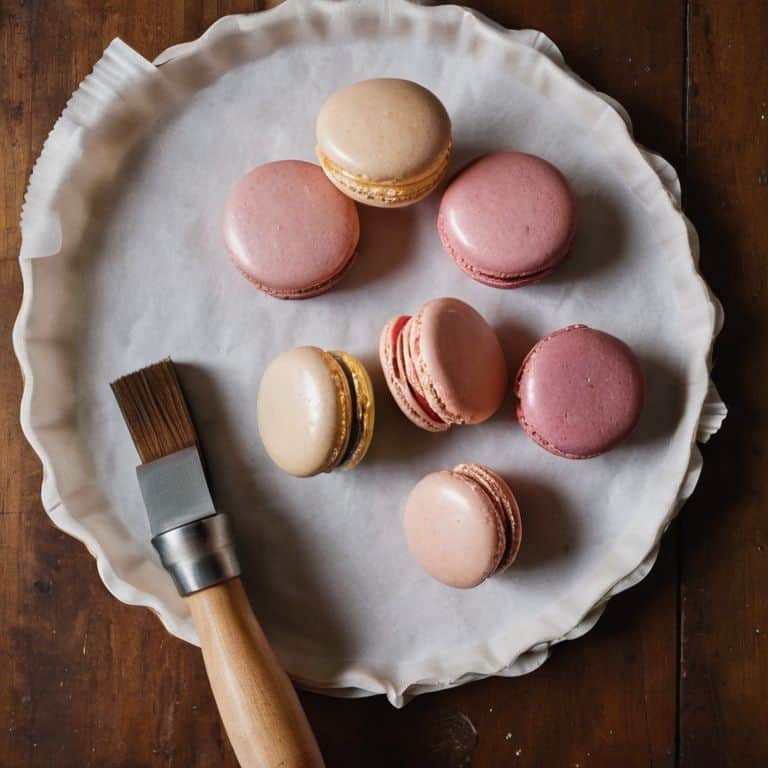
As we conclude our journey to mastering the foolproof French macaron recipe, let’s revisit the essential elements that make this delicate confection a true showstopper. From the importance of aged egg whites to the nuances of macaron shell texture, and the endless possibilities of French macaron filling ideas, each component plays a vital role in elevating your baking experience. By embracing these techniques and tips, you’re not only ensuring a delicious outcome but also refining your skills as a pastry artist.
Now, as you embark on your own macaron-making adventures, remember that the art of baking is a beautiful balance of science and creativity. Don’t be afraid to experiment, to innovate, and to push the boundaries of what’s possible with every batch. With patience, practice, and a passion for perfection, you’ll find that the world of French macarons is endlessly inspiring, and that the joy of creating something truly extraordinary is just a bake away.
Frequently Asked Questions
What is the ideal aging time for egg whites to achieve the perfect French macaron texture?
To achieve the perfect French macaron texture, I recommend aging egg whites for at least 24 to 48 hours. This allows the proteins to break down, resulting in a smoother, more even shell. Trust me, the wait is worth it – it’s a game-changer for achieving those signature “feet” and a delicate, tender bite.
How do I ensure that my macaron shells don't become too sticky or chewy after filling?
To prevent sticky or chewy macaron shells, I recommend allowing them to mature for 24 hours after baking, and then filling them just before serving. This helps to maintain their texture and structure. Also, be gentle when handling the shells to avoid transferring moisture, and use a filling that’s not too wet or runny, like a perfectly balanced buttercream or ganache.
Can I substitute almond flour with a different type of flour, such as coconut or oat flour, in a French macaron recipe?
While I appreciate the creativity, I must advise against substituting almond flour with coconut or oat flour in French macarons. Almond flour’s unique texture and fat content are crucial to the shell’s structure and flavor. Coconut flour, in particular, absorbs liquid differently, and oat flour lacks the necessary fineness. Trust me, dear baker, it’s worth using traditional almond flour for authentic macarons.